
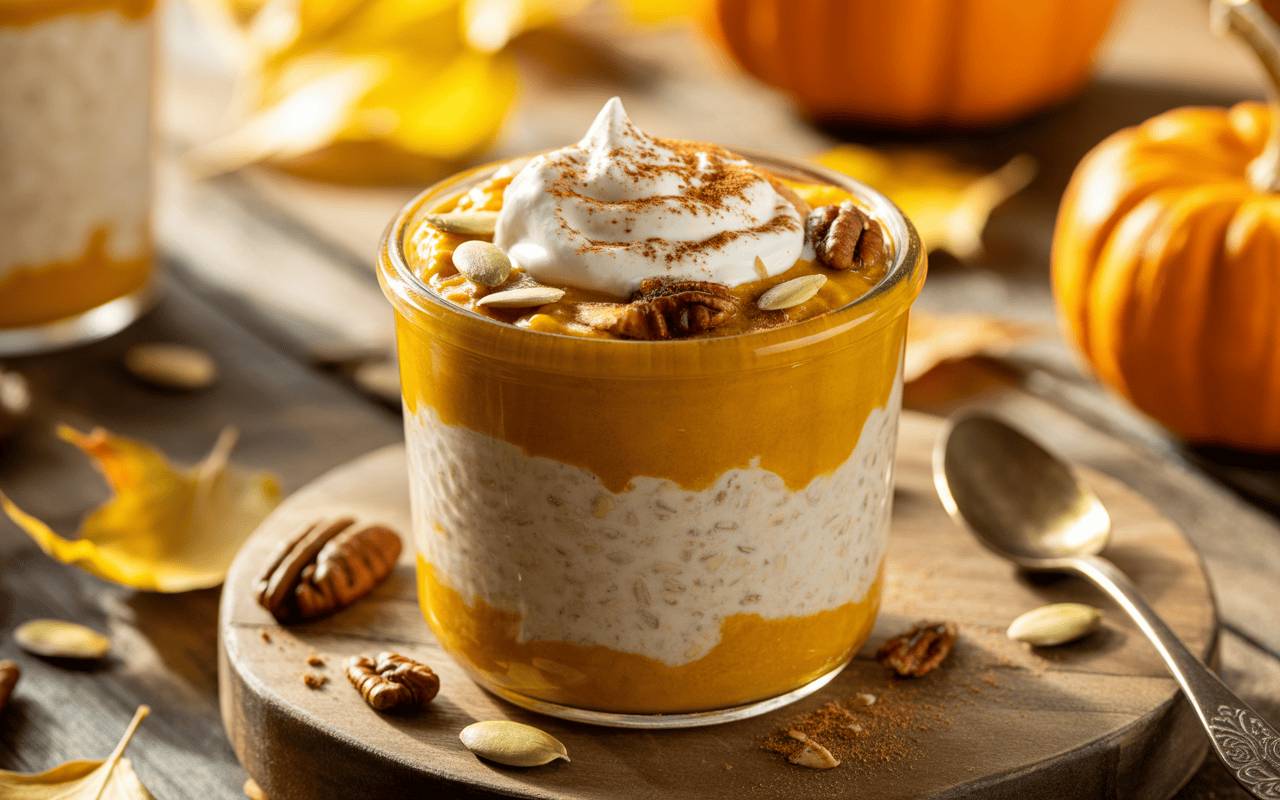
Introduction: Fall Flavors Meet Preventive Medicine
As autumn arrives in the Inland Empire, the comforting aroma of pumpkin spice fills the air, but this seasonal favorite doesn’t have to derail your health goals. Pumpkin spice overnight oats offer a scientifically-backed approach to starting your day with sustained energy, stable blood sugar, and cardiovascular protection—all wrapped in the cozy flavors you crave during fall.
Physicians at PromiseCare Medical Group, including endocrinology specialists Dr. Kazem Seyed and Dr. Kathy Joo, emphasize the importance of fiber-rich breakfast choices for patients managing type 2 diabetes and cardiovascular disease. This make-ahead breakfast combines the metabolic benefits of beta-glucan-rich oats with the nutrient density of pumpkin puree, creating a meal that tastes like dessert but functions like preventive medicine.
Unlike sugar-laden pumpkin spice lattes or processed breakfast pastries, overnight oats provide complex carbohydrates that digest slowly, preventing the blood sugar spikes that complicate diabetes management. Dr. Anita Jackson, who specializes in family medicine and geriatric medicine at PromiseCare, notes that patients who incorporate whole grain breakfasts into their morning routine often report better energy levels throughout the day and improved glycemic control over time.
The Science Behind Overnight Oats and Blood Sugar Management
Beta-Glucan: The Fiber That Changes Everything
The star component of any oats-based breakfast is beta-glucan, a type of soluble fiber that has earned recognition from the United States Food and Drug Administration for its cardiovascular benefits. Research published in peer-reviewed journals demonstrates that consuming just 3 grams of beta-glucan daily can significantly reduce LDL cholesterol—the “bad” cholesterol that contributes to heart disease risk.
Dr. Patrick Gonzales, an internal medicine physician at PromiseCare, explains that beta-glucan works by increasing the viscosity of food as it moves through your digestive system. This increased thickness slows gastric emptying and lengthens intestinal transit time, which translates to a gradual release of glucose into your bloodstream rather than a rapid spike. For patients with type 2 diabetes or prediabetes, this mechanism is crucial for maintaining glycemic control.
Multiple systematic reviews and meta-analyses have confirmed that oat consumption improves fasting blood sugar, postprandial glucose (blood sugar after eating), and hemoglobin A1c (HbA1c)—the gold standard measurement for long-term blood sugar control. One comprehensive analysis found that patients consuming oats experienced an average reduction of 0.66% in HbA1c levels, which represents clinically significant improvement in diabetes management.
How Different Oat Types Affect Blood Sugar
Not all oats deliver the same metabolic benefits. The degree of processing directly impacts the glycemic index and, consequently, how quickly oats raise blood sugar:
Steel-Cut Oats: Also called Irish oatmeal, these minimally processed oats retain the most fiber and nutrients. They have the lowest glycemic index (around 55) and cause the smallest rise in blood glucose and insulin levels. Steel-cut oats require longer soaking times for overnight oats preparation—typically 8-12 hours—but offer superior blood sugar control.
Rolled Oats (Old-Fashioned): These oats are steamed and flattened to reduce cooking time. While slightly more processed than steel-cut varieties, rolled oats maintain excellent nutritional value and work beautifully for overnight oats. They have a moderate glycemic index and provide 4 grams of fiber per half-cup serving.
Quick Oats: These are rolled oats cut into smaller pieces for faster preparation. While convenient, they have a higher glycemic index than rolled or steel-cut options and may cause more rapid blood sugar elevation.
Instant Oats: The most heavily processed option, instant oats are pre-cooked, dried, and often contain added sugars and flavorings. Dr. Abid Hussain, a PromiseCare internist, advises patients to avoid flavored instant oatmeal packets, which can contain up to 12 grams of added sugar per serving—counteracting the natural blood sugar benefits of the oats themselves.
For overnight oats recipes, rolled oats strike the perfect balance between convenience, texture, and metabolic benefit. They soften beautifully during refrigeration while maintaining their fiber structure and nutritional integrity.
Pumpkin Puree: More Than Just Seasonal Flavor
Vitamin A Powerhouse for Immune Function and Vision
While pumpkin spice gets all the attention, actual pumpkin puree deserves recognition as a nutritional superstar. A half-cup serving of pure pumpkin puree provides an astounding 4,991 IU of vitamin A—representing 100% of the daily recommended value. This vitamin A comes primarily from beta-carotene, the orange pigment that gives pumpkin its distinctive color.
Beta-carotene functions as both a vitamin A precursor and a powerful antioxidant. Once consumed, your body converts beta-carotene into active vitamin A (retinol), which supports multiple physiological processes:
Vision Health: Vitamin A is essential for maintaining healthy corneas and supporting night vision. The retina requires constant vitamin A supply to produce rhodopsin, the protein that enables your eyes to adapt to low-light conditions.
Immune System Support: Vitamin A maintains the integrity of mucous membranes in your respiratory tract, digestive system, and urinary tract—your body’s first line of defense against pathogens. It also supports the development and function of white blood cells, which fight infections.
Cellular Health: As an antioxidant, beta-carotene neutralizes free radicals that contribute to cellular damage and chronic inflammation. This antioxidant activity may help reduce the risk of certain chronic diseases, including cardiovascular disease.
Fiber and Mineral Content
Beyond vitamin A, pumpkin puree contributes additional dietary fiber, potassium, and magnesium—minerals that play crucial roles in cardiovascular function and blood pressure regulation. Dr. Kazem Seyed notes that many patients with diabetes also struggle with hypertension, making potassium-rich foods like pumpkin particularly valuable for comprehensive metabolic management.
Potassium counterbalances sodium’s effects on blood pressure by promoting sodium excretion through the kidneys. The American Heart Association recommends at least 4,700 mg of potassium daily for adults, yet most Americans consume only about half that amount. Adding pumpkin puree to your overnight oats provides approximately 250 mg of potassium per half-cup serving.
Magnesium, another mineral abundant in pumpkin, serves as a cofactor for over 300 enzymatic reactions in your body, including those involved in glucose metabolism and insulin secretion. Research has established an inverse association between magnesium intake and type 2 diabetes risk—meaning higher magnesium consumption correlates with lower diabetes incidence.
Greek Yogurt: The Protein That Makes Overnight Oats Satisfying
Why Protein Matters for Blood Sugar Balance
One of the most common mistakes people make when building breakfast is focusing exclusively on carbohydrates. While whole grains like oats provide valuable energy, pairing them with protein creates superior blood sugar stability and prolonged satiety.
Greek yogurt transforms overnight oats from a carbohydrate-heavy snack into a balanced meal. A standard 5.3-ounce serving of plain nonfat Greek yogurt provides approximately 15-20 grams of protein—triple the protein content of regular yogurt. This protein slows the digestion and absorption of carbohydrates from the oats, resulting in a more gradual glucose response.
Dr. Anita Jackson emphasizes this principle with patients: “When you eat carbohydrates alone, your blood sugar rises quickly and then crashes, leaving you hungry and fatigued within a few hours. Adding protein to your meal dampens that spike and extends the time before you feel hungry again.”
Probiotics for Gut Health
Beyond protein, Greek yogurt contains live and active cultures—beneficial bacteria that support digestive health and may influence metabolic function. The human gut microbiome plays an increasingly recognized role in metabolic disease, with research suggesting that gut bacteria diversity affects insulin sensitivity and inflammatory markers.
Probiotics in yogurt, particularly strains like Lactobacillus and Bifidobacterium, may help:
- Improve intestinal barrier function
- Reduce systemic inflammation
- Enhance nutrient absorption
- Support immune system regulation
- Potentially improve glycemic control in individuals with type 2 diabetes
For maximum probiotic benefit, look for yogurt labels stating “contains live and active cultures” and check the ingredient list for specific bacterial strains. Full-fat Greek yogurt provides creamier texture, while nonfat versions deliver more protein per calorie—both work beautifully in overnight oats depending on your nutritional goals and taste preferences.
Chia Seeds and Healthy Fats: Small Seeds, Big Impact
Omega-3 Fatty Acids from Plant Sources
Chia seeds may be tiny, but they punch well above their weight in nutritional value. Just two tablespoons (about 20 grams) of chia seeds provide approximately 4 grams of protein, 11 grams of fiber, and 5 grams of omega-3 fatty acids—primarily alpha-linolenic acid (ALA).
Omega-3 fatty acids are essential fats that your body cannot produce independently, requiring dietary sources for optimal health. These healthy fats support cardiovascular function by:
- Reducing triglyceride levels
- Decreasing blood pressure
- Reducing arterial plaque formation
- Lowering inflammation throughout the cardiovascular system
- Potentially reducing risk of arrhythmias (irregular heartbeats)
For patients with type 2 diabetes, cardiovascular disease represents the leading cause of mortality. Dr. Kathy Joo, PromiseCare’s endocrinology specialist, regularly counsels diabetic patients on the importance of incorporating plant-based omega-3 sources like chia seeds, flaxseeds, and walnuts into their daily eating patterns.
The Gelatinous Magic of Chia
When exposed to liquid, chia seeds form a gel-like coating due to their high soluble fiber content. This gelatinization process creates the perfect creamy, pudding-like consistency for overnight oats while delivering substantial digestive benefits.
The gel formed by chia seeds slows the conversion of carbohydrates to sugar, contributing to better blood sugar regulation. Additionally, this viscous fiber promotes feelings of fullness and supports healthy bowel movements—addressing both weight management and digestive health simultaneously.
The Warming Power of Pumpkin Pie Spice
Cinnamon’s Role in Insulin Sensitivity
Pumpkin pie spice typically combines cinnamon, nutmeg, ginger, cloves, and sometimes allspice—each contributing unique health benefits beyond their aromatic appeal. Cinnamon, the predominant spice in this blend, has attracted particular scientific interest for its potential effects on glucose metabolism.
Research suggests that cinnamon may improve insulin sensitivity through multiple mechanisms:
- Enhancing insulin receptor signaling
- Improving cellular glucose uptake
- Reducing oxidative stress
- Decreasing inflammatory markers
While studies show varying results regarding cinnamon’s impact on blood sugar control, many healthcare providers, including Dr. Patrick Gonzales at PromiseCare, support its use as a complementary approach alongside standard diabetes management strategies. At minimum, cinnamon adds robust flavor without calories or added sugars, making it an excellent tool for enhancing food enjoyment without compromising metabolic health.
Anti-Inflammatory Properties of Warming Spices
The other components of pumpkin pie spice offer their own health advantages:
Nutmeg: Contains antioxidants like phenolic compounds that may reduce inflammation and support brain health.
Ginger: Well-established anti-inflammatory and digestive aid that may help reduce nausea and support immune function.
Cloves: Exceptionally high in antioxidants, with potential antimicrobial and anti-inflammatory properties.
Allspice: Provides minerals like manganese, iron, and copper while delivering antioxidant benefits.
Collectively, these spices create a synergistic effect—their combined antioxidant and anti-inflammatory properties support overall health while making your overnight oats taste like a seasonal treat.
The Perfect Pumpkin Spice Overnight Oats Recipe
Ingredients (Serves 2)
Base:
- 1 cup rolled oats
- 1/2 cup pure pumpkin puree (not pumpkin pie filling)
- 1/2 cup plain Greek yogurt (nonfat or low-fat)
- 1 cup unsweetened almond milk (or milk of choice)
- 2 tablespoons chia seeds
- 1-2 tablespoons pure maple syrup (adjust to taste)
- 1 teaspoon pumpkin pie spice
- 1 teaspoon vanilla extract
- Pinch of salt
Optional Toppings:
- Chopped pecans or walnuts (adds healthy fats and crunch)
- Fresh sliced banana
- A dollop of Greek yogurt
- Pumpkin seeds (pepitas) for extra zinc
- Drizzle of almond butter or peanut butter
- Additional cinnamon for dusting
Preparation Method
- Mix the Wet Ingredients: In a medium bowl, combine the pumpkin puree, Greek yogurt, almond milk, maple syrup, vanilla extract, and pumpkin pie spice. Whisk until smooth and completely blended.
- Add the Dry Components: Stir in the rolled oats, chia seeds, and a pinch of salt. Mix thoroughly to ensure all oats are coated with the liquid mixture.
- Divide and Store: Spoon the mixture into two mason jars or airtight containers. Cover with lids and refrigerate for at least 4 hours, though overnight (8-12 hours) yields the best texture.
- Serve and Enjoy: In the morning, the oats will have absorbed the liquid and expanded into a thick, creamy breakfast. Stir well before eating. If the consistency is too thick, add a splash of milk to reach your desired texture. Top with your favorite additions and enjoy cold, or microwave for 60-90 seconds if you prefer warm oats.
Nutritional Profile (Per Serving, Without Optional Toppings)
- Calories: 405-430 kcal
- Protein: 17-22 grams
- Carbohydrates: 54-61 grams
- Fiber: 12-14 grams
- Fat: 12-14 grams (primarily healthy unsaturated fats)
- Vitamin A: Nearly 100% daily value
- Calcium: 25-30% daily value
- Iron: 20-25% daily value
This nutritional profile demonstrates why overnight oats qualify as a complete breakfast: substantial protein for satiety and muscle maintenance, abundant fiber for digestive and cardiovascular health, complex carbohydrates for sustained energy, and essential vitamins and minerals for overall wellness.
Medical Perspective: What PromiseCare Physicians Recommend
For Patients With Type 2 Diabetes
Dr. Kazem Seyed, board-certified in endocrinology, works extensively with diabetic patients throughout Riverside County. His approach to nutritional counseling emphasizes whole food choices that support medication therapy rather than relying solely on pharmaceutical interventions.
“We know that dietary fiber—particularly soluble fiber like beta-glucan—can reduce hemoglobin A1c by clinically meaningful amounts,” Dr. Seyed explains. “When patients tell me they’re eating overnight oats for breakfast instead of refined cereals or pastries, I’m optimistic about their long-term blood sugar management. The combination of fiber, protein, and healthy fats creates the metabolic environment we want to see.”
Dr. Seyed advises diabetic patients to:
- Monitor portion sizes (typically 1-1.5 cups of prepared overnight oats per serving)
- Pair oats with protein sources like Greek yogurt or nuts
- Limit added sugars (keeping maple syrup to 1-2 tablespoons maximum)
- Test blood sugar 2 hours after eating to understand individual responses
- Consider steel-cut oats for the lowest glycemic impact
For Cardiovascular Disease Prevention
Dr. Patrick Gonzales focuses on preventive cardiology in his internal medicine practice. He emphasizes that many of his patients face multiple cardiovascular risk factors—elevated LDL cholesterol, high blood pressure, excess abdominal weight, and inflammatory markers.
“The beauty of a breakfast like pumpkin spice overnight oats is that it addresses multiple risk factors simultaneously,” Dr. Gonzales notes. “The beta-glucan lowers cholesterol. The potassium and magnesium support healthy blood pressure. The fiber promotes satiety, which aids in weight management. And the omega-3s from chia seeds provide anti-inflammatory benefits. It’s comprehensive preventive medicine on a spoon.”
He particularly appreciates that overnight oats support medication compliance by establishing consistent morning routines. Many cardiovascular medications work best when taken at the same time daily with food, and having breakfast prepared in advance removes barriers to medication adherence.
For Overall Metabolic Health
Dr. Anita Jackson, who treats patients across the lifespan in her family medicine and geriatric medicine practice, takes a holistic view of metabolic health. She emphasizes that food choices early in the day set the tone for energy, mood, and additional food decisions throughout the day.
“When my patients start their morning with a blood sugar roller coaster—say, a donut and coffee—they’re fighting cravings and energy crashes all day long,” Dr. Jackson observes. “But when they begin with a balanced meal like overnight oats, they report feeling steadier, thinking more clearly, and making better food choices at lunch and dinner.”
She also appreciates overnight oats for elderly patients who may struggle with cooking or have reduced appetites. The make-ahead nature eliminates morning cooking requirements, while the soft, easily chewed texture accommodates dental challenges common in older adults.
Customization Ideas for Different Health Goals
For Weight Management
If your primary goal is healthy weight loss or weight maintenance:
- Use nonfat Greek yogurt to maximize protein while minimizing calories
- Measure maple syrup carefully (or substitute with stevia for zero calories)
- Add extra cinnamon, which enhances sweetness perception without calories
- Include volume-adding toppings like fresh berries (low in calories, high in fiber)
- Consider measuring portions to maintain consistent calorie intake
For Heart Health Optimization
To maximize cardiovascular benefits:
- Use flaxseeds or chia seeds for plant-based omega-3 fatty acids
- Add chopped walnuts (another omega-3 source with proven heart benefits)
- Include a handful of blueberries or raspberries (rich in anthocyanins, which support vascular function)
- Use unsweetened almond milk for vitamin E (an antioxidant that protects LDL cholesterol from oxidation)
For Diabetic Blood Sugar Control
To optimize glucose management:
- Increase protein by adding an extra scoop of Greek yogurt or protein powder
- Include healthy fats like almond butter or pecans (slows carbohydrate absorption)
- Use steel-cut oats when possible (lowest glycemic impact)
- Keep total carbohydrate content within your meal plan goals (typically 45-60 grams per meal)
- Add extra cinnamon for its potential insulin-sensitizing effects
For Gut Health Support
To enhance digestive wellness:
- Use probiotic-rich Greek yogurt with visible live culture strains
- Add ground flaxseed (provides additional fiber and supports regular bowel movements)
- Include a small amount of sliced banana (provides prebiotic fiber that feeds beneficial gut bacteria)
- Consider adding a tablespoon of unsweetened shredded coconut (contains medium-chain triglycerides that may support gut barrier function)
Common Questions About Overnight Oats and Health
Can I eat overnight oats if I have diabetes?
Yes, overnight oats can be an excellent breakfast choice for people with type 2 diabetes when prepared thoughtfully. The key is controlling portion sizes, limiting added sugars, and including adequate protein and healthy fats. Dr. Kathy Joo recommends that diabetic patients test their blood sugar 2 hours after eating overnight oats initially to understand their individual response, as metabolic reactions vary from person to person.
How do overnight oats compare to cooked oatmeal nutritionally?
Nutritionally, overnight oats and cooked oatmeal are virtually identical—both provide the same fiber, protein, vitamins, and minerals. The primary difference is preparation method and texture. Some people prefer the creamier, pudding-like consistency of overnight oats, while others enjoy the warmth and familiar texture of cooked oatmeal. Both offer the same blood sugar and cardiovascular benefits.
Will overnight oats help me lose weight?
Overnight oats can support weight loss efforts as part of a calorie-controlled eating plan. The high fiber and protein content promotes satiety, helping you feel full longer and potentially reducing total calorie intake throughout the day. However, portion control remains important—a serving that’s too large can still contribute excess calories. Dr. Abid Hussain emphasizes that overnight oats work best as part of a comprehensive lifestyle approach including regular physical activity and mindful eating habits.
How long do pumpkin spice overnight oats last in the refrigerator?
Prepared overnight oats will keep for 3-5 days in the refrigerator when stored in airtight containers. This makes them ideal for meal prep—you can prepare a full work week’s worth of breakfasts on Sunday evening. Note that the oats will continue to soften and absorb liquid the longer they sit, so you may need to add a splash of milk before eating if they become too thick.
Can I warm up overnight oats?
Absolutely! While traditionally eaten cold, overnight oats can be heated in the microwave for 60-90 seconds (stirring halfway through) if you prefer a warm breakfast. Some people enjoy them cold during summer months and warmed during fall and winter. The nutritional benefits remain the same regardless of temperature.
Is the canned pumpkin puree as nutritious as fresh pumpkin?
Yes, pure canned pumpkin puree is nutritionally comparable to fresh cooked pumpkin and is often more convenient. The important distinction is choosing pure pumpkin puree rather than pumpkin pie filling, which contains added sugars and thickeners. Check the ingredient label—it should list only pumpkin as the ingredient. Dr. Anita Jackson notes that canned pumpkin is actually more concentrated than fresh, meaning it may provide even higher levels of vitamin A and fiber per serving.
What if I don’t like pumpkin? Can I still make overnight oats?
Absolutely! The overnight oats method works with countless flavor variations. You can substitute mashed banana for pumpkin, use cocoa powder for chocolate overnight oats, add fresh berries for berry-flavored oats, or stick with classic cinnamon and vanilla. The health benefits from the oats, Greek yogurt, and chia seeds remain regardless of the flavor profile you choose.
Meal Prep Tips for Busy Mornings
Batch Preparation Strategy
One of the greatest advantages of overnight oats is their meal prep-friendly nature. Dr. Patrick Gonzales notes that many of his patients struggle with healthy eating not because of lack of knowledge, but due to time constraints and decision fatigue. Having breakfast pre-prepared removes morning barriers to nutritious eating.
To batch prep pumpkin spice overnight oats for the week:
- Multiply the Recipe: Make 5-6 servings on Sunday evening by multiplying all ingredient quantities accordingly. Mix in a large bowl rather than individual jars for easier stirring.
- Portion Into Containers: Use mason jars, glass meal prep containers, or food-safe plastic containers. Fill each container about 3/4 full to leave room for expansion and toppings.
- Label With Dates: Mark each container with the preparation date so you know which to eat first. Consume within 5 days for best quality and food safety.
- Add Toppings Fresh: Store toppings separately and add just before eating to maintain texture. Pre-chop nuts, wash berries, and portion toppings into small containers for grab-and-go convenience.
- Keep Backup Supplies: Stock your pantry with rolled oats, chia seeds, pumpkin pie spice, and maple syrup. Keep several cans of pumpkin puree on hand so you’re never without supplies for your weekly batch.
Time-Saving Morning Routine
Having overnight oats pre-made transforms your morning routine. Instead of cooking, cleaning, and making decisions while still waking up, you simply:
- Grab a jar from the refrigerator
- Stir contents
- Add fresh toppings
- Eat directly from the jar or transfer to a bowl
Total time: 2-3 minutes from refrigerator to first bite.
This efficiency proves particularly valuable for parents managing family schedules, shift workers with varying wake times, or anyone struggling with morning fatigue. Dr. Anita Jackson often recommends overnight oats to her geriatric patients who find morning cooking challenging or unsafe.
Beyond Breakfast: Overnight Oats As Preventive Medicine
The Role of Nutrition in Chronic Disease Management
PromiseCare Medical Group’s philosophy emphasizes preventive medicine—using lifestyle interventions to prevent disease development or manage existing conditions before they progress. Nutrition represents one of the most powerful preventive tools available, yet it’s often overlooked in favor of pharmaceutical interventions.
Dr. Kazem Seyed reflects on this approach: “We have excellent medications for managing type 2 diabetes and cardiovascular disease. But medications work best when combined with nutrition and lifestyle modifications. A patient who takes metformin but continues eating refined carbohydrates and added sugars will never achieve optimal glycemic control. Whereas a patient who combines medication with whole food choices like overnight oats, vegetables, lean proteins, and healthy fats—that patient thrives.”
Research supports this integrative approach. Studies consistently demonstrate that dietary interventions reduce HbA1c levels, sometimes by amounts comparable to adding another diabetes medication. The multi-system benefits of nutrition—affecting blood sugar, cholesterol, blood pressure, inflammation, and weight simultaneously—create synergistic effects that no single medication can replicate.
Building Sustainable Habits
The ultimate value of overnight oats extends beyond their nutritional composition to their role in establishing sustainable health habits. Unlike restrictive diets that eliminate entire food groups or require extensive meal planning, overnight oats represent a simple, repeatable practice that builds nutritional consistency without overwhelming lifestyle change.
Dr. Patrick Gonzales emphasizes starting small with his patients: “I don’t ask anyone to overhaul their entire diet overnight. I ask them to make one sustainable change at a time. Often, we start with breakfast—it’s a meal you can control completely, it sets your metabolic tone for the day, and it’s easy to prepare in advance. Once breakfast becomes automatic and effortless, we build from there.”
This incremental approach to dietary change aligns with behavioral science research demonstrating that small, consistent changes prove more sustainable than dramatic overhauls. When overnight oats become a habitual breakfast choice, they provide daily fiber intake, regular protein consumption, and consistent blood sugar patterns—creating a foundation for additional healthy modifications over time.
Conclusion: Your Path to Healthier Mornings Starts Tonight
Pumpkin spice overnight oats represent far more than a trendy seasonal breakfast. They exemplify the intersection of culinary enjoyment and evidence-based nutrition—delivering the fall flavors you crave while supporting the metabolic health your body requires.
The physicians at PromiseCare Medical Group throughout Riverside County consistently observe that patients who prioritize whole food breakfast choices experience better health outcomes across multiple domains: more stable blood sugar, improved cholesterol profiles, successful weight management, and enhanced overall wellbeing. Overnight oats make this nutritional excellence accessible, affordable, and effortless.
Tonight, take five minutes to combine rolled oats, pumpkin puree, Greek yogurt, chia seeds, and warming spices in a jar. Refrigerate overnight. Tomorrow morning, you’ll wake to a breakfast that tastes like pumpkin pie but functions like preventive medicine—supporting your cardiovascular system, stabilizing your blood sugar, nourishing your gut microbiome, and satisfying your appetite for hours.
Your journey toward optimal metabolic health doesn’t require perfection or overwhelming lifestyle transformation. It simply requires consistent, sustainable choices that align with both your health goals and your real life. Pumpkin spice overnight oats deliver exactly that—delicious nutrition that works with your schedule, supports your health, and brings a little autumn magic to every morning.
Whether you’re managing type 2 diabetes under Dr. Seyed’s care, working on cardiovascular prevention with Dr. Gonzales, or establishing healthy aging practices with Dr. Jackson, overnight oats can become a cornerstone of your nutritional strategy. Start tonight. Your healthiest morning awaits.
Medical Disclaimer: This article provides general nutritional information and should not replace personalized medical advice. Individuals with diabetes, cardiovascular disease, or other chronic health conditions should consult with their healthcare provider before making significant dietary changes. For personalized nutrition counseling and medical care in the Inland Empire region, contact PromiseCare Medical Group at (951) 390-2840.