
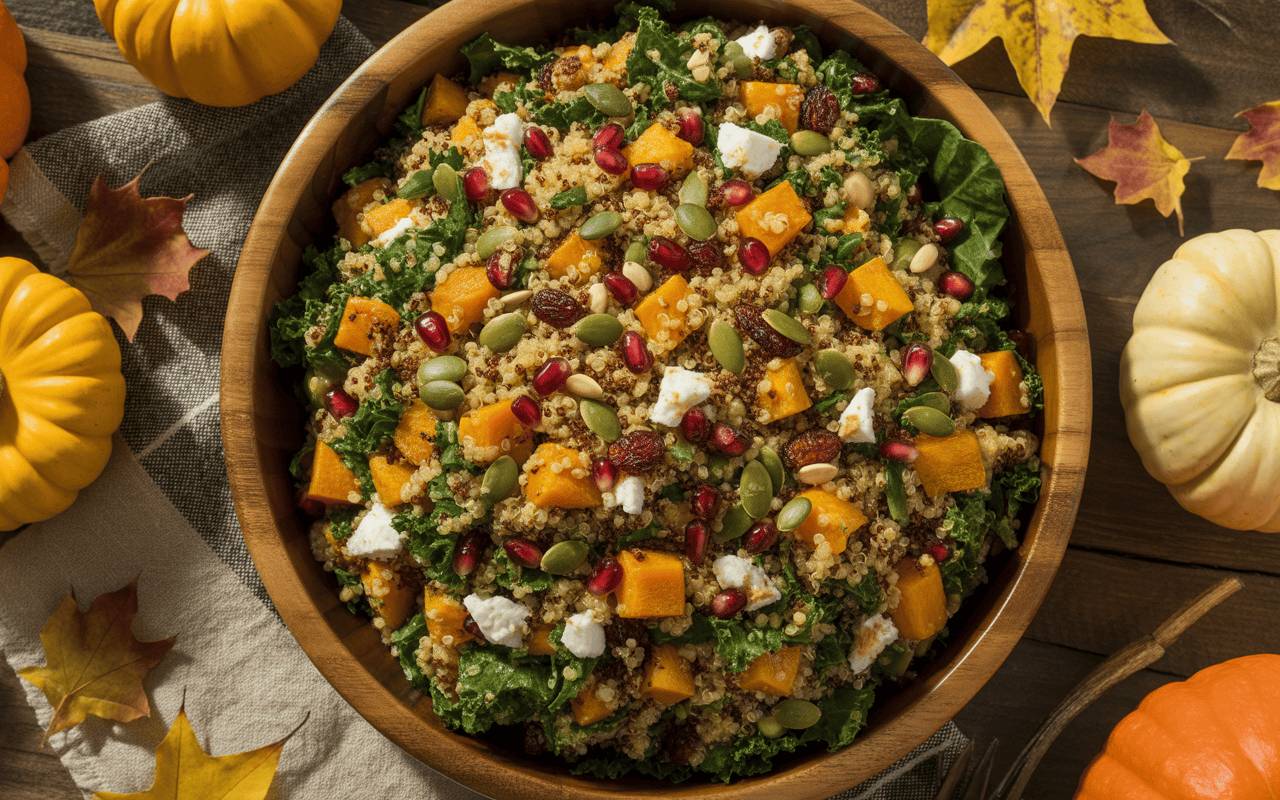
When autumn arrives in the Inland Empire, the changing seasons bring more than cooler weather—they offer an opportunity to embrace preventive medicine through nutrition-focused eating patterns. At PromiseCare Medical Group, serving Hemet, Murrieta, Temecula, and surrounding communities, our physicians understand that food serves as foundational medicine for preventing chronic disease and promoting optimal health outcomes.
The Harvest Quinoa & Kale Salad represents far more than a trending recipe—it embodies evidence-based nutritional principles that support cardiovascular health, diabetes management, weight control, and cancer prevention. This comprehensive guide explores why PromiseCare Medical Group doctors recommend incorporating this nutrient-dense combination into your meal planning strategy.
Understanding the Medical Importance of Plant-Based Nutrition
Dr. Michael Curley, a board-certified family medicine physician with over 37 years of experience at PromiseCare Medical Group, specializes in geriatric medicine and preventive care. He emphasizes that the foundation of chronic disease prevention begins with daily nutritional choices.
“The patients I see who maintain the best health outcomes over decades consistently prioritize whole food nutrition,” explains Dr. Curley. “A salad combining quinoa and kale with autumn harvest vegetables provides concentrated nutrition that supports every major body system—from cardiovascular function to immune response to metabolic regulation.”
Why Physicians Recommend Quinoa as a Complete Protein Source
Quinoa (pronounced “KEEN-wah”) stands apart from other grains because it qualifies as a complete protein, containing all nine essential amino acids that the human body cannot synthesize independently. This nutritional profile makes quinoa particularly valuable for patients following plant-based diets or those seeking to reduce animal protein intake for cardiovascular health reasons.
Essential amino acids—including lysine, leucine, tryptophan, methionine, and others—serve as protein building blocks necessary for muscle maintenance, tissue repair, immune function, neurotransmitter production, and enzyme synthesis. While most plant proteins lack one or more essential amino acids, quinoa provides the full spectrum in balanced proportions.
One cup of cooked quinoa delivers approximately 8 grams of complete protein alongside 5 grams of dietary fiber, supporting both satiety mechanisms and digestive health. The protein biological value of quinoa reaches 73%, comparable to beef at 74%, while offering zero cholesterol and minimal saturated fat.
Dr. Curley notes specific patient populations who benefit most from incorporating quinoa into meal patterns: “I recommend quinoa particularly for my geriatric patients concerned about maintaining muscle mass, women focused on bone health during menopause, and individuals managing diabetes who need stable blood sugar regulation throughout the day.”
The Cardiovascular Benefits of Kale: A Cardiologist’s Perspective
While PromiseCare Medical Group includes cardiology specialists like Dr. Ratan Tiwari, who practices in Hemet, family medicine physicians across the organization emphasize cardiovascular disease prevention through nutrition long before patients require specialized cardiac intervention.
Kale belongs to the cruciferous vegetable family (Brassicaceae), alongside broccoli, Brussels sprouts, cabbage, and cauliflower. These vegetables contain unique sulfur-containing compounds called glucosinolates that demonstrate remarkable protective effects against cardiovascular disease and cancer development.
Nutritional Profile Supporting Heart Health
A single cup of raw kale provides:
- 206% of daily vitamin A requirement (as beta-carotene)
- 134% of daily vitamin C requirement
- 684% of daily vitamin K requirement
- Significant amounts of calcium, potassium, magnesium, and iron
- Powerful antioxidants including quercetin and kaempferol
- Omega-3 fatty acids (alpha-linolenic acid)
Dr. Bridget Briggs, a family practice physician with PromiseCare Medical Group, explains how these nutrients work synergistically: “The potassium in kale helps regulate blood pressure by counterbalancing sodium intake. The fiber content supports healthy cholesterol levels by binding bile acids in the digestive tract. Meanwhile, vitamin K plays essential roles in both blood clotting regulation and arterial health by preventing calcium deposits in blood vessel walls.”
Research published in cardiovascular medicine journals demonstrates that regular consumption of cruciferous vegetables like kale significantly improves coronary artery risk factors, reduces systemic inflammation, and supports endothelial function—the health of blood vessel linings critical for preventing atherosclerosis.
Assembling the Perfect Harvest Quinoa & Kale Salad
The beauty of a harvest salad lies in combining nutrient-dense ingredients that arrive at peak freshness during autumn months. This seasonal approach not only maximizes flavor but also concentrates nutritional compounds when vegetables reach optimal maturity.
Base Components: Quinoa and Kale Preparation
Quinoa Cooking Method:
- Rinse one cup of dry quinoa thoroughly in a fine-mesh strainer for at least 30 seconds to remove natural saponins (bitter-tasting compounds that serve as pest deterrents)
- Combine rinsed quinoa with 2 cups water or low-sodium vegetable broth in a medium saucepan
- Bring to a rolling boil over high heat, then reduce to low heat and cover
- Simmer for 15 minutes until liquid absorbs completely
- Remove from heat and allow to rest covered for 10 minutes
- Fluff with a fork, observing the characteristic white “tail” (the nutritious germ)
- Spread on a large plate to cool before adding to salad
Kale Preparation Technique:
Dr. Sylvia Gisi, a family practice physician with PromiseCare Medical Group practicing in Temecula, teaches patients an essential technique for making raw kale enjoyable:
“Most people who claim they dislike kale have never experienced properly massaged kale. The massage process breaks down the tough cell structure, making kale tender and reducing its bitter compounds. This simple technique transforms kale from an intimidating health food into a delicious salad base.”
Massaging Kale Instructions:
- Remove tough stems from 6-8 cups of curly or lacinato kale leaves
- Tear or chop leaves into bite-sized ribbons
- Place in a large bowl and drizzle with 1 tablespoon olive oil and juice from one lemon
- Using clean hands, massage the kale for 2-3 minutes, squeezing and working the leaves until they darken, wilt slightly, and reduce in volume by about one-third
- Allow the massaged kale to rest while preparing other ingredients
Autumn Harvest Vegetables: Maximizing Nutritional Diversity
The hallmark of an authentic harvest salad involves incorporating seasonal autumn vegetables that complement quinoa and kale while expanding the nutritional profile across multiple micronutrient categories.
Roasted Butternut Squash:
Butternut squash provides exceptional amounts of vitamin A (as beta-carotene), vitamin C, potassium, and fiber. The rich orange color signals high carotenoid content—antioxidant compounds that protect cells from oxidative damage and support immune function.
Dr. William Cherry, a family practice physician with PromiseCare Medical Group, points out the metabolic benefits: “The complex carbohydrates in butternut squash digest slowly, providing sustained energy without blood sugar spikes. This makes it particularly valuable for patients managing diabetes or insulin resistance. The natural sweetness also satisfies cravings without added sugars.”
Preparation: Cube butternut squash into 1-inch pieces, toss with olive oil, salt, black pepper, and Italian seasoning (oregano, basil, thyme). Roast at 425°F for 20-25 minutes until tender and slightly caramelized.
Roasted Sweet Potatoes:
Sweet potatoes deliver concentrated beta-carotene alongside vitamin C, manganese, vitamin B6, and potassium. Their natural sweetness pairs beautifully with the earthy flavors of kale and quinoa while providing complex carbohydrates that support stable blood glucose levels.
Preparation: Cut sweet potatoes into 3/4-inch cubes, toss with avocado oil, cinnamon, and sea salt. Roast at 425°F for 20-25 minutes, stirring halfway through cooking.
Raw Brussels Sprouts:
Shredded raw Brussels sprouts add remarkable crunch and provide additional glucosinolates that support liver detoxification pathways and demonstrate anti-cancer properties in epidemiological research.
Preparation: Trim ends and thinly slice Brussels sprouts crosswise into delicate ribbons using a sharp knife or mandoline.
Honeycrisp Apples:
Fresh apple slices contribute vitamin C, dietary fiber (particularly pectin), and polyphenol antioxidants. The crisp texture and sweet-tart flavor create pleasant contrast against the savory vegetables.
Dr. Edivina Gonzales, an internal medicine specialist with PromiseCare Medical Group, emphasizes the digestive benefits: “The pectin fiber in apples serves as a prebiotic, feeding beneficial gut bacteria that produce short-chain fatty acids critical for intestinal health and immune regulation. The polyphenols in apple skin also demonstrate anti-inflammatory effects throughout the gastrointestinal tract.”
Preparation: Core and dice Honeycrisp or Granny Smith apples into 1/2-inch pieces. Toss with lemon juice immediately to prevent oxidative browning.
Protein-Rich Additions: Nuts and Seeds
Pecans and Walnuts:
Tree nuts provide heart-healthy monounsaturated and polyunsaturated fats, including omega-3 alpha-linolenic acid in walnuts. Both varieties deliver vitamin E, magnesium, and zinc while contributing satisfying crunch and rich, buttery flavor.
Research published by the American Heart Association demonstrates that consuming 1.5 ounces of tree nuts daily reduces cardiovascular disease risk by approximately 20-30% through multiple mechanisms: improving lipid profiles, reducing inflammation, supporting endothelial function, and providing beneficial phytosterols.
Candied Pecans (Healthier Version):
- Combine 1 cup raw pecans with 2 tablespoons maple syrup, 1/2 teaspoon cinnamon, and pinch of cayenne pepper
- Spread on parchment-lined baking sheet
- Roast at 325°F for 12-15 minutes, stirring once
- Sprinkle with sea salt immediately after removing from oven
- Allow to cool completely before adding to salad
Pumpkin Seeds (Pepitas):
Pumpkin seeds deliver impressive amounts of magnesium, zinc, iron, and plant-based protein. The magnesium content particularly supports cardiovascular health, blood pressure regulation, and insulin sensitivity.
“I specifically recommend pumpkin seeds for male patients concerned about prostate health,” notes Dr. Curley. “The zinc and phytosterol content may support prostate function, while the omega-3 fatty acids help reduce inflammation throughout the body.”
Preparation: Toast raw pepitas in a dry skillet over medium heat for 3-4 minutes until fragrant and lightly golden. Season with sea salt.
Antioxidant Superstars: Pomegranate and Cranberries
Pomegranate Arils:
The jewel-like seeds (arils) of pomegranate fruit provide powerful polyphenol antioxidants, particularly punicalagins and anthocyanins. These compounds demonstrate remarkable cardiovascular protective effects, including improving blood flow, reducing blood pressure, and protecting LDL cholesterol from oxidation.
Research in cardiology journals shows that regular pomegranate consumption reduces markers of arterial stiffness and improves endothelial function in patients with existing cardiovascular disease.
Dried Cranberries (Unsweetened or Lightly Sweetened):
Cranberries contain unique proanthocyanidins that prevent bacterial adhesion in the urinary tract. Dr. Gisi frequently recommends cranberries for patients with recurrent urinary tract infections: “The protective compounds in cranberries create an inhospitable environment for pathogenic bacteria, reducing infection frequency when consumed regularly.”
Choose cranberries sweetened with apple juice rather than refined sugar, or opt for frozen fresh cranberries when available.
Cheese Components: Feta and Goat Cheese Options
Feta Cheese:
Authentic feta cheese provides high-quality protein, calcium, phosphorus, and B vitamins. As a fermented dairy product, feta contains beneficial probiotics that support digestive health and immune function.
The calcium content supports bone mineral density—particularly important for postmenopausal women at increased osteoporosis risk. Feta also delivers vitamin B12, essential for nerve function and red blood cell formation.
Goat Cheese:
Goat cheese offers similar nutritional benefits to feta while containing different protein structures that some patients with cow’s milk sensitivities tolerate better. The tangy, creamy texture complements the hearty grains and vegetables in harvest salad.
Dr. Cherry advises: “For patients concerned about saturated fat intake, using modest amounts of flavorful cheese like feta or goat cheese allows you to enjoy dairy’s nutritional benefits—calcium, protein, B vitamins—while keeping total fat and calories reasonable. A little goes a long way when the cheese has distinctive flavor.”
Creating the Perfect Harvest Salad Dressing
The dressing transforms individual salad components into a cohesive, flavorful dish while contributing its own nutritional benefits. Two classic options work beautifully with Harvest Quinoa & Kale Salad:
Apple Cider Vinaigrette
Ingredients:
- 1/4 cup apple cider vinegar
- 1/3 cup extra virgin olive oil
- 2 tablespoons pure maple syrup
- 1 tablespoon Dijon mustard
- 1 small shallot, minced (approximately 2 tablespoons)
- 1/4 teaspoon sea salt
- 1/8 teaspoon black pepper
- Optional: 1/2 teaspoon fresh thyme leaves
Preparation:
Combine all ingredients in a jar with tight-fitting lid. Shake vigorously for 30 seconds until emulsified. Alternatively, whisk ingredients together in a small bowl. Taste and adjust sweetness, acidity, or salt to preference.
Nutritional Benefits:
Apple cider vinegar contains acetic acid, which research suggests may improve insulin sensitivity, reduce post-meal blood sugar spikes, and support weight management efforts. The polyphenol content provides additional antioxidant benefits.
Extra virgin olive oil delivers monounsaturated oleic acid, the foundation of Mediterranean diet benefits. This heart-healthy fat reduces inflammation, improves cholesterol ratios (increasing HDL while decreasing LDL), and enhances absorption of fat-soluble vitamins (A, D, E, K) from the salad vegetables.
Dr. Briggs emphasizes: “I counsel patients to view high-quality fats like olive oil as medicine, not something to fear. The right fats support hormone production, brain function, nutrient absorption, and cardiovascular health. The key is choosing unprocessed sources and using appropriate portions.”
Maple Balsamic Dressing
Ingredients:
- 1/4 cup aged balsamic vinegar
- 1/3 cup extra virgin olive oil
- 2 tablespoons pure maple syrup
- 1 tablespoon Dijon mustard
- 1 clove garlic, minced
- 1/4 teaspoon sea salt
- 1/8 teaspoon black pepper
Preparation:
Whisk ingredients together in a small bowl until smooth and emulsified, or shake in a jar with lid.
Nutritional Benefits:
Aged balsamic vinegar provides polyphenol antioxidants and may support digestive enzyme function. The dark color indicates concentrated antioxidant compounds that protect cells from oxidative damage.
Maple syrup offers minerals including manganese, zinc, and potassium along with polyphenol antioxidants. While still a concentrated sugar source requiring moderation, pure maple syrup contains more micronutrients than refined sugars or high-fructose corn syrup.
Complete Harvest Quinoa & Kale Salad Recipe
Ingredients (Serves 6-8)
Base:
- 1 cup dry quinoa (red, white, or tricolor)
- 6-8 cups kale leaves, stems removed, torn into bite-sized pieces
- 1 tablespoon olive oil (for massaging kale)
- Juice of 1 lemon (for massaging kale)
Roasted Vegetables:
- 3 cups butternut squash, cubed (about 1 small squash)
- 2 cups sweet potato, cubed (about 1 large sweet potato)
- 2 tablespoons olive oil
- 1 teaspoon Italian seasoning
- 1/2 teaspoon cinnamon
- Sea salt and black pepper to taste
Fresh Components:
- 2 cups Brussels sprouts, thinly sliced
- 2 Honeycrisp apples, cored and diced
- 1 cup pomegranate arils
- 1/2 cup dried cranberries (unsweetened or lightly sweetened)
Nuts and Seeds:
- 1 cup raw pecans or walnuts
- 1/2 cup raw pumpkin seeds (pepitas)
- 2 tablespoons maple syrup (for candying nuts)
- 1/2 teaspoon cinnamon
- Pinch of cayenne pepper
Cheese:
- 4 ounces crumbled feta or goat cheese
Dressing:
- 1 batch Apple Cider Vinaigrette or Maple Balsamic Dressing (see recipes above)
Instructions
Step 1: Prepare Quinoa
- Rinse quinoa thoroughly under cold water for 30 seconds
- Combine with 2 cups water in saucepan, bring to boil
- Reduce heat to low, cover, simmer 15 minutes
- Remove from heat, let rest covered 10 minutes
- Fluff with fork and spread on plate to cool
Step 2: Roast Vegetables
- Preheat oven to 425°F
- Line two baking sheets with parchment paper
- Toss butternut squash with 1 tablespoon olive oil, Italian seasoning, salt, and pepper
- Toss sweet potato with 1 tablespoon olive oil, cinnamon, and salt
- Spread vegetables on separate baking sheets in single layers
- Roast 20-25 minutes until tender and slightly caramelized
- Allow to cool to room temperature
Step 3: Candy Pecans
- Reduce oven temperature to 325°F
- Toss pecans with maple syrup, cinnamon, and cayenne
- Spread on parchment-lined baking sheet
- Roast 12-15 minutes, stirring once
- Sprinkle with sea salt immediately after removing from oven
- Cool completely
Step 4: Toast Pumpkin Seeds
- Heat dry skillet over medium heat
- Add pumpkin seeds, toast 3-4 minutes until fragrant and lightly golden
- Season with sea salt
Step 5: Massage Kale
- Place torn kale in large bowl
- Drizzle with olive oil and lemon juice
- Massage with hands for 2-3 minutes until wilted and darkened
- Let rest while preparing other components
Step 6: Prepare Dressing
- Combine all dressing ingredients in jar with lid
- Shake vigorously until emulsified
- Set aside
Step 7: Assemble Salad
- Add cooled quinoa to massaged kale
- Add sliced Brussels sprouts
- Add diced apples (tossed with lemon juice)
- Pour about 2/3 of dressing over salad, toss well to coat
- Add roasted butternut squash and sweet potatoes
- Top with pomegranate arils, dried cranberries, candied pecans, toasted pepitas, and crumbled cheese
- Drizzle with remaining dressing or serve on the side
Medical Perspectives on Harvest Salad Benefits
Cardiovascular Disease Prevention
Dr. Ratan Tiwari’s cardiology practice at PromiseCare Medical Group focuses significantly on preventive interventions before patients require surgical or pharmaceutical treatments.
“The Mediterranean dietary pattern, which emphasizes vegetables, whole grains, legumes, nuts, olive oil, and moderate dairy, reduces cardiovascular disease risk by approximately 30% according to landmark clinical trials,” Dr. Tiwari notes. “A Harvest Quinoa & Kale Salad embodies these protective principles: abundant vegetables, whole grain quinoa, heart-healthy fats from olive oil and nuts, and modest cheese portions.”
The salad’s cardiovascular benefits operate through multiple mechanisms:
Blood Pressure Regulation:
The potassium-rich vegetables (kale, sweet potato, butternut squash) help counter sodium’s blood pressure-raising effects. The fiber content supports healthy blood pressure through improved vascular function.
Lipid Profile Improvement:
The soluble fiber from quinoa, vegetables, and fruits binds bile acids in the digestive tract, requiring the liver to pull cholesterol from circulation to produce new bile acids. This mechanism naturally lowers LDL cholesterol. The monounsaturated fats in olive oil and nuts improve HDL cholesterol while reducing triglycerides.
Inflammatory Reduction:
Chronic low-grade inflammation drives atherosclerosis development. The antioxidants throughout this salad—quercetin and kaempferol in kale, anthocyanins in pomegranate and cranberries, vitamin E in nuts—reduce inflammatory markers like C-reactive protein and interleukin-6.
Endothelial Function Support:
The endothelium (blood vessel lining) produces nitric oxide that keeps vessels relaxed and flexible. The nitrate content in leafy greens supports nitric oxide production, while antioxidants protect nitric oxide from degradation.
Diabetes Management and Blood Sugar Control
Dr. Iglal El-Henawi, a general practice physician with PromiseCare Medical Group, works extensively with patients managing type 2 diabetes and prediabetes in Hemet and surrounding communities.
“The glycemic impact of meals—how quickly they raise blood sugar—determines metabolic health outcomes over time,” explains Dr. El-Henawi. “Foods that cause rapid blood sugar spikes followed by crashes promote insulin resistance, weight gain, and diabetes progression. In contrast, meals that provide steady, sustained energy support metabolic health.”
The Harvest Quinoa & Kale Salad demonstrates excellent glycemic properties:
Low Glycemic Index:
Quinoa has a glycemic index of approximately 53, classified as low to medium. The abundant fiber throughout the salad further slows digestion and glucose absorption.
Protein and Fiber Synergy:
The combination of quinoa’s protein (8 grams per cup cooked) with the salad’s total fiber content (easily reaching 12-15 grams per serving) creates powerful satiety while stabilizing blood sugar response.
Magnesium Content:
Quinoa, pumpkin seeds, and leafy greens provide substantial magnesium—a mineral essential for insulin function. Many adults consume insufficient magnesium, contributing to insulin resistance. This salad helps address that deficiency.
Chromium Presence:
Broccoli family vegetables (including kale and Brussels sprouts) contain chromium, which enhances insulin sensitivity and supports glucose metabolism.
Dr. El-Henawi counsels patients: “I recommend portioning this salad as a complete meal—protein from quinoa and nuts, complex carbohydrates from vegetables, healthy fats from olive oil, and abundant fiber. This combination prevents blood sugar spikes better than typical grain-based meals while providing superior nutrition.”
Weight Management Support
Dr. Briggs addresses weight management with numerous patients at PromiseCare Medical Group’s practices throughout the Inland Empire. She emphasizes that sustainable weight control depends on nutrient density rather than calorie restriction.
“The concept of energy density—calories per gram of food—explains why some eating patterns support healthy weight while others promote weight gain,” Dr. Briggs explains. “High energy density foods pack many calories into small volumes, making it easy to overconsume calories before feeling full. Low energy density foods provide large volumes and satisfaction with fewer calories.”
The Harvest Quinoa & Kale Salad exemplifies low energy density principles:
Water and Fiber Content:
Vegetables contain 80-95% water along with substantial fiber, providing volume and weight with minimal calories. This triggers stretch receptors in the stomach that signal satiety to the brain.
Protein Satiety:
The 15-20 grams of protein per serving (from quinoa, nuts, seeds, and cheese) activates satiety hormones including peptide YY and GLP-1 while reducing ghrelin (the hunger hormone).
Nutrient Completeness:
Hunger often persists when the body lacks specific micronutrients despite adequate calories. This salad provides comprehensive nutrition—vitamins, minerals, antioxidants, fiber, protein, healthy fats—reducing nutritional hunger.
Slow Digestion:
The fiber and protein content slows gastric emptying, extending the period of fullness after eating. This prevents the rapid return of hunger that triggers snacking.
“A substantial serving of this harvest salad, approximately 3-4 cups, typically contains 350-450 calories while providing exceptional satisfaction for 3-4 hours,” notes Dr. Briggs. “Compare that to a sandwich or typical restaurant meal providing 600-900 calories with less nutritional value and shorter satiety duration.”
Cancer Prevention Through Phytonutrients
While individual foods cannot prevent or cure cancer, substantial epidemiological evidence links dietary patterns rich in vegetables, whole grains, and plant compounds with reduced cancer risk across multiple types.
Dr. Surendra Sharma, a general surgeon with PromiseCare Medical Group practicing in Hemet, encounters the devastating impacts of cancer regularly. He emphasizes prevention through lifestyle choices: “Surgery, chemotherapy, and radiation remain essential when cancer develops. However, the more powerful intervention occurs years earlier through dietary choices that influence whether cancer develops at all.”
The Harvest Quinoa & Kale Salad contains numerous compounds demonstrating anti-cancer properties:
Glucosinolates in Cruciferous Vegetables:
When kale and Brussels sprouts are chewed or chopped, glucosinolates break down into isothiocyanates—compounds that stimulate detoxification enzymes in the liver, reduce DNA damage, and inhibit cancer cell proliferation. The most studied isothiocyanate, sulforaphane, demonstrates particular potency against colon, breast, and prostate cancer cells in laboratory studies.
Quercetin and Kaempferol:
These flavonoid antioxidants abundant in kale protect cellular DNA from oxidative damage that can initiate cancer development. They also demonstrate anti-proliferative effects against existing cancer cells.
Carotenoids:
The orange pigments in butternut squash and sweet potatoes (beta-carotene, alpha-carotene, beta-cryptoxanthin) function as antioxidants while supporting immune surveillance—the process by which the immune system identifies and destroys abnormal cells before they become cancerous.
Fiber and Colon Cancer:
Dietary fiber reduces colon cancer risk through multiple mechanisms: speeding transit time through the digestive tract, diluting potential carcinogens, and feeding beneficial gut bacteria that produce butyrate (a short-chain fatty acid that promotes colon cell health).
Polyphenols:
The pomegranate arils, cranberries, and apple skins contribute diverse polyphenol antioxidants—ellagic acid, anthocyanins, quercetin—that reduce inflammation and oxidative stress, two fundamental drivers of cancer initiation and progression.
Dr. Sharma emphasizes realistic expectations: “No single meal prevents cancer. However, the cumulative effects of nutrient-dense eating patterns over decades—consuming 7-10 servings of vegetables and fruits daily, emphasizing whole grains and plant proteins, including nuts and olive oil—reduces cancer risk by an estimated 20-40% depending on cancer type. That represents a more significant impact than most pharmaceutical interventions.”
Meal Prep Strategies for Harvest Quinoa & Kale Salad
For busy families and working professionals in Hemet, Murrieta, Temecula, and surrounding Inland Empire communities, meal preparation represents a critical barrier to healthy eating. Dr. Cherry often asks patients: “Are you failing to eat nutritious meals because you don’t know what to cook, or because you don’t have time to cook?”
Most patients acknowledge time constraints as the primary obstacle. Meal prep strategies resolve this barrier by frontloading food preparation during weekend hours, creating ready-to-eat healthy meals throughout the busy workweek.
Sunday Meal Prep Approach
2-Hour Sunday Preparation:
- Cook Quinoa (20 minutes active, 30 minutes total):
- Triple the recipe, cooking 3 cups dry quinoa in 6 cups water
- Store cooked, cooled quinoa in airtight container in refrigerator (keeps 5-6 days)
- Roast Vegetables (15 minutes active, 30 minutes cooking):
- Prepare double or triple batch of butternut squash and sweet potato
- Store separately in airtight containers (keeps 4-5 days)
- Add to individual salad portions throughout the week
- Massage Kale (15 minutes):
- Prepare entire bunch or bag of kale using massage technique
- Store in large container with paper towel to absorb excess moisture (keeps 3-4 days)
- Massaged kale actually stores better than raw kale as the cell breakdown reduces spoilage
- Prepare Nuts and Seeds (20 minutes):
- Candy double batch of pecans or walnuts
- Toast double batch of pumpkin seeds
- Store separately in airtight containers at room temperature (keeps 2 weeks)
- Make Dressing (5 minutes):
- Prepare double batch of chosen vinaigrette
- Store in glass jar in refrigerator (keeps 7-10 days)
- Shake well before each use to re-emulsify
- Slice Fresh Vegetables (15 minutes):
- Shred Brussels sprouts (store in airtight container, keeps 3-4 days)
- Dice apples, toss with lemon juice (prepare daily for best quality, or store 1-2 days)
Daily Assembly (5 minutes):
Each morning or evening, assemble one salad portion in a large container:
- 1-1.5 cups massaged kale
- 3/4 cup cooked quinoa
- 1/2 cup shredded Brussels sprouts
- 1/2 cup roasted butternut squash
- 1/2 cup roasted sweet potato
- 1/2 cup diced apple
- 2 tablespoons pomegranate arils
- 2 tablespoons dried cranberries
- 2-3 tablespoons candied nuts
- 1 tablespoon toasted pumpkin seeds
- 2 tablespoons crumbled feta or goat cheese
- 3-4 tablespoons dressing (or pack separately)
Mason Jar Salad Method
For portable lunches, layering salad components in wide-mouth quart mason jars prevents sogginess while creating visually appealing presentations:
Layer Order (bottom to top):
- Dressing (3-4 tablespoons)
- Cooked quinoa (3/4 cup) – creates barrier between dressing and greens
- Roasted butternut squash and sweet potato
- Shredded Brussels sprouts
- Diced apple
- Pomegranate arils and dried cranberries
- Massaged kale (fill to top)
- Nuts, seeds, and cheese (pack separately in small container or sprinkle on top)
When ready to eat, shake the jar to distribute dressing, then pour contents into a bowl or eat directly from the jar.
Nutritional Analysis: Complete Meal in One Bowl
Dr. Gonzales emphasizes the importance of balanced macronutrient distribution for metabolic health: “The standard American diet typically overemphasizes refined carbohydrates and processed foods while underdelivering protein, fiber, and micronutrients. This imbalance drives insulin resistance, inflammation, and chronic disease.”
A typical serving of Harvest Quinoa & Kale Salad (approximately 3-4 cups) provides:
Macronutrients
- Calories: 380-450
- Protein: 15-20 grams (13-18% of calories)
- Carbohydrates: 50-60 grams (53-63% of calories)
- Fiber: 12-16 grams
- Fat: 15-20 grams (36-40% of calories)
- Monounsaturated: 8-10 grams
- Polyunsaturated: 4-6 grams
- Saturated: 3-4 grams
Key Micronutrients (Percentage of Daily Values)
- Vitamin A: 400-500% (as beta-carotene)
- Vitamin C: 200-250%
- Vitamin K: 800-1000%
- Folate: 40-50%
- Vitamin B6: 30-40%
- Thiamin (B1): 25-30%
- Riboflavin (B2): 20-25%
- Iron: 30-40%
- Magnesium: 40-50%
- Potassium: 30-35%
- Calcium: 25-30%
- Zinc: 15-20%
- Manganese: 60-80%
Beneficial Compounds
- Omega-3 fatty acids: 0.5-1.0 grams
- Quercetin: Significant amounts from kale and apples
- Kaempferol: Abundant in kale
- Beta-carotene: Extremely high from kale, squash, sweet potato
- Lutein and zeaxanthin: Rich sources in kale
- Glucosinolates: Substantial amounts from kale and Brussels sprouts
- Anthocyanins: Present in pomegranate and cranberries
- Vitamin E: Notable amounts from nuts and seeds
“This nutritional profile demonstrates why I consider harvest salads a foundational component of preventive medicine,” explains Dr. Gonzales. “You receive complete protein, complex carbohydrates with low glycemic impact, heart-healthy fats, exceptional fiber, and micronutrient density that surpasses typical meals by an order of magnitude—all in a single, delicious dish.”
Seasonal Variations Throughout the Year
While the autumn harvest version represents the classic preparation, adapting the salad to seasonal produce availability maintains nutrient density and flavor appeal year-round.
Spring Harvest Salad (March-May)
Replace autumn vegetables with spring produce:
- Asparagus: Roasted or blanched, chopped into 1-inch pieces
- Snap peas: Raw, sliced diagonally
- Radishes: Thinly sliced for peppery crunch
- Strawberries: Sliced fresh strawberries replace pomegranate
- Fresh peas: Blanched English peas add sweetness
- Herbs: Fresh mint, basil, or dill
Summer Harvest Salad (June-August)
Incorporate peak summer vegetables:
- Cherry tomatoes: Halved for bursts of acidity
- Cucumber: Diced English cucumber for refreshing crunch
- Corn: Roasted fresh corn kernels
- Bell peppers: Diced red, yellow, or orange peppers
- Peaches or nectarines: Sliced stone fruit for sweetness
- Berries: Fresh blueberries or blackberries
- Herbs: Fresh basil, cilantro, or parsley
Winter Harvest Salad (December-February)
Focus on hearty winter vegetables:
- Roasted beets: Cubed and roasted until tender
- Roasted carrots: Cut into coins, roasted with cumin
- Kale or Swiss chard: Continue using winter greens
- Citrus segments: Orange or grapefruit segments
- Pomegranate: Available through winter months
- Dried fruits: Figs or apricots replace fresh fruit
- Warming spices: Add cinnamon, cardamom, or nutmeg to roasted vegetables
Dr. Curley encourages seasonal eating: “Locally grown, in-season produce reaches peak nutrient density because it’s harvested at optimal maturity rather than being picked early for long-distance shipping. Farmers’ markets in Hemet, Temecula, and Murrieta offer exceptional seasonal variety throughout the year. Building relationships with local farmers encourages dietary diversity while supporting regional agriculture.”
Addressing Common Concerns and Questions
“Isn’t This Salad Too High in Carbohydrates for Diabetes Management?”
Dr. El-Henawi addresses this frequent concern: “We must distinguish between refined carbohydrates—white bread, white rice, sugar-sweetened beverages—and complex carbohydrates from whole food sources. The carbohydrates in this salad come packaged with fiber, protein, vitamins, minerals, and phytonutrients that dramatically alter their metabolic impact.”
The glycemic load (which accounts for portion size) of a complete Harvest Quinoa & Kale Salad remains moderate despite containing 50-60 grams of carbohydrates because:
- High fiber content slows glucose absorption
- Protein from quinoa and nuts delays gastric emptying
- Fat from olive oil and nuts further moderates blood sugar response
- The carbohydrates distribute across multiple sources rather than concentrating in one ingredient
“I routinely monitor continuous glucose monitors on my diabetes patients,” Dr. El-Henawi continues. “Those eating meals like this harvest salad typically see blood sugar peaks of 130-150 mg/dL followed by gradual declines. In contrast, pasta meals, sandwiches, or restaurant dishes often spike blood sugar to 180-220 mg/dL with subsequent crashes that trigger renewed hunger.”
“Can I Prepare This Salad if I’m Sensitive to Raw Kale?”
Absolutely. Several modifications accommodate individual digestive sensitivities:
- Blanch the kale: Boil water, add kale for 60 seconds, drain and rinse with cold water, squeeze out excess liquid, then chop
- Sauté the kale: Cook kale in olive oil with garlic until wilted (2-3 minutes)
- Use baby kale or spinach: Younger leaves have more tender cell structures
- Massage more thoroughly: Extended massage (4-5 minutes) breaks down more fiber
- Remove stems completely: Stems contain more tough fiber than leaves
Dr. Gisi adds: “Some patients experience bloating or gas from raw cruciferous vegetables because these plants contain complex sugars called raffinose and certain fibers that gut bacteria ferment. Light cooking breaks down these components while preserving most nutrients. I encourage patients to find their individual tolerance level—some thrive on raw vegetables, others do better with cooked preparations. Both provide excellent nutrition.”
“Won’t the Fat Content from Nuts, Seeds, and Olive Oil Promote Weight Gain?”
This question reflects outdated nutritional thinking that demonized all dietary fats. Dr. Briggs explains current evidence:
“Research over the past two decades conclusively demonstrates that fat quality matters far more than fat quantity for weight management and metabolic health. The PREDIMED trial—a landmark study involving over 7,400 participants—showed that people eating Mediterranean diets high in olive oil and nuts lost more weight and reduced cardiovascular disease risk more than those on low-fat diets.”
The 15-20 grams of fat in this salad predominantly come from:
- Monounsaturated fats (olive oil, nuts): Support HDL cholesterol, reduce inflammation
- Polyunsaturated fats (walnuts, pumpkin seeds): Include omega-3 fatty acids essential for brain and heart health
- Saturated fat (small amounts from cheese): Provides satiety and flavor in modest quantities
“These fats enhance satisfaction, support hormone production, enable vitamin absorption, and provide sustained energy,” Dr. Briggs notes. “The patients in my practice who successfully maintain healthy weight long-term include appropriate amounts of high-quality fats in every meal. Those attempting very low-fat diets typically struggle with persistent hunger, poor compliance, and eventual weight regain.”
“How Do I Make This Salad More Budget-Friendly?”
Healthcare providers at PromiseCare Medical Group recognize that financial constraints significantly impact dietary choices for many families in the Inland Empire region. Dr. Cherry offers practical suggestions:
Cost-Saving Strategies:
- Buy seasonal produce: Butternut squash, sweet potatoes, and kale cost significantly less during autumn peak season. Purchase extra to freeze roasted vegetables.
- Purchase quinoa in bulk: Warehouse stores sell quinoa at much lower per-pound prices. Store in airtight containers in cool, dark locations.
- Skip pre-washed kale: Whole kale bunches cost 50-70% less than pre-washed packaged kale. The washing and stem removal takes only 5 minutes.
- Use frozen Brussels sprouts: Frozen Brussels sprouts work perfectly and cost less than fresh. Thaw, drain, and slice as usual.
- Substitute pecans with more affordable nuts: While pecans provide excellent nutrition, walnuts or even sunflower seeds offer similar benefits at lower cost.
- Omit pomegranate arils: These beautiful seeds add color and antioxidants but represent one of the pricier ingredients. Substitute with diced apples or extra dried cranberries.
- Make your own dried cranberries: Purchase fresh cranberries during autumn (when they’re abundant and cheap), halve them, toss with a small amount of maple syrup, and dry in a low oven (200°F for 3-4 hours).
- Use less cheese: Reduce cheese to 1-2 tablespoons per serving rather than 2-3 tablespoons. The salad remains delicious with less, and this dramatically reduces cost per serving.
“The base components—quinoa, kale, sweet potatoes, and butternut squash—represent the most affordable ingredients,” Dr. Cherry emphasizes. “Even a simplified version without nuts, cheese, or pomegranate provides exceptional nutrition. I encourage patients to start with what they can afford and gradually expand the recipe as budget allows.”
Integrating Harvest Salads into Family Meal Planning
Dr. Curley, who has worked with multiple generations of families throughout his 37 years at PromiseCare Medical Group, understands that family dynamics significantly influence dietary patterns.
“The most powerful nutrition intervention isn’t teaching individuals about healthy eating—it’s transforming entire family food cultures,” Dr. Curley explains. “When parents model and prioritize nutritious eating, children develop lifelong patterns that protect them from obesity, diabetes, cardiovascular disease, and many cancers. The investment in family meals pays health dividends for decades.”
Strategies for Getting Children to Accept Harvest Salad
- Involve kids in preparation: Children who participate in cooking show greater willingness to taste new foods. Assign age-appropriate tasks: young children can tear kale leaves and rinse quinoa; older children can chop vegetables with appropriate supervision.
- Create a “harvest bar” format: Set out all salad components in separate bowls, allowing each family member to build their own bowl with preferred ingredients. This gives children control and choice, increasing acceptance.
- Start with sweeter components: Children naturally prefer sweet flavors. Begin by offering the sweet potato, butternut squash, apples, and dried cranberries with just a small amount of kale. Gradually increase the kale proportion over multiple exposures.
- Make it a sensory experience: Describe the colors (“Look at all these rainbow colors on your plate!”), textures (“Crunchy nuts and pecans, soft sweet potatoes”), and flavors (“Sweet apples, tangy cranberries”) to increase engagement.
- Offer consistently without pressure: Research shows children may need 10-15 exposures to a new food before accepting it. Continue offering harvest salad regularly without forcing consumption.
- Focus on fun names: “Power salad,” “Superhero bowl,” or “Rainbow harvest plate” make the meal more appealing than “healthy salad.”
- Lead by enthusiastic example: Children mimic parent behaviors. Expressing genuine enjoyment (“Mmm, this is so delicious!”) while eating your salad influences children far more effectively than lecturing about nutrition.
Harvest Salad as Family Meal Tradition
Dr. Curley suggests establishing harvest salad as a weekly family tradition: “Many of my most health-conscious patients tell me they prepare a large harvest salad every Sunday evening. It serves as Sunday dinner for the whole family, with leftovers portioned for lunches throughout the week. This tradition accomplishes multiple goals—regular vegetable intake, family time around food preparation, establishing healthy habits, and efficient meal planning.”
The Role of Preventive Medicine in Chronic Disease Management
The physicians at PromiseCare Medical Group represent the Inland Empire’s longest-serving Independent Physician Association network precisely because they’ve consistently prioritized preventive medicine alongside acute care and chronic disease management.
“Healthcare in America often focuses on treating diseases after they develop rather than preventing them from occurring,” notes Dr. Briggs. “While we have remarkable pharmaceutical and surgical interventions for diabetes, hypertension, heart disease, and many cancers, the more effective approach involves lifestyle modifications that prevent these conditions from developing at all.”
The Economics of Prevention
Healthcare cost analysis demonstrates that preventive nutrition interventions deliver exceptional return on investment:
- Diabetes Prevention: Every dollar spent on evidence-based diabetes prevention programs (which emphasize dietary changes and moderate physical activity) saves an estimated $3.30 in future medical costs by delaying or preventing diabetes development.
- Cardiovascular Disease: Mediterranean dietary patterns reduce cardiovascular events by approximately 30%. Given that cardiovascular disease accounts for roughly $350 billion in annual U.S. healthcare spending, even modest population-wide dietary improvements could save tens of billions annually.
- Cancer Prevention: The American Institute for Cancer Research estimates that approximately 30-50% of cancer cases are preventable through diet, maintaining healthy weight, and physical activity. Given cancer’s enormous financial and human costs, these prevention opportunities represent critical public health priorities.
Dr. Sharma emphasizes: “As a surgeon, I spend my days treating diseases that often could have been prevented years earlier through better dietary and lifestyle choices. I’m grateful we have effective treatments, but I’m also acutely aware that prevention through nutrition, physical activity, and healthy weight maintenance represents far better medicine than anything I can do in an operating room.”
Making Harvest Salad a Sustainable Lifestyle Pattern
The ultimate value of Harvest Quinoa & Kale Salad extends beyond a single meal or even regular weekly consumption—it represents an entry point into broader patterns of nutrition-focused wellness that support lifelong health.
Dr. Gonzales shares her perspective: “I counsel patients that sustainable dietary change rarely results from dramatic restrictions or rigid meal plans. Instead, lasting change emerges from discovering nutritious foods you genuinely enjoy, learning simple preparation methods, and establishing flexible patterns that accommodate real life—busy schedules, family preferences, budget constraints, and social occasions.”
Progressive Dietary Evolution
Rather than attempting overnight transformation, Dr. Gonzales recommends gradual progression:
Month 1: Introduction
- Try Harvest Quinoa & Kale Salad once per week
- Experiment with different ingredient combinations
- Practice meal prep techniques
- Discover which flavor profiles appeal most
Month 2: Expansion
- Increase to 2-3 times weekly
- Explore seasonal variations
- Introduce family members using strategies outlined earlier
- Build confidence in ingredient substitutions
Month 3: Integration
- Establish harvest salad as regular meal rotation component
- Expand to other grain-and-vegetable bowl combinations
- Apply lessons learned (meal prep, flavor building, nutrient density) to other meals
- Begin noticing health benefits: improved energy, better digestion, more stable hunger patterns
Month 4 and Beyond: Lifestyle
- Nutrition-dense bowls and salads become natural meal choices
- Continue discovering new combinations and seasonal ingredients
- Share recipes with friends and family
- Experience measurable health improvements: better blood work, lower blood pressure, weight management
Conclusion: Food as Medicine at PromiseCare Medical Group
The Harvest Quinoa & Kale Salad represents far more than a trendy recipe or temporary dietary experiment. It embodies fundamental principles of preventive medicine that the physicians at PromiseCare Medical Group champion throughout the Inland Empire region.
“Every interaction with food represents an opportunity—to nourish your body with compounds that protect against disease, to establish patterns that support optimal health, and to invest in your future wellbeing,” reflects Dr. Curley. “Forty years ago when I began practicing medicine, we understood less about nutrition’s profound influence on health outcomes. Today, the evidence is overwhelming: what you eat represents one of the most powerful determinants of whether you’ll experience chronic disease or maintain vibrant health into advanced age.”
For residents of Hemet, Murrieta, Temecula, and surrounding communities, PromiseCare Medical Group’s network of over 60 primary care physicians and 400 specialists stands ready to support your journey toward optimal health. This journey begins with foundational choices—like embracing nutrient-dense eating patterns exemplified by Harvest Quinoa & Kale Salad—and continues with comprehensive preventive care, early intervention when health concerns arise, and coordinated management of chronic conditions.
Schedule an appointment with a PromiseCare Medical Group physician today to discuss how nutrition-based preventive medicine can support your individual health goals. Whether you’re managing diabetes, concerned about cardiovascular disease, seeking to maintain healthy weight, or simply want to optimize wellness as you age, our physicians provide personalized guidance rooted in medical evidence and genuine care for your long-term wellbeing.
Contact PromiseCare Medical Group:
Corporate Office: 1545 W. Florida Ave., Hemet, CA 92543
Phone: (951) 791-1111
Website: https://promisecare.com
This article provides educational information only and does not constitute medical advice. Individual health conditions vary, and nutrition recommendations should be personalized through consultation with your healthcare provider. Patients taking blood thinners should consult their physician before substantially increasing vitamin K intake from leafy greens.