
Introduction: Ancient Spanish Wisdom Meets Modern Preventive Medicine
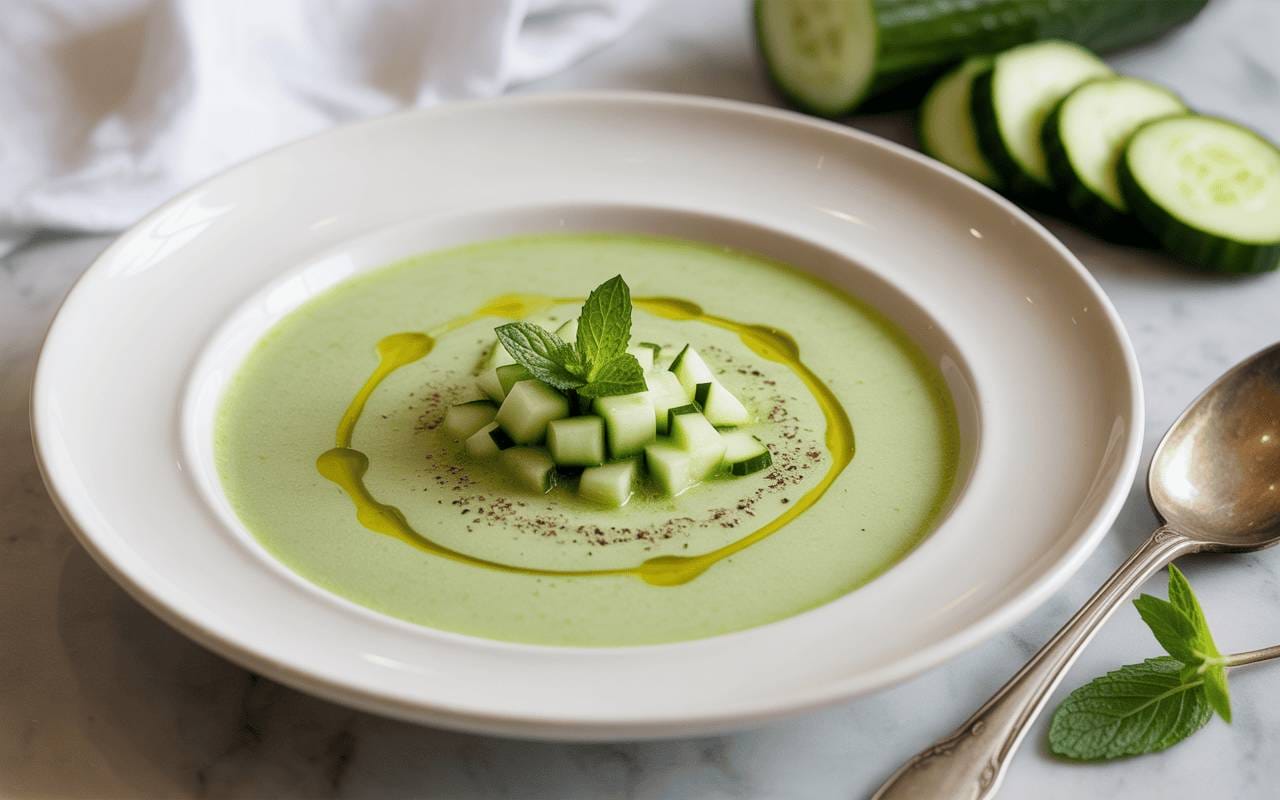
When summer temperatures soar in California’s Inland Empire, our bodies need more than just refreshing relief—they need strategic nutrition that supports cardiovascular health, maintains healthy blood pressure, and prevents chronic disease. Cold cucumber gazpacho, the emerald-hued soup from Spain’s Andalusia region, delivers exactly that blend of hydration and preventive medicine that physicians at PromiseCare Medical Group recommend for their patients.
“We’re seeing remarkable results when patients incorporate Mediterranean diet principles into their daily nutrition,” explains Dr. Michael Curley, M.D., a board-certified Family Medicine physician with over 37 years of experience serving the Hemet, Murrieta, and Temecula communities through PromiseCare Medical Group. “Cold cucumber gazpacho represents what I call ‘food as medicine’—a dish that naturally supports multiple body systems while tasting absolutely delicious.”
Unlike traditional gazpacho made with tomatoes, cold cucumber gazpacho spotlights the humble cucumber as its nutritional powerhouse. This chilled soup delivers more than 96% water content alongside essential vitamins and minerals including vitamin K, vitamin C, potassium, and magnesium—creating what Dr. Curley describes as “nature’s electrolyte drink with bonus antioxidants.”
For residents throughout the Inland Empire managing conditions like hypertension, type 2 diabetes, or cardiovascular concerns, this Spanish cold soup offers a practical pathway to better health through whole foods nutrition rather than processed alternatives.
The Mediterranean Diet Connection: Why Cardiologists Recommend Gazpacho
Dr. Ratan Tiwari, M.D., a cardiologist practicing with PromiseCare Medical Group in Hemet, frequently discusses nutrition’s role in heart health with his patients. “The Mediterranean diet isn’t just another eating plan—it’s backed by decades of research showing 30% reduction in cardiovascular disease risk,” Dr. Tiwari explains. “Cold cucumber gazpacho exemplifies the anti-inflammatory, nutrient-dense approach that protects blood vessels and supports healthy cholesterol management.”
The PREDIMED Study and Cold Soup Benefits
The landmark PREDIMED trial (Prevención con Dieta Mediterránea) involving nearly 7,500 patients demonstrated how Mediterranean eating patterns rich in extra virgin olive oil, vegetables, and plant-based nutrition significantly reduced heart attack and stroke risk. While that study focused on Spanish populations, Johns Hopkins researchers found similar 80% reduction in early death risk when Americans adopted Mediterranean-style eating combined with regular physical activity.
Cold cucumber gazpacho fits perfectly within this evidence-based nutritional framework by delivering:
Cardiovascular Protection Through Multiple Mechanisms:
- Potassium-rich hydration that helps regulate blood pressure by counteracting sodium’s effects on blood vessels
- Monounsaturated fats from extra virgin olive oil that maintain healthy HDL cholesterol while reducing LDL cholesterol
- Polyphenol antioxidants that combat oxidative stress and free radical damage to arterial walls
- Anti-inflammatory compounds including lignans that reduce chronic inflammation linked to heart disease
- Magnesium content supporting healthy blood pressure regulation and preventing arterial stiffness
“When I review dietary patterns with patients managing hypertension or elevated cholesterol, I emphasize foods that work with your body’s natural processes,” Dr. Tiwari notes. “Cold cucumber gazpacho provides minerals like potassium and magnesium that relax blood vessels naturally—it’s pharmacology through nutrition.”
Nutritional Profile: What Makes Cold Cucumber Gazpacho a Superfood
A single serving of cold cucumber gazpacho (approximately one cup) typically contains:
Macronutrients:
- 45-75 calories (depending on preparation method)
- 2-4 grams protein
- 5-8 grams carbohydrates
- 3-6 grams healthy fats (primarily from olive oil)
- 2-3 grams dietary fiber
Micronutrients and Bioactive Compounds:
- Vitamin K: 62% of daily recommended intake—essential for blood clotting and bone health
- Vitamin C: 14% of daily intake—supports immune function and collagen production
- Potassium: 300-400mg—crucial for cardiovascular health and fluid balance
- Magnesium: 12% of daily intake—supports metabolism and nerve function
- Calcium: Contributes to bone mineral density and osteoporosis prevention
- B vitamins (B1, B5, B6, B7): Support nervous system health and energy metabolism
- Antioxidants: Including beta-carotene, flavonoids, and cucurbitacins
- Electrolytes: Naturally occurring minerals that prevent dehydration
The Hydration Advantage
Dr. Sylvia A. Gisi, M.D., a Family Practice physician with PromiseCare Medical Group in Temecula, emphasizes hydration’s critical role in overall wellness. “Most Americans walk around chronically dehydrated without realizing it affects everything from joint pain to cognitive function to kidney health,” Dr. Gisi explains. “Cold cucumber gazpacho gives patients a flavorful way to increase fluid intake while simultaneously delivering nutrients that processed beverages lack.”
Cucumbers contain approximately 95-96% water, making them among nature’s most hydrating vegetables. When blended into gazpacho with yogurt or additional plant-based liquids, the soup becomes what nutritionists call a “complete hydration system”—providing both water and the electrolytes (potassium, magnesium, sodium) that help your cells actually retain and utilize that water effectively.
This matters especially for:
- Seniors managing medication side effects that increase dehydration risk
- Athletes and active individuals needing electrolyte replenishment without sugary sports drinks
- People with kidney concerns requiring adequate fluid intake for proper renal function
- Anyone experiencing hot weather where increased perspiration depletes both water and minerals
Blood Sugar Management: A Diabetes-Friendly Summer Soup
Dr. Edivina Gonzales, M.D., an Internal Medicine physician with PromiseCare Medical Group, regularly counsels patients on nutrition’s powerful role in managing type 2 diabetes and metabolic syndrome. “Cold cucumber gazpacho represents an ideal meal component for patients monitoring blood glucose,” Dr. Gonzales notes. “The combination of fiber, water content, and low glycemic load means this soup won’t spike blood sugar while still providing satisfying nutrition.”
Understanding Gazpacho’s Glycemic Benefits
The glycemic index (GI) measures how quickly foods raise blood sugar levels. Cucumbers have an exceptionally low glycemic index—below 15 on the 0-100 scale—meaning they cause minimal blood glucose elevation. When combined with protein from yogurt and healthy fats from olive oil, cold cucumber gazpacho becomes what’s called a “balanced glycemic meal”:
Blood Sugar Stabilizing Components:
- High water and fiber content that slows digestion and glucose absorption
- Protein from yogurt that further moderates blood sugar response
- Healthy fats from olive oil that delay gastric emptying and extend satiety
- Low overall carbohydrate content (5-8g per serving) compared to traditional soup options
- Absence of added sugars found in many commercial soups and beverages
Research published in the Iranian Journal of Basic Medical Sciences demonstrated that cucumber seed extract improved insulin sensitivity in diabetic rats, while human studies suggest the bioactive compounds in cucumbers—particularly cucurbitacins—may enhance the body’s glucose metabolism.
“For my patients with prediabetes or type 2 diabetes, I recommend foods that keep blood sugar stable throughout the day,” Dr. Gonzales explains. “Cold cucumber gazpacho as an appetizer or light meal accomplishes this while introducing more vegetables into eating patterns that often lack sufficient produce.”
Metabolic Syndrome and Preventive Nutrition
Metabolic syndrome—a cluster of conditions including elevated blood pressure, high blood sugar, excess abdominal fat, and abnormal cholesterol levels—affects millions of Americans and significantly increases cardiovascular disease risk. The Mediterranean diet approach exemplified by cold cucumber gazpacho addresses all metabolic syndrome components simultaneously through nutrient-dense, anti-inflammatory whole foods.
Weight Management Through Strategic Satiety
Dr. Bridget Briggs, M.D., a Family Practice physician with PromiseCare Medical Group serving the Wildomar area, discusses the challenge many patients face trying to lose weight while feeling constantly hungry. “Energy density is the secret most people don’t understand,” Dr. Briggs explains. “Foods with low energy density—meaning lots of volume but few calories—let you eat satisfying portions without overconsumption. Cold cucumber gazpacho fits that profile perfectly.”
The Science of Satiety and Volume Eating
One cup of cold cucumber gazpacho provides substantial volume (approximately 240ml of food) while containing only 45-75 calories—dramatically less than the 300-400 calories in a typical cup of creamy soup or restaurant appetizer. This concept, called “volumetrics,” leverages foods’ physical properties to trigger satiety signals without caloric excess.
Research published in Nutrients examining food energy density and weight changes found that people consuming more low-energy-density foods experienced easier weight loss and better long-term weight maintenance. The mechanisms include:
Physiological Satiety Triggers:
- Gastric distension: Physical stomach stretching that signals fullness to the brain
- Fiber content: Soluble and insoluble fiber that slows digestion and prolongs satiety
- Protein presence: Yogurt’s protein content that reduces hunger hormones like ghrelin
- Fat inclusion: Olive oil’s healthy fats that delay gastric emptying
- High water content: Volume without caloric load
“When I work with patients on sustainable weight management, we focus on addition rather than restriction,” Dr. Briggs notes. “Adding nutrient-dense foods like cold cucumber gazpacho naturally crowds out less healthy options while keeping you satisfied.”
Comparison to Traditional Summer Foods
Consider the caloric difference between common summer foods and cold cucumber gazpacho:
- Cold cucumber gazpacho (1 cup): 45-75 calories
- Ice cream (1 cup): 280-400 calories
- Potato chips (1 cup): 320 calories
- Creamy restaurant soup (1 cup): 300-450 calories
- Sweetened iced beverage (1 cup): 120-200 calories
By choosing gazpacho as an appetizer, snack, or light meal, you consume substantially fewer calories while receiving more vitamins, minerals, and beneficial plant compounds than processed alternatives provide.
Bone Health and Osteoporosis Prevention
Dr. William H. Cherry, M.D., a Family Practice physician with PromiseCare Medical Group, emphasizes the often-overlooked connection between dietary choices and bone mineral density. “Patients don’t usually think about soup affecting their bones, but vitamin K—abundant in cold cucumber gazpacho—plays a critical role in calcium metabolism and bone formation,” Dr. Cherry explains.
Vitamin K’s Skeletal Benefits
One unpeeled cucumber contains approximately 62% of the recommended daily vitamin K intake. This fat-soluble vitamin activates proteins that bind calcium to bone matrix, literally helping your skeleton retain the calcium you consume. Research demonstrates that adequate vitamin K intake:
- Reduces hip fracture risk by up to 30% in older adults
- Improves bone mineral density measurements
- Supports osteocalcin production (a protein essential for bone strength)
- Works synergistically with calcium and vitamin D for optimal skeletal health
- May slow age-related bone loss particularly in postmenopausal women
“We see a lot of patients, especially women approaching or past menopause, concerned about osteoporosis,” Dr. Cherry notes. “While calcium and vitamin D supplementation gets the most attention, vitamin K deserves equal consideration. Cold cucumber gazpacho provides vitamin K in a bioavailable form your body can readily use.”
Magnesium and Calcium in Bone Formation
Beyond vitamin K, cold cucumber gazpacho delivers magnesium and calcium—two minerals working in concert for bone health. Magnesium activates vitamin D (which in turn facilitates calcium absorption), while also directly contributing to bone crystal formation. The calcium in yogurt-based gazpacho recipes provides additional skeletal support.
This nutritional synergy exemplifies why whole foods outperform isolated supplements: nutrients work better together than separately, creating what nutritionists call “food matrix effects” where combinations enhance individual components’ benefits.
Inflammation Reduction and Chronic Disease Prevention
Dr. Iglal El-Henawi, M.D., a General Practice physician with PromiseCare Medical Group in Hemet, regularly discusses inflammation’s role in chronic disease development with patients. “Inflammation is like a slow-burning fire inside your body,” Dr. El-Henawi explains. “While acute inflammation helps healing, chronic inflammation drives conditions from arthritis to heart disease to certain cancers. Anti-inflammatory nutrition—the Mediterranean diet approach including cold cucumber gazpacho—helps extinguish that fire.”
Understanding Inflammation’s Disease Connection
Chronic low-grade inflammation, measurable through blood markers like C-reactive protein (CRP) and interleukin-6 (IL-6), has been implicated in:
- Cardiovascular disease: Inflammatory damage to arterial walls promotes plaque formation
- Type 2 diabetes: Inflammation interferes with insulin signaling
- Alzheimer’s disease: Neuroinflammation contributes to cognitive decline
- Arthritis: Joint inflammation causes pain and degenerative changes
- Certain cancers: Inflammatory environments may promote tumor growth
- Metabolic syndrome: Inflammation links obesity to metabolic dysfunction
Gazpacho’s Anti-Inflammatory Arsenal
Cold cucumber gazpacho combats inflammation through multiple bioactive compounds:
Lignans: Plant compounds in cucumbers with steroid-like structures that reduce inflammatory signaling. Research in the Journal of Young Pharmacists demonstrated cucumber extract’s ability to suppress inflammatory markers.
Polyphenols: Found abundantly in extra virgin olive oil, these antioxidants inhibit the NF-κB inflammatory pathway. The PREDIMED trial showed that Mediterranean diet rich in EVOO reduced inflammatory markers in high-risk patients.
Flavonoids: Antioxidant compounds in cucumbers and herbs that neutralize free radicals before they trigger inflammatory responses.
Omega-3 influences: While cucumbers don’t contain omega-3 fatty acids, gazpacho recipes incorporating walnuts or flaxseed provide these potent anti-inflammatory fats.
Vitamin C: Acts as an antioxidant that reduces oxidative stress—a trigger for inflammatory processes.
“The research on anti-inflammatory eating patterns is compelling,” Dr. El-Henawi notes. “Patients who adopt Mediterranean-style nutrition including dishes like cold cucumber gazpacho often report feeling better—less joint pain, more energy, improved mental clarity—within weeks.”
Traditional Cold Cucumber Gazpacho Recipe
This authentic recipe features ingredients physicians at PromiseCare Medical Group recommend for optimal nutrition:
Ingredients (Serves 4)
Main Components:
- 3 large English cucumbers (approximately 36 ounces), roughly chopped
- 1 cup plain Greek yogurt (or plant-based alternative for dairy-free version)
- 3 tablespoons extra virgin olive oil
- 2 tablespoons fresh lemon juice or white wine vinegar
- 2 cloves garlic, minced
- ½ cup fresh mint leaves (or substitute with basil or cilantro)
- ½ teaspoon sea salt
- ¼ teaspoon ground cumin (optional, for depth)
- ¼ cup cold water (adjust for desired consistency)
Garnish Options:
- Diced cucumber
- Fresh herbs (mint, dill, parsley)
- Toasted pine nuts or almonds
- Crumbled feta cheese (optional)
- Drizzle of extra virgin olive oil
- Red pepper flakes for heat
Preparation Method
- Prepare cucumbers: Wash cucumbers thoroughly. For maximum fiber and nutrient content, leave skin partially on (peel in strips for visual appeal while retaining nutrition). Remove seeds if cucumbers are older or contain large seed pockets, as these can create bitterness.
- Blend base ingredients: In a high-powered blender or food processor, combine chopped cucumbers, Greek yogurt, olive oil, lemon juice, garlic, mint leaves, salt, and cumin. Blend on high speed for 60-90 seconds until completely smooth and creamy.
- Adjust consistency: Add cold water incrementally (1-2 tablespoons at a time) while blending until gazpacho reaches desired thickness. It should be pourable but not watery—similar to a smoothie consistency.
- Taste and adjust: Sample the gazpacho and adjust seasoning. Add more salt for depth, more lemon juice for brightness, or more garlic for pungency. The flavors will intensify during chilling.
- Chill thoroughly: Transfer gazpacho to an airtight container and refrigerate for minimum 2 hours, ideally 4-6 hours or overnight. This chilling period allows flavors to meld and develop complexity while ensuring proper serving temperature.
- Serve cold: Pour gazpacho into chilled bowls or glasses. Top with garnishes of choice—diced cucumber adds textural contrast, fresh herbs provide aromatic freshness, nuts contribute healthy fats and crunch.
Nutritional Enhancement Tips from PromiseCare Physicians
Dr. Curley suggests these modifications based on individual health needs:
For cardiovascular health emphasis: Add ½ avocado to the blend for additional monounsaturated fats and potassium. Use olive oil liberally—the PREDIMED study provided 4 tablespoons daily to participants.
For blood sugar management: Increase protein content by adding an extra ½ cup Greek yogurt or including a handful of raw almonds in the blend. Serve with a protein source like grilled fish or chicken.
For weight management: Prepare a large batch to use as a filling first course before lighter meals. The volume and water content help reduce overall calorie intake while maintaining satisfaction.
For bone health support: Ensure you’re using full-fat or 2% yogurt rather than fat-free, as fat-soluble vitamins like vitamin K absorb better with dietary fat present.
For maximum antioxidants: Include cucumber skins, which contain concentrated levels of vitamin C and beneficial compounds. Add fresh herbs generously—they’re nutritional powerhouses often overlooked.
Creative Gazpacho Variations for Diverse Nutritional Needs
Green Gazpacho with Avocado
For enhanced healthy fats and creaminess without dairy:
- 2 large cucumbers
- 1 ripe avocado
- 2 cups baby spinach or kale
- ¼ cup fresh cilantro
- 2 tablespoons lime juice
- 3 tablespoons extra virgin olive oil
- 1 jalapeño pepper (seeded for less heat)
- ½ cup cold water or vegetable broth
- Salt and pepper to taste
This version delivers additional fiber, folate, and vitamin E from spinach and avocado while remaining completely plant-based for vegan patients.
Mediterranean Gazpacho with Feta
For additional calcium and protein:
- Traditional cucumber gazpacho base
- ½ cup crumbled feta cheese blended in
- 2 tablespoons fresh dill
- 1 tablespoon lemon zest
- Garnish with Kalamata olives and tomatoes
The feta provides extra calcium and protein while adding tangy Mediterranean flavor profile.
Asian-Inspired Cucumber Gazpacho
For anti-inflammatory benefits with different flavor palette:
- 3 large cucumbers
- 1 tablespoon white miso paste
- 2 teaspoons fresh ginger, grated
- 2 tablespoons rice vinegar
- 1 tablespoon sesame oil
- ¼ cup fresh basil
- Garnish with toasted sesame seeds and scallions
Miso provides probiotics for digestive health, while ginger adds powerful anti-inflammatory compounds.
Serving Suggestions for Maximum Health Impact
Dr. Gisi recommends strategic meal planning with cold cucumber gazpacho:
As an Appetizer
Serve 1 cup of gazpacho before main meals to:
- Reduce overall calorie intake through increased satiety
- Deliver a serving of vegetables before other foods
- Hydrate before heavier dishes
- Provide fiber that slows digestion of subsequent courses
This approach, supported by research in Appetite journal, shows that starting meals with low-calorie, high-volume soups reduces total meal calorie consumption by 20-30%.
As a Light Lunch
Pair gazpacho with:
- Whole grain crackers or pita bread
- Grilled fish or chicken breast (3-4 ounces)
- Mixed green salad with olive oil dressing
- Fresh fruit for dessert
This combination provides balanced macronutrients (protein, healthy fats, complex carbohydrates) while emphasizing vegetables and whole foods.
As a Refreshing Snack
Keep gazpacho portioned in small containers (4-6 ounces) for:
- Post-workout rehydration with natural electrolytes
- Afternoon energy boost without caffeine or sugar
- Evening snack that won’t interfere with sleep
- Healthy alternative to processed beverages
As Part of Mediterranean-Style Dining
Embrace the Spanish tradition of gazpacho in tapas-style dining:
- Serve small portions (3-4 ounces) alongside various dishes
- Include other Mediterranean staples like hummus, olives, nuts
- Focus on social, leisurely eating rather than rushed meals
- Emphasize variety, quality ingredients, and mindful consumption
“Mediterranean eating isn’t just about the food—it’s about the entire experience,” Dr. Curley notes. “When you slow down, savor flavors, and eat with others, you naturally eat more appropriately and digest better. Cold cucumber gazpacho epitomizes this approach.”
Storage, Preparation, and Food Safety
Proper Storage Methods
Refrigeration: Store cold cucumber gazpacho in airtight glass or BPA-free plastic containers in refrigerator for up to 3-4 days. The high-water content means flavors will continue developing and intensifying over this period.
Freezing considerations: While technically possible to freeze gazpacho for up to 3 months, the texture may change upon thawing due to water content. If freezing, blend again after thawing to restore smooth consistency. Freeze in portioned containers (1-2 cup servings) for convenience.
Ingredient freshness: Use the freshest cucumbers possible—firm, bright green, without soft spots. Organic cucumbers allow you to leave more skin on for increased nutrient content without pesticide concerns.
Food Safety Guidelines
Dr. Gonzales emphasizes proper food handling for raw vegetable soups:
- Wash all produce thoroughly under running water, even if peeling
- Sanitize cutting boards and utensils before preparation
- Keep gazpacho refrigerated at 40°F or below—never leave at room temperature beyond 2 hours
- Use clean serving utensils each time to prevent bacterial contamination
- When in doubt, throw it out if gazpacho smells off, shows mold, or has been stored beyond 4 days
For immunocompromised patients, pregnant women, or those with heightened infection risk, consider using pasteurized yogurt and extra-careful produce washing protocols.
Addressing Common Concerns and Contraindications
Vitamin K and Blood-Thinning Medications
Dr. Cherry addresses a common patient concern: “If you’re taking warfarin (Coumadin) or similar blood thinners, you don’t need to avoid cold cucumber gazpacho, but you do need consistency. Vitamin K affects blood clotting, so sudden large increases in intake can interfere with medication effectiveness.”
Recommendation for anticoagulant users: Maintain steady vitamin K intake day-to-day rather than varying dramatically. If you enjoy gazpacho regularly, that’s fine—just don’t suddenly consume large amounts if it hasn’t been part of your typical diet. Always discuss dietary changes with your prescribing physician.
Digestive Concerns
Some individuals experience gas or bloating from raw cucumbers, particularly the seeds and skins. To minimize digestive discomfort:
- Peel cucumbers completely before blending
- Remove all seeds from cucumber centers
- Start with smaller portions (½ cup) and gradually increase as tolerance develops
- Consider adding fresh ginger (½ teaspoon) which aids digestion
- Ensure gazpacho is thoroughly blended to break down fiber structures
Potential Allergic Reactions
While rare, some people experience oral allergy syndrome with cucumbers, particularly those with ragweed pollen allergies. Symptoms include itching or tingling in the mouth and throat. If you’ve never consumed raw cucumber, try a small amount first before making a full gazpacho batch.
Considerations for Specific Health Conditions
Kidney disease: Patients with chronic kidney disease or those on dialysis should discuss potassium intake with their nephrologist. While cucumbers contain moderate potassium (approximately 150mg per cup), some kidney patients require careful monitoring of this mineral.
GERD/acid reflux: The acidity from lemon juice or vinegar may trigger symptoms in some individuals. Reduce acidic ingredients or substitute with less acidic options like lime juice.
Low sodium diets: Prepare gazpacho without added salt, relying on herbs, garlic, and lemon juice for flavor. Cucumbers are naturally very low in sodium (2mg per cup).
The Role of PromiseCare Medical Group in Preventive Health
PromiseCare Medical Group, the Inland Empire’s longest-serving Independent Physician Association, emphasizes preventive medicine through lifestyle modification. With over 60 primary care physicians and 400+ specialists serving communities from Hemet to Temecula, PromiseCare physicians like Drs. Curley, Tiwari, Briggs, Cherry, Gisi, Gonzales, and El-Henawi recognize that sustainable health improvements often begin with nutrition.
“We’re not just treating symptoms—we’re empowering patients to prevent disease before it develops,” Dr. Tiwari explains. “When patients understand how something as simple as cold cucumber gazpacho supports cardiovascular health, blood pressure regulation, and healthy weight management, they’re more likely to make it a regular part of their eating pattern.”
PromiseCare’s patient-centered approach includes:
- Comprehensive nutrition counseling addressing individual health conditions
- Coordination between primary care physicians and specialists for holistic care
- Support for Mediterranean diet adoption through practical meal planning
- Regular monitoring of health markers (blood pressure, cholesterol, blood sugar) to track improvement
- Access to registered dietitians for personalized nutrition guidance
“The Mediterranean diet research is clear—it works,” Dr. Curley emphasizes. “Cold cucumber gazpacho represents the accessible, delicious side of evidence-based nutrition. It’s not about deprivation or complicated meal plans. It’s about choosing whole foods that happen to taste great and support health simultaneously.”
Beyond Gazpacho: Building a Mediterranean-Style Eating Pattern
Cold cucumber gazpacho serves as an excellent introduction to Mediterranean eating, but sustained health benefits require broader dietary pattern changes. PromiseCare physicians recommend:
Daily Foundations
Vegetables and fruits: 7-10 servings daily, emphasizing variety and color
Whole grains: Brown rice, quinoa, whole wheat bread, oats instead of refined grains
Healthy fats: Extra virgin olive oil as primary cooking fat, nuts and seeds daily
Lean proteins: Fish 2-3 times weekly, poultry, legumes, limited red meat
Dairy: Low-fat options in moderation, or plant-based alternatives
Herbs and spices: Season generously to reduce sodium need
Weekly Structure
Fish-forward: At least two servings of fatty fish (salmon, sardines, mackerel) weekly for omega-3 fatty acids
Legume-rich: Beans, lentils, chickpeas 3-4 times weekly for fiber and plant protein
Nut consumption: 1 ounce (handful) daily for healthy fats, vitamin E, minerals
Egg inclusion: 3-7 eggs weekly as nutritious protein source
Foods to Minimize
Processed foods: Packaged snacks, frozen meals, fast food with added sugars, sodium, unhealthy fats
Red and processed meats: Limit to occasional consumption (1-2 times monthly)
Refined carbohydrates: White bread, sugary cereals, pastries lacking fiber and nutrients
Sweetened beverages: Sodas, sweetened teas, energy drinks providing empty calories
Practical Implementation: Making Gazpacho a Summer Staple
Dr. Briggs offers pragmatic advice for incorporating cold cucumber gazpacho into regular meal rotation:
Meal Prep Strategy
Sunday batch cooking: Prepare 2-3 batches (12-16 servings) of gazpacho varieties on Sunday afternoon. Store in portioned containers for grab-and-go convenience throughout the week.
Ingredient prep: Wash and chop cucumbers, herbs, and vegetables in advance. Store in airtight containers for 3-4 days, making weeknight gazpacho preparation take just 5 minutes.
Freezer ready: Make double batches and freeze half in portioned containers. While texture changes slightly, reblending after thawing mostly restores original consistency.
Family Integration
Kid-friendly versions: Reduce garlic and omit spicy ingredients. Serve in small cups as “green smoothie soup.” Add a drizzle of honey if needed to appeal to young palates initially.
Social entertaining: Serve gazpacho in small shot glasses or martini glasses as elegant appetizers at gatherings. Guests often don’t realize they’re consuming a full serving of vegetables.
Cultural exploration: Use gazpacho as an opportunity to discuss Spanish culture, geography, and traditional eating patterns with children—food education that builds lifelong healthy habits.
Budget Considerations
Cold cucumber gazpacho proves remarkably economical:
- Cucumbers: $1-3 per batch (especially when buying in season or growing yourself)
- Yogurt: $3-5 for container yielding 4-6 batches
- Olive oil: $10-15 for bottle lasting months
- Herbs: $2-3 per bunch (or grow on windowsill for pennies)
Total cost per serving: $0.50-$1.50 compared to $3-8 for restaurant soups or $4-6 for meal replacement shakes with inferior nutrition.
Frequently Asked Questions About Cold Cucumber Gazpacho
Can I make cold cucumber gazpacho without yogurt?
Absolutely. For dairy-free or vegan versions, substitute:
- Plant-based yogurt (coconut, almond, soy)
- Silken tofu for creaminess
- Additional avocado for richness
- Simply increase olive oil and omit dairy entirely for a lighter version
The probiotics in yogurt offer digestive benefits, but non-dairy versions still provide the hydration, vitamins, minerals, and antioxidants that make gazpacho nutritionally valuable.
How long does cold cucumber gazpacho stay fresh?
Properly stored in an airtight container at 40°F or below, gazpacho maintains quality for 3-4 days. Color may darken slightly due to oxidation, but this doesn’t indicate spoilage. If you notice any off odors, mold growth, or unusual texture, discard immediately.
Is cold cucumber gazpacho safe during pregnancy?
Yes, when prepared with food safety in mind. Dr. Curley notes: “Pregnant women should ensure all produce is thoroughly washed and use pasteurized yogurt. The hydration, vitamins, and minerals in gazpacho benefit both mother and developing baby. The vitamin K supports fetal bone development, while potassium helps manage pregnancy-related blood pressure changes.”
Can children eat cold cucumber gazpacho?
Absolutely—it’s an excellent way to introduce vegetables to children. The smooth, cold texture often appeals to kids who reject cooked vegetables. Start with mild versions without garlic or spicy ingredients, and consider adding a touch of sweetness if needed. Children as young as 6-8 months can try small amounts once they’re eating solid foods (consult your pediatrician about introducing new foods).
Does cold cucumber gazpacho help with summer heat and dehydration?
Significantly. With 95-96% water content plus natural electrolytes (potassium, magnesium, sodium), gazpacho provides superior hydration compared to plain water alone. The electrolytes help your body retain and utilize the water rather than simply passing it through. Dr. Gisi recommends gazpacho for patients experiencing heat exhaustion risk: “It rehydrates while providing minerals lost through perspiration—nature’s sports drink without added sugars or artificial ingredients.”
Can I lose weight eating cold cucumber gazpacho?
Cold cucumber gazpacho supports weight loss efforts through multiple mechanisms: low calorie density, high water and fiber content providing satiety, nutrient density that prevents deficiency-driven cravings, and meal replacement potential. However, Dr. Gonzales cautions: “No single food causes weight loss. Gazpacho works best as part of comprehensive lifestyle changes including overall dietary pattern improvement, regular physical activity, adequate sleep, and stress management.”
Is cold cucumber gazpacho appropriate for diabetics?
Yes, with proper meal planning. The low glycemic index, high water content, and moderate carbohydrate load make gazpacho an excellent choice for blood sugar management. Dr. Gonzales advises: “Diabetic patients should pair gazpacho with protein sources (grilled chicken, fish, eggs) or consume as part of balanced meals. Monitor blood glucose responses initially to understand individual tolerance.”
Can I use regular olive oil instead of extra virgin?
While you can use regular olive oil, extra virgin olive oil (EVOO) provides superior nutrition. The polyphenols, antioxidants, and anti-inflammatory compounds in EVOO—largely absent in refined olive oil—contribute significantly to Mediterranean diet’s cardiovascular benefits. Dr. Tiwari notes: “The PREDIMED study specifically used extra virgin olive oil. It’s worth the modest price difference for the proven health benefits.”
Conclusion: Embracing Food as Preventive Medicine
Cold cucumber gazpacho represents more than a refreshing summer soup—it embodies the Mediterranean diet principle that delicious, satisfying food can simultaneously prevent chronic disease and support optimal health. As physicians at PromiseCare Medical Group serving the Inland Empire emphasize, sustainable wellness doesn’t require complicated interventions or expensive supplements. Often, it begins with simple whole foods that humans have enjoyed for thousands of years.
“When I see patients making positive dietary changes—adding dishes like cold cucumber gazpacho to their regular rotation—I know we’re preventing heart attacks, strokes, and diabetes complications years down the road,” Dr. Curley reflects. “That’s the power of food as medicine. It’s not just about treating disease after it develops. It’s about never letting it develop in the first place.”
The health benefits of cold cucumber gazpacho extend across multiple body systems:
- Cardiovascular protection through potassium, magnesium, antioxidants, and anti-inflammatory compounds
- Blood pressure regulation naturally, without medication side effects
- Blood sugar management through low glycemic load and balanced macronutrients
- Weight management support via satiety, low calorie density, and nutrient richness
- Bone health maintenance through vitamin K, calcium, and magnesium
- Inflammation reduction addressing the root cause of chronic diseases
- Hydration optimization with water plus natural electrolytes
- Digestive wellness from fiber and probiotic potential in yogurt-based versions
For residents of Hemet, Murrieta, Temecula, and surrounding Inland Empire communities, PromiseCare Medical Group offers comprehensive support for dietary pattern improvements. Whether you’re managing existing cardiovascular conditions with Dr. Tiwari, addressing metabolic concerns with Dr. Gonzales, or pursuing preventive health with family physicians like Drs. Curley, Briggs, Cherry, Gisi, or El-Henawi, your healthcare team understands that nutrition forms the foundation of lasting wellness.
This summer, as temperatures rise and your body craves cooling relief, reach for cold cucumber gazpacho. Your heart, blood vessels, bones, and overall health will thank you for choosing preventive medicine that happens to taste extraordinary.
Take Action for Your Health
Ready to experience the health benefits of Mediterranean-style eating? Start with cold cucumber gazpacho this week. Then, schedule a visit with your PromiseCare Medical Group physician to discuss comprehensive nutrition strategies tailored to your individual health needs.
Contact PromiseCare Medical Group:
- Phone: (951) 390-2840
- Location: 1545 W. Florida Ave., Hemet, CA 92543
- Website: https://promisecare.com
Whether you’re seeking preventive care, managing chronic conditions, or simply wanting to optimize your health through nutrition, PromiseCare’s team of experienced physicians serves as your partner in wellness throughout the Inland Empire.
Remember: Every healthy meal is an investment in your future. Make cold cucumber gazpacho your delicious down payment on decades of vibrant health.
This content is for informational purposes only and should not replace professional medical advice. Individual nutritional needs vary based on health conditions, medications, and personal factors. Always consult with your physician or registered dietitian before making significant dietary changes, especially if you have existing health conditions or take medications.