
Expert nutrition guidance from PromiseCare Medical Group physicians
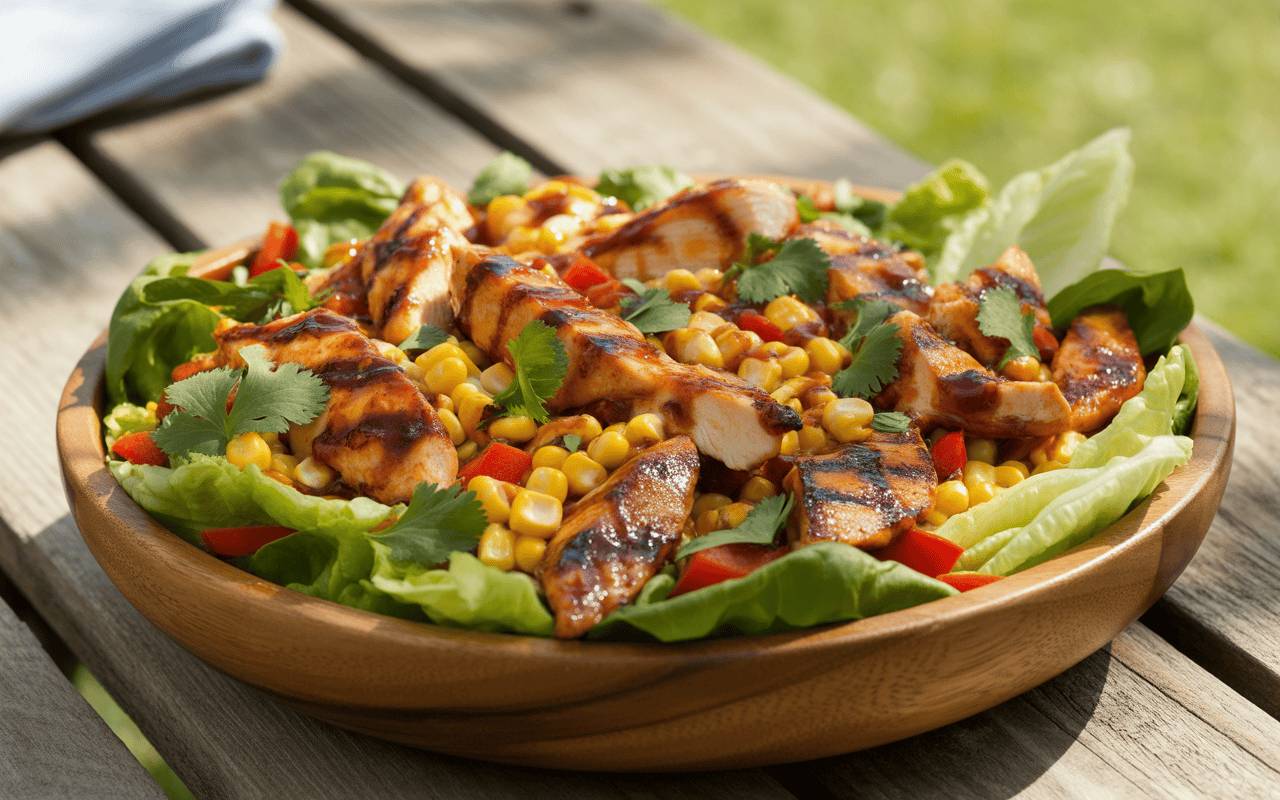
The sizzle of grilled chicken, the sweet crunch of fresh corn, and the smoky tang of barbecue sauce come together in one of summer’s most satisfying dishes. BBQ chicken corn salad isn’t just delicious—it’s a nutritional powerhouse that PromiseCare Medical Group physicians regularly recommend to patients seeking healthier eating patterns without sacrificing flavor.
This comprehensive guide explores why this colorful salad deserves a regular spot in your meal rotation, backed by medical expertise from the Inland Empire’s most trusted healthcare network. Whether you’re managing chronic conditions, pursuing weight management goals, or simply seeking preventive nutrition strategies, this recipe offers remarkable health benefits supported by current nutritional science.
Why PromiseCare Physicians Champion Protein-Rich Salads
Dr. Michael P. Curley, a board-certified family medicine physician with over 37 years of experience serving the Hemet, Murrieta, and Temecula communities through PromiseCare Medical Group, emphasizes the critical role of balanced nutrition in preventive care. “When patients ask me about sustainable dietary changes, I always direct them toward meals that combine lean protein with fiber-rich vegetables,” Dr. Curley explains. “BBQ chicken corn salad hits every nutritional marker we look for in preventive medicine.”
The primary care physicians at PromiseCare Medical Group—including specialists in internal medicine, family practice, and geriatric medicine across their network of 60+ doctors—consistently incorporate nutritional counseling into patient care plans. This approach aligns with current research demonstrating that food-based interventions significantly impact chronic disease management.
“Cardiovascular health begins on your plate,” notes a PromiseCare internal medicine specialist. “The combination of lean protein from chicken breast, dietary fiber from corn and black beans, and antioxidants from colorful vegetables creates a meal that actively supports heart health rather than undermining it.”
The Nutritional Profile: Breaking Down the Health Benefits
Lean Protein from Chicken Breast
Chicken breast stands as one of the most nutrient-dense protein sources available, delivering approximately 31 grams of high-quality protein per 100-gram serving. This complete protein contains all nine essential amino acids required for muscle growth, tissue repair, and metabolic function.
The protein content in chicken breast offers multiple health advantages:
Muscle Maintenance and Growth: As we age, maintaining muscle mass becomes increasingly critical for mobility, bone health, and metabolic function. The amino acids in chicken breast support muscle protein synthesis, helping preserve lean tissue even during calorie restriction for weight management.
Satiety and Appetite Control: High-protein meals trigger the release of satiety hormones, helping you feel fuller longer. Research published in the Journal of the American College of Nutrition demonstrates that protein-rich diets aid weight management by reducing overall calorie intake through improved appetite regulation.
Cardiovascular Protection: Unlike many red meats, chicken breast contains minimal saturated fat—typically less than 3 grams per serving when prepared without skin. This makes it an excellent choice for individuals managing cholesterol levels or following heart-healthy eating patterns recommended by PromiseCare cardiologists.
Blood Sugar Regulation: The lean protein in chicken breast has a negligible impact on blood glucose levels, making it ideal for diabetes management. PromiseCare physicians regularly recommend chicken-based meals to patients with Type 2 diabetes or those at risk for metabolic syndrome.
Corn: A Nutritional Powerhouse Often Underestimated
Sweet corn delivers far more than just satisfying crunch and natural sweetness. This versatile grain provides substantial nutritional benefits that support multiple body systems.
Dietary Fiber for Digestive Health: One cup of corn kernels contains approximately 3-4 grams of dietary fiber, including both soluble and insoluble varieties. The insoluble fiber acts as a prebiotic, feeding beneficial gut bacteria and promoting digestive health. This supports the gut microbiome—an area of increasing interest in preventive medicine.
Antioxidant Protection: Yellow corn is particularly rich in carotenoids, specifically lutein and zeaxanthin. These antioxidants accumulate in the retina, where they protect against oxidative damage from blue light exposure. Research suggests that adequate intake of these compounds may reduce the risk of age-related macular degeneration and cataracts—critical considerations as we age.
Essential Vitamins and Minerals: Corn provides meaningful amounts of several B vitamins, including thiamin (B1), niacin (B3), pantothenic acid (B5), and vitamin B6. These nutrients play vital roles in energy metabolism, red blood cell production, and nervous system function. The mineral content includes potassium for blood pressure regulation, phosphorus for bone health, and magnesium for hundreds of enzymatic reactions.
Blood Sugar Stability: Despite containing natural sugars, corn has a low to moderate glycemic index, meaning it releases glucose into the bloodstream gradually rather than causing rapid spikes. This characteristic makes corn acceptable for most diabetes management plans when consumed in appropriate portions.
Black Beans: Fiber and Plant-Based Protein
Adding black beans to BBQ chicken corn salad amplifies both the nutritional value and the satisfying quality of the dish. These legumes contribute additional protein (approximately 8 grams per half-cup serving) along with significant dietary fiber—about 7-8 grams per serving.
The soluble fiber in black beans forms a gel-like substance in the digestive tract, helping to slow glucose absorption and moderate blood sugar responses. This mechanism benefits anyone managing diabetes or pursuing weight management goals. Additionally, this same soluble fiber helps reduce LDL cholesterol levels, supporting cardiovascular health.
Black beans also provide substantial amounts of folate (vitamin B9), essential for DNA synthesis and red blood cell formation. Pregnant women particularly benefit from adequate folate intake, as it prevents neural tube defects in developing fetuses.
Vibrant Vegetables: Antioxidants and Micronutrients
The colorful vegetables typically included in BBQ chicken corn salad—bell peppers, tomatoes, red onion, and cilantro—contribute diverse phytochemicals and micronutrients that support immune function and chronic disease prevention.
Bell Peppers: Rich in vitamin C (one medium pepper provides more than 100% of the daily recommended intake), bell peppers support immune health, collagen synthesis, and iron absorption. They also contain vitamin A precursors important for eye health and immune function.
Tomatoes: These provide lycopene, a carotenoid antioxidant associated with reduced risk of certain cancers and cardiovascular disease. The vitamin C and potassium content further support heart health and blood pressure regulation.
Red Onion: Contains quercetin and other flavonoid antioxidants with anti-inflammatory properties. Some research suggests these compounds may help reduce blood pressure and support cardiovascular health.
Cilantro: Though used primarily for flavor, cilantro provides vitamin K for bone health and small amounts of vitamin C, potassium, and manganese.
Avocado: Heart-Healthy Fats
Many BBQ chicken corn salad recipes include avocado, which contributes monounsaturated fats—the same type found in olive oil and associated with numerous cardiovascular benefits. These healthy fats help the body absorb fat-soluble vitamins (A, D, E, and K) from other salad ingredients while providing satiety that helps with portion control at subsequent meals.
Avocados also supply potassium (more per serving than bananas), fiber, and folate, making them valuable additions from a preventive medicine perspective.
The Complete BBQ Chicken Corn Salad Recipe
Ingredients (Serves 4)
For the Salad:
- 1 pound boneless, skinless chicken breast
- 2 tablespoons olive oil
- Salt and fresh ground black pepper to taste
- 6 cups chopped romaine lettuce
- 2 cups fresh or frozen corn kernels (if using frozen, thaw and drain)
- 1 can (15 oz) black beans, drained and rinsed
- 1 cup cherry tomatoes, halved
- 1 bell pepper (any color), diced
- 1/2 red onion, thinly sliced
- 1 ripe avocado, cubed
- 1/4 cup fresh cilantro, chopped
- 1/4 cup cotija cheese or feta cheese, crumbled (optional)
For the BBQ Dressing:
- 1/2 cup BBQ sauce (choose a lower-sugar variety for better blood sugar control)
- 1/4 cup Greek yogurt (for added protein and creaminess)
- 1 tablespoon lime juice
- 1 clove garlic, minced
For the Optional Ranch Drizzle:
- 1/4 cup Greek yogurt
- 2 tablespoons light mayonnaise or additional Greek yogurt
- 1 tablespoon lime juice
- 1 teaspoon dried dill
- 1 teaspoon dried parsley
- 1/2 teaspoon garlic powder
- 1/4 teaspoon onion powder
- Salt and pepper to taste
- 1-2 tablespoons water or milk to thin
Preparation Instructions
Step 1: Prepare the Chicken
Season chicken breasts with olive oil, salt, and black pepper. Preheat your grill to medium-high heat (about 375-400°F) or heat a grill pan on the stovetop over medium-high heat.
Grill chicken for 6-7 minutes per side, or until the internal temperature reaches 165°F when measured with a meat thermometer. This ensures food safety while maintaining juiciness. Let the chicken rest for 5 minutes before slicing or cubing.
Alternative Cooking Methods:
- Baking: Place seasoned chicken in a 375°F oven for 25-30 minutes
- Slow Cooker: Cook on low for 3-4 hours with a small amount of chicken broth
- Rotisserie: Use store-bought rotisserie chicken for convenience (remove skin before serving)
Once cooked, toss the chicken pieces with 3-4 tablespoons of BBQ sauce to coat evenly.
Step 2: Prepare the Corn
For fresh corn: Cut kernels from 2-3 ears of corn. Heat 1 tablespoon of olive oil in a large skillet over medium-high heat. Add corn and cook for 4-5 minutes, stirring occasionally, until lightly charred and caramelized. This toasting process enhances the natural sweetness and adds complexity to the flavor profile.
For frozen corn: Thaw completely and drain excess moisture. You can serve it cold, or lightly sauté in a skillet for 2-3 minutes to warm through.
Step 3: Make the Dressings
Combine BBQ sauce, Greek yogurt, lime juice, and minced garlic in a small bowl. Whisk until smooth. This creates a lighter version of traditional BBQ dressing while adding protein from the yogurt.
For the optional ranch drizzle, combine all ranch ingredients in a separate bowl and whisk until smooth. Add water or milk gradually until you reach desired consistency.
Step 4: Assemble the Salad
In a large serving bowl or on individual plates, create a bed of chopped romaine lettuce. Arrange the BBQ chicken, toasted corn, black beans, cherry tomatoes, bell pepper, red onion, and avocado on top of the lettuce in separate sections for visual appeal, or toss everything together for a more casual presentation.
Drizzle the BBQ yogurt dressing over the salad. If using ranch, add a light drizzle on top. Garnish with fresh cilantro and crumbled cotija cheese if desired.
Step 5: Serve Immediately
This salad is best enjoyed fresh. If meal prepping, store components separately: keep dressing in small containers, store chicken and vegetables in separate containers, and add avocado just before serving to prevent browning.
Nutritional Analysis: What You’re Getting Per Serving
Based on the recipe above (without optional cheese and ranch dressing):
- Calories: Approximately 415-450 per serving
- Protein: 35-40 grams
- Carbohydrates: 40-45 grams
- Dietary Fiber: 10-12 grams
- Fat: 12-15 grams (primarily from avocado and olive oil)
- Saturated Fat: 2-3 grams
- Sodium: 400-500 mg (varies based on BBQ sauce selection)
- Sugars: 8-10 grams (mostly natural sugars from corn and vegetables)
This macronutrient profile delivers substantial protein for muscle maintenance and satiety, adequate healthy fats for nutrient absorption and satisfaction, and complex carbohydrates with high fiber content for sustained energy and digestive health.
Adapting the Recipe for Specific Health Goals
For Weight Management
PromiseCare physicians emphasize that successful weight management relies on creating sustainable eating patterns rather than restrictive diets. This salad naturally supports those goals:
- High Protein Content: The 35-40 grams of protein per serving promotes satiety, helping you feel satisfied for 3-4 hours after eating.
- High Fiber: The 10-12 grams of dietary fiber slows digestion and helps regulate appetite.
- Volume Eating: The large quantity of vegetables provides substantial portion size for relatively modest calorie content.
- Customizable Portions: Adjust serving sizes based on individual energy needs.
Modifications for Enhanced Weight Loss:
- Use 4-5 ounces of chicken breast instead of 6 ounces
- Reduce avocado to 1/4 of the fruit per serving
- Use salsa or pico de gallo instead of creamy dressing
- Increase the lettuce and vegetable proportions
- Skip the cheese or reduce to 1 tablespoon per serving
For Diabetes Management
The balanced macronutrient profile makes this salad appropriate for diabetes management when prepared with attention to portion sizes and ingredient selection.
Blood Sugar-Friendly Modifications:
- Choose a BBQ sauce with 6 grams or less of sugar per serving
- Measure corn portions carefully (1/2 cup per serving)
- Use light or sugar-free ranch dressing if desired
- Include healthy fats from avocado to slow glucose absorption
- Consider adding extra non-starchy vegetables (cucumber, celery, radishes)
“Patients with Type 2 diabetes often ask about carbohydrate-containing foods like corn,” explains a PromiseCare internal medicine physician. “When balanced with adequate protein and fiber, moderate amounts of corn fit well within a diabetes meal plan. The key is portion awareness and balanced plate composition.”
For Heart Health
The American Heart Association recommends eating patterns that emphasize lean proteins, whole grains, vegetables, and healthy fats—principles this salad naturally embodies.
Cardiovascular-Focused Modifications:
- Remove chicken skin if using rotisserie chicken
- Choose low-sodium BBQ sauce (less than 300mg per serving)
- Use extra virgin olive oil for cooking corn
- Reduce or eliminate cheese
- Add extra vegetables for potassium and fiber
- Consider adding walnuts or pumpkin seeds for omega-3 fatty acids
“Heart disease remains the leading cause of death in the United States,” notes a PromiseCare cardiologist. “The dietary patterns that protect cardiovascular health—high in plant foods, moderate in lean protein, low in saturated fat—are exactly what we see in dishes like this BBQ chicken corn salad.”
For Active Individuals and Athletes
The balanced macronutrient composition makes this salad valuable for physically active individuals who need adequate protein for muscle recovery and carbohydrates for glycogen replenishment.
Performance-Enhancing Modifications:
- Increase chicken portion to 6-8 ounces
- Add 1/2 cup cooked quinoa or brown rice
- Include 1/2 cup black beans per serving
- Add pumpkin seeds or sunflower seeds for additional protein and minerals
- Increase corn to 3/4 cup for extra carbohydrates
- Use full-fat Greek yogurt in dressings for additional calories
Meal Prep and Storage Strategies
One significant advantage of BBQ chicken corn salad is its meal prep friendliness—a quality that PromiseCare nutritionists emphasize when counseling patients about sustainable healthy eating.
Successful Meal Prep Approach
Sunday Preparation:
- Grill 2-3 pounds of chicken breast seasoned with salt, pepper, and olive oil
- Prepare 4-5 cups of toasted corn kernels
- Drain and rinse 2 cans of black beans
- Chop all vegetables (except avocado) and store in airtight containers
- Prepare dressings and store in small mason jars
Storage Guidelines:
- Grilled chicken: 3-4 days in refrigerator
- Toasted corn: 4-5 days in refrigerator
- Chopped vegetables: 3-4 days in refrigerator
- Black beans: 4-5 days in refrigerator
- Dressings: 5-7 days in refrigerator
- Assembled salad without dressing: 1-2 days in refrigerator
- Assembled salad with dressing: consume same day
Assembly for Lunch:
Divide romaine lettuce into 4-5 containers. Add measured portions of chicken, corn, black beans, and vegetables to each container. Pack dressing separately in small containers. Add fresh avocado just before eating.
This approach ensures you have nutritious lunches ready throughout the week without spending time cooking each day.
Frequently Asked Questions About BBQ Chicken Corn Salad
Can I use a different type of lettuce?
Yes, absolutely. While romaine provides excellent crunch and holds up well to dressings, you can substitute:
- Mixed spring greens for a more delicate texture
- Spinach for added iron and folate
- Arugula for a peppery flavor
- Kale (massaged with a bit of olive oil to soften)
- Cabbage for extra crunch and longer storage
Each green offers a slightly different nutritional profile, but all provide valuable vitamins, minerals, and fiber.
Is grilled chicken really healthier than fried?
From a nutritional standpoint, yes. Grilling, baking, or broiling chicken preserves its lean protein profile without adding significant fat or calories. Fried chicken typically absorbs considerable oil during cooking, dramatically increasing calorie and fat content.
A 4-ounce grilled chicken breast contains approximately 185 calories and 4 grams of fat. The same amount of fried chicken breast can contain 320-400 calories and 15-20 grams of fat, depending on the coating and frying method.
For patients managing weight, cholesterol, or cardiovascular conditions, PromiseCare physicians consistently recommend grilled, baked, or poached preparation methods.
Can this salad fit into a low-carb eating plan?
While not extremely low in carbohydrates, the recipe can be modified for lower-carb approaches:
Modifications:
- Reduce corn to 1/4 cup per serving
- Reduce or eliminate black beans
- Choose a sugar-free BBQ sauce
- Increase avocado for healthy fats
- Add extra non-starchy vegetables
- Include nuts or seeds for additional healthy fats
These adjustments reduce total carbohydrates to approximately 20-25 grams per serving while maintaining protein and fiber content.
What if I don’t like BBQ sauce?
BBQ sauce provides distinctive flavor, but isn’t essential. Alternative dressing options include:
- Lime-cumin vinaigrette
- Cilantro-lime dressing
- Chipotle ranch
- Avocado-lime crema
- Balsamic vinaigrette
- Lemon-herb dressing
The key is choosing a dressing that complements the grilled chicken and vegetables while fitting your taste preferences and dietary goals.
Can I make this salad vegetarian?
Yes, with protein substitutions:
- Replace chicken with grilled tofu or tempeh
- Use chickpeas or additional black beans
- Add hard-boiled eggs for protein
- Include quinoa for complete protein
- Add hemp seeds or pumpkin seeds
A well-planned vegetarian version can provide comparable protein and nutrients to the original recipe.
How does this compare nutritionally to restaurant salads?
Restaurant salads often contain more calories, sodium, and fat than expected. A typical restaurant-style BBQ chicken salad might contain:
- 800-1,200 calories
- 40-60 grams of fat
- 1,500-2,500 mg sodium
- Large amounts of added sugars in dressing
Making this salad at home allows complete control over portions, ingredient quality, and nutritional content—typically resulting in a meal that’s 400-600 calories lighter than restaurant versions.
Is frozen or fresh corn better nutritionally?
Both offer similar nutritional value. Frozen corn is picked and frozen at peak ripeness, preserving nutrient content effectively. Fresh corn offers superior texture and flavor when in season.
From a practical standpoint:
- Fresh corn: Use when in season (summer months) for best flavor and value
- Frozen corn: Convenient year-round option with consistent quality and long shelf life
- Canned corn: Acceptable option but typically contains more sodium; rinse thoroughly before use
Can I prepare this for a family gathering?
Absolutely. This recipe scales easily:
For 8-10 servings:
- 2-2.5 pounds chicken breast
- 12 cups romaine lettuce
- 4 cups corn
- 2 cans black beans
- Double all other vegetables and dressing ingredients
Present the components in separate bowls and let guests assemble their own salads. This approach accommodates various dietary preferences and allows people to customize portions.
What’s the best BBQ sauce for health-conscious cooking?
Look for BBQ sauces with:
- Less than 6-8 grams sugar per 2-tablespoon serving
- Less than 300 mg sodium per serving
- No high-fructose corn syrup
- Natural ingredients without artificial colors or flavors
Many brands now offer “skinny” or “sugar-free” versions. Alternatively, make homemade BBQ sauce using tomato paste, apple cider vinegar, spices, and a small amount of honey or molasses.
Beyond the Recipe: Building Sustainable Healthy Eating Patterns
“I tell patients that single meals don’t create health or disease,” explains Dr. Hadia Ashraf, a family practice physician with PromiseCare Medical Group. “It’s the accumulation of choices over weeks, months, and years that determines our health trajectory. Meals like BBQ chicken corn salad represent the type of balanced, satisfying choices that actually sustain long-term wellness.”
This perspective aligns with current nutritional science, which increasingly emphasizes overall dietary patterns rather than individual foods or nutrients. The principles embodied in this salad—adequate protein, abundant vegetables, moderate healthy fats, and high fiber—form the foundation of dietary patterns associated with reduced chronic disease risk.
The Mediterranean-Style Connection
While BBQ chicken corn salad has distinctly American flavors, its nutritional composition shares characteristics with Mediterranean dietary patterns, which consistently rank among the healthiest eating approaches in scientific research.
Key parallels include:
- Emphasis on vegetables and plant foods
- Moderate amounts of lean protein
- Inclusion of healthy fats
- Minimal processed ingredients
- Herbs and spices for flavor instead of excessive salt
Creating a Personal Nutrition Strategy
PromiseCare physicians work with patients to develop individualized nutrition strategies that consider:
- Current health status and chronic conditions
- Family health history
- Personal food preferences and cultural traditions
- Lifestyle factors including work schedules and cooking skills
- Budget considerations
- Long-term sustainability
“Nutrition counseling isn’t about handing someone a diet plan,” notes Dr. Tomas Araneta, an internal medicine specialist with PromiseCare Medical Group. “It’s about collaborating with patients to identify eating patterns they can maintain for life while addressing their specific health goals.”
The Role of Primary Care in Preventive Nutrition
Regular visits with a primary care physician provide opportunities to discuss nutrition as preventive medicine. During annual wellness examinations, PromiseCare doctors assess nutritional status through:
- Review of typical eating patterns
- Discussion of cooking habits and food access
- Evaluation of laboratory markers (cholesterol, blood glucose, vitamin levels)
- Assessment of weight trends over time
- Identification of nutrition-related risk factors for chronic disease
This comprehensive approach allows physicians to provide personalized dietary guidance that considers each patient’s unique circumstances and health needs.
When to Seek Additional Nutritional Support
While primary care physicians provide foundational nutritional counseling, some situations warrant referral to registered dietitians:
- Complex diabetes requiring carbohydrate counting
- Multiple food allergies or intolerances
- Eating disorders or disordered eating patterns
- Specialized sports nutrition needs
- Medical nutrition therapy for kidney disease, liver disease, or gastrointestinal conditions
- Pregnancy nutrition concerns
PromiseCare Medical Group coordinates these referrals as part of comprehensive patient care, ensuring continuity between primary care and specialized nutritional services.
Regional Resources for Fresh Ingredients
The Inland Empire offers excellent access to fresh, locally-grown produce that can enhance the quality and nutritional value of your BBQ chicken corn salad.
Farmers Markets in the PromiseCare Service Area
Hemet Farmers Market:
- Location: Harvard Street and Florida Avenue
- Days: Tuesday afternoons and Saturday mornings
- Peak season for corn: June through September
Murrieta Farmers Market:
- Location: Town Square Park
- Days: Saturday mornings
- Excellent selection of seasonal vegetables and organic options
Temecula Farmers Market:
- Location: Old Town Temecula
- Days: Saturday mornings
- Wide variety of local produce and artisan products
Purchasing from local farmers provides the freshest possible ingredients while supporting regional agriculture. Many vendors offer organic options for those concerned about pesticide exposure.
Conclusion: Making Nutritious Choices Sustainably
BBQ chicken corn salad exemplifies the type of meal that PromiseCare Medical Group physicians enthusiastically recommend: nutrient-dense, satisfying, practical to prepare, and flexible enough to accommodate various dietary needs and preferences.
“The best nutrition plan is one you can actually follow,” summarizes Dr. David C. Stanford, an internal medicine physician with PromiseCare Medical Group. “When patients discover meals that taste great, satisfy hunger, support their health goals, and fit their lifestyle, they’ve found something truly valuable.”
Whether you’re navigating diabetes management, pursuing heart health, working toward weight loss, or simply seeking nutritious meals for your family, this recipe offers a solid foundation. The combination of lean protein, dietary fiber, antioxidants, and essential nutrients creates synergistic benefits that extend beyond simple calorie counting.
Remember that sustainable healthy eating isn’t about perfection—it’s about progress. Each balanced meal represents a positive choice supporting your long-term wellness. Start with one or two servings of this salad per week, and notice how your body responds to the increased protein, fiber, and vegetable intake.
For personalized nutritional guidance tailored to your specific health situation, schedule an appointment with a PromiseCare Medical Group physician. With 60+ primary care doctors throughout the Inland Empire, including locations in Hemet, Murrieta, Temecula, Menifee, and surrounding communities, comprehensive preventive care remains accessible and convenient.
Your health journey begins with informed choices, one meal at a time. Let BBQ chicken corn salad be one of those choices—a delicious step toward the vibrant health you deserve.
About PromiseCare Medical Group
PromiseCare Medical Group represents the Inland Empire’s longest-serving Independent Physician Association, with a network of 60+ primary care physicians, 400+ specialists, and 18 urgent care centers throughout Riverside County. Our board-certified family medicine and internal medicine physicians provide comprehensive preventive care, chronic disease management, and patient-centered services to communities including Hemet, Murrieta, Temecula, Menifee, Corona, Riverside, and surrounding areas.
For more information about PromiseCare Medical Group services or to find a primary care physician, call (951) 390-2840 or visit promisecare.com.
Medical Disclaimer: This article is for educational and informational purposes only and does not constitute medical advice. The information provided should not replace professional medical consultation, diagnosis, or treatment. Always seek the advice of qualified healthcare providers with questions regarding medical conditions, dietary changes, or health concerns. Individual nutritional needs vary based on age, health status, activity level, and other factors. Consult with a PromiseCare physician or registered dietitian before making significant dietary changes, especially if you have chronic health conditions such as diabetes, heart disease, kidney disease, or food allergies. The recipes and nutritional information provided represent general guidelines and may need modification based on individual health requirements.