
MEDICAL DISCLAIMER: This article provides nutritional and recipe information for educational purposes only and should not replace professional medical advice, diagnosis, or treatment. Always consult with your physician or qualified healthcare provider before making significant dietary changes, especially if you have cardiovascular disease, diabetes, hypertension, kidney conditions, or other chronic health conditions. The information about PromiseCare Medical Group physicians is accurate as of the publication date. Never discontinue prescribed medications without medical supervision. Individual nutritional needs and health responses vary.
When PromiseCare Medical Group’s board-certified cardiologists discuss heart-healthy nutrition with their patients in Hemet, California, one ingredient combination consistently comes up: beets, walnuts, and balsamic vinegar. This powerful trio forms the foundation of a delicious salad that delivers measurable cardiovascular benefits backed by clinical research.
Dr. Ratan Tiwari, a respected cardiologist practicing in Hemet’s Calhoun Place medical complex, frequently recommends Mediterranean-style eating patterns to his patients managing hypertension and elevated cholesterol. “The Mediterranean diet represents one of the most evidence-based approaches to cardiovascular disease prevention,” Dr. Tiwari explains. “When patients ask me for specific recipes that combine multiple heart-protective nutrients, I point them toward dishes featuring beets, walnuts, and quality olive oil.”
This balsamic roasted beet and walnut salad exemplifies the nutritional philosophy that PromiseCare Medical Group’s 60+ primary care physicians and 400+ specialists champion: food as preventive medicine. The Inland Empire’s longest-serving Independent Physician Association has built its reputation on comprehensive, patient-centered care that emphasizes lifestyle interventions alongside medical treatment.
The Cardiovascular Science Behind Every Ingredient
Beets: Nature’s Blood Pressure Solution
Roasted beets form the nutritional centerpiece of this heart-healthy salad, and for scientifically validated reasons. Beets contain exceptionally high concentrations of dietary nitrates—compounds that undergo conversion to nitric oxide within the cardiovascular system. This conversion process represents a crucial mechanism for vascular health.
Dr. Anil Rastogi, another accomplished cardiologist within PromiseCare’s network, regularly discusses nitric oxide with patients experiencing hypertension. “Nitric oxide acts as a vasodilator, meaning it relaxes and widens blood vessels,” Dr. Rastogi explains during patient consultations at his Latham Avenue practice. “This vascular relaxation reduces the pressure needed to move blood through your arteries, thereby lowering blood pressure naturally.”
Multiple meta-analyses published in peer-reviewed cardiology journals confirm beets’ blood pressure benefits. Research published in the journal Frontiers in Nutrition demonstrated that nitrate-rich beetroot consumption reduced systolic blood pressure by approximately 3.55 mmHg and diastolic blood pressure by 1.32 mmHg in patients with arterial hypertension. While these reductions may appear modest, they translate to meaningful risk reduction—a 2 mmHg decrease in blood pressure can reduce mortality from ischemic heart disease by 7% and stroke mortality by 10%.
The bioactive compounds in beets work through your oral microbiome. When you consume beets, beneficial bacteria in your mouth convert nitrates to nitrites, which then travel to your stomach where they transform into nitric oxide. This molecule subsequently enters your bloodstream, promoting vasodilation and enhanced blood flow. Recent research indicates that the blood pressure-lowering effects peak approximately three hours after consumption and maintain measurable effects for up to 10 hours.
Beyond their nitrate content, beets deliver substantial amounts of folate (vitamin B9), essential for red blood cell formation and healthy cell growth. They’re also rich in fiber, supporting digestive health and helping maintain stable blood sugar levels—particularly important for the many patients Dr. Ashok Agarwal, PromiseCare’s third prominent cardiologist, treats for metabolic syndrome and diabetes-related cardiovascular complications.
Walnuts: Plant-Based Omega-3 Powerhouses
Walnuts contribute a different but equally important set of cardiovascular benefits to this salad. Among all commonly consumed tree nuts, walnuts stand alone in their exceptionally high alpha-linolenic acid (ALA) content—the plant-based omega-3 fatty acid that serves as a precursor to the longer-chain omega-3s EPA and DHA typically associated with fish consumption.
Research published in the American Heart Association’s journal Circulation tracked healthy older adults who consumed approximately ½ cup of walnuts daily for two years. The walnut consumption group experienced a 4.3% reduction in total LDL cholesterol particles and a 6.1% decrease in small LDL particles—the particularly atherogenic type that contributes most significantly to arterial plaque formation. The study documented greater LDL reductions in men (7.9%) compared to women (2.6%), though both groups benefited from regular walnut consumption.
The cardiovascular benefits of walnuts extend beyond cholesterol management. Each 1-ounce serving of walnuts contains approximately 2.5 grams of ALA, and research demonstrates that for each gram of ALA consumed daily, the risk of dying from heart disease decreases by 10%. This makes walnuts an exceptionally potent food for cardiovascular risk reduction, particularly for patients who don’t regularly consume fatty fish.
Walnuts also provide substantial amounts of:
- Polyphenols and antioxidants that combat oxidative stress and reduce inflammation throughout the cardiovascular system
- L-arginine, an amino acid that supports endothelial function and promotes healthy blood vessel responsiveness
- Magnesium, which helps regulate blood pressure and supports proper heart rhythm
- Vitamin E, a fat-soluble antioxidant that protects cell membranes from oxidative damage
For patients managing Type 2 diabetes—a significant focus area for PromiseCare’s extensive primary care network—walnuts offer particular value. Studies indicate that individuals with diabetes who consume five servings of tree nuts weekly experience significantly reduced cardiovascular disease risk. Given that cardiovascular disease represents the leading cause of mortality in diabetic patients, this dietary intervention provides meaningful protection.
Balsamic Vinegar: The Diabetes-Friendly Finishing Touch
The balsamic vinegar glaze that coats these roasted beets and walnuts contributes more than just rich, tangy-sweet flavor—it delivers measurable glycemic control benefits that complement the salad’s cardiovascular advantages.
Balsamic vinegar contains acetic acid, the bioactive compound responsible for vinegar’s antiglycemic properties. When consumed before or with meals containing carbohydrates, acetic acid moderates the post-meal blood glucose spike that typically occurs. Research published in journals including the European Journal of Clinical Nutrition and the American Diabetes Association journal demonstrates that vinegar consumption can create a blood sugar plateau lasting up to five hours after meals.
The mechanism involves several pathways. Acetic acid appears to slow gastric emptying—the rate at which food leaves your stomach and enters your small intestine where glucose absorption occurs. This delayed gastric emptying naturally moderates the speed at which glucose enters your bloodstream, preventing the rapid spikes that stress the insulin response system and contribute to insulin resistance over time.
Additional research suggests acetic acid may improve insulin sensitivity and enhance glucose uptake by muscle cells, providing dual benefits for blood sugar management. For patients working with PromiseCare’s extensive diabetes management team, incorporating balsamic vinegar into heart-healthy meals represents a simple, evidence-based dietary strategy.
Balsamic vinegar brings other health benefits as well:
- Low caloric density (approximately 12 calories per tablespoon) supporting weight management efforts
- Polyphenol antioxidants from the Trebbiano grapes used in traditional production
- Probiotics from the acetic acid bacteria that may support gut health and digestive function
- Low glycemic index making it safe for diabetic patients when consumed in appropriate portions
Traditional balsamic vinegar from Modena, Italy—produced through slow fermentation and aging in wooden barrels—contains the highest concentrations of these beneficial compounds. The aging process concentrates the polyphenols and develops the complex flavor profile that makes balsamic vinegar such a valuable component of heart-healthy Mediterranean cuisine.
Olive Oil: The Mediterranean Diet’s Liquid Gold
While not featured in every variation of this salad, extra virgin olive oil often appears as a dressing component alongside balsamic vinegar, contributing monounsaturated fats and additional antioxidants. The landmark PREDIMED study—one of the largest nutritional intervention trials ever conducted—demonstrated that a Mediterranean diet supplemented with extra virgin olive oil reduced major cardiovascular events by 30%.
Extra virgin olive oil contains oleic acid, a monounsaturated fat that helps lower LDL cholesterol while maintaining or even raising HDL cholesterol (the “good” cholesterol that removes excess cholesterol from arteries). The oil also provides hydroxytyrosol and other polyphenolic compounds with potent anti-inflammatory properties—inflammation being a key driver of atherosclerosis and cardiovascular disease progression.
Leafy Greens: The Foundation Layer
Many preparations of this salad begin with a bed of arugula, spinach, or mixed salad greens. These leafy vegetables contribute their own cardiovascular benefits, including:
- Additional nitrates that complement those from beets, further supporting nitric oxide production
- Potassium and magnesium minerals that help regulate blood pressure through their effects on vascular tone and fluid balance
- Fiber that supports healthy cholesterol levels by binding bile acids in the digestive tract
- Folate and B vitamins essential for maintaining healthy homocysteine levels (elevated homocysteine increases cardiovascular risk)
- Lutein and zeaxanthin carotenoid antioxidants that protect against oxidative stress
The combination of leafy greens with roasted beets creates a nutrient-dense foundation that exemplifies the vegetable-forward eating pattern central to Mediterranean diet principles.
Complete Recipe: Balsamic Roasted Beet & Walnut Salad
RECIPE NOTE: This recipe is provided for informational purposes. If you have food allergies (especially tree nut allergies), kidney conditions, or other dietary restrictions, consult with your healthcare provider or registered dietitian before preparing. Individual portion sizes should be adjusted based on your specific caloric needs and health goals.
Ingredients (Serves 4)
For the Roasted Beets:
- 4 medium beets, scrubbed and trimmed
- 2 tablespoons extra virgin olive oil
- ½ teaspoon sea salt
- ¼ teaspoon freshly ground black pepper
- 2 sprigs fresh thyme
For the Balsamic Glaze:
- ½ cup balsamic vinegar (preferably aged)
- 1 tablespoon honey (optional, for additional sweetness)
For the Salad:
- 6 cups mixed salad greens (arugula, spinach, and baby kale)
- 1 cup raw walnuts, roughly chopped
- 4 ounces goat cheese or feta cheese, crumbled
- ¼ cup red onion, thinly sliced
- ¼ cup dried cranberries or fresh pomegranate arils
- 2 tablespoons extra virgin olive oil
- 1 tablespoon balsamic vinegar
- 1 teaspoon Dijon mustard
- 1 clove garlic, minced
- Sea salt and freshly ground black pepper to taste
Instructions
Step 1: Prepare and Roast the Beets
Preheat your oven to 400°F (200°C). Wrap each scrubbed beet individually in aluminum foil after drizzling with olive oil and seasoning with salt, pepper, and thyme. Place wrapped beets on a baking sheet and roast for 45-60 minutes, depending on size, until tender when pierced with a fork.
Remove from oven and allow to cool until you can handle them comfortably. Once cooled, the skins should slip off easily when rubbed with a paper towel. Cut the peeled beets into ½-inch cubes or wedges and set aside.
Step 2: Create the Balsamic Glaze
While beets roast, prepare your balsamic glaze. Pour balsamic vinegar (and honey, if using) into a small saucepan over medium heat. Bring to a gentle simmer, then reduce heat to low. Allow the mixture to reduce by about half, stirring occasionally, until it coats the back of a spoon—approximately 10-15 minutes. The glaze will thicken further as it cools. Remove from heat and set aside.
Step 3: Toast the Walnuts
Place chopped walnuts in a dry skillet over medium heat. Toast for 3-5 minutes, stirring frequently, until fragrant and slightly darker. Watch carefully to prevent burning. Remove from heat immediately and transfer to a plate to cool. Toasting enhances the walnuts’ natural oils and intensifies their flavor while maintaining their omega-3 content.
Step 4: Prepare the Dressing
In a small bowl or jar, whisk together extra virgin olive oil, balsamic vinegar, Dijon mustard, and minced garlic. Season with sea salt and freshly ground black pepper to taste. Set aside, allowing flavors to meld.
Step 5: Assemble the Salad
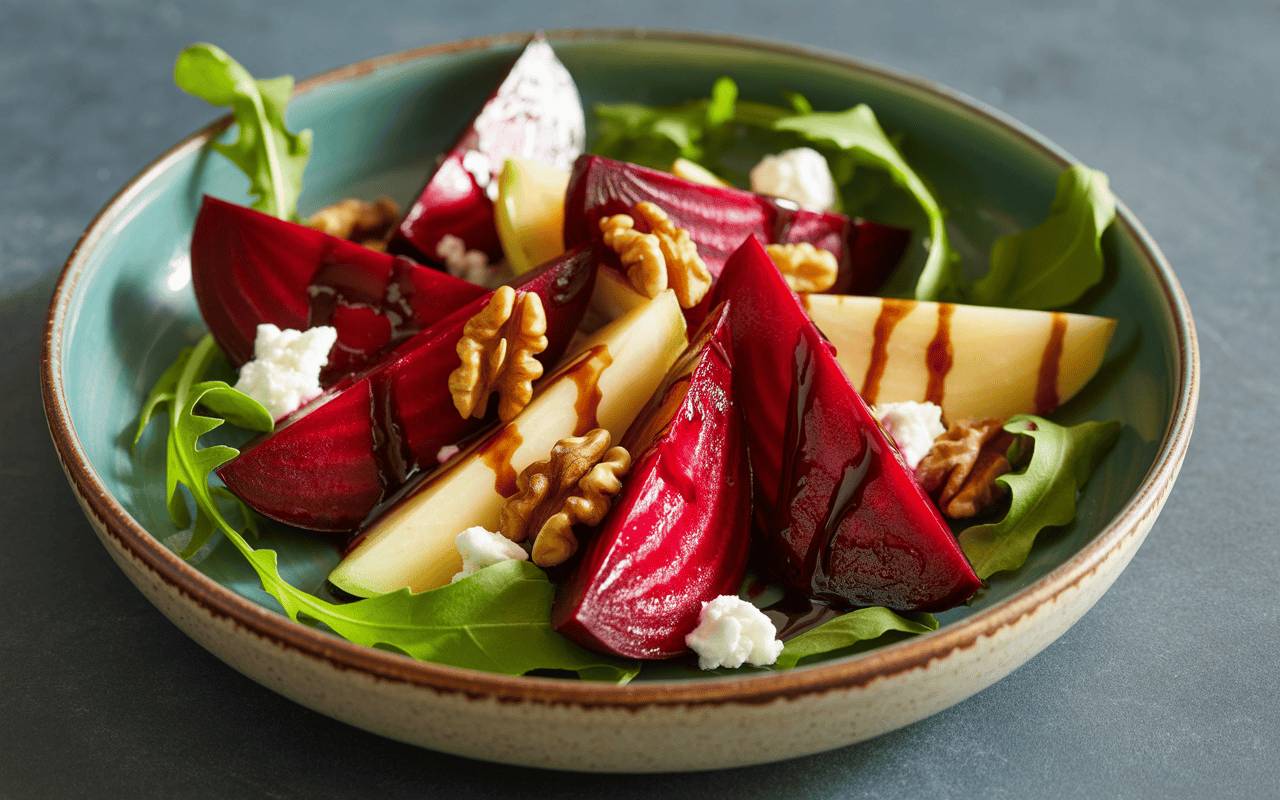
Arrange mixed salad greens on a large serving platter or individual plates. Distribute roasted beet pieces evenly across the greens. Sprinkle toasted walnuts, crumbled goat cheese, thinly sliced red onion, and dried cranberries over the salad. Drizzle the prepared dressing over everything, then finish with a generous drizzle of balsamic glaze. Serve immediately while beets are still slightly warm for optimal flavor contrast.
Nutritional Profile (Per Serving)
Approximate values – actual nutrition may vary based on specific ingredients and portions used
- Calories: Approximately 380-420
- Total Fat: 28g (primarily from heart-healthy monounsaturated and polyunsaturated sources)
- Saturated Fat: 6g (mostly from cheese)
- Omega-3 ALA: Approximately 2.5g (from walnuts)
- Protein: 10g
- Carbohydrates: 32g
- Dietary Fiber: 6g
- Sugars: 20g (naturally occurring from beets and cranberries)
- Sodium: 380mg
- Potassium: 680mg
- Folate: 35% Daily Value
- Magnesium: 20% Daily Value
This nutritional profile aligns closely with Mediterranean diet principles and American Heart Association recommendations for heart-healthy eating patterns.
The Mediterranean Diet Connection
This balsamic roasted beet and walnut salad exemplifies core Mediterranean diet principles that PromiseCare Medical Group physicians regularly recommend for cardiovascular disease prevention and management. The Mediterranean diet—recognized by the American Heart Association as one of the most evidence-based eating patterns for heart health—emphasizes:
Plant-based foods as dietary centerpieces: vegetables, fruits, whole grains, legumes, nuts, and seeds form the foundation of every meal, providing fiber, antioxidants, vitamins, minerals, and phytonutrients that work synergistically to protect cardiovascular health.
Healthy fats from plant sources: extra virgin olive oil, nuts, and avocados provide monounsaturated and polyunsaturated fats that improve cholesterol profiles, reduce inflammation, and support healthy endothelial function—the smooth, responsive inner lining of blood vessels critical for cardiovascular health.
Limited red meat consumption: the Mediterranean pattern favors fish, poultry, and plant proteins over red meat, reducing intake of saturated fats associated with increased LDL cholesterol and cardiovascular risk.
Minimal processed foods: by focusing on whole, minimally processed ingredients, the Mediterranean diet naturally limits added sugars, excess sodium, refined carbohydrates, and industrial trans fats—all contributors to cardiovascular disease, obesity, and metabolic disorders.
Herbs and spices for flavor: rather than relying on salt for taste, Mediterranean cuisine uses fresh herbs, garlic, onions, and spices that add flavor while contributing additional antioxidants and anti-inflammatory compounds.
The cumulative evidence supporting Mediterranean diet benefits is substantial. The PREDIMED trial followed 7,447 adults at high cardiovascular risk for approximately five years, randomly assigning them to either a Mediterranean diet supplemented with extra virgin olive oil, a Mediterranean diet supplemented with mixed nuts, or a control diet advised to reduce all types of dietary fat.
Results demonstrated that participants following Mediterranean eating patterns experienced 30% fewer major cardiovascular events (heart attacks, strokes, and cardiovascular deaths) compared to the control group. Perhaps equally important, participants following the Mediterranean diet didn’t experience weight gain despite consuming higher amounts of healthy fats—dispelling the myth that dietary fat inevitably causes obesity.
Additional research published in the Journal of the American College of Cardiology found that adherence to Mediterranean dietary patterns reduced cardiovascular disease risk through multiple mechanisms:
- Reduced systolic and diastolic blood pressure through increased nitric oxide bioavailability and improved endothelial function
- Improved lipid profiles with lower total cholesterol, LDL cholesterol, and triglycerides, plus higher HDL cholesterol
- Decreased inflammatory markers including C-reactive protein, interleukin-6, and tumor necrosis factor-alpha
- Better glycemic control with improved insulin sensitivity and lower fasting glucose levels
- Reduced oxidative stress through abundant antioxidant intake from fruits, vegetables, nuts, and olive oil
This balsamic roasted beet and walnut salad delivers all these benefits in a single, delicious dish.
PromiseCare’s Approach to Preventive Cardiology
PromiseCare Medical Group’s cardiology specialists—including Drs. Tiwari, Rastogi, and Agarwal—integrate nutritional counseling into comprehensive cardiovascular care plans. Their approach recognizes that while medications like statins, ACE inhibitors, and beta-blockers play crucial roles in managing cardiovascular disease, dietary interventions often provide comparable or complementary benefits with minimal side effects.
Dr. Tiwari’s practice emphasizes what he calls “lifestyle medicine”—the systematic use of evidence-based lifestyle interventions to prevent, treat, and often reverse chronic diseases. “When I diagnose a patient with hypertension or elevated cholesterol, we discuss medication options, certainly,” Dr. Tiwari explains. “But we also thoroughly review their dietary patterns, physical activity levels, stress management, and sleep quality. Often, committed dietary changes produce blood pressure and cholesterol improvements that reduce or eliminate medication needs.”
The cardiology team works closely with PromiseCare’s network of primary care physicians, internal medicine specialists, and endocrinologists to provide coordinated, comprehensive care. This integrated approach ensures patients receive consistent messaging about heart-healthy nutrition across all their healthcare touchpoints.
“Our goal is to catch cardiovascular disease early—or prevent it entirely,” notes Dr. Rastogi. “Regular cardiovascular risk assessment, including lipid panels, blood pressure monitoring, hemoglobin A1C testing, and when appropriate, advanced testing like coronary calcium scoring, allows us to identify patients who would benefit most from aggressive dietary intervention.”
PromiseCare’s extensive network across Hemet and the surrounding Inland Empire provides patients convenient access to cardiovascular care, primary care, urgent care services at 18 locations, and specialized services including:
- Lipid management clinics for patients with challenging cholesterol issues
- Heart failure clinics providing specialized monitoring and treatment
- Diabetes education programs addressing the strong link between metabolic health and cardiovascular disease
- Cardiac rehabilitation services helping patients recover from heart attacks, bypass surgery, or other cardiovascular events
- Preventive cardiology consultations for patients with family histories of premature heart disease
Variations and Serving Suggestions
While the basic recipe above delivers substantial health benefits, consider these variations to keep the salad interesting while maintaining its cardiovascular advantages:
Add More Vegetables:
- Roasted Brussels sprouts or asparagus alongside the beets
- Shaved raw fennel for crunch and additional fiber
- Cherry tomatoes for lycopene and additional color
- Roasted sweet potato cubes for complex carbohydrates and beta-carotene
Protein Enhancements:
- Grilled salmon or sardines for omega-3 EPA and DHA
- Chickpeas or white beans for plant-based protein and soluble fiber
- Hard-boiled eggs for additional protein and choline
- Grilled chicken breast for lean animal protein
Grain Additions:
- Cooked quinoa or farro for whole grain fiber and sustained energy
- Wild rice for chewy texture and additional B vitamins
- Bulgur wheat for Mediterranean authenticity and fiber
Cheese Alternatives:
- Use feta instead of goat cheese for tangier flavor and Greek authenticity
- Try blue cheese for more assertive flavor (though it contains more sodium)
- Substitute nutritional yeast for a dairy-free, vitamin B12-fortified option
- Omit cheese entirely to reduce saturated fat and sodium
Nut and Seed Variations:
- Add pumpkin seeds (pepitas) for additional magnesium and zinc
- Include almonds for vitamin E and monounsaturated fats
- Try pecans for flavor variety and similar heart-health benefits
- Incorporate sunflower seeds for selenium and additional vitamin E
Seasonal Adaptations:
- Spring/Summer: Use fresh strawberries or peaches instead of dried cranberries; add fresh mint or basil
- Fall: Add roasted butternut squash and toasted pecans; use fresh apple slices
- Winter: Incorporate pomegranate arils and orange segments; add roasted winter squash
Meal Planning and Heart-Healthy Eating Patterns
This balsamic roasted beet and walnut salad works beautifully as:
- A substantial lunch that provides sustained energy without post-meal energy crashes
- A dinner entrée when paired with whole grain bread and vegetable soup
- A side salad alongside grilled fish or chicken for larger gatherings
- A make-ahead meal prep option (roast beets and toast walnuts in advance; assemble fresh)
For patients working with PromiseCare’s nutrition counseling services, incorporating this salad into weekly meal patterns supports multiple cardiovascular health goals simultaneously. The combination of plant-based protein, healthy fats, complex carbohydrates from beets, and abundant micronutrients creates a nutritionally complete meal that naturally regulates appetite and supports healthy weight management.
Research demonstrates that people who regularly consume salads featuring diverse vegetables, nuts, and vinegar-based dressings tend to have:
- Lower body mass index (BMI) and healthier body composition
- Better overall diet quality with higher intake of protective nutrients
- Lower rates of metabolic syndrome—the cluster of conditions including high blood pressure, elevated blood sugar, excess abdominal fat, and abnormal cholesterol levels that increases cardiovascular risk
- Reduced inflammatory markers associated with chronic disease
- Better long-term weight control without restrictive dieting
Storage and Food Safety Considerations
Roasted Beets:
Store roasted, cubed beets in an airtight container in the refrigerator for up to 5 days. The beets may “bleed” and stain other ingredients, so store them separately if meal prepping. For longer storage, freeze roasted beets for up to 3 months.
Toasted Walnuts:
Keep toasted walnuts in an airtight container at room temperature for up to 1 week, or refrigerate for up to 1 month. The refrigeration prevents the healthy omega-3 fats from oxidizing and becoming rancid.
Balsamic Glaze:
Store prepared balsamic glaze in a sealed jar at room temperature for up to 2 weeks, or refrigerate for up to 1 month. The glaze will thicken further when chilled; gently warm before using if needed.
Assembled Salad:
For best texture and flavor, assemble this salad just before serving. Dressed greens wilt quickly. If meal prepping, store components separately and assemble portions as needed.
Frequently Asked Questions About Heart-Healthy Eating
Q: How often should I eat beets for blood pressure benefits?
A: Research suggests daily beet consumption provides optimal blood pressure benefits. However, including beets 3-4 times weekly still offers meaningful cardiovascular advantages. Both roasted beets and raw beets (such as in juices or salads) provide nitrates, though cooking may concentrate certain nutrients while reducing others. Variety in preparation methods ensures you receive diverse nutritional benefits.
Q: Can I eat too many walnuts?
A: While walnuts are exceptionally healthy, they’re also calorie-dense at approximately 185 calories per ounce. Most research demonstrating cardiovascular benefits used 1-1.5 ounces daily (about ¼ to ⅓ cup). This amount provides substantial omega-3 ALA and other beneficial compounds without excessive calories. Balance walnut consumption within your overall caloric needs, particularly if you’re managing weight.
Q: Is balsamic vinegar safe for diabetics?
A: Yes, balsamic vinegar can be particularly beneficial for people with diabetes or prediabetes. Its acetic acid content helps moderate post-meal blood sugar spikes. However, some commercial balsamic vinegars contain added sugars, so read labels carefully. Traditional balsamic vinegar from Modena contains minimal sugar naturally occurring from grapes. Use balsamic vinegar in moderation—1-2 tablespoons per serving is typically appropriate.
Q: Should I be concerned about beet-related kidney stones?
A: Beets are high in oxalates, compounds that can contribute to calcium oxalate kidney stones in susceptible individuals. If you have a history of kidney stones, discuss beet consumption with your PromiseCare physician or nephrologist. For most people without kidney stone history, beets pose no concerns and provide significant health benefits. Staying well-hydrated and consuming calcium-rich foods with beets may help reduce oxalate absorption.
Q: What if I have a nut allergy?
A: If you’re allergic to walnuts specifically or tree nuts generally, you can modify this recipe by:
- Substituting roasted chickpeas for crunch and plant-based protein
- Using pumpkin seeds or sunflower seeds if seeds are tolerated
- Adding extra vegetables like roasted Brussels sprouts or broccoli
- Including avocado slices for healthy fats
- Sprinkling hemp hearts for omega-3 fats if tolerated
Always consult with your allergist about safe food substitutions.
Q: Can I get the same benefits from beet juice instead of whole beets?
A: Beet juice provides concentrated nitrates and delivers rapid cardiovascular benefits, with research showing blood pressure reductions within hours of consumption. However, whole beets offer additional fiber that supports digestive health and helps moderate the natural sugar content. Both forms provide value—many cardiologists suggest incorporating both into your diet: juice for concentrated benefits and whole beets for overall nutrition and satiety.
Q: How does this salad compare to taking supplements?
A: Whole food sources like this salad provide benefits that isolated supplements typically cannot match. The synergistic effects of multiple bioactive compounds working together—beet nitrates plus walnut omega-3s plus balsamic vinegar’s acetic acid plus olive oil’s polyphenols—create more comprehensive cardiovascular protection than any single supplement. Additionally, whole foods provide fiber, satiety, and eating enjoyment that supplements lack. While supplements may be appropriate in specific situations (such as omega-3 capsules for people who don’t eat fish), whole food approaches form the foundation of heart-healthy eating.
Q: Will eating this salad allow me to stop taking my blood pressure or cholesterol medications?
IMPORTANT MEDICATION NOTICE: Never discontinue prescribed cardiovascular medications without consulting your physician. While dietary changes can produce substantial improvements in blood pressure and cholesterol levels—sometimes eliminating the need for medications—these changes must occur under medical supervision with appropriate monitoring. Work closely with your PromiseCare physician to track your cardiovascular risk factors. If dietary interventions improve your numbers sufficiently, your doctor may consider reducing or discontinuing medications. However, some patients with genetic predispositions to high cholesterol or very elevated cardiovascular risk will require both optimal diet and medication for best protection.
The Bigger Picture: Comprehensive Cardiovascular Risk Reduction
This balsamic roasted beet and walnut salad represents one component of comprehensive cardiovascular disease prevention. PromiseCare Medical Group’s holistic approach to heart health includes:
Regular cardiovascular risk assessment through blood pressure monitoring, lipid panels, hemoglobin A1C testing, and family history evaluation. Early detection allows for earlier intervention when lifestyle modifications are most effective.
Physical activity recommendations tailored to current fitness levels and any physical limitations. The American Heart Association recommends at least 150 minutes weekly of moderate-intensity aerobic activity or 75 minutes of vigorous-intensity activity, plus muscle-strengthening activities twice weekly.
Stress management support recognizing that chronic psychological stress contributes to hypertension, inflammation, and cardiovascular disease through multiple biological pathways. Techniques like meditation, yoga, deep breathing exercises, and adequate sleep all support cardiovascular health.
Smoking cessation assistance for patients who use tobacco products. Smoking remains one of the most significant modifiable cardiovascular risk factors, with cessation providing immediate and long-term benefits.
Weight management counseling when appropriate, recognizing that even modest weight loss (5-10% of body weight) produces meaningful improvements in blood pressure, cholesterol, and blood sugar control for overweight individuals.
Medication management when necessary, using statins, ACE inhibitors, beta-blockers, or other cardiovascular medications to achieve optimal risk reduction. Medications and lifestyle interventions work synergistically—not as either/or choices.
Sleep quality assessment acknowledging research linking poor sleep quality, sleep apnea, and insufficient sleep duration with increased cardiovascular disease risk.
Social connection support based on evidence that strong social relationships and community engagement correlate with better cardiovascular outcomes and longer, healthier lives.
Your Next Steps Toward Better Heart Health
If you’re motivated to improve your cardiovascular health through nutrition and lifestyle changes, consider these actionable steps:
Schedule a comprehensive cardiovascular risk assessment with your PromiseCare primary care physician or cardiologist. Understanding your current risk profile—including blood pressure, cholesterol levels, blood sugar, family history, and lifestyle factors—provides essential information for creating an effective prevention or treatment plan.
Start incorporating heart-healthy meals like this balsamic roasted beet and walnut salad into your regular eating pattern. Aim for at least 3-4 servings weekly of salads or vegetable-based meals featuring diverse colors, nuts or seeds, and vinegar-based dressings.
Track your progress through regular blood pressure monitoring (home monitors are widely available and affordable), periodic lipid panel testing, and attention to how you feel. Many patients report increased energy, better sleep, and improved overall wellbeing alongside measurable cardiovascular improvements.
Build a support system by involving family members in heart-healthy eating, joining walking groups or fitness classes, or participating in PromiseCare’s wellness programs and health education seminars.
Be patient and persistent recognizing that cardiovascular improvements from dietary changes typically require several weeks to months before becoming fully apparent. Consistency matters more than perfection—focus on overall patterns rather than individual meals.
Conclusion: Food as Preventive Medicine
This balsamic roasted beet and walnut salad demonstrates a fundamental principle that PromiseCare Medical Group’s physicians emphasize daily: the foods you choose profoundly influence your cardiovascular health, diabetes risk, weight, energy levels, and overall quality of life.
The scientific evidence supporting specific foods for heart health continues growing stronger. Beets’ ability to improve vascular function through nitrate-to-nitric-oxide conversion, walnuts’ capacity to reduce atherogenic LDL particles through omega-3 fatty acids, balsamic vinegar’s glycemic moderation through acetic acid—these aren’t marketing claims but documented physiological effects demonstrated in peer-reviewed research.
Yet perhaps the most important aspect of this salad transcends its individual nutrients and bioactive compounds. It represents an enjoyable, sustainable approach to eating that you can maintain for decades—not a restrictive diet you endure temporarily before returning to previous habits. Heart-healthy eating shouldn’t feel like deprivation or sacrifice. This salad, and dishes like it, prove that nutritious foods can be colorful, flavorful, satisfying, and deeply pleasurable.
Dr. Ashok Agarwal often reminds patients that “the best diet is the one you’ll actually follow.” Mediterranean-style eating patterns centered on vegetables, fruits, whole grains, legumes, nuts, olive oil, and fish have sustained populations for centuries while delivering superior cardiovascular protection. These eating patterns succeed because they satisfy both nutritional needs and the human desire for delicious, culturally meaningful food.
Whether you’re working to prevent cardiovascular disease, manage existing conditions like hypertension or high cholesterol, support diabetes management, or simply improve your overall health and energy, this balsamic roasted beet and walnut salad offers science-backed benefits in every colorful, flavorful bite.
Start with this recipe. Serve it to your family. Adapt it to your tastes. Make it part of your regular meal rotation. And watch as this simple salad contributes to measurable improvements in your cardiovascular health, potentially adding not just years to your life, but life to your years.
For personalized cardiovascular care incorporating nutrition counseling, risk assessment, and comprehensive treatment, contact PromiseCare Medical Group at 951-390-2840 or visit promisecare.com to find a primary care physician or cardiologist near you in Hemet and throughout the Inland Empire.
About PromiseCare Medical Group
PromiseCare Medical Group represents the Inland Empire’s longest continually serving and largest Independent Physician Association network, featuring teams of dedicated physicians, hospitals, diagnostic centers, nursing staff, and support teams throughout Riverside County. With 60+ primary care physicians, 400+ specialists, and 18 urgent care centers, PromiseCare places patients’ needs first through excellent clinical outcomes, patient safety, and exceptional service. The organization serves communities throughout Hemet, Menifee, Temecula, Murrieta, and surrounding areas with comprehensive primary care, specialty care, urgent care, and preventive medicine services.
Board-certified cardiologists including Dr. Ratan Tiwari (949 Calhoun Place, Suite D, Hemet), Dr. Anil Rastogi (1275 E. Latham Avenue, Suite A, Hemet), and Dr. Ashok Agarwal (140 S. San Jacinto Street, Suite 136, Hemet) provide comprehensive cardiovascular care including hypertension management, cholesterol treatment, heart failure care, and preventive cardiology services.
For appointments, call 951-390-2840 or visit promisecare.com.
ARTICLE ACCURACY STATEMENT: All health information in this article is based on current peer-reviewed medical research and clinical guidelines as of the publication date. Studies cited include research from the American Heart Association, Frontiers in Nutrition, European Journal of Clinical Nutrition, and other reputable medical journals. Physician information is accurate as of publication. For the most current health recommendations and personalized medical advice, consult with qualified healthcare professionals.
Last Updated: January 2026