
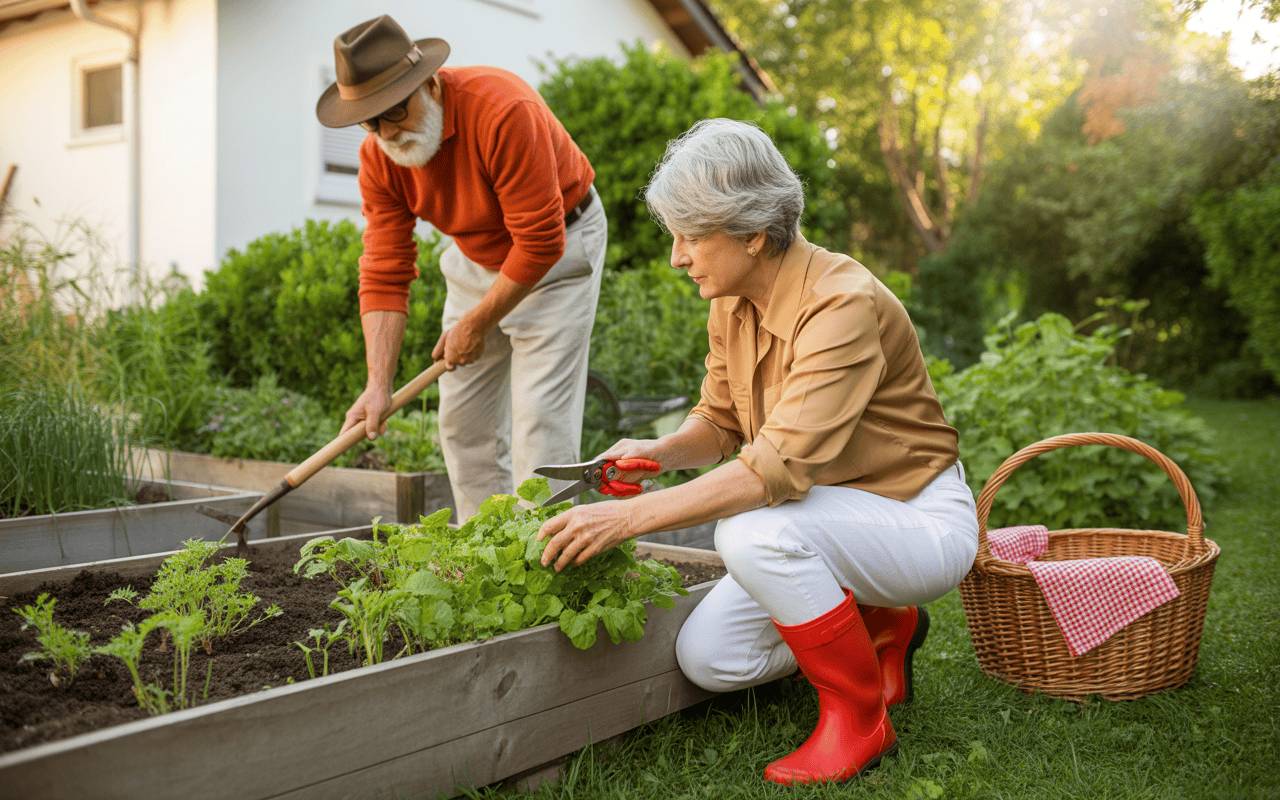
Gardening offers powerful health benefits that’ll transform your well-being. You’ll reduce your cardiovascular disease risk by 10% while burning calories through digging and lifting. The activity strengthens your muscles, improves coordination, and boosts cognitive function by increasing brain-derived neurotrophic factor. You’ll also experience significant mental health improvements—89% of gardeners report major relaxation benefits, and you’ll lower stress hormones while releasing mood-lifting dopamine. Soil exposure strengthens your immune system through beneficial bacteria like Mycobacterium vaccae, which can reduce allergy risks by up to 50%. Discover how these combined benefits create lasting wellness.
Main Points
- Gardening reduces cardiovascular disease risk by 10% and provides moderate exercise, contributing to recommended weekly physical activity goals.
- Regular gardening triggers dopamine release and lowers cortisol levels, effectively reducing stress, anxiety, and depression in participants.
- Gardening enhances cognitive function by increasing brain-derived neurotrophic factor and improving memory, attention, and problem-solving abilities.
- Soil exposure introduces beneficial Mycobacterium vaccae, strengthening immune systems and reducing allergy and asthma risks by 30%-50%.
- Therapeutic gardening improves mental resilience and self-esteem, with 89% of gardeners reporting significant relaxation and emotional benefits.
How Gardening Strengthens Your Heart and Muscles
While most people think of gardening as a peaceful hobby, it’s actually a powerhouse workout for your cardiovascular system. Research shows that older adults who garden regularly reduce their CVD event risk by 10%, with heart health benefits exceeding those of traditional exercise.
When you dig, rake, or push a wheelbarrow, you’re engaging in moderate to vigorous physical activities that count toward your weekly 150 minutes of recommended exercise.
These movements deliver impressive muscle strength gains throughout your body. Digging burns energy at 5.0 METs while strengthening your core and legs. Wheelbarrow pushing engages your arms, shoulders, and back.
You’ll also develop better hand-finger dexterity and coordination, making gardening ideal if you have musculoskeletal limitations. Studies show that gardeners experience improved sleep quality compared to both non-gardeners and other exercisers.
How Gardening Improves Your Mental Health
Beyond strengthening your body, gardening transforms your mental well-being in measurable ways.
You’ll experience reduced stress and anxiety as the simple act of tending plants triggers calming brain responses and releases mood-lifting dopamine.
Your cognitive function sharpens while your emotional resilience grows, creating a powerful foundation for better mental health.
Research shows that community gardening helps mitigate mental health challenges like depression and anxiety.
Reduces Stress and Anxiety
When life feels overwhelming, digging your hands into soil might be exactly what you need. Research shows therapeutic gardening greatly reduces stress and anxiety levels. A University of Florida study found that even first-time gardeners experienced decreased anxiety after twice-weekly sessions, with participants continuing their practice long after the study ended.
The repetitive tasks of watering and weeding create soothing rhythms that ease tension while keeping your mind engaged and distracted from stressors.
Urban gardening offers particular benefits, with proximity to green spaces reducing psychological distress. Gardens with high biodiversity provide the strongest stress-relieving effects, while the physical activity involved lowers your perception of stress.
Whether you’re tending indoor plants or working in outdoor plots, you’ll experience measurable improvements in mental well-being. The study also found that both gardening and art classes improved mental health over time, though gardeners reported slightly lower anxiety levels than those in the art group.
Boosts Mood Through Biochemistry
Getting your hands dirty triggers remarkable chemical changes in your brain that work as effectively as many prescription medications. When you contact soil bacteria like Mycobacterium vaccae, you’ll experience serotonin release that naturally combats depression while strengthening your immune system. This neurotransmitter improves sleep quality and reduces anxiety through direct neurological pathways.
You’ll also get a dopamine boost when harvesting vegetables, with another surge when eating your homegrown produce. This double reward activates your brain’s pleasure centers, enhancing motivation and providing genuine accomplishment. Visual and olfactory cues from your garden can initiate dopamine release even before you begin harvesting.
Meanwhile, gardening decreases cortisol—your primary stress hormone—more effectively than indoor activities. Combined with increased microbiome diversity from soil exposure, these biochemical shifts create sustained mood improvements and emotional resilience without pharmaceutical intervention.
Enhances Cognitive Function
Your brain doesn’t just feel better from gardening—it actually works better. Just 20 minutes of moderate gardening boosts BDNF and PDGF, growth factors that enhance memory through hippocampal cell proliferation and neuronal survival.
This cognitive engagement translates to measurable improvements: 90-minute sessions increase attention levels, while regular gardeners show superior problem-solving abilities from age 79 to 90.
Horticultural therapy activates multiple brain regions simultaneously—motor, sensory, and executive functions work together during planting and pruning. Gardening also reduces inflammatory markers and cortisol levels, promoting psychological well-being and creating physiological conditions that support optimal brain function.
Studies of 140,000 participants reveal gardeners have notably lower rates of cognitive decline, with 39% of benefits linked to physical activity and 21.5% to reduced depression.
Even brief two-minute intervals of sowing or weeding sharpen focus and promote neuroplasticity, giving your brain lasting advantages.
How Growing Your Own Food Prevents Disease
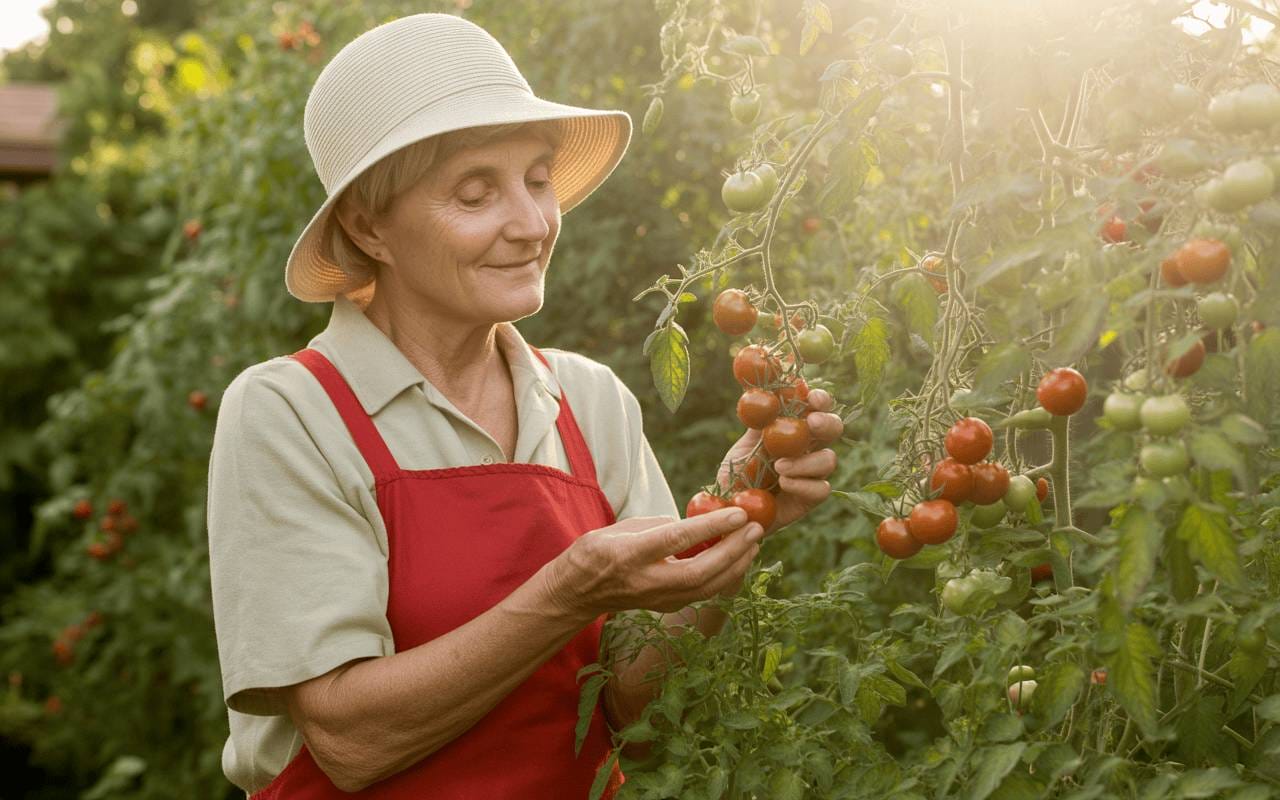
Growing your own food creates a powerful first line of defense against plant diseases that can devastate crops and reduce nutritional yields. You’ll maximize disease prevention by selecting resistant varieties and purchasing disease-free transplants, which eliminates pathogens before they enter your garden.
When you add organic matter to your soil, you’re strengthening beneficial microorganisms that compete with disease-causing pathogens while improving plant immunity. Proper spacing in sunny locations with good air circulation reduces fungal infections by minimizing leaf wetness.
You’ll protect nutritional benefits by implementing strict sanitation practices—never composting diseased plant debris and regularly disinfecting tools with diluted chlorine. Reflective mulches prevent virus-transmitting insects, while strategic fungicide application before rainy periods provides additional protection when needed.
How Gardening Outdoors Boosts Vitamin D and Bone Health
When you spend just 15 minutes gardening outdoors two or three times per week, your skin synthesizes adequate vitamin D—a essential nutrient that your body can’t efficiently obtain from diet alone.
This sun exposure triggers vitamin synthesis through UVB interaction with 7-dehydrocholesterol in your skin, producing vitamin D3 that your body absorbs more effectively than dietary D2.
Your outdoor gardening routine supports bone metabolism by:
- Maintaining serum levels above 50 nmol/L for calcium absorption
- Building stronger bones and preventing rickets or osteomalacia
- Generating approximately 2,000 IU during summer exposure
- Accounting for 90% of your body’s total vitamin D needs
Studies show outdoor workers average 66.7 nmol/L versus 40.6 nmol/L for indoor workers, demonstrating gardening’s tangible health advantage.
However, individuals with obesity may require more frequent gardening sessions, as those with BMI ≥ 30 typically show lower serum vitamin D levels compared to non-obese individuals.
How Soil Exposure Strengthens Your Immune System
When you dig in the soil, you’re exposing yourself to beneficial bacteria like Mycobacterium vaccae that actively strengthen your immune system and reduce inflammation.
This contact increases your skin’s microbial diversity and introduces helpful organisms to your gut, building resilience against allergies, asthma, and stress-related disorders.
The diverse microbial communities in healthy garden soil work more effectively than single bacterial species, providing long-lasting immune benefits that urban living often denies you. Children who regularly participate in gardening demonstrate stronger immune systems and reduced susceptibility to respiratory conditions.
Beneficial Bacteria in Soil
Beneath your feet lies an invisible army of microorganisms ready to fortify your immune system in ways modern medicine is only beginning to understand.
When you dig into garden soil, you’re exposing yourself to beneficial microbes that actively reshape your body’s defenses.
Soil exposure delivers measurable health advantages:
- Proteobacteria diversity on your skin increases immune defense capabilities through Alpha-, Beta-, Gamma-, and Deltaproteobacteria classes.
- Mycobacterium vaccae triggers serotonin release, improving mood while reducing stress levels physiologically and behaviorally.
- Skin microbiota diversity amplifies immediately after contact with soil and plant materials, promoting immune homeostasis.
- Farm-associated microbes reduce allergy and asthma risks by 30%-50% in children through diverse bacterial exposure.
You’ll inhale, ingest, or absorb these organisms through cuts, vegetables, and direct handling.
Research shows that rural upbringing correlates with greater stress resilience and lower mental illness risks compared to urban environments.
Gut Microbiome Diversity Improvements
Every handful of garden soil you touch transfers thousands of microbial species directly to your hands, and many of these organisms journey from your skin into your digestive system.
This soil exposure increases your gut’s microbial diversity across multiple bacterial groups while decreasing harmful bacteria populations. Research shows that people exposed to similar soil communities develop comparable gut bacterial compositions, demonstrating predictable microbiota enhancement patterns.
Urban living greatly reduces these beneficial transfers, making gardening especially valuable for city dwellers.
Studies reveal that individuals with inflammatory conditions like psoriatic arthritis possess less diverse gut microbiota than healthy controls.
Regular contact with composted materials and peat—which host particularly rich microbial communities—strengthens your immune tolerance mechanisms through exposure to diverse microbial antigens, ultimately reducing your risk of immune-mediated conditions. Children from rural communities show more diverse gut microbiotas than those from Western populations, highlighting the protective effects of environmental microbial exposure.
Enhanced Physical Health Outcomes
Beyond transforming your internal microbial landscape, your hands-on contact with garden soil activates profound immune system benefits that protect you from disease.
Regular soil contact introduces beneficial microorganisms that strengthen your body’s defense mechanisms through direct exposure to nature’s microbial diversity.
Research demonstrates four key immune advantages:
- Mycobacterium vaccae in soil provides powerful immune regulation, enhancing vaccine efficacy and delivering long-lasting anti-inflammatory effects.
- Proteobacteria diversity on your skin increases immediately after handling soil, bolstering immune defense capabilities.
- Childhood gardening builds stronger immune systems, reducing asthma risk and stress-related disorders.
- Rural soil exposure during development creates resilient immunity that protects against allergies and immune-mediated diseases throughout life.
This biodiversity hypothesis explains why urban dwellers benefit most from gardening activities.
How Gardening Reduces Stress and Improves Mood
When you dig your hands into soil and tend to growing plants, you’re engaging in one of nature’s most effective stress-reduction activities. Research shows twice-weekly gardening sessions greatly lower cortisol levels and reduce perceived stress in participants without prior experience.
You’ll notice improvements in anxiety and depression, with 89% of gardeners reporting exceptional relaxation benefits.
The mental health boost comes from three mechanisms: caring for plants builds confidence, accomplishment from successful cultivation enhances self-esteem, and nature appreciation evokes wonder that shifts focus from daily stressors.
Gardening strengthens mental health through three pathways: nurturing plants builds confidence, successful growth enhances self-esteem, and connecting with nature reduces daily stress.
Simple gardening techniques like watering and weeding create beneficial routines while fostering deeper nature connection. Indoor and virtual gardening environments have also emerged as highly effective settings for stress reduction.
Studies demonstrate best results occur with 100-500 minutes of gardening, making it accessible for various schedules while delivering measurable mood improvements.
Frequently Asked Questions
How Many Hours per Week Should I Garden to See Health Benefits?
You’ll see health benefits with just 2.5 hours of gardening weekly, the minimum time commitment recommended for moderate-intensity aerobic activity.
However, many gardeners naturally spend 15-33 hours per week during growing season and experience even greater improvements.
For best results, aim for 30 minutes of gardening frequency five days weekly. This duration reduces risks of obesity, diabetes, and high blood pressure while improving your mental health, sleep quality, and cardiovascular fitness.
Can Indoor Gardening Provide the Same Health Benefits as Outdoor Gardening?
You can’t judge a book by its cover—indoor plants deliver impressive health benefits nearly matching outdoor gardening.
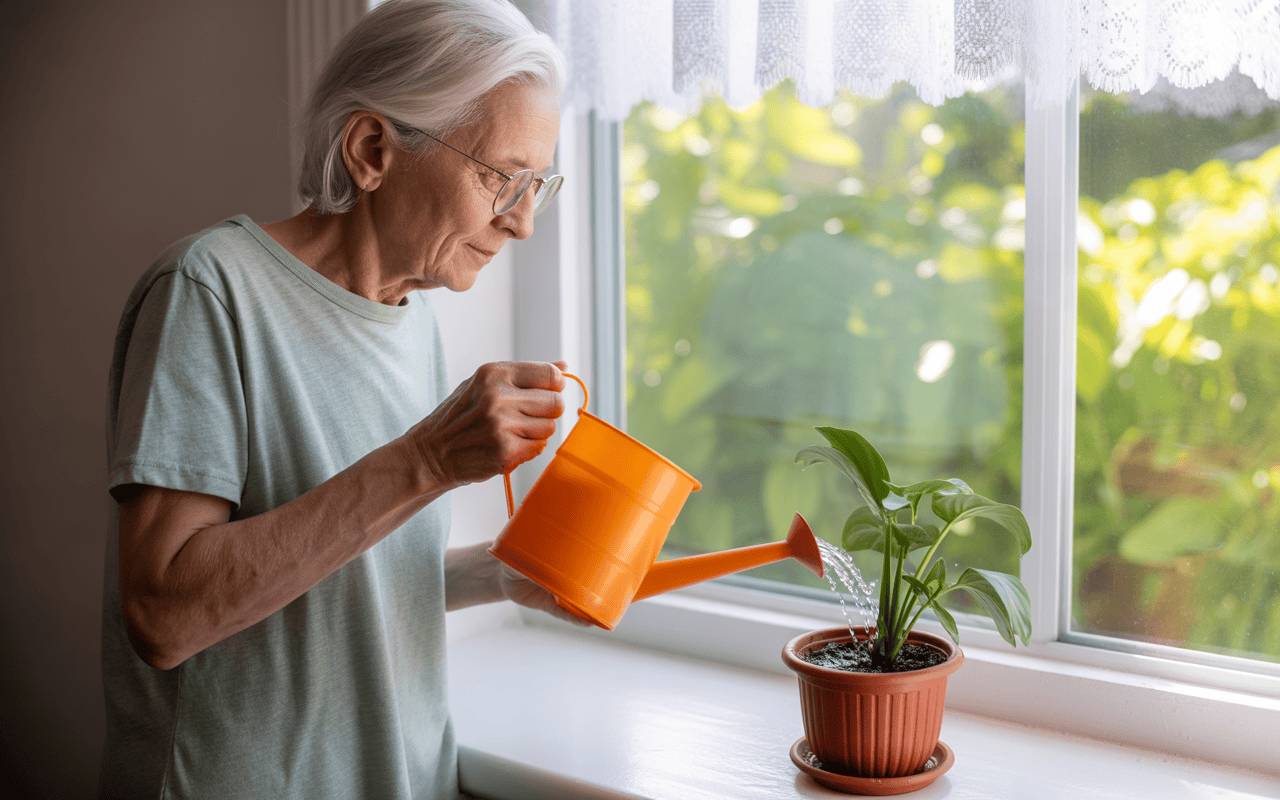
You’ll experience similar stress reduction, mood improvement, and cortisol decreases whether you’re tending houseplants or garden beds. Indoor gardening techniques boost air quality, reduce blood pressure, and provide meaningful physical activity.
While outdoor settings may enhance revitalization slightly more, you’ll still gain substantial mental and physical benefits from nurturing your indoor green space.
Is Gardening Safe for People With Arthritis or Joint Problems?
Yes, gardening can be safe for you if you have arthritis or joint problems when you use adaptive tools and joint-friendly techniques.
Choose long-handled tools with padded grips, raised beds to minimize bending, and kneeling pads for comfort.
You’ll need to warm up before starting, take frequent breaks every 30-45 minutes, and change positions regularly.
If you experience persistent pain, swelling, or joint inflammation lasting over two hours, stop and consult your healthcare provider.
What Gardening Tasks Burn the Most Calories for Weight Management?
Picture your garden as a natural gym where every movement counts toward your fitness goals. For maximum caloric expenditure, you’ll want to focus on high-intensity gardening activities like vigorous leaf raking, which burns 350-450 calories per hour—rivaling a 5K run.
Push mowing, digging, and hand-trimming shrubs also torch significant calories. Choose manual tools over powered ones; they’ll increase your burn by 40-50% while sculpting muscle.
Can Children Experience the Same Mental Health Benefits From Gardening as Adults?
Yes, your children can gain significant mental health benefits from gardening, just like adults.
Children’s gardening reduces stress and anxiety while improving mood and life satisfaction. These activities support emotional development by building self-esteem, confidence, and a sense of accomplishment.
Your kids will experience better attention, reduced conflict with peers, and enhanced social skills. School garden programs show children recover from stress faster and develop nature-friendly attitudes that promote long-term well-being.
Final Thoughts
You’ve planted more than seeds when you garden—you’ve cultivated wellness that blooms from the inside out. Like roots spreading through rich soil, gardening’s benefits run deep, weaving through your muscles, mind, and immune system. So dig in, feel the earth beneath your fingernails, and let nature’s medicine work its magic. Your garden doesn’t just grow vegetables and flowers; it grows a healthier, happier you.