
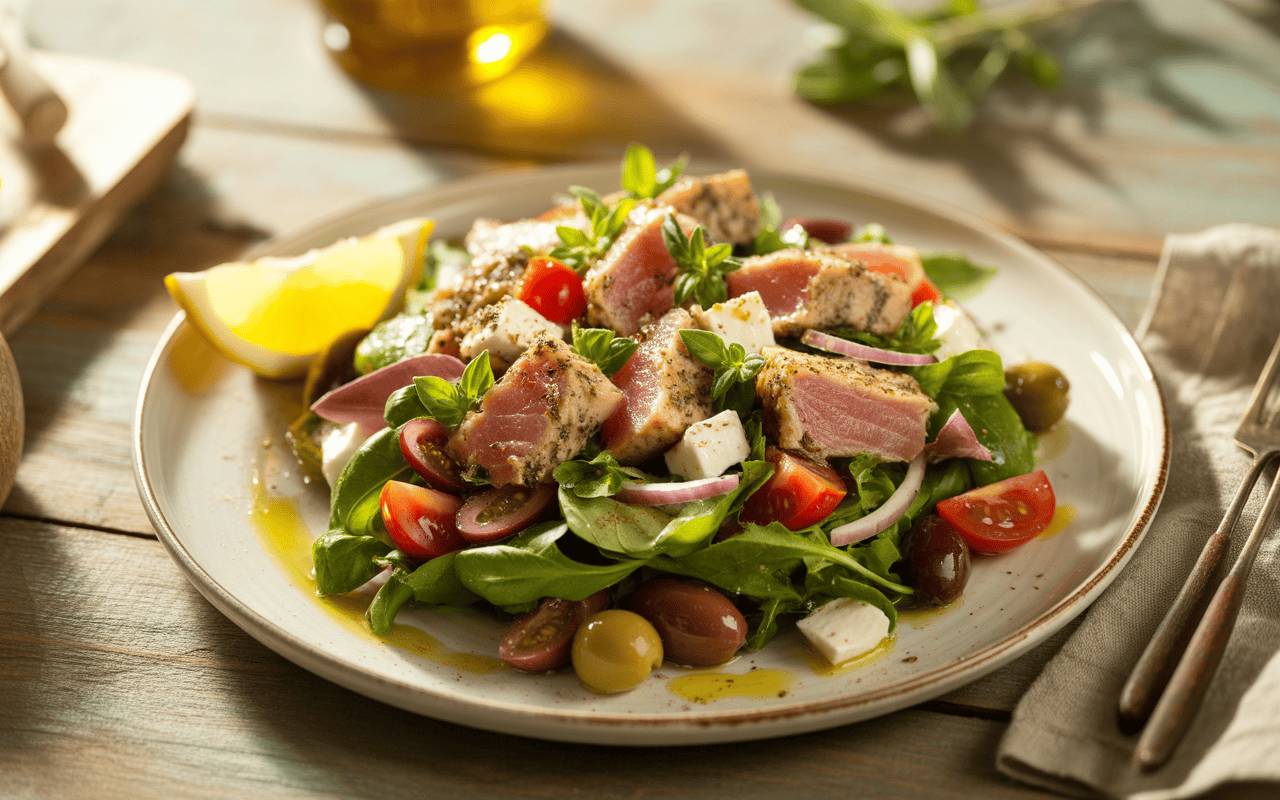
The Mediterranean diet continues to earn recognition from cardiologists and family medicine practitioners as one of the most effective dietary patterns for cardiovascular disease prevention. At PromiseCare Medical Group, physicians like Dr. Ratan Tiwari, a board-certified cardiologist practicing in Hemet, California, regularly recommend Mediterranean-inspired meals to patients managing blood pressure, cholesterol levels, and other heart-related conditions.
Mediterranean tuna salad represents an ideal convergence of preventive medicine and practical nutrition. This simple dish delivers omega-3 fatty acids, complete protein, and an array of anti-inflammatory compounds that support cardiovascular health, cognitive function, and immune system performance. For residents of the Inland Empire seeking accessible ways to improve their heart health through diet, this recipe offers a scientifically-supported starting point that aligns with guidance from PromiseCare’s network of family medicine and internal medicine specialists.
Understanding the Mediterranean Diet’s Cardiovascular Benefits
The Mediterranean diet has earned its reputation through decades of clinical research demonstrating significant reductions in heart disease, atherosclerosis, and related metabolic conditions. Studies show that adherence to Mediterranean dietary patterns can reduce cardiovascular disease risk by 28-30 percent, while combining this eating approach with regular physical activity and healthy weight maintenance may reduce early death risk by up to 80 percent.
Dr. Anil Rastogi, another PromiseCare cardiologist serving the Hemet community, emphasizes that the Mediterranean diet’s benefits extend beyond simple cholesterol management. The diet’s emphasis on whole grains, extra virgin olive oil, and omega-3-rich seafood creates a synergistic effect that addresses multiple cardiovascular risk factors simultaneously. This includes reducing chronic inflammation, improving endothelial function (the health of blood vessel linings), and helping regulate blood pressure through natural dietary mechanisms rather than relying solely on medication.
PromiseCare physicians practicing family medicine, such as Dr. Michael Curley and Dr. Katharine O’Brien, often recommend the Mediterranean diet to patients in their geriatric medicine practices. The diet’s proven benefits for brain health and cognitive function make it particularly valuable for older adults concerned about age-related cognitive decline while simultaneously protecting their cardiovascular system.
The Nutritional Power of Tuna in Mediterranean Cuisine
Tuna serves as an exceptional protein source that delivers remarkable nutritional density with minimal caloric investment. A single four-ounce serving of canned tuna in water provides approximately 24-29 grams of complete protein—meaning it contains all nine essential amino acids the human body cannot produce independently. This complete amino acid profile supports muscle health, tissue repair, and various metabolic functions throughout the body.
Beyond protein, tuna distinguishes itself through its omega-3 fatty acid content, specifically EPA (eicosapentaenoic acid) and DHA (docosahexaenoic acid). These long-chain omega-3 fatty acids play critical roles in reducing triglycerides, lowering blood pressure, and decreasing the risk of irregular heartbeat. The American Heart Association recommends consuming omega-3-rich fish at least twice weekly, and tuna provides a convenient, shelf-stable option that makes meeting this guideline more accessible for busy families.
Dr. Tiwari, who specializes in cardiology at PromiseCare Medical Group, points out that omega-3 fatty acids work through multiple biological pathways to protect cardiovascular health. They help reduce inflammation throughout the vascular system, improve the flexibility of arterial walls, and support healthy blood flow patterns. For patients managing hypertension or recovering from cardiac events, incorporating omega-3-rich foods like tuna becomes an important component of secondary prevention strategies.
Tuna also delivers substantial amounts of selenium, a powerful antioxidant mineral that protects cells from oxidative damage and supports immune system function. Research indicates that selenium helps the body neutralize free radicals that can damage blood vessels and contribute to atherosclerosis development. Additionally, tuna provides meaningful amounts of Vitamin D, which supports bone health and immune function, and Vitamin B12, essential for red blood cell formation and neurological health.
Mediterranean Tuna Salad: Core Ingredients and Their Health Benefits
Creating an authentic Mediterranean tuna salad requires careful selection of ingredients that each contribute unique nutritional benefits while creating harmonious flavors characteristic of Mediterranean cuisine.
Tuna (Fresh or Canned)
Start with high-quality tuna—either fresh tuna steaks or water-packed canned tuna. Water-packed varieties contain fewer calories than oil-packed options while delivering the same protein and omega-3 content. If using fresh tuna, select sushi-grade fish from reputable sources and prepare it by grilling, baking, or searing to medium-rare. Albacore (white) tuna contains slightly higher omega-3 levels than light tuna varieties, though both offer substantial cardiovascular benefits.
Cucumbers
English cucumbers or Persian cucumbers work best due to their thin, tender skins and minimal seeds. Cucumbers provide hydration, dietary fiber, and various polyphenols that support antioxidant defenses. Their crisp texture contrasts beautifully with the flaky tuna and creamy feta cheese. Peel standard cucumbers if desired, as their thicker skins can sometimes taste bitter.
Cherry Tomatoes or Roma Tomatoes
Cherry tomatoes release less water into the salad than larger slicing varieties, helping maintain optimal texture. Tomatoes deliver lycopene, a carotenoid antioxidant associated with reduced cardiovascular disease risk, along with vitamin C, potassium, and additional polyphenols. Choose ripe, flavorful tomatoes for maximum taste and nutritional benefit. Roma tomatoes work well when sliced into wedges, while cherry tomatoes simply require halving.
Kalamata Olives
These dark purple Greek olives bring briny, rich flavor while contributing healthy monounsaturated fats and additional polyphenols. Kalamata olives contain compounds that support anti-inflammatory processes and contribute to the Mediterranean diet’s cardiovascular protection. Purchase pitted olives for convenience, leaving them whole or slicing them based on personal preference.
Feta Cheese
Authentic Greek feta cheese adds creamy, salty, tangy elements that define Mediterranean salads. Made from sheep’s milk or a sheep-goat milk blend, feta provides protein, calcium, and beneficial probiotics when made traditionally. Crumble or cube the feta—both approaches work well, though cubing creates more substantial bites of cheese throughout the salad.
Red Onion
Thinly sliced red onion adds sharp, pungent notes that balance the salad’s richer elements. Red onions contain quercetin and other flavonoids with antioxidant and anti-inflammatory properties. For a milder onion flavor, soak the sliced onions in the dressing for 10 minutes before adding them to the salad, or rinse them briefly under cold water to reduce their intensity.
Fresh Herbs: Parsley and Oregano
Fresh flat-leaf parsley (Italian parsley) contributes bright, clean flavor and substantial amounts of vitamins K, C, and A. Parsley also contains volatile oils with potential anti-inflammatory effects. Dried oregano brings classic Mediterranean character—use 1-2 teaspoons of dried oregano or add fresh oregano leaves as a finishing touch. These herbs elevate the salad from simple to sublime while adding beneficial plant compounds.
Extra Virgin Olive Oil
High-quality extra virgin olive oil forms the foundation of the Mediterranean diet’s health benefits. Olive oil contains predominantly monounsaturated fats that help maintain healthy cholesterol ratios, plus polyphenols that provide antioxidant and anti-inflammatory effects. Use a robust, flavorful extra virgin olive oil for maximum taste impact—the oil should smell fresh and slightly peppery or grassy. PromiseCare physicians emphasize that olive oil’s benefits come from regular, moderate consumption as part of an overall healthy dietary pattern.
Lemon Juice and Red Wine Vinegar
Fresh lemon juice adds brightness and acidity that ties all flavors together while providing vitamin C. Red wine vinegar contributes additional complexity and contains trace amounts of polyphenols from the grapes used in wine production. The acid from both ingredients helps emulsify the dressing and balance the salad’s richness.
Step-by-Step Mediterranean Tuna Salad Preparation
Creating this heart-healthy Mediterranean tuna salad requires minimal cooking skills and approximately 15-20 minutes of active preparation time.
Ingredients (Serves 4-6):
- 2 cans (5 oz each) water-packed tuna, drained, or 12 oz fresh tuna steak, cooked and flaked
- 2 English cucumbers, quartered lengthwise and sliced into ½-inch pieces
- 2 pints cherry tomatoes, halved (or 4 Roma tomatoes, cut into wedges)
- ½ cup pitted Kalamata olives, whole or halved
- 4-6 oz feta cheese, crumbled or cubed
- ½ medium red onion, thinly sliced
- ¼ cup fresh parsley, chopped
- 2 teaspoons dried oregano (or 2 tablespoons fresh oregano, chopped)
- 5 tablespoons extra virgin olive oil
- 2 tablespoons fresh lemon juice (about 1 large lemon)
- 2 tablespoons red wine vinegar
- 2 cloves garlic, minced
- ½ teaspoon salt (adjust to taste)
- ¼ teaspoon freshly ground black pepper
Preparation Instructions:
- Prepare the vegetables: Wash all fresh produce thoroughly. Quarter the cucumbers lengthwise, then slice crosswise into ½-inch pieces. Halve the cherry tomatoes or cut Roma tomatoes into wedges. Thinly slice the red onion. Chop the fresh parsley. Place all prepared vegetables in a large mixing bowl.
- Prepare the tuna: If using canned tuna, drain it thoroughly and break it into medium-sized chunks with a fork. If using fresh tuna, season a tuna steak with salt, pepper, and a drizzle of olive oil, then grill, bake, or sear it to medium-rare (about 2-3 minutes per side). Allow fresh tuna to rest for 5 minutes, then flake it into bite-sized pieces.
- Create the dressing: In a small bowl or jar, combine the extra virgin olive oil, lemon juice, red wine vinegar, minced garlic, dried oregano, salt, and black pepper. Whisk vigorously or shake the jar until the ingredients emulsify into a cohesive dressing. Taste and adjust seasoning as needed—some prefer more lemon brightness, while others enjoy a more pronounced garlic flavor.
- Combine the salad: Add the tuna, olives, and half the feta cheese to the bowl with the vegetables. Pour approximately half the dressing over the salad and gently toss to combine, taking care not to break up the tuna too much. You want distinct pieces of each ingredient in every bite.
- Final touches: Top the salad with the remaining feta cheese and chopped parsley. Drizzle additional dressing as desired, reserving extra dressing on the side for those who prefer more. Sprinkle with additional dried oregano if desired.
- Rest and serve: For optimal flavor development, allow the salad to rest at room temperature for 10-15 minutes before serving. This resting period allows the flavors to marry and the vegetables to absorb some of the dressing. Alternatively, refrigerate the salad for up to 4 hours to serve it chilled—just remember to remove it from the refrigerator 15-20 minutes before serving to bring it closer to room temperature, as the olive oil may solidify when very cold.
Nutritional Analysis and Health Applications
A typical serving of Mediterranean tuna salad (approximately 1.5-2 cups) delivers roughly 280-350 calories, depending on the proportion of tuna to vegetables and the amount of feta cheese used. This serving provides approximately 25-30 grams of complete protein, 15-20 grams of healthy fats (primarily from olive oil, olives, and omega-3s from tuna), and 10-12 grams of carbohydrates, most from the fiber-rich vegetables.
The omega-3 content from tuna supports multiple aspects of cardiovascular health. EPA and DHA reduce triglycerides by 20-30 percent in many patients, improve blood vessel flexibility, and help regulate inflammatory processes throughout the body. These effects complement the polyphenols from olive oil, which have been shown to improve endothelial function and reduce markers of oxidative stress.
From a preventive medicine perspective, Dr. Curley of PromiseCare Medical Group often recommends meals like Mediterranean tuna salad to patients with elevated cardiovascular risk factors. The combination of omega-3 fatty acids, antioxidants from vegetables, and monounsaturated fats from olive oil creates a dietary pattern that addresses multiple risk factors simultaneously—a cornerstone of modern preventive cardiology.
For patients managing weight, this salad offers excellent satiety due to its high protein and fiber content, while maintaining reasonable caloric density. The protein from tuna and feta helps maintain lean muscle mass during weight loss, while the fiber from vegetables supports digestive health and blood sugar regulation. PromiseCare physicians practicing family medicine frequently integrate these nutritional principles into weight management programs for patients with or without concurrent cardiovascular concerns.
The selenium content deserves special mention for its cardiovascular implications. This trace mineral supports the production of glutathione peroxidase, an enzyme crucial for antioxidant defenses. Research suggests that selenium helps protect LDL cholesterol from oxidative damage, potentially reducing atherosclerosis progression. The combination of selenium from tuna and polyphenols from olive oil and vegetables creates a powerful antioxidant system within this single dish.
Clinical Applications: When PromiseCare Physicians Recommend Mediterranean Tuna Salad
Physicians at PromiseCare Medical Group recommend Mediterranean dietary patterns, including dishes like tuna salad, across numerous clinical scenarios:
Cardiovascular Disease Prevention and Management
Cardiologists like Dr. Tiwari and Dr. Rastogi frequently recommend omega-3-rich meals to patients with established heart disease or multiple risk factors. The anti-inflammatory properties of omega-3 fatty acids help stabilize arterial plaque, reduce the risk of blood clots, and support healthy heart rhythm. Patients recovering from cardiac events or those with hypertension, high cholesterol, or type 2 diabetes benefit from the Mediterranean diet’s comprehensive approach to cardiovascular health.
Weight Management Programs
Family medicine physicians including Dr. O’Brien utilize Mediterranean dietary principles in weight management programs. The high protein content of Mediterranean tuna salad promotes satiety, helping patients feel full longer and reducing overall caloric intake. The meal’s nutrient density—substantial vitamins, minerals, and beneficial fats relative to total calories—makes it valuable for patients who need to lose weight while maintaining optimal nutrition.
Geriatric Medicine and Cognitive Health
Physicians specializing in geriatric medicine recognize that omega-3 fatty acids, particularly DHA, play crucial roles in maintaining brain health and cognitive function. Regular consumption of omega-3-rich foods may help reduce age-related cognitive decline and support memory preservation. For older adults in the Inland Empire served by PromiseCare, Mediterranean tuna salad provides an easily prepared, easily consumed source of these brain-protective nutrients.
Women’s Health Considerations
PromiseCare physicians specializing in women’s health note that the Mediterranean diet supports cardiovascular health during and after menopause, when women’s heart disease risk increases. The calcium from feta cheese, combined with vitamin D from tuna, supports bone health—a particular concern for postmenopausal women. The anti-inflammatory compounds throughout the salad may also help moderate inflammatory processes associated with various hormonal transitions.
Diabetes Prevention and Management
Internal medicine specialists at PromiseCare recommend Mediterranean dietary patterns for patients with prediabetes or type 2 diabetes. The combination of protein, healthy fats, and fiber in Mediterranean tuna salad creates a low-glycemic meal that promotes stable blood sugar levels. Unlike refined carbohydrate-heavy meals that cause rapid blood sugar spikes, this balanced dish provides sustained energy while supporting better glycemic control.
Variations and Modifications
Mediterranean tuna salad adapts readily to individual preferences and dietary requirements:
Protein Variations: Substitute grilled chicken, salmon, shrimp, or chickpeas for tuna. Each option maintains the Mediterranean profile while offering different nutritional emphases. Salmon provides even higher omega-3 content, while chickpeas create a plant-based version suitable for vegetarian diets.
Vegetable Additions: Enhance the salad with bell peppers (red, yellow, or orange for sweetness), artichoke hearts, roasted red peppers, or fresh fennel. These additions boost fiber, antioxidants, and vitamin content while creating textural variety.
Serving Suggestions: Serve the salad atop mixed greens for a heartier meal, stuff it into whole wheat pita pockets for a portable lunch, or serve it alongside whole grain crackers as an appetizer. For a complete Mediterranean-style dinner, pair the salad with a cup of lentil soup and whole grain bread.
Herb Variations: Experiment with fresh mint, basil, or dill in place of parsley. Each herb brings distinctive Mediterranean character—mint adds cooling freshness, basil contributes sweet, peppery notes, and dill provides anise-like complexity.
Dairy-Free Option: Omit the feta cheese or substitute it with marinated tofu for a dairy-free, plant-based version. While this changes the flavor profile slightly, the salad remains nutritionally robust and maintains its Mediterranean inspiration.
Storage and Meal Planning
Mediterranean tuna salad stores reasonably well, though it’s best consumed within 24-48 hours of preparation for optimal texture and flavor. Store the salad in an airtight container in the refrigerator. The vegetables may release some liquid over time, so you may want to drain any excess moisture before serving leftovers.
For meal planning purposes, prepare the individual components separately: store cut vegetables, prepared dressing, flaked tuna, crumbled feta, and olives in separate containers. Assemble individual portions as needed throughout the week. This approach maintains maximum freshness and texture while still providing convenience.
Make larger batches on weekends to support healthy eating throughout the busy work week. Portion the salad into individual containers for grab-and-go lunches. Pair it with a piece of fruit and a small handful of nuts for a complete, balanced meal that travels well to work or school.
The Broader Context: Mediterranean Diet and Long-Term Health
While Mediterranean tuna salad represents just one meal, it embodies the principles that make the Mediterranean diet one of the most extensively researched and consistently endorsed dietary patterns in preventive medicine. PromiseCare physicians across all specialties—from cardiology to family medicine to internal medicine—recognize that sustainable dietary improvements emerge from developing enjoyable, practical meals that fit naturally into daily life.
The Mediterranean diet’s benefits extend beyond cardiovascular health. Research associates Mediterranean dietary patterns with reduced cancer risk, particularly for colorectal and breast cancers. The diet’s anti-inflammatory properties may help manage autoimmune conditions and reduce chronic inflammation underlying many age-related diseases. The combination of omega-3 fatty acids, polyphenols, and antioxidants supports immune system function, potentially reducing infection risk and supporting faster recovery from illness.
Importantly, the Mediterranean diet demonstrates sustainability—both environmental and personal. People find Mediterranean-inspired meals more enjoyable and easier to maintain long-term compared to restrictive, elimination-based diets. This adherence factor proves crucial for achieving lasting health benefits. Dr. O’Brien of PromiseCare Medical Group emphasizes that the best diet is one that patients can actually follow year after year, not one that promises rapid results but proves impossible to sustain.
Practical Implementation: Making Mediterranean Eating Accessible
PromiseCare physicians understand that knowledge alone doesn’t drive behavior change—practical implementation strategies make the difference between good intentions and actual results.
Start Simple: Don’t attempt a complete dietary overhaul overnight. Begin by incorporating one Mediterranean-inspired meal per week, then gradually increase frequency as the pattern becomes familiar and comfortable. Mediterranean tuna salad’s simplicity makes it an ideal starting point.
Plan Ahead: Dedicate 30 minutes on Sunday to prep vegetables—wash and chop cucumbers, halve cherry tomatoes, slice onions—storing them in containers for quick assembly throughout the week. Keep canned tuna, Kalamata olives, and feta cheese stocked in your pantry and refrigerator.
Make It Social: Share Mediterranean-inspired meals with family and friends. The Mediterranean lifestyle traditionally emphasizes communal eating and social connections around meals—factors that contribute to overall wellbeing beyond pure nutrition.
Focus on Addition, Not Elimination: Rather than focusing on foods to avoid, emphasize adding nutrient-dense Mediterranean foods like this tuna salad, additional servings of vegetables, and omega-3-rich fish twice weekly. This positive framing creates sustainable change more effectively than restrictive approaches.
Adjust Gradually: If the full Mediterranean tuna salad recipe seems overwhelming, start with a simple tuna-and-cucumber combination, gradually adding ingredients as you become comfortable. Every step toward a Mediterranean dietary pattern provides incremental health benefits.
Conclusion: Food as Preventive Medicine
Mediterranean tuna salad exemplifies the principle that nutritious food need not be complicated or time-consuming. In 20 minutes, you can create a meal that delivers cardiovascular protection through omega-3 fatty acids, supports brain health through DHA, provides complete protein for muscle maintenance, and supplies antioxidants and anti-inflammatory compounds through colorful vegetables and extra virgin olive oil.
PromiseCare Medical Group physicians serving the Inland Empire—from cardiologists like Dr. Tiwari and Dr. Rastogi to family medicine practitioners like Dr. Curley and Dr. O’Brien—consistently emphasize that dietary improvement represents one of the most powerful tools for preventing and managing cardiovascular disease, type 2 diabetes, obesity, and numerous other chronic conditions. Mediterranean tuna salad and similar dishes transform preventive medicine principles into practical, enjoyable daily choices that support long-term health.
The convergence of excellent nutrition, straightforward preparation, and proven cardiovascular benefits makes Mediterranean tuna salad an ideal addition to anyone’s dietary repertoire—whether you’re actively managing heart disease, working to prevent future health problems, or simply seeking delicious, wholesome meals that support overall wellness. The accessibility of ingredients, adaptability to personal preferences, and alignment with evidence-based nutritional science establish this dish as more than just a recipe—it represents a practical application of preventive medicine principles you can implement immediately at home.
Frequently Asked Questions About Mediterranean Tuna Salad
How often can I safely eat tuna to maximize health benefits while minimizing mercury exposure?
The FDA recommends 2-3 servings of fish per week for adults, with specific guidance varying by tuna type. Light tuna (skipjack) contains lower mercury levels than white (albacore) tuna. Adults can typically consume 12 ounces of light tuna or 6 ounces of white tuna weekly without concern. Pregnant women, breastfeeding women, and young children should consult their PromiseCare physician for personalized guidance based on their specific situation. Varying your seafood choices—alternating between tuna, salmon, sardines, and other fish—provides omega-3 benefits while minimizing mercury exposure from any single source.
Can Mediterranean tuna salad help lower my cholesterol levels?
Mediterranean tuna salad contains several components that support healthy cholesterol levels. Omega-3 fatty acids from tuna help reduce triglycerides and may modestly increase HDL (good) cholesterol. Extra virgin olive oil provides monounsaturated fats that help maintain favorable cholesterol ratios. However, dietary changes work best as part of a comprehensive approach that includes overall Mediterranean dietary patterns, regular physical activity, weight management, and, when necessary, medication prescribed by your cardiologist or primary care physician at PromiseCare Medical Group. Individual results vary, so work with your physician to monitor cholesterol levels and adjust your treatment plan as needed.
What makes Mediterranean tuna salad better for heart health than a regular tuna salad sandwich?
Traditional American tuna salad typically contains large amounts of mayonnaise, which adds substantial saturated fat, calories, and sodium while providing minimal nutritional benefit. A single cup of mayonnaise contains approximately 1440 calories and 160 grams of fat, mostly from less heart-healthy sources. Mediterranean tuna salad uses extra virgin olive oil instead, providing monounsaturated fats and polyphenols that actively support cardiovascular health. The addition of vegetables, olives, and feta cheese creates a nutritionally complete meal rich in antioxidants, fiber, and beneficial plant compounds, while the absence of refined carbohydrates from white bread keeps the glycemic load low.
I have diabetes. Is Mediterranean tuna salad appropriate for my diet?
Yes, Mediterranean tuna salad aligns well with dietary recommendations for type 2 diabetes management. The combination of protein from tuna and feta, healthy fats from olive oil, and fiber from vegetables creates a low-glycemic meal that promotes stable blood sugar levels rather than rapid spikes. The absence of refined carbohydrates means this salad won’t significantly raise blood glucose. However, individual carbohydrate tolerance varies, so monitor your blood sugar response when trying new foods. PromiseCare internal medicine physicians can help you integrate Mediterranean dietary principles into your personalized diabetes management plan, adjusting medications as needed if dietary improvements enable better glycemic control.
Can I prepare Mediterranean tuna salad ahead for meal planning, or does it need to be fresh?
You can successfully meal prep Mediterranean tuna salad with a strategic approach. Prepare all components separately—cut vegetables, make dressing, drain tuna, crumble feta—storing each in separate airtight containers. Assemble individual portions as needed throughout the week for maximum freshness. Alternatively, fully assembled salad keeps 2-3 days refrigerated, though the vegetables may release some liquid and the texture won’t be quite as crisp as freshly made. Remove the salad from the refrigerator 15-20 minutes before eating, as cold temperatures solidify olive oil. For best results, add feta cheese just before serving rather than storing it mixed with the other ingredients.
Are there effective plant-based substitutes that maintain the heart-healthy benefits?
Absolutely. Replace tuna with chickpeas for a plant-based version that maintains the Mediterranean profile. Chickpeas provide plant-based protein, fiber, and various beneficial compounds while fitting naturally into Mediterranean cuisine traditions. To enhance omega-3 content in a plant-based version, add chopped walnuts or drizzle with flaxseed oil, both of which provide ALA (alpha-linolenic acid), a plant-based omega-3 fatty acid. Substitute dairy-free feta alternatives or marinated tofu cubes for traditional feta cheese. While the specific nutrient profile shifts with these substitutions, the meal remains anti-inflammatory, antioxidant-rich, and supportive of cardiovascular health.
Medical Disclaimer: This article provides general nutritional information and should not replace personalized medical advice from qualified healthcare providers. Individual nutritional needs vary based on age, health status, medications, and other factors. Consult with PromiseCare Medical Group physicians or your personal healthcare provider before making significant dietary changes, especially if you have existing medical conditions, take medications, or are pregnant or breastfeeding. Information about specific physicians represents general practice approaches and does not constitute individual medical recommendations. For personalized nutrition counseling tailored to your specific health needs, schedule an appointment with a PromiseCare physician or registered dietitian.