
Introduction: Your Guide to Heart-Healthy Tropical Nutrition
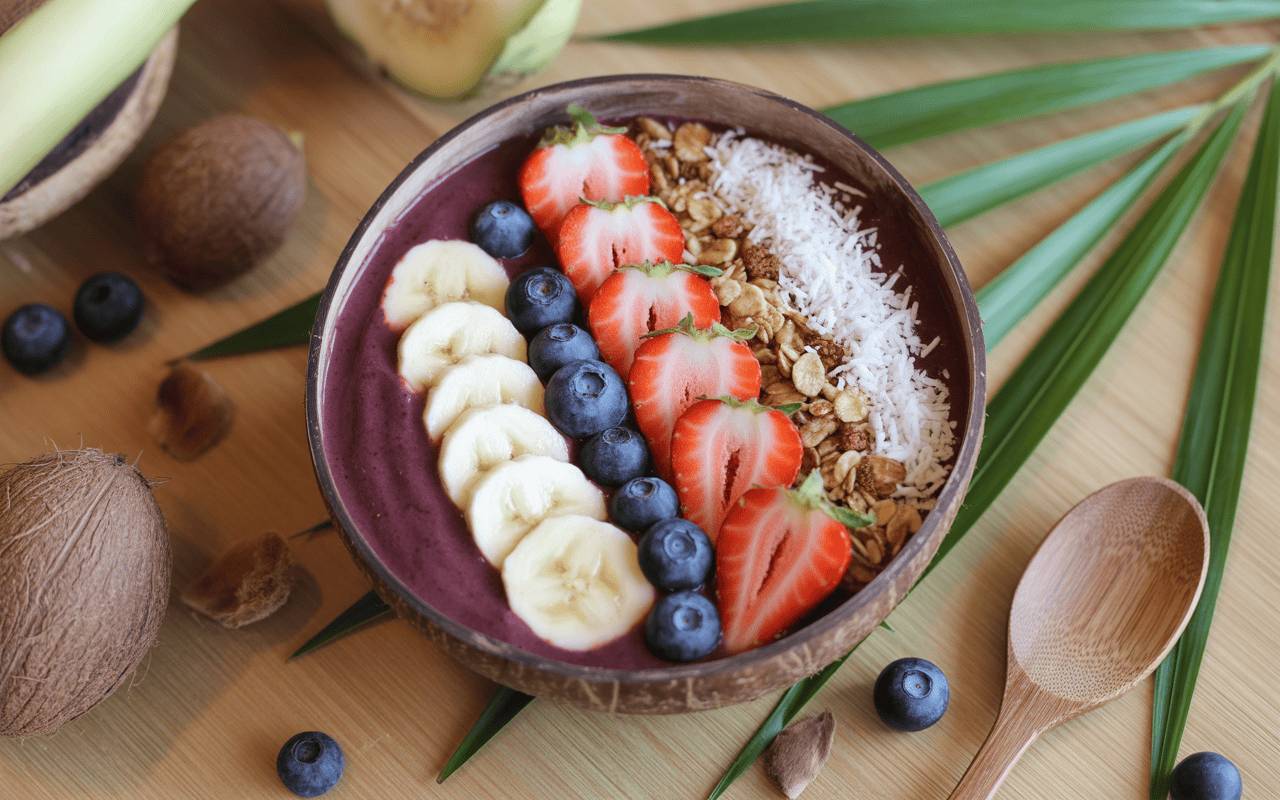
What if your breakfast could taste like a tropical vacation while actively protecting your heart health? The tropical açaí bowl has emerged as more than just an Instagram-worthy food trend—it’s a powerful example of preventive medicine that brings together nutrient-dense superfoods in a delicious, customizable meal.
Dr. Ratan Tiwari, a board-certified cardiologist with PromiseCare Medical Group in Hemet, CA, emphasizes that cardiovascular disease prevention begins with daily dietary choices. “The antioxidants found in açaí berries and tropical fruits can play a meaningful role in reducing inflammation and supporting heart health,” notes Dr. Tiwari. “When patients ask me about incorporating more heart-healthy foods into their diet, açaí bowls prepared with whole-food ingredients are an excellent starting point.”
This comprehensive guide explores the nutritional science behind tropical açaí bowls, their cardiovascular benefits, and how to create versions that maximize health benefits while satisfying your taste buds. Whether you’re managing blood pressure, concerned about cholesterol levels, or simply want to embrace preventive medicine through nutrition, understanding the power of this tropical superfood can transform your approach to heart-healthy eating.
Understanding Açaí: The Amazon’s Purple Superfood
The Origins and Nutritional Profile of Açaí Berries
Açaí berries (pronounced ah-sigh-EE) grow on towering açaí palm trees native to the tropical rainforests of Central and South America, particularly the Amazon region of Brazil. For centuries, indigenous communities have relied on these small, grape-like berries as a dietary staple, recognizing their exceptional nutritional value long before modern science validated their health benefits.
What makes açaí berries stand out in the superfood category is their remarkable concentration of anthocyanins—powerful antioxidants that give the berries their distinctive deep purple color. Research published in the journal Nutrients demonstrates that açaí berries provide comprehensive nutritional support to multiple organ systems, including the heart, liver, kidneys, gut, and nervous system.
Dr. Michael Curley, a family medicine physician with over 37 years of experience serving the PromiseCare Medical Group network in Hemet, Murrieta, and Temecula, has witnessed the growing interest in functional foods among his patients. “I encourage my patients, particularly those in my geriatric medicine practice, to view food as preventive medicine,” explains Dr. Curley. “Açaí berries exemplify this approach—they’re naturally rich in healthy fats, fiber, and antioxidants without requiring any processing or supplementation.”
The Antioxidant Powerhouse: Why Anthocyanins Matter
The primary health benefits of açaí berries stem from their exceptionally high concentration of anthocyanins, a type of flavonoid that belongs to the larger family of polyphenols. These plant compounds demonstrate remarkable protective effects against oxidative stress, the cellular damage caused by free radicals that contributes to aging and chronic disease development.
A 100-gram serving of frozen açaí berry puree contains:
- High levels of anthocyanins (significantly higher than most berries)
- Omega-3 and omega-6 fatty acids supporting cardiovascular function
- Dietary fiber (approximately 2-3 grams) promoting digestive health
- Vitamins B1 and B6 essential for nervous system function
- Minerals including potassium, calcium, and iron
- Approximately 60-70 calories when unsweetened
Clinical research published in the American Heart Association journal demonstrates that regular consumption of anthocyanin-rich berries can reduce systolic blood pressure by an average of 4.1 mm Hg—a clinically significant improvement for cardiovascular health. Additionally, studies show açaí juice consumption increases HDL cholesterol (the “good” cholesterol) that removes harmful cholesterol forms from the bloodstream, offering protection against heart disease.
The Cardiovascular Benefits of Tropical Açaí Bowls
How Açaí Supports Heart Health and Blood Pressure
The relationship between açaí berry consumption and cardiovascular disease prevention extends beyond simple antioxidant activity. Multiple mechanisms work together to support heart health, making açaí an excellent addition to a Mediterranean diet or DASH diet (Dietary Approaches to Stop Hypertension) eating pattern.
Dr. Ratan Tiwari explains the cardioprotective mechanisms: “When we look at cardiovascular disease prevention, we focus on modifiable risk factors—inflammation, blood pressure, cholesterol levels, and blood sugar management. Açaí berries address multiple factors simultaneously through their unique nutritional composition.”
Key cardiovascular benefits include:
Inflammation Reduction: Chronic inflammation contributes significantly to atherosclerosis, the buildup of plaque in arteries that can lead to heart attacks and strokes. The anti-inflammatory properties of anthocyanins help reduce inflammatory markers in the bloodstream, potentially slowing the progression of cardiovascular disease.
Blood Pressure Management: The potassium content in açaí berries, combined with their flavonoid compounds, supports healthy blood pressure regulation. This is particularly important for patients with hypertension or those at risk for developing high blood pressure.
Cholesterol Optimization: Research demonstrates that açaí consumption can favorably affect the cholesterol profile by increasing HDL cholesterol while potentially reducing LDL cholesterol (the “bad” cholesterol) and triglycerides. This dual action makes açaí particularly valuable for cardiovascular health.
Blood Sugar Stabilization: Despite being a fruit, açaí berries have a relatively low glycemic index, meaning they don’t cause dramatic spikes in blood sugar levels. This makes them appropriate for patients managing diabetes or prediabetes when consumed as part of a balanced meal.
Improved Endothelial Function: The antioxidants in açaí support the health of the endothelium—the thin layer of cells lining blood vessels. Healthy endothelial function is crucial for maintaining proper blood flow and preventing cardiovascular complications.
The Role of Antioxidants in Preventive Cardiology
Understanding the role of antioxidants in preventive cardiology helps explain why foods like açaí berries have gained recognition in evidence-based nutritional recommendations. Dr. Bridget Briggs, a family practice physician with PromiseCare Medical Group in Menifee, emphasizes patient education about oxidative stress and cardiovascular health.
“I explain to my patients that oxidative stress is like rust forming on metal—it’s a natural process that damages cells over time,” says Dr. Briggs. “Antioxidants act like a protective coating, preventing that rust from forming. When we consume antioxidant-rich foods regularly, we’re giving our cardiovascular system daily protection against this cellular damage.”
The antioxidant capacity of açaí berries ranks among the highest of all fruits, surpassing even blueberries and cranberries in total antioxidant content. This exceptional antioxidant density means that even small servings of açaí can provide substantial protective benefits.
Emerging research also suggests that the phytochemicals in açaí berries may offer neuroprotective benefits, potentially reducing the risk of cognitive decline and dementia—conditions that often coexist with cardiovascular disease. While more human studies are needed to confirm these effects, the preliminary evidence is promising for those seeking comprehensive health benefits from their dietary choices.
Tropical Fruits: Maximizing Nutritional Benefits in Your Bowl
Mango: The Vitamin-Rich Tropical Treasure
Mangoes add natural sweetness and creamy texture to açaí bowls while contributing their own impressive nutritional profile. Often called the “king of fruits,” mangoes are native to South Asia but now thrive in tropical regions worldwide, including areas of Southern California.
Nutritional highlights of mangoes:
- Vitamin C powerhouse: One cup provides about 60% of daily vitamin C needs, supporting immune system function and collagen production
- Vitamin A abundance: Essential for vision health, immune function, and skin integrity
- Beta-carotene: A powerful antioxidant that the body converts to vitamin A
- Folate: Important for cell division and DNA synthesis
- Dietary fiber: Supports digestive health and helps maintain steady blood sugar levels
- Polyphenols: Including mangiferin, which demonstrates anti-inflammatory and potential anti-cancer properties
Research published in nutritional science journals shows that mango consumption may help reduce systolic blood pressure with long-term consumption. The fruit’s combination of potassium (supporting healthy blood pressure) and antioxidant compounds makes it particularly valuable for cardiovascular health.
Dr. William H. Cherry, a family practice physician with PromiseCare Medical Group, often recommends mangoes to patients looking to increase their fruit intake. “Mangoes offer a perfect example of how nature packages multiple beneficial nutrients together,” notes Dr. Cherry. “The natural sugars come bundled with fiber, vitamins, and minerals—unlike processed sweets that provide empty calories.”
Pineapple: The Enzyme-Rich Digestive Aid
Pineapples bring tangy brightness to tropical açaí bowls while offering unique health benefits, particularly for digestion and inflammation. Native to South America, pineapples contain an enzyme called bromelain that sets them apart from other fruits.
Key nutritional benefits of pineapple:
- Bromelain: A proteolytic enzyme with anti-inflammatory properties that aids protein digestion and may reduce inflammation
- Vitamin C abundance: More than 100% of daily needs in just one cup, supporting immune health and collagen synthesis
- Manganese: Essential for bone health, wound healing, and metabolism
- Dietary fiber: Promotes digestive regularity and supports gut health
- Low sugar content: Despite its sweet taste, pineapple contains relatively moderate natural sugars (about 10g per cup) compared to many fruits
- Hydration support: High water content helps maintain proper fluid balance
The bromelain in pineapple has attracted attention in preventive medicine research for its potential cardiovascular benefits. Studies suggest bromelain may influence blood coagulation by affecting fibrin, a protein involved in blood clotting. This property could benefit individuals with cardiovascular concerns, though patients taking blood-thinning medications should consult their physician before significantly increasing pineapple consumption.
“Pineapple’s bromelain content makes it particularly interesting from a digestive health perspective,” explains Dr. Curley. “Many of my patients dealing with digestive issues or inflammation find that including pineapple in their diet, whether in açaí bowls or other forms, helps with overall comfort and digestion.”
Coconut: Healthy Fats for Sustained Energy
Coconut products—whether fresh coconut flakes, coconut milk, or coconut water—add tropical flavor and important nutrients to açaí bowls. While coconuts have faced controversy in nutrition discussions due to their saturated fat content, emerging research reveals a more nuanced picture of their health effects.
Coconut nutrition profile:
- Medium-chain triglycerides (MCTs): A type of saturated fat that the body metabolizes differently than long-chain fats, providing quick energy
- Lauric acid: The predominant fatty acid in coconut, which may support immune function
- Manganese and copper: Essential minerals for enzyme function and antioxidant defense
- Iron and zinc: Supporting immune health and oxygen transport
- Fiber (in coconut flesh): Promoting digestive health and satiety
Coconut water, often used as a liquid base in açaí bowls, provides natural electrolytes including potassium, sodium, and magnesium—making it an excellent hydration choice, particularly after exercise.
The saturated fat in coconut primarily consists of lauric acid, which research suggests may have different metabolic effects than other saturated fats. While moderation remains important, particularly for individuals managing cholesterol levels, coconut in reasonable amounts can be part of a heart-healthy diet when balanced with other nutrient-dense foods.
Bananas: The Potassium Powerhouse
Bananas serve multiple purposes in tropical açaí bowls—they provide natural sweetness, create a creamy texture when blended, and offer substantial nutritional benefits, particularly for cardiovascular health.
Banana nutritional highlights:
- Potassium abundance: One medium banana provides about 400mg of potassium, supporting healthy blood pressure
- Vitamin B6: Essential for nervous system function and metabolism
- Vitamin C: Supporting immune function and antioxidant defense
- Dietary fiber: Including resistant starch that supports gut health
- Natural sugars: Providing quick energy without the crash associated with processed sugars
- Prebiotic effects: The resistant starch in bananas feeds beneficial gut bacteria
The relationship between potassium intake and cardiovascular health is well-established in medical literature. The DASH diet, which has demonstrated effectiveness in reducing blood pressure and supporting heart health, emphasizes potassium-rich foods like bananas.
Dr. Tiwari frequently discusses potassium with his cardiology patients: “Many people focus exclusively on reducing sodium for blood pressure management, but adequate potassium intake is equally important. The potassium in bananas helps counterbalance sodium’s effects on blood pressure, making them an excellent choice for cardiovascular health.”
Creating the Perfect Heart-Healthy Tropical Açaí Bowl
The Foundation: Choosing Quality Açaí Products
The nutritional quality of your tropical açaí bowl begins with selecting the right açaí products. Fresh açaí berries spoil quickly after harvest, which is why most açaí available outside of South America comes in frozen puree, powder, or juice form.
Quality considerations for açaí products:
Frozen Açaí Puree: Look for unsweetened frozen açaí puree packets that contain açaí berries as the only ingredient, or açaí berries blended with other fruits like banana or strawberry without added sugars. Reputable brands source their açaí from sustainable farms in the Amazon region and flash-freeze immediately after harvest to preserve nutritional content.
Açaí Powder: Made from freeze-dried açaí berries, powder form offers convenience and concentrated nutrients. Check ingredient labels to ensure you’re getting pure açaí without fillers, sweeteners, or additives. Açaí powder can be stored at room temperature and blended with frozen fruits to create açaí bowls.
Açaí Juice: While convenient, many açaí juices contain added sugars and have lower fiber content than whole berry products. If choosing juice, look for 100% açaí juice without added sweeteners.
Avoid: Commercial açaí products with added syrups, artificial sweeteners, or significant amounts of added sugar. These additives can transform a healthy superfood into a high-calorie, sugar-laden dessert that undermines cardiovascular health benefits.
Dr. Curley advises patients to read nutrition labels carefully: “The difference between a health-promoting açaí bowl and one that’s essentially dessert comes down to the ingredients. Look for products with minimal processing and no added sugars—you can always add natural sweetness through whole fruits.”
Building Blocks: Essential Ingredients for Cardiovascular Health
Creating a heart-healthy tropical açaí bowl requires thoughtful ingredient selection that balances taste with nutritional density. The Mediterranean diet and plant-based diet principles can guide these choices.
The Ideal Açaí Bowl Structure:
Base Layer (Foundation):
- 100g unsweetened frozen açaí puree
- 1/2 frozen banana for creaminess
- 1/4 cup unsweetened coconut water, almond milk, or low-fat milk
- Optional: 1 tablespoon açaí powder for extra antioxidant boost
Tropical Fruit Toppings:
- 1/4 cup fresh mango chunks (vitamin C, vitamin A, mangiferin)
- 1/4 cup fresh pineapple chunks (bromelain, vitamin C, digestive support)
- 2 tablespoons unsweetened coconut flakes (healthy fats, MCTs)
- 1/2 sliced banana (potassium, vitamin B6)
- Optional: Fresh strawberries or kiwi for variety
Nutrient Boosters:
- 1 tablespoon chia seeds (omega-3 fatty acids, fiber, protein)
- 1 tablespoon hemp seeds (complete protein, omega-3s)
- 1 tablespoon ground flaxseed (omega-3s, lignans, fiber)
- 2 tablespoons raw almonds or walnuts (healthy fats, vitamin E, magnesium)
- Optional: Cacao nibs (additional antioxidants, iron)
Healthy Carbohydrate Options:
- 2-3 tablespoons unsweetened granola (preferably homemade with oats, nuts, seeds)
- Optional: A small amount of raw honey or coconut nectar if additional sweetness is desired (use sparingly)
What to Limit or Avoid:
- Sweetened granola high in added sugars
- Chocolate syrup or candy toppings
- Excessive nut butter (while healthy, it’s calorie-dense; limit to 1-2 tablespoons)
- Sugary syrups or honey drizzles
- Large portions that exceed 400-500 calories
Preparation Techniques for Maximum Nutritional Benefit
The method you use to prepare your tropical açaí bowl can impact both its texture and nutritional value. Dr. Briggs emphasizes the importance of proper preparation: “The goal is to create a nutrient-dense meal that you’ll actually enjoy eating regularly. If your açaí bowl doesn’t taste good, you won’t stick with it as a healthy habit.”
Optimal Preparation Steps:
- Start with properly frozen ingredients: Keep your açaí puree, banana, and other fruits frozen solid until ready to blend. This creates the thick, spoonable consistency that characterizes açaí bowls.
- Use minimal liquid: Start with just 1/4 cup of liquid (coconut water, almond milk, or regular milk) and add more only if needed. Too much liquid creates a smoothie rather than a thick bowl.
- Blend in stages: Break up the frozen açaí packet into chunks and add to a high-powered blender with frozen banana and liquid. Blend on low speed, using the tamper to push ingredients toward the blades, gradually increasing speed until smooth.
- Achieve the right consistency: The mixture should be thick enough to hold toppings without them sinking—similar to soft-serve ice cream. If too thick, add liquid one tablespoon at a time. If too thin, add more frozen fruit.
- Work quickly: Once blended, immediately transfer to a bowl and add toppings. Açaí bowls begin melting quickly at room temperature, especially in warm weather.
- Layer thoughtfully: Arrange toppings in sections or concentric circles for visual appeal and to ensure each bite contains varied flavors and textures.
Time-Saving Preparation Tips:
- Pre-portion ingredients into freezer bags for quick morning assembly
- Use frozen tropical fruit blends (mango, pineapple, strawberry) to simplify shopping
- Make homemade granola in large batches for the week
- Prep chia seed pudding the night before and layer it into your açaí bowl
- Keep nuts and seeds in small containers for easy measuring
Portion Control and Calorie Management
While açaí bowls offer tremendous nutritional benefits, portion control remains important for maintaining a healthy weight and managing cardiovascular risk factors. Commercial açaí bowls from cafes and restaurants often contain 500-1,000 calories due to oversized portions and excessive toppings.
Dr. Tiwari addresses portion concerns with his cardiology patients: “I see many patients who believe they’re making healthy choices by eating açaí bowls regularly, but they’re consuming what amounts to two or three servings in a single bowl. For cardiovascular health, we need to consider total caloric intake along with nutritional quality.”
Portion Guidelines for Heart Health:
For a complete meal (breakfast or lunch):
- Total calories: 300-450 calories
- Base: 100-150g açaí puree (100-150 calories)
- Fruits: 1-1.5 cups total (80-120 calories)
- Toppings: 2-3 tablespoons nuts/seeds/granola (100-150 calories)
- Healthy fats: 1 tablespoon nut butter or 2 tablespoons coconut flakes (50-100 calories)
For a snack or post-workout option:
- Total calories: 200-300 calories
- Base: 75-100g açaí puree (75-100 calories)
- Fruits: 3/4 cup total (60 calories)
- Toppings: 1-2 tablespoons nuts/seeds (50-100 calories)
Strategies for Reasonable Portions:
- Use measuring cups and spoons initially to understand appropriate serving sizes
- Choose smaller bowls to make portions appear larger
- Fill half the bowl with fresh fruit, which is lower in calories than nuts and granola
- Limit granola to 2-3 tablespoons (it’s typically 100-150 calories per 1/4 cup)
- Add volume with low-calorie options like sliced strawberries or kiwi
- Include protein-rich toppings like hemp seeds or Greek yogurt to increase satiety
Preventive Medicine Through Nutrition: A Medical Perspective
The Role of Functional Foods in Cardiovascular Disease Prevention
The concept of food as medicine isn’t new, but modern preventive medicine increasingly recognizes the powerful role that functional foods—foods with health benefits beyond basic nutrition—play in disease prevention and management.
Dr. Curley, who specializes in geriatric medicine and has witnessed the evolution of preventive care over his 37-year career, explains: “We’ve moved from thinking about nutrition simply in terms of vitamin and mineral deficiencies to understanding how specific foods and food components can actively prevent disease. Açaí bowls exemplify this shift—they’re not just nutritious; they contain bioactive compounds that interact with our body’s systems to reduce disease risk.”
The Mediterranean diet, consistently ranked as one of the healthiest eating patterns by medical organizations worldwide, shares many principles with thoughtfully constructed açaí bowls:
- Emphasis on plant-based foods including fruits, vegetables, whole grains, legumes, and nuts
- Inclusion of healthy fats from nuts, seeds, and plant sources
- Minimal processed foods and added sugars
- Focus on whole, minimally processed ingredients
- Rich in antioxidants, fiber, and anti-inflammatory compounds
Research published in the Journal of the American College of Cardiology demonstrates that dietary modification can prevent many primary and secondary cardiovascular events. Current cardiovascular disease prevention guidelines recommend diets high in fruits, vegetables, whole grains, nuts, and legumes—all components that can be incorporated into or alongside tropical açaí bowls as part of a comprehensive eating pattern.
Primary Care Physicians’ Nutritional Recommendations
Primary care physicians within the PromiseCare Medical Group network emphasize evidence-based nutritional counseling as a cornerstone of preventive medicine. This approach aligns with recommendations from major medical organizations including the American Heart Association and the American College of Cardiology.
“Nutrition counseling is one of the most powerful tools we have in primary care,” notes Dr. Briggs. “When patients understand how specific foods affect their cardiovascular risk factors—blood pressure, cholesterol, inflammation, blood sugar—they become partners in their own health management.”
Key nutritional principles emphasized by PromiseCare physicians:
Whole Foods First: Prioritize whole, minimally processed foods over supplements. While certain supplements have their place, they cannot replicate the complex interactions of nutrients found in whole foods.
Dietary Patterns Over Individual Foods: Focus on overall eating patterns rather than fixating on single “superfoods.” Even the healthiest individual food like açaí becomes less beneficial when consumed as part of an otherwise poor diet.
Personalization: Nutritional recommendations should consider individual health conditions, medications, cultural preferences, and lifestyle factors. What works for one patient may not be appropriate for another.
Sustainability: The best diet is one you can maintain long-term. Extreme restrictions or unsustainable practices rarely lead to lasting health improvements.
Professional Guidance: Patients with specific health conditions, particularly cardiovascular disease, diabetes, or kidney disease, should work with their physician and potentially a registered dietitian to develop appropriate nutritional strategies.
Integrating Açaí Bowls into a Heart-Healthy Lifestyle
Dr. Tiwari emphasizes that while açaí bowls can be an excellent component of a heart-healthy diet, they should be viewed as part of a comprehensive cardiovascular disease prevention strategy.
Complete cardiovascular health approach includes:
Nutrition: Following a heart-healthy eating pattern like the Mediterranean diet or DASH diet, with açaí bowls serving as a nutritious meal option within that framework.
Physical Activity: Regular exercise—at least 150 minutes of moderate-intensity aerobic activity per week—remains crucial for cardiovascular health.
Weight Management: Maintaining a healthy body weight reduces strain on the heart and helps control blood pressure, cholesterol, and blood sugar.
Stress Management: Chronic stress contributes to cardiovascular disease risk through multiple mechanisms. Stress reduction techniques support overall heart health.
Sleep Quality: Adequate sleep (7-9 hours nightly for most adults) is essential for cardiovascular health, affecting blood pressure, inflammation, and metabolic function.
Tobacco Avoidance: Smoking and tobacco use are among the most significant modifiable cardiovascular risk factors.
Medication Adherence: For patients requiring medication for blood pressure, cholesterol, or other conditions, adherence to prescribed treatments remains essential alongside dietary improvements.
Regular Check-ups: Routine monitoring of blood pressure, cholesterol, blood sugar, and other cardiovascular risk factors allows for early intervention when needed.
“I tell my cardiology patients that dietary changes like incorporating açaí bowls work best when they’re part of a comprehensive lifestyle approach,” explains Dr. Tiwari. “No single food will overcome the effects of inactivity, chronic stress, or poor sleep. But when combined with other healthy habits, nutrient-dense foods like açaí can significantly impact cardiovascular outcomes.”
Common Questions About Tropical Açaí Bowls and Heart Health
Are açaí bowls suitable for people with diabetes?
Açaí bowls can be appropriate for individuals managing diabetes, but careful attention to ingredients and portion sizes is essential. Dr. Curley addresses this question frequently with his patients:
“The key is controlling total carbohydrate intake and ensuring the bowl doesn’t cause blood sugar spikes. Use unsweetened açaí, limit high-glycemic fruits, include protein and healthy fats to slow sugar absorption, and monitor portion sizes carefully. I recommend my diabetic patients work with a dietitian to determine appropriate carbohydrate targets for each meal.”
For diabetes management:
- Choose unsweetened açaí puree without added sugars
- Limit banana to 1/4 cup and focus on lower-glycemic fruits like strawberries
- Add protein sources like Greek yogurt, protein powder, or nut butter
- Include healthy fats from nuts, seeds, or avocado to slow carbohydrate absorption
- Measure total carbohydrates (aim for 30-45g for a meal)
- Monitor blood sugar response to understand individual tolerance
- Consider timing açaí bowls post-exercise when insulin sensitivity is higher
How do açaí bowls compare to smoothies for cardiovascular health?
Both açaí bowls and smoothies can support cardiovascular health when prepared with nutrient-dense ingredients, but they serve different purposes. Dr. Briggs explains the distinction:
“Açaí bowls, when prepared correctly, have a thicker consistency that encourages slower eating and more mindful consumption. The toppings add texture and variety that can increase satisfaction. Smoothies are more liquid and can be consumed quickly, which sometimes leads to overconsumption of calories and less satiety.”
Advantages of açaí bowls:
- Slower eating pace promotes satiety
- Textural variety from toppings increases meal satisfaction
- Visual appeal can enhance enjoyment and mindfulness
- Better opportunity to include nuts, seeds, and granola
- Less likely to consume excessive portions quickly
Advantages of smoothies:
- More portable and convenient
- Easier to incorporate greens like spinach or kale
- Can include protein powder more seamlessly
- Better option for post-workout recovery when quick absorption is desired
- Simpler preparation and cleanup
Both options can be part of a heart-healthy diet—choose based on your preferences, schedule, and health goals.
Can açaí bowls help lower cholesterol?
The antioxidants and healthy fats in well-constructed açaí bowls may support healthy cholesterol levels as part of a comprehensive dietary approach. Dr. Tiwari provides context:
“Research shows that açaí consumption can increase HDL cholesterol—the ‘good’ cholesterol that removes harmful cholesterol from the bloodstream. The fiber from fruits, nuts, and seeds also helps reduce LDL cholesterol absorption. However, açaí bowls alone won’t overcome high cholesterol caused by a poor overall diet or genetic factors.”
For cholesterol management through açaí bowls:
- Include soluble fiber sources like chia seeds, flaxseed, and oats
- Add walnuts for omega-3 fatty acids that support healthy cholesterol
- Avoid adding saturated fat sources like sweetened granola or excessive coconut
- Combine with a plant-based diet rich in fruits, vegetables, legumes, and whole grains
- Reduce processed foods, trans fats, and excessive saturated fats in overall diet
- Work with your physician to monitor cholesterol levels and adjust approach as needed
Are there any concerns about sugar content in açaí bowls?
Sugar content is a valid concern with açaí bowls, particularly because commercial versions often contain excessive added sugars. Dr. Curley addresses this important topic:
“Natural sugars from whole fruits come packaged with fiber, vitamins, and minerals, which is very different from added sugars in processed foods. However, total sugar intake still matters, especially for cardiovascular health. A homemade açaí bowl with unsweetened açaí and whole fruits might have 25-35g of natural sugar, which is reasonable when consumed as a meal. Commercial bowls with added syrups can contain 60-100g of total sugar—that’s excessive and counterproductive for heart health.”
Managing sugar in açaí bowls:
- Always choose unsweetened frozen açaí puree
- Limit high-sugar fruits (avoid dates, dried fruits, fruit juices as sweeteners)
- Skip honey, agave, or syrup drizzles
- Use frozen banana for natural sweetness
- Balance fruit with protein and healthy fats to slow sugar absorption
- Consider total daily sugar intake, not just from the açaí bowl
- If you have diabetes or prediabetes, work with your healthcare team on appropriate sugar targets
What about food safety and açaí?
Food safety with açaí products is generally excellent when purchasing from reputable brands. Dr. Briggs notes: “Frozen açaí puree from established brands undergoes rigorous quality control. The freezing process preserves both nutritional content and food safety. The main concern is ensuring products are kept frozen until use and consumed promptly after thawing.”
Food safety guidelines:
- Purchase açaí from reputable suppliers and brands
- Check expiration dates on frozen products
- Keep açaí frozen until ready to use
- Blend frozen açaí immediately before consumption
- Consume prepared açaí bowls within 10-15 minutes for best quality
- Don’t refreeze açaí once thawed
- Wash all fresh fruit toppings thoroughly before use
- Store nuts and seeds properly to prevent rancidity
Advanced Açaí Bowl Variations for Different Health Goals
For Blood Pressure Management: The Heart-Smart Tropical Bowl
This variation emphasizes potassium-rich ingredients and minimizes sodium while incorporating foods specifically studied for their blood pressure-lowering effects.
Ingredients:
- 100g unsweetened frozen açaí puree
- 1/2 frozen banana (potassium)
- 1/4 cup unsweetened coconut water (electrolyte balance)
- 1/4 cup fresh mango chunks (potassium, antioxidants)
- 1/4 cup fresh pineapple (bromelain, vitamin C)
- 1 tablespoon ground flaxseed (omega-3 fatty acids)
- 2 tablespoons unsalted almonds (magnesium)
- 1/4 cup sliced strawberries (vitamin C, anthocyanins)
- Optional: Pinch of cinnamon (may support blood pressure)
Nutritional focus: High potassium-to-sodium ratio, omega-3 fatty acids, antioxidants, magnesium
Why it works for blood pressure: The DASH diet, proven effective for hypertension management, emphasizes high potassium intake from fruits and vegetables along with low sodium. This bowl provides approximately 600-700mg of potassium with minimal sodium, supporting healthy blood pressure regulation.
For Anti-Inflammation: The Antioxidant Powerhouse Bowl
This variation maximizes antioxidant content and includes foods with demonstrated anti-inflammatory properties.
Ingredients:
- 100g unsweetened frozen açaí puree
- 1 tablespoon açaí powder (concentrated antioxidants)
- 1/2 frozen banana
- 1/4 cup pomegranate juice (replace with coconut water if watching sugar)
- 1/4 cup frozen blueberries (additional anthocyanins)
- 1/4 cup fresh pineapple (bromelain)
- 1 tablespoon chia seeds (omega-3 fatty acids)
- 2 tablespoons walnuts (omega-3 fatty acids)
- 1 teaspoon cacao nibs (flavonoids)
- Fresh turmeric root (1/4 inch grated) or 1/4 teaspoon turmeric powder (curcumin)
- Small pinch of black pepper (enhances turmeric absorption)
Nutritional focus: Maximum antioxidant diversity, omega-3 fatty acids, anti-inflammatory compounds
Why it works: This bowl combines multiple sources of antioxidants (anthocyanins from açaí and blueberries, flavonoids from cacao, curcumin from turmeric) with anti-inflammatory omega-3 fatty acids and bromelain, creating a synergistic effect for reducing inflammation.
For Digestive Health: The Gut-Friendly Tropical Bowl
This version emphasizes fiber, probiotics, and digestive enzymes to support gut health—increasingly recognized as important for cardiovascular health through the gut-heart axis.
Ingredients:
- 100g unsweetened frozen açaí puree
- 1/2 frozen banana
- 1/4 cup kefir or unsweetened probiotic yogurt (probiotics)
- 1/4 cup fresh papaya (papain enzyme)
- 1/4 cup fresh pineapple (bromelain enzyme)
- 2 tablespoons hemp seeds (fiber, protein)
- 1 tablespoon ground flaxseed (fiber, omega-3s)
- 1 tablespoon unsweetened coconut flakes (MCTs)
- 1 kiwi, sliced (vitamin C, actinidin enzyme, fiber)
- Optional: 1 teaspoon inulin powder (prebiotic fiber)
Nutritional focus: Digestive enzymes, probiotics, prebiotic fiber, omega-3 fatty acids
Why it works: The combination of digestive enzymes (papain, bromelain, actinidin), probiotic-rich yogurt or kefir, and various fiber sources supports both digestive health and beneficial gut bacteria—factors that influence inflammation and cardiovascular health through the gut-heart axis.
For Post-Workout Recovery: The Protein-Enhanced Performance Bowl
This variation adds protein and includes nutrients that support muscle recovery and replenish energy stores after exercise—important for maintaining an active lifestyle as part of cardiovascular disease prevention.
Ingredients:
- 100g unsweetened frozen açaí puree
- 1/2 frozen banana
- 1 scoop vanilla protein powder (whey or plant-based)
- 1/4 cup unsweetened almond milk
- 1/4 cup fresh mango (carbohydrate replenishment)
- 1/4 cup fresh pineapple (anti-inflammatory)
- 2 tablespoons hemp seeds (complete protein, omega-3s)
- 1 tablespoon almond butter (healthy fats, vitamin E)
- 2 tablespoons granola (complex carbohydrates)
- Optional: 1 tablespoon cacao nibs (magnesium, iron)
Nutritional focus: Protein for muscle recovery, carbohydrates for glycogen replenishment, anti-inflammatory compounds
Why it works: Post-exercise nutrition requires protein for muscle repair, carbohydrates to restore glycogen, and antioxidants to combat exercise-induced oxidative stress. This bowl provides 25-30g protein along with approximately 50-60g carbohydrates and powerful antioxidants.
Seasonal Variations and Local Ingredient Adaptation
Summer Tropical Açaí Bowl
During warm months in the Inland Empire region of California, Dr. Cherry recommends emphasizing hydrating ingredients and seasonal local fruits when available.
Summer variation:
- Base: Standard açaí puree with extra coconut water
- Fruits: Fresh local strawberries, watermelon chunks, fresh peaches
- Hydration boost: Top with coconut water ice cubes
- Mint garnish for refreshing flavor
Benefits: Enhanced hydration during hot weather, support for active outdoor lifestyles, locally-sourced produce when possible
Fall Harvest Açaí Bowl
As temperatures cool in Southern California, incorporating warming spices and fall flavors can make açaí bowls more appealing.
Fall variation:
- Base: Standard açaí puree with 1/4 teaspoon cinnamon
- Fruits: Apple chunks, pear slices, persimmon (when available)
- Toppings: Pumpkin seeds, chopped pecans, unsweetened granola with cinnamon
- Warming spice: Pinch of nutmeg or cardamom
Benefits: Seasonal variety prevents boredom, cinnamon may support blood sugar management, fall fruits provide different antioxidant profiles
Winter Wellness Açaí Bowl
During cooler months, focus on immune-supporting ingredients while maintaining the tropical açaí base.
Winter variation:
- Base: Standard açaí puree with fresh ginger (1/4 inch grated)
- Fruits: Citrus segments (orange, grapefruit), pomegranate arils, kiwi
- Immune boost: Extra vitamin C from citrus
- Toppings: Brazil nuts (selenium), walnuts (omega-3s), bee pollen (if not allergic)
Benefits: Vitamin C and antioxidants support immune function, seasonal variety, selenium from Brazil nuts supports immune health
Spring Renewal Açaí Bowl
Spring brings new energy and fresh produce to Southern California markets.
Spring variation:
- Base: Standard açaí puree with fresh mint leaves blended in
- Fruits: Fresh strawberries, early-season stone fruits (if available), mango
- Green boost: Fresh spinach leaves blended into base (adds nutrients without affecting taste significantly)
- Toppings: Slivered almonds, chia seeds, edible flowers for visual appeal
Benefits: Increased vegetable intake through spinach, fresh seasonal flavors, visual appeal enhances enjoyment
Making Açaí Bowls Part of Your Long-Term Health Strategy
Establishing Sustainable Habits
Dr. Curley emphasizes that the most effective dietary changes are those that become sustainable habits rather than temporary efforts. “I’ve practiced family medicine for 37 years, and I’ve learned that patients who make gradual, sustainable changes achieve better long-term outcomes than those who attempt dramatic overnight transformations.”
Strategies for sustainable açaí bowl consumption:
Start gradually: If açaí bowls are new to you, begin with 2-3 times per week rather than daily. This allows your palate to adjust and prevents boredom.
Meal prep key components: Freeze banana slices and pre-portion other fruits in advance. This dramatically reduces preparation time on busy mornings.
Create variety: Rotate through different tropical fruit combinations and topping variations to prevent monotony. Aim for at least 3-4 different bowl “formulas” you can alternate.
Budget consciously: While açaí can be expensive, buying frozen puree in bulk and using seasonal fruits can make this a cost-effective meal option compared to restaurant breakfast.
Involve family: Açaí bowls appeal to various age groups. Creating a “family açaí bar” with different topping options can help establish healthy eating patterns for children while making preparation enjoyable.
Track your experience: Notice how açaí bowls affect your energy levels, satiety, and overall well-being. This awareness reinforces positive health behaviors.
Adjust as needed: Your nutritional needs may change with seasons, activity levels, or health conditions. Work with your PromiseCare physician to adjust your açaí bowl composition as needed.
Working With Your Healthcare Team
The physicians at PromiseCare Medical Group encourage patients to view their healthcare team as partners in achieving optimal health through nutrition and lifestyle modifications.
Dr. Briggs explains her approach: “When patients tell me they’re interested in improving their diet, I appreciate the opportunity to work together on specific, actionable strategies. Whether it’s incorporating açaí bowls, adopting a Mediterranean diet pattern, or making other positive changes, having regular check-ins helps ensure these modifications are working and appropriate for the individual’s unique health situation.”
When to consult with your physician about dietary changes:
- You have existing cardiovascular disease, diabetes, kidney disease, or other chronic conditions
- You’re taking medications that might interact with dietary changes (particularly blood thinners)
- You’re significantly changing your diet and want to monitor how it affects your health markers
- You experience unexpected symptoms after dietary modifications
- You’d like guidance on optimizing nutrition for your specific health goals
- You need help addressing barriers to healthy eating (food access, budget concerns, time constraints)
What to discuss with your PromiseCare physician:
- Current cardiovascular risk factors and how diet can address them
- Appropriate calorie and macronutrient targets for your health goals
- Specific foods or ingredients you should emphasize or limit based on your health conditions
- Realistic nutrition goals that fit your lifestyle and preferences
- Referral to a registered dietitian for comprehensive nutrition counseling if needed
- Progress monitoring through blood work (cholesterol, blood sugar, inflammatory markers)
The Role of Consistent Monitoring
Dr. Tiwari emphasizes the importance of monitoring cardiovascular health markers when making dietary changes: “I encourage my cardiology patients to view nutrition changes as an intervention that requires monitoring, just like medication. We track blood pressure, cholesterol, blood sugar, and weight to assess whether dietary modifications are having the desired effects.”
Key health markers to monitor:
Blood Pressure: Regular home monitoring or periodic checks at your physician’s office can demonstrate whether dietary changes like açaí bowl consumption are contributing to blood pressure management.
Lipid Panel: A comprehensive cholesterol test showing total cholesterol, LDL cholesterol, HDL cholesterol, and triglycerides should be checked periodically (typically annually, or more frequently if abnormal).
Hemoglobin A1C or Fasting Glucose: For diabetes monitoring or assessment of diabetes risk, these tests evaluate blood sugar control over time.
Body Weight and Body Mass Index: While not the only indicator of health, maintaining a healthy weight supports cardiovascular health and reduces strain on the heart.
Inflammatory Markers: In some cases, physicians may order tests like high-sensitivity C-reactive protein to assess inflammation levels.
Subjective Measures: Energy levels, digestive comfort, sleep quality, exercise tolerance, and overall sense of well-being provide important information about how dietary changes are affecting your health.
Conclusion: Embracing Food as Preventive Medicine
The tropical açaí bowl represents more than just a trendy health food—it exemplifies the powerful role that thoughtful nutrition choices play in preventive medicine and cardiovascular disease prevention. As highlighted by the PromiseCare Medical Group physicians serving the Inland Empire, the antioxidant-rich açaí berry combined with nutrient-dense tropical fruits, healthy fats from nuts and seeds, and careful attention to ingredient quality creates a meal that actively supports heart health.
Dr. Michael Curley summarizes the broader message: “Throughout my career in family medicine, I’ve witnessed the evolution from treating disease to preventing it through lifestyle modifications. Foods like açaí bowls, when prepared thoughtfully and consumed as part of a balanced diet, give patients an enjoyable way to take charge of their cardiovascular health.”
The key principles for creating heart-healthy tropical açaí bowls include:
- Choosing unsweetened açaí puree without added sugars or artificial ingredients
- Emphasizing whole tropical fruits like mango, pineapple, coconut, and banana for their unique nutritional benefits
- Including healthy fats and protein from nuts, seeds, and optional additions like Greek yogurt
- Practicing portion control to maintain a reasonable calorie intake
- Avoiding excessive sweeteners, sugary toppings, and oversized servings
- Viewing açaí bowls as part of a comprehensive heart-healthy eating pattern like the Mediterranean diet or DASH diet
Dr. Ratan Tiwari, cardiologist with PromiseCare Medical Group, offers a final perspective: “Cardiovascular disease prevention requires a multifaceted approach—nutrition, physical activity, stress management, adequate sleep, and regular medical monitoring. Açaí bowls can be an excellent component of the nutritional piece, providing powerful antioxidants, anti-inflammatory compounds, and essential nutrients that support heart health. When my patients ask how they can support their cardiovascular health through diet, I’m enthusiastic about recommending nutrient-dense options like properly prepared açaí bowls.”
As you incorporate tropical açaí bowls into your lifestyle, remember that the most effective approach to preventive medicine involves consistency, balance, and partnership with your healthcare team. The physicians at PromiseCare Medical Group throughout the Inland Empire—serving communities in Hemet, Murrieta, Temecula, Menifee, and surrounding areas—are ready to support your journey toward optimal cardiovascular health through evidence-based nutritional guidance and comprehensive primary care.
Whether you’re managing existing cardiovascular risk factors or taking proactive steps to prevent heart disease, the tropical açaí bowl offers a delicious, scientifically-supported way to nourish your body with the powerful antioxidants, vitamins, minerals, and phytonutrients that support lifelong health. Start with quality ingredients, practice mindful preparation and portion control, and enjoy the tropical flavors while knowing you’re actively investing in your cardiovascular wellness.
About PromiseCare Medical Group
PromiseCare Partners operates the longest continually serving and largest Independent Physician Association network in the Inland Empire of California. The network includes dedicated physicians, hospitals, diagnostic centers, and nursing staff providing quality primary care and specialty services throughout Riverside and San Bernardino counties. With over 60 primary care doctors and 400+ specialists, PromiseCare physicians emphasize preventive medicine, chronic condition management, and patient-centered care across communities including Hemet, Murrieta, Temecula, Menifee, Corona, Riverside, and surrounding areas.
For more information about PromiseCare Medical Group services or to find a physician near you, visit https://promisecare.com or call (951) 390-2840.
Medical Disclaimer
This article is for informational and educational purposes only and should not replace professional medical advice, diagnosis, or treatment. Always seek the advice of your physician or other qualified healthcare provider with questions regarding your medical condition, dietary changes, or health concerns. Never disregard professional medical advice or delay seeking it because of information you read in this article.
Individual responses to dietary changes vary based on personal health conditions, medications, and other factors. The nutritional information and health benefits discussed in this article are based on current scientific research but may not apply to every individual. Before making significant changes to your diet, particularly if you have cardiovascular disease, diabetes, or other health conditions, consult with your healthcare provider.
The physicians mentioned in this article practice within the PromiseCare Medical Group network and provide examples of medical perspectives on nutrition and cardiovascular health. Their comments are for educational purposes and do not constitute a doctor-patient relationship or individual medical advice.