
Medical Disclaimer: This article is for informational and educational purposes only and should not be considered medical advice. The information provided is not intended to diagnose, treat, cure, or prevent any disease. Always consult with your physician or qualified healthcare provider before making any changes to your diet, especially if you have existing health conditions, take medications, or have concerns about how dietary changes might affect your health. Individual results may vary, and the health benefits discussed may not apply to everyone. The physicians mentioned are affiliated with PromiseCare Medical Group and provide this information as general health education, not as personalized medical advice for individual readers.
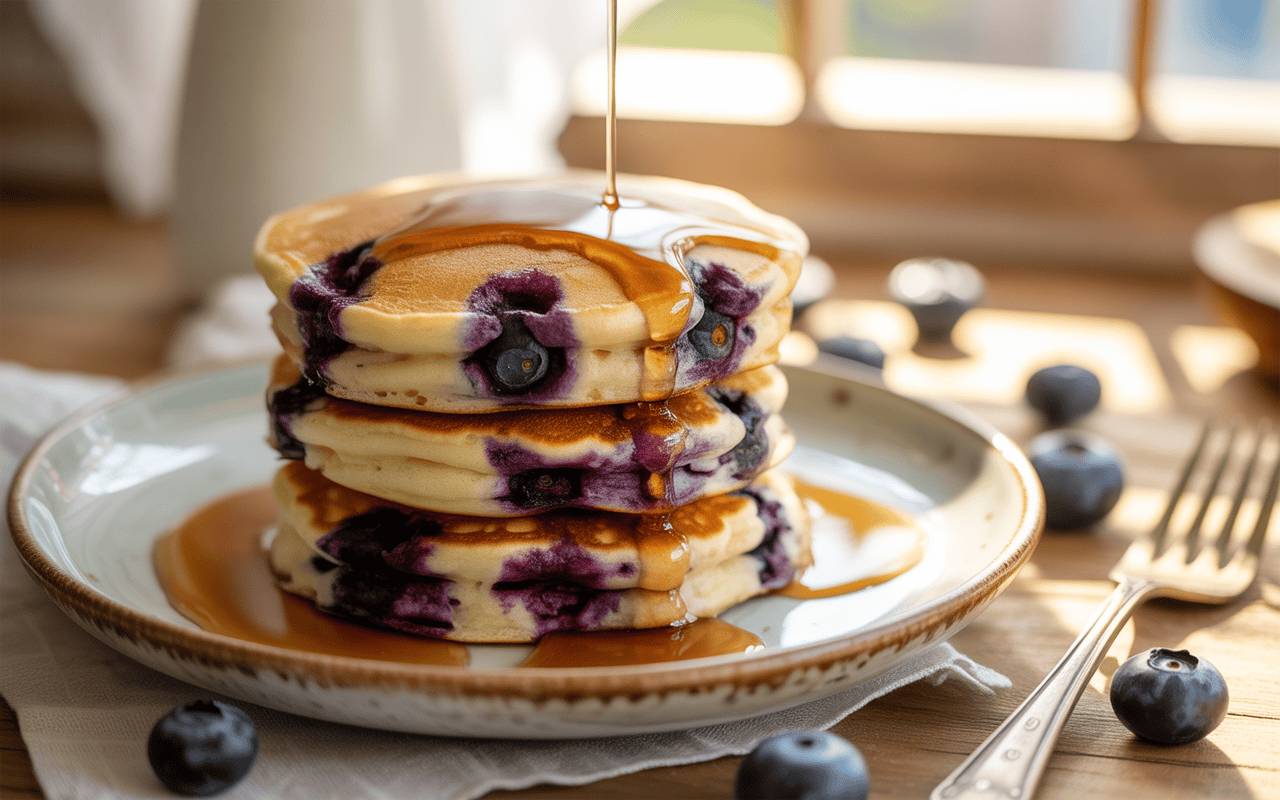
When Dr. Ratan Tiwari talks to his cardiology patients at PromiseCare Medical Group in Hemet, California, he emphasizes that cardiovascular health begins with the first meal of the day. For decades, traditional breakfast choices like sugary cereals and refined flour pancakes have contributed to rising rates of heart disease, type 2 diabetes, and metabolic syndrome in the Inland Empire. But blueberry protein pancakes—made with whole wheat flour, protein powder, Greek yogurt, and antioxidant-rich blueberries—represent a fundamental shift in how we approach breakfast as preventive medicine.
This isn’t just another healthy recipe trend. Blueberry protein pancakes combine evidence-based nutritional science with practical meal planning, delivering 20-25 grams of protein per serving alongside powerful anthocyanins that protect cardiovascular health. For patients managing hypertension, high cholesterol, or insulin resistance, this breakfast choice provides measurable metabolic benefits that complement medical treatment.
“The connection between nutrition and heart health isn’t just theory anymore,” explains Dr. Tiwari, who has spent years treating patients with cardiovascular conditions at PromiseCare’s Hemet location. “When patients make strategic choices about their morning meal, we see measurable improvements in blood pressure, cholesterol levels, and overall metabolic health. Blueberry protein pancakes check every box for what we want to see in a heart-healthy breakfast.”
The Science Behind Blueberries and Cardiovascular Protection
Blueberries have earned their reputation as a cardiovascular superfood through extensive clinical research. These small fruits contain remarkable concentrations of anthocyanins, the pigmented compounds responsible for their deep blue color. But anthocyanins do far more than provide visual appeal—they function as powerful antioxidants that protect blood vessels from oxidative stress and inflammation.
Dr. Michael Curley, a family medicine physician with over 37 years of experience serving patients throughout Hemet, Murrieta, and Temecula, regularly discusses antioxidant-rich foods with his patients. “Oxidative stress damages the endothelial cells lining our blood vessels,” Dr. Curley explains. “This damage triggers inflammation and contributes to atherosclerosis, the underlying process in most cardiovascular disease. Blueberries provide anthocyanins that neutralize free radicals before they can cause this cellular damage.”
Research published in the American Journal of Clinical Nutrition demonstrated that participants consuming one cup of blueberries daily experienced significant improvements in vascular function. The study found decreased arterial stiffness and increased HDL cholesterol—the beneficial type that helps remove harmful cholesterol from arteries. These findings suggest that regular blueberry consumption could reduce heart attack risk by up to 13 percent and cardiovascular disease risk by 11 to 15 percent.
The mechanism behind these benefits involves multiple pathways. Anthocyanins enhance nitric oxide production in blood vessels, which promotes vasodilation and improves blood flow. They also demonstrate anti-inflammatory properties by reducing C-reactive protein levels, a key marker of systemic inflammation linked to heart disease. Additionally, blueberries help regulate blood pressure through their effects on vascular smooth muscle and their rich potassium content, which helps balance sodium levels.
Understanding Protein’s Role in Metabolic Health
While blueberries provide cardiovascular protection, protein serves as the foundation for metabolic stability and sustained energy. Dr. Edivina Gonzales, an internal medicine specialist in the PromiseCare network, works extensively with patients managing type 2 diabetes and metabolic syndrome. She emphasizes protein’s critical role in glucose regulation and appetite control.
“Protein fundamentally changes how your body processes carbohydrates,” Dr. Gonzales notes. “When you eat carbohydrates alone—like traditional pancakes made with refined flour—glucose rapidly enters your bloodstream, causing blood sugar spikes followed by crashes. Adding protein slows gastric emptying and glucose absorption, creating a more gradual, stable rise in blood sugar levels.”
This stabilizing effect occurs through multiple mechanisms. Protein stimulates the release of incretin hormones, particularly glucagon-like peptide-1 (GLP-1) and peptide tyrosine-tyrosine (PYY), which enhance insulin secretion and improve insulin sensitivity. Simultaneously, protein suppresses ghrelin, the hunger hormone that drives excessive calorie consumption. This hormonal orchestra helps explain why protein-rich breakfasts reduce hunger throughout the morning and decrease total daily calorie intake.
The thermic effect of food (TEF) represents another metabolic advantage of protein consumption. Your body expends approximately 30 percent of protein’s calories simply digesting and processing it—significantly more than the 5-10 percent required for carbohydrates or the 0-3 percent for fats. This increased energy expenditure supports weight management and metabolic health, particularly important for patients working to prevent or manage diabetes.
Dr. David Stanford, an internal medicine physician practicing with PromiseCare, regularly discusses protein requirements with his patients. “Most Americans underestimate their protein needs,” he observes. “While the minimum recommendation is 0.8 grams per kilogram of body weight, research suggests 1.0 to 1.2 grams per kilogram provides better outcomes for weight management, muscle preservation, and blood sugar control. A breakfast providing 20-25 grams of protein sets the stage for better choices throughout the day.”
The Diabetes Connection: How Blueberry Protein Pancakes Support Blood Sugar Management
Type 2 diabetes represents one of the fastest-growing chronic conditions in the Inland Empire, affecting tens of thousands of residents. Dr. Abid Hussain, an internal medicine specialist serving patients through PromiseCare, sees the daily impact of this epidemic. But he also witnesses how dietary interventions—particularly breakfast choices—can dramatically alter disease trajectory.
“Diabetes management begins with understanding carbohydrate quality and protein pairing,” Dr. Hussain explains. “Traditional pancakes made with refined white flour and topped with syrup create the perfect storm for blood sugar dysregulation. They’re essentially rapid-acting carbohydrates that flood the bloodstream with glucose. But when we reconstruct pancakes using whole grains, protein powder, and blueberries, we create a entirely different metabolic response.”
Research specifically examining blueberry consumption in people with type 2 diabetes has revealed impressive benefits. An eight-week study published in Current Developments in Nutrition found that men with type 2 diabetes who consumed freeze-dried blueberries daily experienced significant reductions in total cholesterol, LDL cholesterol, and triglycerides compared to those receiving a placebo. Perhaps more remarkably, liver enzymes indicating metabolic stress decreased substantially, suggesting broader improvements in metabolic health.
The fiber content in whole grain pancakes and blueberries further supports glycemic control. Soluble fiber forms a gel-like substance in the digestive tract that slows glucose absorption and promotes feelings of fullness. This mechanism explains why research participants consuming blueberries regularly demonstrate improved insulin sensitivity—their cells become more responsive to insulin signals, requiring less insulin to manage the same glucose load.
Dr. Anita Jackson, a family medicine physician specializing in geriatric medicine and women’s health, works with many patients newly diagnosed with prediabetes. “The progression from prediabetes to type 2 diabetes isn’t inevitable,” Dr. Jackson emphasizes. “Small changes in morning nutrition can interrupt this progression. When patients replace their typical breakfast with blueberry protein pancakes, we often see fasting glucose levels improve within weeks. The combination of protein, fiber, and anthocyanins creates multiple mechanisms supporting healthier blood sugar patterns.”
Cardiovascular Benefits Beyond Blood Sugar: The Cholesterol and Blood Pressure Connection
While blood sugar management captures significant attention in diabetes prevention, cardiovascular health depends equally on cholesterol profiles and blood pressure control. Dr. Ratan Tiwari’s cardiology practice focuses extensively on these parameters, particularly in patients showing early signs of heart disease.
“Cholesterol management involves more than just medications,” Dr. Tiwari notes. “Diet profoundly influences both total cholesterol and the ratio between HDL and LDL cholesterol. Blueberries specifically impact these ratios through their effects on cholesterol absorption and LDL oxidation. When LDL cholesterol becomes oxidized through free radical damage, it’s far more likely to accumulate in arterial walls, forming the plaques that cause heart attacks and strokes.”
The anthocyanins in blueberries demonstrate anti-oxidative properties that prevent LDL oxidation. Multiple studies have confirmed that regular blueberry consumption reduces oxidized LDL levels in both healthy individuals and those with existing cardiovascular risk factors. Additionally, the soluble fiber in whole grain pancakes binds to cholesterol in the digestive tract, promoting its elimination and reducing overall cholesterol absorption.
Blood pressure management represents another critical aspect of cardiovascular health, particularly in the Inland Empire where rates of hypertension remain elevated. Dr. Gordon Skeoch, a family practice physician with PromiseCare, works with many patients struggling to control their blood pressure through lifestyle modifications before resorting to medications.
“Dietary protein has demonstrated consistent blood pressure-lowering effects in clinical trials,” Dr. Skeoch explains. “A comprehensive review of 40 studies found that increased protein intake reduced systolic blood pressure by an average of 1.76 mm Hg and diastolic blood pressure by 1.15 mm Hg. While these numbers might seem modest, they’re comparable to the effects of many antihypertensive medications, and the benefits compound when combined with blueberries’ vascular effects.”
The mechanisms behind protein’s blood pressure benefits involve several pathways. Certain amino acids, particularly arginine, serve as precursors for nitric oxide production. Nitric oxide causes blood vessels to relax and dilate, reducing the resistance against which the heart must pump. Additionally, protein’s effects on weight management indirectly support blood pressure control, as every kilogram of weight loss typically produces a 1 mm Hg reduction in blood pressure.
Blueberries contribute additional blood pressure benefits through their rich potassium content and polyphenol compounds. Potassium helps balance sodium’s effects on fluid retention and vascular tone. The polyphenols enhance endothelial function—the ability of blood vessel linings to respond appropriately to various stimuli. Research has shown that just six weeks of daily blueberry consumption can significantly improve flow-mediated dilation, a key measure of vascular health.
Inflammation and Chronic Disease: The Hidden Benefits of Antioxidant-Rich Breakfasts
Beyond measurable improvements in blood pressure, cholesterol, and blood sugar, blueberry protein pancakes address a more insidious threat to long-term health: chronic inflammation. Dr. Sylvia Gisi, a family practice physician with PromiseCare, emphasizes inflammation’s role in numerous age-related conditions.
“We’re increasingly recognizing that low-grade chronic inflammation underlies most of our modern chronic diseases,” Dr. Gisi explains. “Heart disease, diabetes, arthritis, cognitive decline, even certain cancers—all involve inflammatory processes. The foods we eat either fuel inflammation or help quench it. Blueberries rank among the most powerful anti-inflammatory foods available.”
The anthocyanins and other polyphenols in blueberries modulate inflammatory pathways at the cellular level. They inhibit the production of pro-inflammatory cytokines—signaling molecules that perpetuate inflammatory responses. They also activate nuclear factor erythroid 2-related factor 2 (Nrf2), a master regulator of antioxidant genes. When activated, Nrf2 triggers the production of numerous protective enzymes that neutralize free radicals and reduce oxidative stress.
C-reactive protein (CRP) serves as a standard marker for systemic inflammation. Elevated CRP levels predict increased risk for cardiovascular events, type 2 diabetes, and other chronic conditions. Studies examining blueberry supplementation have consistently demonstrated CRP reductions, sometimes by as much as 25-30 percent. These reductions translate to meaningful decreases in disease risk.
Protein consumption also influences inflammatory status, though through different mechanisms. Adequate protein intake supports immune function and tissue repair, preventing the inflammatory signals triggered by protein deficiency. Additionally, protein’s role in maintaining healthy body composition matters significantly—excess body fat, particularly visceral fat surrounding organs, acts as an inflammatory organ releasing pro-inflammatory compounds. By supporting weight management and muscle preservation, protein helps reduce this inflammatory burden.
Muscle Health and Metabolic Rate: The Often-Overlooked Benefits of Protein-Rich Breakfasts
Dr. John Schoonmaker, a family practice physician specializing in geriatric medicine and women’s health, frequently discusses muscle health with his aging patients. “Sarcopenia—age-related muscle loss—begins as early as our 30s,” Dr. Schoonmaker notes. “We lose approximately 3-8 percent of muscle mass per decade after age 30, accelerating after 60. This muscle loss isn’t just about strength and mobility, though those matter tremendously. It fundamentally alters metabolism and disease risk.”
Muscle tissue burns far more calories at rest than fat tissue. Each pound of muscle requires approximately 6-10 calories daily for maintenance, while fat requires only 2-3 calories. As muscle mass declines, resting metabolic rate falls proportionally, making weight gain easier and weight loss more difficult. This creates a vicious cycle where reduced activity leads to muscle loss, which lowers metabolic rate, leading to weight gain, which further reduces activity.
Protein intake directly influences this process. Research published in the Journal of Nutrition, Health & Aging demonstrated that adults consuming 25-30 grams of protein per meal maintained significantly more muscle mass during weight loss compared to those consuming lower amounts. The essential amino acids in protein—particularly leucine—trigger muscle protein synthesis, the process by which muscles grow and repair.
“Breakfast represents a critical opportunity to stimulate muscle protein synthesis,” Dr. Schoonmaker explains. “After an overnight fast, muscle cells are primed to respond to amino acid intake. A protein-rich breakfast activates mTOR signaling pathways that promote muscle growth and maintenance. This morning protein dose helps preserve lean mass, supporting metabolic health throughout the day.”
For older adults and individuals managing chronic conditions, muscle preservation takes on even greater importance. Dr. Bridget Briggs, a family practice physician with PromiseCare, works with many patients recovering from illness or managing conditions like diabetes where muscle loss poses particular risks.
“Muscle isn’t just about movement,” Dr. Briggs emphasizes. “It’s metabolically active tissue that helps regulate blood sugar. Muscle cells take up glucose from the bloodstream in response to insulin, serving as a crucial glucose disposal system. When we lose muscle mass, we lose this glucose management capacity, contributing to insulin resistance and diabetes risk. Maintaining muscle through adequate protein intake—especially at breakfast—directly supports metabolic health.”
The Gut Microbiome Connection: Fiber, Berries, and Digestive Health
Emerging research has revealed unexpected connections between berry consumption and gut microbiome health. Dr. Hemchand Kolli, an internal medicine specialist practicing with PromiseCare, follows microbiome research closely and discusses its implications with his patients.
“We’re learning that the health benefits of blueberries extend beyond their direct antioxidant effects,” Dr. Kolli explains. “When anthocyanins reach the large intestine, gut bacteria metabolize them into smaller compounds that may provide anti-inflammatory and metabolic benefits. These bacterial metabolites can influence everything from glucose metabolism to immune function.”
The fiber in whole grain pancakes and blueberries serves as prebiotic fuel for beneficial gut bacteria. Soluble fiber ferments in the colon, producing short-chain fatty acids like butyrate that nourish intestinal cells, reduce inflammation, and improve insulin sensitivity. This fiber-microbiome-metabolism connection helps explain why whole food sources of carbohydrates produce such different metabolic effects than refined grains.
Studies examining berry consumption and gut microbiome composition have found increases in beneficial bacteria species and decreases in inflammation-promoting species. These shifts in microbial populations may contribute to berries’ observed benefits for weight management, inflammation reduction, and metabolic health. The diversity of polyphenols in blueberries—including anthocyanins, flavonols, and phenolic acids—provides multiple substrates for bacterial metabolism, supporting a more diverse, healthier microbiome.
Practical Implementation: Making Blueberry Protein Pancakes Part of Your Health Strategy
Understanding the health benefits of blueberry protein pancakes matters little without practical strategies for incorporating them into daily routines. Dr. William Cherry, a family practice physician with PromiseCare, emphasizes the importance of sustainable dietary changes over short-term interventions.
“Patients often ask me about the latest diet trend or superfood,” Dr. Cherry notes. “But sustainable health improvements come from consistent, manageable changes to eating patterns. Blueberry protein pancakes succeed because they’re genuinely satisfying, relatively simple to prepare, and flexible enough to accommodate individual preferences and dietary restrictions.”
Several approaches can make these pancakes a regular part of breakfast routines. Batch preparation represents the most time-efficient method. Patients can prepare a large batch on weekends, storing cooked pancakes in the refrigerator for 3-5 days or freezing them for up to three months. Reheating takes just 60-90 seconds in a microwave or a few minutes in a toaster, making weekday mornings manageable.
For patients seeking optimal nutritional benefits, ingredient selection matters. Protein powder choice influences both nutritional profile and taste. Whey protein provides the highest leucine content and fastest absorption, supporting muscle protein synthesis effectively. Plant-based options like pea protein work well for those avoiding dairy, though they may require slightly higher doses to match whey’s amino acid profile. Greek yogurt adds both protein and beneficial probiotics, while offering a creamy texture that enhances pancake fluffiness.
Flour selection significantly impacts both nutritional value and glycemic response. Whole wheat flour provides more fiber, B vitamins, and minerals than refined white flour. Oat flour offers additional beta-glucan soluble fiber that specifically benefits cholesterol levels. Almond flour reduces overall carbohydrate content while adding healthy fats and vitamin E, though it creates a denser texture. Many patients find that blending flours—such as half whole wheat and half oat flour—produces ideal texture and nutrition.
The blueberries themselves merit consideration. While fresh blueberries provide optimal nutrition, frozen blueberries retain most anthocyanin content and offer year-round availability at lower cost. Research comparing fresh and frozen berries has found minimal nutritional differences, with some studies even suggesting frozen berries may have higher antioxidant levels due to being frozen at peak ripeness.
Customization for Specific Health Conditions
Note: The following information is for educational purposes only. If you have any chronic health conditions or take medications, please work with your healthcare provider or a registered dietitian to develop a nutrition plan appropriate for your specific needs.
Dr. Jorge Martinez, an internal medicine physician serving multiple PromiseCare locations, helps patients customize their blueberry protein pancakes based on specific health concerns and conditions.
For patients managing diabetes or prediabetes, maximizing protein content while moderating carbohydrates produces optimal blood sugar control. Using 1-2 scoops of protein powder per batch, adding Greek yogurt, and incorporating egg whites boosts protein to 25-30 grams per serving. Reducing flour quantity or using lower-carbohydrate alternatives like almond or coconut flour helps limit glucose response. Dr. Martinez suggests topping pancakes with additional protein sources like nut butter or Greek yogurt rather than traditional maple syrup, though small amounts of pure maple syrup remain acceptable given the overall meal composition.
Patients focused on cardiovascular health may want to emphasize ingredients that specifically support heart function. Adding ground flaxseed or chia seeds provides omega-3 fatty acids that reduce inflammation and support healthy cholesterol ratios. Substituting part of the flour with wheat germ adds vitamin E and additional fiber. Using egg whites instead of whole eggs reduces cholesterol and saturated fat intake, though Dr. Martinez notes that whole eggs in moderation don’t adversely affect cholesterol levels for most individuals.
For weight management, portion control and overall calorie content require attention. Three medium pancakes with modest toppings typically provide 300-400 calories with 20-25 grams of protein—an excellent macronutrient profile for breakfast. This combination provides sufficient energy and satiety without excessive calories. Patients working to lose weight may want to pair pancakes with additional protein sources like turkey sausage or a side of Greek yogurt to further enhance satiety and support muscle preservation during calorie restriction.
The Role of Breakfast Timing and Meal Frequency
Dr. Iglal El-Henawi, a general practice physician with PromiseCare, discusses breakfast timing with patients managing various metabolic conditions. “The timing of protein intake matters more than many people realize,” Dr. El-Henawi explains. “Research on chrononutrition—how meal timing affects metabolism—suggests that eating protein at breakfast provides distinct advantages for weight management and metabolic health.”
Studies have found that front-loading calorie and protein intake earlier in the day improves weight loss outcomes compared to consuming the same total calories with evening emphasis. This pattern aligns with circadian rhythms in insulin sensitivity and metabolic rate, which peak during morning hours. Eating a substantial, protein-rich breakfast when insulin sensitivity is highest promotes more efficient glucose disposal and reduces fat storage.
The phenomenon of “second meal effect” further supports hearty breakfast consumption. Research demonstrates that eating a high-protein, low-glycemic breakfast improves glucose tolerance not just immediately after breakfast, but also at lunch and throughout the afternoon. This means that starting the day with blueberry protein pancakes creates metabolic momentum that benefits subsequent meals, even if those meals contain more carbohydrates.
For patients practicing time-restricted eating or intermittent fasting, Dr. El-Henawi notes that breaking the fast with protein and antioxidants provides particular benefits. “After a fasting period, cells are primed to respond to nutrients,” he explains. “Starting with protein stimulates muscle protein synthesis while the anthocyanins in blueberries activate cellular stress response pathways that may enhance the metabolic benefits of fasting. It’s a synergistic combination.”
Special Considerations for Older Adults
The aging process creates unique nutritional needs that make protein-rich breakfasts particularly valuable. Dr. Michael Curley’s specialization in geriatric medicine informs his approach to discussing dietary strategies with older patients.
“Older adults face a phenomenon called anabolic resistance,” Dr. Curley explains. “As we age, muscle cells become less responsive to normal amounts of dietary protein. While younger adults might need 15-20 grams of protein to maximally stimulate muscle protein synthesis, older adults often require 25-40 grams. This higher threshold makes breakfast—traditionally a low-protein meal—crucially important for maintaining muscle mass in seniors.”
Sarcopenia, the age-related loss of muscle mass and function, contributes to falls, fractures, disability, and loss of independence. Adequate protein intake, particularly when distributed across multiple meals rather than concentrated at dinner, helps prevent or slow sarcopenic muscle loss. The leucine-rich protein in blueberry protein pancakes—especially those made with whey protein powder—effectively triggers muscle protein synthesis even in older adults.
Beyond muscle health, older adults face increased cardiovascular and metabolic disease risks. The combination of anthocyanin-rich blueberries and protein provides multiple protective mechanisms particularly relevant to aging populations. The anti-inflammatory effects help combat age-related inflammation—often called “inflammaging”—that underlies many chronic diseases. The blood pressure and cholesterol benefits become increasingly important as cardiovascular risk accumulates with age.
Cognitive health represents another area where blueberries show particular promise in older adults. Research published in Nutritional Neuroscience found that daily blueberry consumption improved memory and cognitive function in older adults with early cognitive decline. While the exact mechanisms remain under investigation, potential explanations include improved cerebral blood flow, reduced brain inflammation, and direct neuroprotective effects of anthocyanin metabolites crossing the blood-brain barrier.
Addressing Common Concerns and Misconceptions
Dr. Sylvia Gisi frequently addresses patient concerns about protein intake, particularly misconceptions about kidney health and high-protein diets. “I regularly hear patients worry that protein will damage their kidneys,” Dr. Gisi notes. “For individuals with normal kidney function, there’s no evidence that high-protein intake causes harm. The concern stems from recommendations for patients with existing kidney disease, who do need to moderate protein intake. But for healthy individuals, protein amounts well above the minimum requirement are safe and beneficial.”
Some patients express concerns about carbohydrates in pancakes, even when made with whole grains and paired with protein. Dr. Gisi emphasizes the importance of carbohydrate quality over simple avoidance. “Carbohydrates aren’t inherently problematic,” she explains. “Whole grain carbohydrates provide B vitamins, minerals, and fiber that support numerous aspects of health. When combined with protein and paired with antioxidant-rich blueberries, these carbohydrates contribute to a balanced, nutritious meal. The key is choosing minimally processed sources and appropriate portions.”
The use of protein powder occasionally raises questions about supplement necessity and naturalness. Dr. Bridget Briggs addresses these concerns pragmatically. “While whole food protein sources are ideal, protein powder serves as a convenient, efficient way to boost protein content without adding significant calories or preparation time. Quality protein powders undergo rigorous testing and provide standardized amounts of essential amino acids. For busy individuals struggling to meet protein needs, they’re a valuable tool.”
Cost considerations sometimes deter patients from purchasing fresh blueberries regularly, particularly during winter months when prices peak. Dr. William Cherry suggests practical alternatives: “Frozen blueberries cost a fraction of fresh berries and retain nearly identical nutritional value. Buying in bulk and freezing pancakes extends the value further. When we calculate the cost per serving and compare it to restaurant breakfasts or the long-term healthcare costs of chronic disease, the investment in nutrient-dense ingredients makes excellent financial sense.”
The Broader Context: Breakfast as Preventive Medicine
When PromiseCare physicians discuss blueberry protein pancakes with patients, they’re really talking about a fundamental shift in how we view food and health. Dr. Ratan Tiwari, the cardiologist who opened this discussion, returns to this theme regularly.
“Traditional medicine focuses on treating disease after it develops,” Dr. Tiwari reflects. “We prescribe statins for high cholesterol, blood pressure medications for hypertension, diabetes medications for elevated blood sugar. These treatments work, but they’re reactive. What if we could prevent these conditions from developing in the first place? That’s where nutrition becomes powerful medicine.”
The concept of food as medicine extends beyond individual nutrients or compounds. While anthocyanins in blueberries provide antioxidant benefits and protein supports metabolic health, the synergistic effects of consuming these nutrients together in whole food form may exceed the sum of individual components. This principle—that whole foods provide benefits beyond isolated nutrients—guides evidence-based nutrition recommendations.
The Inland Empire faces significant health challenges, including rates of obesity, diabetes, and heart disease that exceed national averages. These conditions don’t result from genetic predestination or bad luck. They emerge from the accumulated effects of thousands of small choices about what we eat, how we move, and how we manage stress. Breakfast choices, repeated 365 days per year, exert enormous influence on these health trajectories.
Dr. David Stanford emphasizes this point with his patients: “Every breakfast represents an opportunity—a choice between supporting your health or undermining it. Blueberry protein pancakes aren’t a miracle cure or a magic solution. But when you choose them consistently, when you make similar strategic choices throughout the day, you create a pattern that fundamentally alters your metabolic health and disease risk. That’s the power of nutritional medicine.”
Creating a Sustainable Breakfast Routine
The final challenge involves converting knowledge into action. Dr. Anita Jackson, with her focus on geriatric medicine and women’s health, has extensive experience helping patients establish sustainable health habits.
“Lasting behavior change requires making new habits easy and enjoyable,” Dr. Jackson explains. “If blueberry protein pancakes feel like a chore or sacrifice, patients won’t stick with them. The goal is to find preparation methods and flavor combinations that feel satisfying and feasible given individual circumstances.”
She suggests several strategies for establishing a breakfast routine. Starting with one or two days per week reduces pressure and allows for gradual adaptation. Many patients find that weekend breakfast provides a good starting point, when time pressure is lower and the meal can become a pleasant ritual. As comfort with preparation grows, expanding to additional days becomes natural.
Preparation can be simplified in numerous ways. Pre-measuring dry ingredients into containers allows for quick mixing. Using a blender to combine wet ingredients creates smoother batter with minimal effort. Investing in a quality griddle or electric skillet with temperature control ensures consistent results. Some patients prefer making larger pancakes that cook more quickly, while others enjoy silver-dollar sized pancakes that feel more abundant.
Essential Ingredients for Optimal Nutrition
The foundation of health-promoting blueberry protein pancakes starts with strategic ingredient selection. Whole wheat flour provides dietary fiber, B vitamins, and minerals absent from refined alternatives. When combined with oat flour, the beta-glucan content specifically targets cholesterol reduction, offering cardiovascular benefits beyond basic nutrition.
Protein powder selection significantly impacts both amino acid profile and digestibility. Whey protein isolate delivers the highest leucine concentration—approximately 2.5-3 grams per scoop—which directly stimulates muscle protein synthesis through mTOR pathway activation. Plant-based alternatives using pea protein, rice protein, or hemp protein provide complete amino acid profiles when properly formulated, though typically require 1.2-1.5 times the serving size to match whey’s anabolic effects.
Greek yogurt contributes both protein (15-20 grams per cup) and probiotics that support gut microbiome diversity. The fermentation process reduces lactose content while concentrating protein and calcium, making it easier to digest than regular yogurt. For individuals with lactose intolerance, lactose-free Greek yogurt or plant-based alternatives fortified with calcium and vitamin D provide suitable substitutes.
Fresh or frozen blueberries contain 80-100 milligrams of anthocyanins per cup, with wild blueberries (lowbush varieties) containing up to 50% more than cultivated highbush blueberries. Freezing doesn’t significantly degrade anthocyanin content—in fact, the ice crystal formation can rupture cell walls, potentially increasing anthocyanin bioavailability. Purchasing frozen organic blueberries in bulk provides year-round access to these powerful antioxidants at reasonable cost.
Flavor variety prevents monotony. While blueberries provide optimal health benefits, rotating in other berries—strawberries, raspberries, blackberries—provides different antioxidant profiles and prevents taste fatigue. Adding spices like cinnamon, nutmeg, or vanilla enhances flavor without added sugar. Experimenting with different toppings—Greek yogurt with honey, nut butter, cottage cheese, or even savory options like avocado—keeps meals interesting.
The PromiseCare Approach to Nutritional Medicine
The physicians at PromiseCare Medical Group share a common philosophy about the role of nutrition in healthcare. Whether cardiologist, family practitioner, or internal medicine specialist, they recognize that medication and procedures represent only part of comprehensive patient care. Helping patients understand how daily food choices impact long-term health outcomes is equally vital.
This approach aligns with growing recognition in healthcare that chronic disease prevention depends more on lifestyle factors than medical interventions. The American College of Cardiology, the American Diabetes Association, and numerous other medical organizations now emphasize lifestyle medicine as first-line therapy for many common conditions. Nutrition occupies the cornerstone of these recommendations.
For residents of Hemet, Murrieta, Temecula, and throughout the Inland Empire served by PromiseCare Medical Group, access to physicians who understand and emphasize nutritional medicine provides a valuable resource. These doctors don’t just treat existing conditions—they partner with patients in preventing disease and optimizing health.
Blueberry protein pancakes exemplify this preventive approach. They’re not marketed as a supplement or sold as a cure. They’re simply a strategic combination of nutrient-dense ingredients that support cardiovascular health, metabolic function, and overall wellness. When consumed regularly as part of a balanced diet, they contribute to the kind of eating pattern associated with reduced chronic disease risk and improved healthspan.
PromiseCare-Approved Blueberry Protein Pancake Recipe
Based on recommendations from PromiseCare physicians and optimized for cardiovascular health and blood sugar management, this recipe delivers 20-25 grams of protein per serving with powerful antioxidant protection.
Dry Ingredients:
- 1 cup whole wheat flour (provides 12g fiber, B vitamins, minerals)
- ½ cup oat flour (adds beta-glucan for cholesterol management)
- 2 scoops vanilla protein powder (whey or plant-based, approximately 40-50g protein)
- 2 teaspoons baking powder (for fluffy texture)
- 1 teaspoon cinnamon (blood sugar regulation, anti-inflammatory)
- ¼ teaspoon salt
Wet Ingredients:
- 1 cup plain Greek yogurt (15-20g protein, probiotics)
- 2 large eggs (12g protein, choline, vitamin D)
- 4 egg whites (14g additional protein, minimal fat)
- 1 cup unsweetened almond milk (or milk of choice)
- 1 medium ripe banana, mashed (natural sweetness, potassium)
- 1 teaspoon vanilla extract
- 2 tablespoons melted coconut oil or avocado oil
Mix-ins:
- 1½ cups fresh or frozen blueberries (80-100mg anthocyanins)
- Optional: 2 tablespoons ground flaxseed (omega-3 fatty acids, additional fiber)
Instructions:
- Prepare dry mixture: Whisk together whole wheat flour, oat flour, protein powder, baking powder, cinnamon, and salt in large bowl. This ensures even protein distribution and prevents clumping.
- Combine wet ingredients: In separate bowl, blend Greek yogurt, eggs, egg whites, almond milk, mashed banana, vanilla extract, and melted oil until smooth. Using a blender creates better texture by fully incorporating banana and breaking down protein powder.
- Combine wet and dry: Pour wet ingredients into dry ingredients, stirring gently until just combined. Batter should be slightly lumpy—overmixing develops gluten, creating tough pancakes. Let batter rest 5 minutes to allow flour hydration and protein powder absorption.
- Fold in blueberries: Gently fold blueberries into batter. If using frozen berries, don’t thaw first—frozen berries hold shape better during cooking and create beautiful purple swirls as they warm.
- Heat griddle: Preheat griddle or large skillet to medium heat (350°F). Lightly coat with cooking spray or small amount of oil. Test readiness by sprinkling water drops on surface—they should sizzle and evaporate within 2-3 seconds.
- Cook pancakes: Pour ¼ cup batter per pancake onto hot griddle. Cook 2-3 minutes until bubbles form on surface and edges look set. Flip carefully and cook additional 1-2 minutes until golden brown and cooked through. Internal temperature should reach 160°F for food safety.
- Serve immediately or store: Serve warm with suggested toppings (see below). For meal prep, cool completely on wire rack, then stack with parchment paper between pancakes. Refrigerate up to 5 days or freeze up to 3 months in freezer-safe bags.
Yield: 12-14 medium pancakes (approximately 4 servings)
Nutrition per serving (3 pancakes):
- Calories: 340-380
- Protein: 28-32g
- Carbohydrates: 42-48g
- Fiber: 8-10g
- Fat: 8-12g
- Sugar: 12-15g (natural sources)
- Sodium: 350-420mg
Heart-Healthy Topping Suggestions:
Instead of traditional maple syrup (which spikes blood sugar), try these PromiseCare-approved toppings that enhance nutritional benefits:
- Greek Yogurt & Berries: Add ½ cup Greek yogurt with fresh berries for additional protein and probiotics
- Nut Butter Drizzle: 1-2 tablespoons almond butter or peanut butter provides healthy fats and protein
- Cottage Cheese: High-protein, low-fat option with calcium for bone health
- Cinnamon & Banana: Sliced banana with cinnamon adds potassium without added sugars
- Small Amount Pure Maple Syrup: If desired, 1-2 tablespoons real maple syrup provides antioxidants and trace minerals
- Chia Seed Jam: Blend berries with chia seeds for low-sugar, high-fiber fruit spread
- Avocado Slices: For savory variation, adds omega-3s and heart-healthy monounsaturated fats
Frequently Asked Questions About Blueberry Protein Pancakes
Q: How much protein do I really need at breakfast?
A: PromiseCare physicians recommend 20-30 grams of protein at breakfast for most adults. This amount effectively stimulates muscle protein synthesis, promotes satiety through the morning, and supports stable blood sugar levels. For older adults (65+), aim for 25-40 grams due to anabolic resistance. For weight management, targeting the higher end (25-30g) produces better outcomes.
Q: Can I make these pancakes if I have diabetes?
A: Absolutely. Blueberry protein pancakes are specifically beneficial for diabetes management. The combination of protein, fiber, and complex carbohydrates creates a low-glycemic meal that prevents blood sugar spikes. The recipe provides approximately 8-10 grams of fiber per serving and 28-32 grams of protein, both of which slow glucose absorption. Monitor your individual blood sugar response—most patients find these pancakes cause minimal glucose elevation compared to traditional pancakes.
Q: Are frozen blueberries as healthy as fresh?
A: Yes. Research shows frozen blueberries retain 90-95% of their anthocyanin content. Berries are frozen at peak ripeness, often within hours of harvest, preserving their nutritional value. Fresh berries lose anthocyanins during storage and transport. Frozen blueberries are more economical and available year-round, making them an excellent choice for regular consumption.
Q: What’s the best protein powder for pancakes?
A: Whey protein isolate works best for most people—it mixes smoothly, has mild flavor, and provides the highest leucine content (critical for muscle protein synthesis). Choose vanilla flavor to complement the recipe. For plant-based options, pea protein or blended plant proteins (pea + rice + hemp) provide complete amino acid profiles. Avoid protein powders with artificial sweeteners or excessive additives.
Q: Can I make these pancakes gluten-free?
A: Yes. Replace the whole wheat flour with certified gluten-free oat flour or a gluten-free all-purpose flour blend (look for blends containing xanthan gum for better texture). Almond flour works but creates denser pancakes—use 1 cup almond flour plus ½ cup oat flour for better results. All other ingredients remain the same.
Q: How do these pancakes help with weight loss?
A: Multiple mechanisms support weight management. The high protein content (28-32g per serving) increases satiety and reduces hunger hormones like ghrelin. Protein has the highest thermic effect of food—your body burns 30% of protein calories during digestion. The fiber content (8-10g per serving) promotes fullness and supports healthy gut bacteria associated with better weight management. Finally, stable blood sugar prevents the energy crashes that drive overeating later in the day.
Q: Will eating too much protein damage my kidneys?
A: For individuals with normal kidney function, high protein intake doesn’t cause kidney damage—this is a persistent myth based on outdated research. Protein restriction is only necessary for people with existing kidney disease. If you have concerns about kidney health, consult with your PromiseCare physician for personalized guidance. For healthy adults, protein amounts well above minimum requirements are safe and beneficial.
Q: How should I store and reheat these pancakes?
A: For short-term storage (up to 5 days), refrigerate cooled pancakes in airtight container with parchment paper between layers to prevent sticking. For longer storage (up to 3 months), freeze pancakes in freezer-safe bags with parchment paper separating each pancake. Reheat refrigerated pancakes in microwave for 30-45 seconds or toaster for 2-3 minutes. Reheat frozen pancakes directly from freezer—microwave 60-90 seconds or toast 3-4 minutes.
Q: Can I add other ingredients to customize these pancakes?
A: Yes. Consider these additions: chia seeds or ground flaxseed (omega-3 fatty acids), wheat germ (vitamin E, additional protein), unsweetened cocoa powder (flavonoids), lemon zest (vitamin C, bright flavor), or pumpkin puree (vitamin A, moisture). Each addition alters nutritional profile slightly but generally enhances health benefits. Avoid adding chocolate chips, nuts, or dried fruit if focused on weight management or blood sugar control—these significantly increase calories and sugar.
Conclusion: Small Changes, Significant Impact
Important Reminder: The information in this article is for educational purposes and should not replace personalized medical advice from your healthcare provider. If you have cardiovascular disease, diabetes, kidney disease, or any other health condition, please consult with your physician before making significant dietary changes. Your doctor can help you determine the most appropriate nutritional strategy based on your individual health status, medications, and treatment plan.
The journey to better health doesn’t require radical transformation or extreme measures. It starts with small, sustainable changes that accumulate over time. Replacing a typical breakfast of refined carbohydrates and added sugars with blueberry protein pancakes represents one such change—manageable, enjoyable, and backed by solid scientific evidence.
Dr. Jorge Martinez captures this perspective well: “I tell my patients that we’re not looking for perfection. We’re looking for progress. If you can improve your breakfast choices several days per week, you’re ahead of where you were. Those improved days add up. Over weeks, months, and years, they translate into measurable health benefits—better blood pressure, improved cholesterol, more stable blood sugar, maintained muscle mass. These aren’t trivial outcomes. They’re the difference between aging with vitality versus struggling with chronic disease.”
For individuals managing existing conditions like hypertension, high cholesterol, or type 2 diabetes, breakfast improvements can complement medical treatment and potentially reduce medication needs over time. For those currently healthy but at risk due to family history or personal risk factors, strategic breakfast choices may prevent disease development altogether.
The physicians at PromiseCare Medical Group stand ready to partner with patients in this journey toward better health. They understand that sustainable change requires support, education, and individualized guidance. Whether you’re interested in learning more about preventive nutrition, need help managing a chronic condition, or simply want to optimize your health, these experienced physicians provide the expertise and support necessary for success.
Blueberry protein pancakes aren’t just breakfast—they’re an investment in your future health. With each serving, you’re providing your body with antioxidants that protect your cardiovascular system, protein that supports metabolic function and muscle health, and fiber that nourishes your gut microbiome. You’re making a choice that your heart, your metabolism, and your overall health will thank you for, not just today but for years to come.
In the end, that’s what preventive medicine is all about: making strategic, evidence-based choices that compound over time to create a foundation for lifelong health and vitality. Start with breakfast. Start with blueberry protein pancakes. Start today.