
How PromiseCare Medical Group Physicians Use Nutritional Medicine to Support Cardiovascular and Metabolic Health in the Inland Empire
When Dr. John Schoonmaker, D.O., discusses preventive medicine with patients at his Menifee family practice, he emphasizes a simple yet powerful truth: food is medicine. As a Board-Certified specialist in Family Practice, Geriatric Medicine, and Women’s Health at PromiseCare Medical Group, Dr. Schoonmaker has witnessed firsthand how Mediterranean diet principles can transform patient outcomes—particularly when it comes to managing cardiovascular disease and Type 2 diabetes risk.
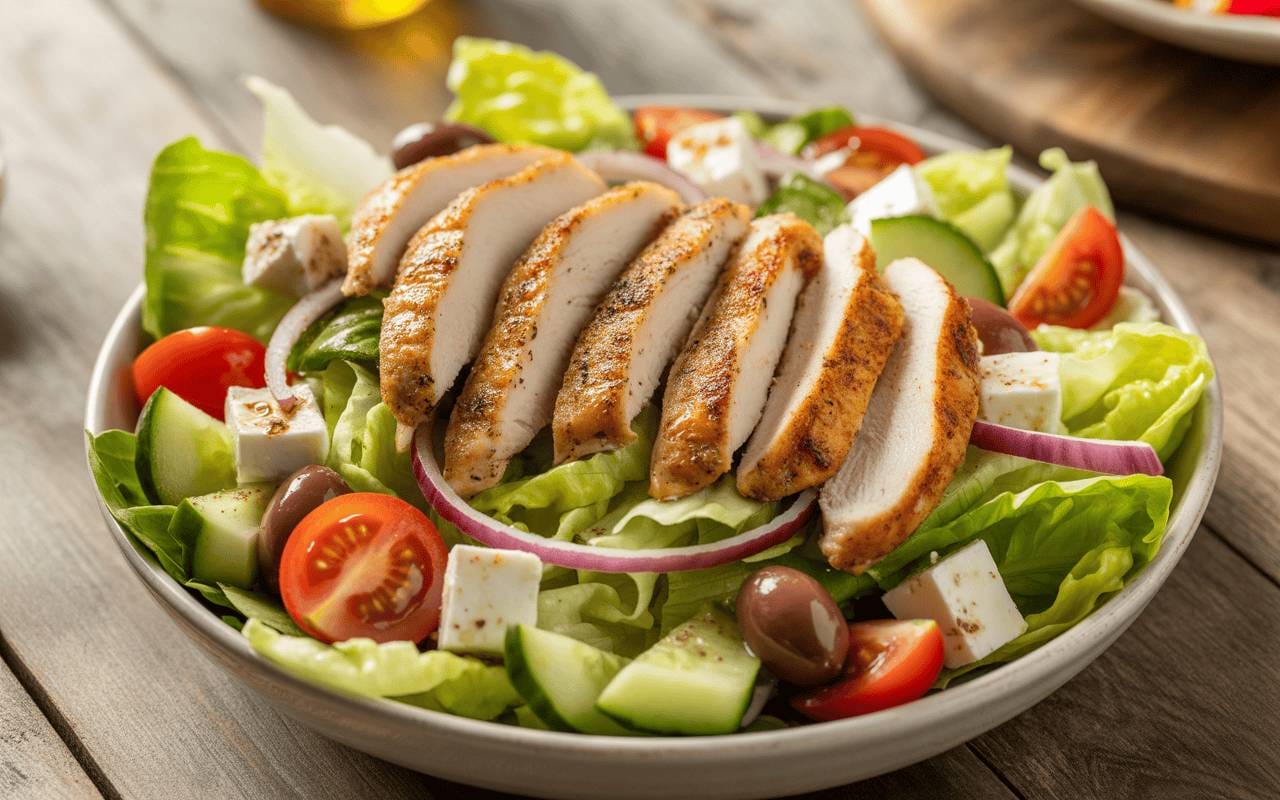
“One of the most effective meals I recommend to patients seeking better blood sugar management and heart health is the grilled chicken Greek salad,” explains Dr. Schoonmaker. “This isn’t just a delicious lunch option—it’s a strategic combination of lean protein, healthy fats, and antioxidant-rich vegetables that work together to support metabolic function and reduce inflammation throughout the body.”
The grilled chicken Greek salad represents everything physicians at PromiseCare Medical Group advocate for: whole food nutrition, disease prevention through diet, and practical meal solutions that patients can easily prepare at home. From Hemet to Temecula, Murrieta to Menifee, PromiseCare’s network of primary care physicians integrates nutritional counseling into comprehensive preventive care strategies for families across the Inland Empire.
Why Mediterranean Diet Patterns Reduce Chronic Disease Risk
The Mediterranean diet has earned recognition from cardiologists and endocrinologists worldwide as one of the most effective eating patterns for preventing cardiovascular disease and metabolic syndrome. Research published in major medical journals consistently demonstrates that populations following Mediterranean dietary principles experience significantly lower rates of heart attack, stroke, Type 2 diabetes, and age-related cognitive decline.
Dr. Michael Curley, M.D., who has practiced Family Medicine and Geriatric Medicine with PromiseCare Medical Group for over 37 years, has observed these benefits in his own patient population. “The Mediterranean approach isn’t a restrictive diet—it’s a sustainable lifestyle that emphasizes plant-based foods, healthy fats from extra virgin olive oil and olives, moderate amounts of lean protein like chicken and fish, and minimal processed foods,” Dr. Curley notes. “My patients who adopt these eating patterns see improvements in cholesterol levels, blood pressure, and blood sugar control within just a few months.”
The foundation of Mediterranean nutrition rests on several key principles that align perfectly with a grilled chicken Greek salad:
Abundant plant foods provide fiber, vitamins, minerals, and phytonutrients that reduce oxidative stress and support cellular health. The vegetables in Greek salad—including cucumbers, tomatoes, red onion, and romaine lettuce—deliver essential nutrients while keeping calorie density low and satiety high.
Healthy fats from olive oil and olives supply monounsaturated fats, particularly oleic acid, which has been shown in clinical trials to improve HDL cholesterol (the protective kind) while reducing LDL cholesterol (the harmful kind) and decreasing inflammation markers throughout the body.
Lean proteins like grilled chicken provide essential amino acids for muscle maintenance and repair without the saturated fat load of red meat. Protein also helps stabilize blood sugar levels by slowing the absorption of carbohydrates and promoting feelings of fullness that support healthy weight management.
Fermented dairy in moderation, exemplified by feta cheese, contributes calcium, protein, and beneficial bacteria that support gut health and immune function. Traditional Greek feta made from sheep’s and goat’s milk offers a tangy flavor punch that allows for satisfying taste with relatively small portions.
The Cardiovascular Benefits of Grilled Chicken as a Protein Source
When PromiseCare physicians recommend protein sources for patients managing cardiovascular disease risk or recovering from cardiac events, grilled chicken breast consistently tops the list. The cardiovascular benefits of choosing lean poultry over red meat are well-documented in medical literature.
Dr. Ratan Tiwari, M.D., a cardiologist in the PromiseCare network, explains the heart-protective mechanisms: “Skinless grilled chicken breast provides high-quality protein with minimal saturated fat—typically less than 1-2 grams per 3-ounce serving. This stands in stark contrast to many beef cuts, which can contain 6-8 grams of saturated fat in the same portion. That difference matters tremendously for patients with elevated cholesterol or those at risk for atherosclerosis.”
Research from controlled feeding trials demonstrates that replacing just one serving of red meat daily with poultry can reduce cardiovascular disease risk by approximately 19%. The mechanism involves both what chicken provides—lean protein and essential B vitamins—and what it doesn’t provide—excessive saturated fat that contributes to arterial plaque formation.
Beyond the fat profile, grilled chicken offers specific nutritional advantages for metabolic health:
Protein for blood sugar stability: The 25-30 grams of protein in a typical grilled chicken breast serving helps prevent the rapid blood sugar spikes that can occur after carbohydrate-heavy meals. When protein accompanies carbohydrates, it slows gastric emptying and glucose absorption, resulting in a more gradual, controlled glycemic response. This is particularly important for patients with prediabetes, Type 2 diabetes, or insulin resistance.
B vitamins for energy metabolism: Chicken provides substantial amounts of niacin (B3), pyridoxine (B6), and cobalamin (B12)—vitamins essential for converting food into cellular energy and supporting healthy nervous system function. Vitamin B6 specifically plays a role in glucose metabolism and may help reduce inflammation associated with metabolic disorders.
Selenium for thyroid and immune function: A 3-ounce serving of chicken breast delivers approximately 40% of the daily selenium requirement. This trace mineral acts as a cofactor for antioxidant enzymes that protect cells from oxidative damage, supports healthy thyroid hormone production, and contributes to robust immune system response.
Phosphorus for bone health: Chicken provides phosphorus that works synergistically with calcium to maintain bone density and support cellular energy production. This is particularly relevant for Dr. Schoonmaker’s geriatric medicine patients, who face increased osteoporosis risk.
The grilling method itself offers additional health advantages over frying or breading. When chicken is grilled without added oils or high-sugar marinades, the cooking process allows excess fat to drip away while creating appealing flavor through the Maillard reaction—the chemical process that browns proteins and creates savory taste compounds. Marinating chicken in olive oil, lemon juice, garlic, and herbs before grilling adds Mediterranean flavor while potentially reducing the formation of harmful compounds that can develop during high-heat cooking.
Kalamata Olives: Antioxidant Powerhouses for Heart and Brain Health
The distinctive dark purple Kalamata olives that give Greek salad its characteristic briny punch are far more than a flavor accent—they’re concentrated sources of polyphenols and healthy fats with profound implications for cardiovascular and neurological health.
Dr. Schoonmaker frequently discusses the specific health benefits of Kalamata olives with patients seeking dietary strategies for disease prevention. “These olives contain remarkable concentrations of hydroxytyrosol and oleuropein—two antioxidant compounds that have been extensively studied for their protective effects against chronic diseases,” he explains. “The European Food Safety Authority has actually approved health claims for hydroxytyrosol related to protecting LDL cholesterol from oxidative damage.”
The research supporting olive consumption for heart health is compelling:
Cholesterol management: The monounsaturated fats in Kalamata olives, primarily oleic acid, help shift the balance between LDL and HDL cholesterol in a favorable direction. Studies show that diets rich in olive products can reduce LDL cholesterol levels by 6-10% while maintaining or even increasing HDL cholesterol—the type that removes excess cholesterol from arterial walls and transports it to the liver for disposal.
Blood pressure reduction: Multiple clinical trials have demonstrated that regular olive consumption, particularly when olives are part of a broader Mediterranean dietary pattern, contributes to modest but meaningful reductions in both systolic and diastolic blood pressure. The mechanisms likely involve improved endothelial function (the health of blood vessel linings) and reduced arterial stiffness.
Anti-inflammatory effects: Chronic low-grade inflammation underlies many age-related diseases, from atherosclerosis to Alzheimer’s disease. The oleocanthal in Kalamata olives has been shown to have anti-inflammatory activity similar to ibuprofen, though at much lower potency. Regular consumption may help keep inflammatory markers like C-reactive protein in healthier ranges.
Neuroprotective properties: Emerging research suggests that oleuropein and hydroxytyrosol may protect against cognitive decline and reduce Alzheimer’s disease risk. These compounds appear to prevent the formation of amyloid plaques in brain tissue while supporting healthy neuron function and reducing oxidative stress in neural tissues. This is particularly relevant for Dr. Curley’s geriatric medicine patients in Hemet and Murrieta.
Cancer-protective potential: Laboratory studies indicate that olive polyphenols can induce programmed cell death (apoptosis) in cancer cells while protecting healthy cells from DNA damage. While more human research is needed, population studies consistently show lower cancer rates in Mediterranean regions where olive consumption is high.
Of course, moderation remains key. Kalamata olives are cured in brine, which increases their sodium content significantly—typically 200-300mg per serving of 5-6 olives. For patients managing hypertension or heart failure, Dr. Tiwari recommends rinsing olives before use to reduce sodium content, or choosing lower-sodium varieties when available. He also advises limiting consumption to one serving daily to balance the health benefits with sodium considerations.
Feta Cheese: Calcium, Protein, and Probiotics in a Mediterranean Package
Feta cheese brings more to a grilled chicken Greek salad than just tangy, salty flavor—it provides valuable nutrients and may even offer gut health benefits through naturally occurring probiotic bacteria developed during the fermentation process.
Traditional Greek feta is made from sheep’s milk or a combination of sheep’s and goat’s milk, then aged in brine for several months. This process creates a crumbly texture and distinctive taste while introducing beneficial lactic acid bacteria similar to those found in yogurt. While feta isn’t typically classified as a probiotic food in the same way yogurt is, the fermentation process does contribute beneficial bacteria that may support digestive health and immune function.
From a nutritional standpoint, feta offers several advantages for patients seeking to incorporate dairy into a heart-healthy eating pattern:
Lower fat than many cheeses: Feta typically contains 4-6 grams of fat per ounce, compared to 8-9 grams in cheddar or Swiss cheese. While it does contain saturated fat, the amounts are moderate enough that feta can fit into a cardiovascular-protective diet when consumed in recommended portions (about 1-2 ounces per serving).
Excellent calcium source: A single ounce of feta provides approximately 140mg of calcium—about 14% of the daily requirement for most adults. Calcium is essential not just for bone health, but also for proper muscle contraction, nerve signaling, blood clotting, and blood pressure regulation. For patients with osteoporosis concerns, particularly postmenopausal women in Dr. Schoonmaker’s women’s health practice, adequate calcium intake is crucial.
Quality protein: Feta delivers 4-5 grams of protein per ounce, contributing to the protein content of a meal without significantly increasing total calories. The protein in dairy products is particularly high in leucine, an amino acid that plays a key role in muscle protein synthesis—important for older adults seeking to maintain muscle mass and physical function.
Conjugated linoleic acid (CLA): Sheep’s and goat’s milk feta contains small amounts of CLA, a fatty acid that has been investigated for potential benefits in body composition, inflammation reduction, and metabolic health. While the evidence isn’t conclusive, some research suggests CLA may support weight management efforts and improve insulin sensitivity.
Vitamin A and B vitamins: Feta provides vitamin A for vision health and immune function, along with riboflavin (B2) and vitamin B12 for energy metabolism and red blood cell formation.
The key to incorporating feta into a health-promoting diet, according to PromiseCare physicians, is portion control and balance. “I tell patients to think of feta as a flavor enhancer rather than a main component,” notes Dr. Bridget Briggs, M.D., a family practice physician in the PromiseCare network. “A quarter-cup of crumbled feta—about an ounce—provides plenty of taste and texture without overwhelming the meal’s nutritional profile. Let the vegetables and grilled chicken be the stars, with feta playing a supporting role.”
For patients who are lactose intolerant, feta may be better tolerated than fresh cheeses because much of the lactose is consumed by bacteria during fermentation. However, those with dairy allergies should avoid feta entirely, and patients watching sodium intake should be mindful that feta contributes 300-400mg of sodium per ounce.
Extra Virgin Olive Oil: The Cornerstone of Mediterranean Heart Health
No discussion of Mediterranean diet benefits would be complete without addressing extra virgin olive oil (EVOO)—the liquid gold that serves as the primary fat source in this eating pattern and contributes substantially to its cardioprotective effects.
Dr. Curley emphasizes this point regularly in his nutritional counseling: “When my patients ask what single dietary change would have the biggest impact on their heart health, I tell them to replace whatever cooking oils and fats they’re currently using with high-quality extra virgin olive oil. The scientific evidence supporting EVOO for cardiovascular protection is absolutely overwhelming.”
That evidence comes from decades of research, including landmark trials like PREDIMED (PREvención con DIeta MEDiterránea), which studied over 7,000 participants at high cardiovascular risk. The trial found that participants following a Mediterranean diet supplemented with extra virgin olive oil experienced a 30% reduction in major cardiovascular events compared to those following a low-fat diet. This wasn’t just about replacing bad fats with good ones—the specific polyphenols in EVOO appeared to provide protection beyond what could be attributed to fatty acid composition alone.
What makes extra virgin olive oil so beneficial for cardiovascular and metabolic health?
Optimal fatty acid profile: EVOO is approximately 73% oleic acid, a monounsaturated fat that has been shown in controlled trials to reduce LDL cholesterol levels while maintaining HDL cholesterol. Unlike saturated fats, which tend to increase both types of cholesterol, or polyunsaturated fats, which lower both, monounsaturated fats selectively reduce the harmful LDL particles without compromising the protective HDL.
Rich in polyphenols: The mechanical cold-pressing process used to create extra virgin olive oil preserves phenolic compounds that would be destroyed by heat or chemical processing. These polyphenols—including oleocanthal, oleuropein, hydroxytyrosol, and tyrosol—act as powerful antioxidants that prevent LDL cholesterol oxidation, reduce inflammation, improve blood vessel function, and may even have anticancer properties.
Blood pressure reduction: Multiple studies have demonstrated that EVOO consumption contributes to reduced blood pressure, with effects similar in magnitude to some blood pressure medications when combined with an overall healthy dietary pattern. The polyphenols in EVOO appear to improve nitric oxide production in blood vessel walls, promoting vasodilation (vessel widening) and better blood flow.
Improved insulin sensitivity: Research indicates that diets rich in EVOO may enhance insulin sensitivity and improve blood sugar control compared to diets high in saturated fats or even other vegetable oils. This is particularly relevant for patients with prediabetes or Type 2 diabetes, where improving the body’s response to insulin is a primary treatment goal.
Anti-inflammatory activity: The oleocanthal in EVOO inhibits cyclooxygenase enzymes (COX-1 and COX-2) in a similar manner to ibuprofen, though at lower potency. Regular consumption of EVOO as part of a Mediterranean diet has been associated with reduced inflammatory markers in blood tests, including C-reactive protein and interleukin-6.
Supports vegetable nutrient absorption: Many important nutrients in vegetables—including carotenoids like lycopene from tomatoes and lutein from leafy greens—are fat-soluble, meaning they’re better absorbed when consumed with dietary fat. Dressing a Greek salad with EVOO not only adds flavor but actually enhances the body’s ability to absorb and utilize these protective plant compounds.
For a grilled chicken Greek salad, PromiseCare physicians typically recommend a simple dressing of 2-3 tablespoons of EVOO per serving, combined with red wine vinegar or lemon juice, minced garlic, dried oregano, salt, and pepper. This provides approximately 25-40 grams of healthy fat—enough to promote nutrient absorption and satiety without making the meal excessively caloric.
Tomatoes and Cucumbers: Hydration, Fiber, and Disease-Fighting Phytonutrients
The fresh vegetables that form the base of a Greek salad contribute far more than crispy texture and refreshing taste—they provide essential vitamins, minerals, fiber, and powerful plant compounds that support everything from cardiovascular health to cancer prevention.
Tomatoes are particularly valuable for their lycopene content—a carotenoid pigment that gives them their red color and functions as a potent antioxidant in the human body. Research has consistently linked higher lycopene intake and blood levels with reduced risk of cardiovascular disease, certain cancers (particularly prostate cancer), and age-related macular degeneration.
Interestingly, cooking or processing tomatoes actually increases the bioavailability of lycopene by breaking down cell walls and making the compound easier to absorb. However, fresh tomatoes still provide valuable lycopene, especially when consumed with fat (like the olive oil in Greek salad dressing), which significantly enhances absorption. Fresh tomatoes also deliver vitamin C, potassium, folate, and vitamin K—nutrients important for immune function, blood pressure regulation, red blood cell formation, and bone health.
Cucumbers, while often dismissed as mostly water (they’re about 95% water by weight), actually provide meaningful nutritional benefits. They’re an excellent source of hydration, which is particularly important for older adults who may have diminished thirst sensation. Cucumbers contain vitamin K for blood clotting and bone metabolism, as well as small amounts of vitamin C, potassium, and magnesium.
Perhaps more importantly, cucumber skin contains flavonoids and tannins—plant compounds with antioxidant and anti-inflammatory properties. Some research suggests these compounds may help reduce oxidative stress and could play a role in blood sugar regulation. The fiber in cucumbers, while modest, contributes to digestive health and satiety.
Red onion adds more than pungent flavor to Greek salad—it provides quercetin, a flavonoid antioxidant that has been studied for potential cardiovascular and anti-cancer effects. Onions also contain sulfur compounds that may support detoxification processes and have antimicrobial properties. Some research suggests that regular onion consumption may contribute to improved bone density and reduced inflammation.
Romaine lettuce is often overlooked nutritionally, but it actually provides more vitamins and minerals than iceberg lettuce or other pale lettuce varieties. Romaine delivers vitamin A (as beta-carotene) for vision and immune health, vitamin K for blood clotting and bone metabolism, folate for cell division and cardiovascular health, and modest amounts of vitamin C and several B vitamins.
Together, these vegetables create a nutrient-dense foundation for the salad that provides bulk, fiber, and satiety for minimal calories. A large serving of mixed vegetables might contain only 50-75 calories yet delivers valuable micronutrients and plant compounds that work synergistically with the chicken, olives, cheese, and olive oil to support overall health.
Blood Sugar Management: How Greek Salad Supports Metabolic Health
For the growing number of Americans dealing with prediabetes, Type 2 diabetes, or metabolic syndrome, meal composition can significantly impact blood sugar control and long-term health outcomes. Dr. Schoonmaker and his colleagues at PromiseCare Medical Group frequently recommend grilled chicken Greek salad as an ideal meal template for patients working to improve glycemic control.
The meal’s effectiveness for blood sugar management stems from its macronutrient balance and specific ingredients:
High protein content slows glucose absorption: The 25-35 grams of protein from grilled chicken, supplemented by protein from feta cheese, triggers the release of hormones that slow gastric emptying—the rate at which food leaves the stomach and enters the small intestine where nutrient absorption occurs. This results in a more gradual rise in blood sugar rather than the sharp spikes that can occur after carbohydrate-heavy meals.
Clinical studies have demonstrated that consuming protein with carbohydrates reduces the glycemic response (blood sugar rise) by 30-50% compared to eating carbohydrates alone. This has important implications for preventing the post-meal glucose spikes that contribute to diabetes complications over time, including cardiovascular disease, kidney damage, nerve damage, and vision problems.
Healthy fats further moderate glucose response: The monounsaturated fats from olive oil and olives also slow the rate of carbohydrate digestion and absorption. Research shows that meals containing healthy fats result in lower and more sustained blood sugar levels compared to low-fat meals with the same carbohydrate content. This helps prevent the blood sugar roller coaster—high peaks followed by crashes—that can trigger hunger, fatigue, and cravings.
Fiber from vegetables supports steady blood sugar: While a Greek salad isn’t extremely high in fiber (typically 4-6 grams per serving), the fiber it does contain from vegetables contributes to improved glycemic control. Fiber slows the digestion of carbohydrates and helps prevent constipation—a common issue for people with diabetes. Moreover, fiber supports the growth of beneficial gut bacteria that produce short-chain fatty acids, which may improve insulin sensitivity and metabolic health.
Low glycemic load: The glycemic load (GL) of a meal considers both the quantity and quality of carbohydrates. A grilled chicken Greek salad has a very low glycemic load—typically less than 10—because it contains relatively few carbohydrates (mostly from vegetables) and those carbohydrates are accompanied by protein, fat, and fiber that slow their absorption. For comparison, a meal of white bread and jam might have a glycemic load of 20-30, resulting in much more dramatic blood sugar effects.
Antioxidants combat oxidative stress: People with diabetes experience higher levels of oxidative stress—an imbalance between free radical production and antioxidant defenses that contributes to complications like cardiovascular disease and kidney damage. The abundant antioxidants in Greek salad—lycopene from tomatoes, polyphenols from olives and olive oil, vitamin C from vegetables—help combat this oxidative stress and may reduce complication risk.
Research from controlled feeding trials supports these theoretical benefits. Studies comparing Mediterranean-style meals (similar to Greek salad with grilled chicken) to Western-style meals (like burgers and fries) consistently show lower post-meal glucose levels, reduced insulin requirements, and better long-term glycemic control markers (like HbA1c) with Mediterranean patterns.
Dr. Schoonmaker often uses the plate method to help patients visualize healthy meal construction: “I tell patients to make half their plate non-starchy vegetables, a quarter lean protein, and a quarter healthy carbohydrates if desired—though for strict blood sugar control, some of my patients do best keeping carbohydrates very low. A grilled chicken Greek salad naturally follows this template, with the vegetables taking center stage.”
For patients taking diabetes medications, particularly insulin or sulfonylureas, Dr. Schoonmaker emphasizes the importance of consistent meal timing and composition. “If you’re on medications that lower blood sugar, suddenly changing to a very low-carbohydrate meal like Greek salad when you’ve been eating more carbs could increase your risk of hypoglycemia. We need to work together to adjust your medications as your diet improves.”
Weight Management and Satiety: Why Greek Salad Promotes Healthy Body Composition
Maintaining a healthy weight is one of the most effective strategies for preventing chronic disease and improving quality of life. For patients struggling with excess weight, particularly those with obesity-related conditions like Type 2 diabetes, hypertension, or sleep apnea, PromiseCare physicians emphasize sustainable dietary changes that promote satiety without requiring constant calorie counting or restriction.
Grilled chicken Greek salad exemplifies the kind of meal that supports healthy weight management through multiple mechanisms:
High volume, low calorie density: A large Greek salad with grilled chicken might fill an entire dinner plate yet contain only 400-600 calories, depending on dressing quantity and cheese portions. This allows for visual satisfaction and physical fullness while keeping total energy intake reasonable. Research on “volumetrics”—the study of how food volume affects satiety—consistently shows that people feel more satisfied eating larger volumes of low-calorie-density foods compared to small portions of calorie-dense foods, even when total calories are equal.
Protein promotes fullness: The high protein content of grilled chicken Greek salad triggers the release of satiety hormones including peptide YY and glucagon-like peptide-1, which signal the brain that you’ve eaten enough. Protein also has a higher thermic effect than carbohydrates or fat, meaning your body burns more calories digesting and metabolizing protein compared to the other macronutrients.
Studies show that meals containing 25-30% of calories from protein result in greater fullness and reduced subsequent calorie intake compared to lower-protein meals. The 25-35 grams of protein in a grilled chicken Greek salad provides substantial appetite control that can help prevent snacking and overeating later in the day.
Healthy fats delay hunger: While fat has gotten a bad reputation in some diet circles, research clearly shows that meals containing moderate amounts of healthy fat are more satisfying and lead to better long-term weight control than extremely low-fat meals. The monounsaturated fats in olive oil and olives slow gastric emptying and trigger the release of hormones that promote satiety.
Perhaps more importantly, fat makes food taste better, which improves meal satisfaction and reduces the likelihood that you’ll be searching the kitchen for something more satisfying an hour after eating. This is why Mediterranean diet adherence tends to be higher than low-fat diet adherence in long-term studies—people genuinely enjoy the food and don’t feel deprived.
Fiber supports appetite regulation: The vegetables in Greek salad provide fiber that adds bulk to the meal, slows digestion, and feeds beneficial gut bacteria. Some research suggests that short-chain fatty acids produced by gut bacteria fermenting fiber may help regulate appetite and improve metabolic health, though more research is needed to fully understand these mechanisms.
Nutrient density reduces cravings: Nutrient deficiencies can sometimes manifest as cravings or excessive hunger as the body seeks needed vitamins and minerals. By providing a wide array of nutrients—protein, healthy fats, vitamins, minerals, and antioxidants—a grilled chicken Greek salad helps satisfy nutritional needs, potentially reducing the drive to snack on less nutritious foods.
Dr. William Cherry, M.D., a family practice physician with PromiseCare, often discusses the psychological aspects of weight management with patients. “Restrictive diets that eliminate entire food groups or require eating tiny portions of bland food simply aren’t sustainable for most people,” he observes. “But a meal like Greek salad with grilled chicken? That’s something patients actually look forward to eating. It’s colorful, flavorful, satisfying—it doesn’t feel like ‘diet food’ even though it supports healthy weight management beautifully.”
Research supports Dr. Cherry’s observations. Studies comparing Mediterranean-style eating patterns to low-fat diets for weight loss typically find similar amounts of weight loss initially, but better long-term maintenance with Mediterranean approaches. The sustainability factor matters enormously for lasting results.
Practical Preparation Tips for Maximum Nutrition and Flavor
Creating a grilled chicken Greek salad that delivers optimal nutrition and taste doesn’t require culinary school training—just attention to a few key details that PromiseCare physicians and nutrition experts recommend:
Choose quality ingredients:
- Select organic chicken breast when possible to minimize antibiotic and hormone exposure
- Look for authentic Greek Kalamata olives rather than generic black olives for superior flavor and antioxidant content
- Purchase traditional Greek feta made from sheep’s or goat’s milk for authentic taste and texture
- Invest in high-quality extra virgin olive oil with rich color and fruity aroma (look for harvest dates and dark bottles)
- Use fresh, vine-ripened tomatoes during summer months when they’re at peak flavor
- Opt for crisp, fresh cucumbers and romaine lettuce for best texture and nutrient retention
Marinate chicken for flavor and potential health benefits:
Dr. Schoonmaker recommends a simple Greek-style marinade: combine ¼ cup extra virgin olive oil, juice of 1 lemon, 3-4 minced garlic cloves, 1 tablespoon dried oregano, 1 teaspoon dried thyme, ½ teaspoon black pepper, and ½ teaspoon sea salt. Marinate chicken breasts for 2-4 hours or overnight in the refrigerator.
This marinade accomplishes several things: it infuses Mediterranean flavor into the chicken, the acidity from lemon juice helps tenderize the meat, and some research suggests that marinating meat before grilling may reduce the formation of potentially harmful compounds that can develop during high-heat cooking.
Grill chicken properly:
Preheat your grill to medium-high heat (about 375-400°F). Remove chicken from marinade and pat dry slightly (excess marinade can cause flare-ups). Grill for 6-8 minutes per side, depending on thickness, until internal temperature reaches 165°F. Let rest for 5 minutes before slicing to allow juices to redistribute.
Avoid charring the chicken excessively, as very dark, blackened areas may contain higher levels of advanced glycation end products (AGEs) and heterocyclic amines—compounds that have been associated with inflammation and chronic disease risk when consumed regularly in large amounts.
Prepare vegetables with care:
Wash all vegetables thoroughly under running water. For tomatoes, Dr. Curley suggests using a variety of colors when available—red, yellow, and orange heirloom varieties each contain slightly different antioxidant profiles. Cut vegetables into consistent, bite-sized pieces for even distribution throughout the salad.
Leave cucumber skin on when possible, as it contains additional fiber and plant compounds. If cucumbers are waxed (common for conventionally grown varieties), peel or buy organic unwaxed cucumbers.
Make your own Greek salad dressing:
Commercial dressings often contain added sugars, preservatives, and lower-quality oils. A homemade Greek vinaigrette takes just minutes to prepare and provides superior nutrition and flavor:
In a small jar with a lid, combine 6 tablespoons extra virgin olive oil, 3 tablespoons red wine vinegar, 1 tablespoon fresh lemon juice, 2 minced garlic cloves, 2 teaspoons dried oregano, 1 teaspoon Dijon mustard, ½ teaspoon sea salt, and ¼ teaspoon black pepper. Shake vigorously to emulsify. This makes enough dressing for 4 servings; refrigerate unused portions for up to one week.
Assemble thoughtfully:
In a large bowl, combine 4-6 cups chopped romaine lettuce, 1 cup halved cherry tomatoes, 1 large cucumber (diced), ½ red onion (thinly sliced), ½ cup Kalamata olives, and ¼ cup crumbled feta cheese per serving. Top with sliced grilled chicken breast (about 4-5 ounces per serving). Drizzle with 2-3 tablespoons of Greek dressing per serving and toss gently to combine.
Mind your portions:
While all the components of Greek salad are healthy, portions still matter for calorie control. Dr. Schoonmaker provides these guidelines:
- Grilled chicken: 4-5 ounces (about the size of your palm and thickness of a deck of cards)
- Feta cheese: 1-2 ounces (about 2-3 tablespoons crumbled)
- Kalamata olives: 5-8 olives
- Olive oil in dressing: 2-3 tablespoons per serving
- Vegetables: Unlimited—pile them on!
How PromiseCare Medical Group Supports Nutritional Medicine in the Inland Empire
The emphasis on food as medicine represents a core philosophy at PromiseCare Medical Group, where physicians across the Inland Empire integrate nutritional counseling into comprehensive primary care. From preventive health visits to chronic disease management, PromiseCare’s network of family medicine, internal medicine, and specialty physicians recognize that dietary interventions can be as powerful as medications for many conditions.
“When I see a patient with prediabetes or early Type 2 diabetes, my first intervention isn’t always medication—it’s a serious conversation about nutrition and lifestyle,” explains Dr. Schoonmaker from his Menifee practice. “For many patients, adopting a Mediterranean-style eating pattern with regular physical activity can actually reverse prediabetes or bring diabetes into remission without medication. Even for patients who do need medications, improving their diet dramatically reduces the dosages required and lowers their risk of complications.”
This approach aligns with current guidelines from the American Diabetes Association, which emphasize medical nutrition therapy as a foundational component of diabetes prevention and management. The ADA recommends that all people with diabetes or prediabetes receive individualized medical nutrition therapy, preferably from a registered dietitian, to support disease management and reduce complication risk.
PromiseCare physicians work collaboratively with patients to develop sustainable nutrition strategies that fit individual preferences, cultural backgrounds, and health goals. Rather than prescribing restrictive diets that few patients can maintain long-term, the emphasis is on gradual, practical changes that improve diet quality while remaining enjoyable and realistic.
For patients across Hemet, Menifee, Temecula, Murrieta, and surrounding Inland Empire communities, PromiseCare provides:
Comprehensive preventive care that includes nutrition screening, physical activity assessment, and risk factor identification for chronic diseases including cardiovascular disease, diabetes, hypertension, and obesity.
Chronic disease management for conditions like Type 2 diabetes, heart disease, and metabolic syndrome, with nutrition and lifestyle modification as core treatment components alongside appropriate medications when needed.
Geriatric medicine expertise from physicians like Dr. Schoonmaker and Dr. Curley, who understand the unique nutritional needs of older adults including maintaining muscle mass, bone density, and cognitive function through dietary strategies.
Women’s health services that address nutrition across the female lifespan, from prenatal nutrition and postpartum recovery to menopause management and osteoporosis prevention.
Cardiology consultation through specialists like Dr. Tiwari for patients with established cardiovascular disease or multiple cardiac risk factors, with emphasis on dietary approaches proven to reduce event risk.
Coordinated care approach where primary care physicians work closely with specialists, ensuring that nutritional recommendations are consistent and tailored to each patient’s complete health picture.
“One of the advantages of PromiseCare’s integrated model is that we can coordinate care seamlessly across specialties,” notes Dr. Michael Curley. “If I have a patient with both diabetes and heart disease, I can easily consult with our endocrinology and cardiology colleagues to ensure we’re all reinforcing the same nutritional principles—Mediterranean diet, lean proteins, healthy fats, abundant vegetables. This consistency helps patients succeed.”
Adapting Greek Salad for Different Dietary Needs
While the traditional grilled chicken Greek salad is nutritionally balanced for most people, some patients require modifications to accommodate specific health conditions or dietary restrictions. PromiseCare physicians help patients adapt this meal template while maintaining its health benefits:
For patients watching sodium intake (hypertension, heart failure, kidney disease):
- Rinse Kalamata olives under water before using to remove excess brine
- Choose low-sodium feta cheese or reduce the amount to 1 tablespoon
- Use fresh herbs instead of dried oregano in the dressing (dried herbs often contain added salt)
- Skip added salt in the marinade and dressing, relying on lemon juice, garlic, and herbs for flavor
- Consider using fresh cucumber instead of pickled options
For patients managing high cholesterol:
- Keep feta portions to 1 ounce or less
- Increase olive oil slightly (the monounsaturated fats can help lower LDL cholesterol)
- Add extra vegetables for increased fiber, which binds cholesterol in the digestive tract
- Consider adding chickpeas or white beans for additional fiber and plant-based protein
For patients following lower-carbohydrate or ketogenic diets:
- Reduce or eliminate red onion and tomatoes, which contain more carbohydrates
- Increase grilled chicken portion to 6-8 ounces for higher protein
- Add avocado slices for additional healthy fat
- Use extra olive oil in the dressing
- Include more olives and feta cheese for satiety
For dairy-free or lactose-intolerant patients:
- Omit feta cheese entirely
- Add extra Kalamata olives and a sprinkle of nutritional yeast for savory flavor
- Include avocado or additional grilled chicken for added richness
- Some patients who are lactose intolerant can tolerate feta (since most lactose is consumed during fermentation), but those with milk protein allergies must avoid it
For vegetarian patients:
- Replace grilled chicken with grilled halloumi cheese, chickpeas, or white beans for protein
- Add quinoa or farro for whole grain protein and fiber
- Include nuts like pine nuts or walnuts for additional protein and healthy fats
- Consider adding grilled tofu marinated in the same herbs and lemon as the chicken marinade
For patients needing additional protein (older adults, athletes, pregnancy):
- Increase grilled chicken portion to 6-8 ounces
- Add a hard-boiled egg
- Include chickpeas alongside the chicken
- Slightly increase feta cheese portion to 2 ounces
- Serve with a side of Greek yogurt
Dr. Schoonmaker emphasizes that these modifications should be individualized: “There’s no one-size-fits-all diet. What works beautifully for a 35-year-old trying to prevent diabetes might need adjustment for a 75-year-old managing heart failure and kidney disease. That’s why the conversation between patient and physician is so important.”
The Bigger Picture: Mediterranean Lifestyle Beyond the Plate
While nutrition forms the foundation of disease prevention, PromiseCare physicians emphasize that the Mediterranean approach to health extends beyond food choices to encompass a broader lifestyle philosophy that includes physical activity, stress management, social connection, and adequate sleep.
“When we talk about ‘Mediterranean lifestyle,’ we’re really talking about the way people in traditional Mediterranean cultures approach life holistically,” explains Dr. Curley. “Yes, they eat wonderful, health-promoting foods like Greek salad with grilled fish or chicken. But they also walk frequently, maintain strong social bonds, take time to relax and enjoy meals with family, and prioritize sleep. All of these factors work synergistically to support health.”
Research supports this holistic view. Studies comparing Mediterranean diet alone to Mediterranean diet plus lifestyle modifications (regular physical activity, stress reduction, smoking cessation) consistently show greater health benefits with the comprehensive lifestyle approach. The mechanisms likely include:
Regular physical activity reduces inflammation, improves insulin sensitivity, supports cardiovascular health, maintains muscle mass and bone density, and supports mental health. The American Heart Association recommends at least 150 minutes of moderate-intensity aerobic activity per week, plus muscle-strengthening activities at least twice weekly.
Stress management through practices like meditation, yoga, deep breathing, or simply taking time to relax can reduce cortisol levels, improve blood pressure, support immune function, and reduce inflammation. Chronic stress has been linked to increased risk of cardiovascular disease, diabetes, and cognitive decline.
Social connection isn’t just emotionally fulfilling—research shows that strong social relationships are associated with reduced mortality risk, better immune function, lower inflammation, and even slower cognitive decline with aging. The traditional Mediterranean practice of sharing meals with family and friends supports both better eating habits and social bonding.
Quality sleep of 7-9 hours nightly supports metabolic health, cardiovascular function, immune response, cognitive performance, and emotional regulation. Sleep deprivation has been linked to increased diabetes risk, elevated blood pressure, weight gain, and inflammation.
For patients in the Inland Empire communities served by PromiseCare, implementing these lifestyle factors looks like:
- Taking evening walks through neighborhood parks
- Joining community exercise classes or walking groups
- Preparing and sharing healthy meals like Greek salad with family and friends
- Practicing stress-reduction techniques during lunch breaks
- Prioritizing consistent sleep schedules even on weekends
- Building strong relationships with healthcare providers who support long-term health goals
“The beauty of the Mediterranean lifestyle is that it’s actually pleasurable,” notes Dr. Schoonmaker. “You’re not suffering through tasteless food and grueling exercise routines. You’re eating delicious meals, moving your body in ways you enjoy, spending time with people you care about, and taking care of your mental health. That’s a lifestyle people can sustain for decades—and that’s exactly what we need for lasting health improvements.”
Taking the First Step: Making Greek Salad a Regular Part of Your Week
For patients ready to incorporate more Mediterranean-style meals into their eating patterns, PromiseCare physicians offer practical strategies for success:
Start with one Mediterranean meal per week: Don’t try to overhaul your entire diet overnight. Begin by replacing one regular meal each week with a grilled chicken Greek salad. Once that feels comfortable and routine, add a second Mediterranean meal, then a third. Gradual change is more sustainable than dramatic restriction.
Prep ingredients in advance: Grill several chicken breasts at once and refrigerate for quick salad assembly during busy weeknights. Wash and chop vegetables ahead of time. Make a large batch of Greek dressing that keeps for a week. These time-savers make healthy eating more convenient when you’re tired or pressed for time.
Experiment with variations: Try different vegetables (add bell peppers, artichoke hearts, or roasted red peppers), swap grilled salmon or shrimp for chicken occasionally, or experiment with different herbs in your marinade. Variety keeps meals interesting and exposes you to diverse nutrients.
Involve family members: Kids who help prepare meals are more likely to eat them. Let children tear lettuce, arrange vegetables, or shake salad dressing. Explain that you’re eating the way people do in Greece, where many people live long, healthy lives.
Track how you feel: Many patients report increased energy, better blood sugar control, improved digestion, and enhanced mood within just a few weeks of adopting Mediterranean eating patterns. Pay attention to these benefits—they provide powerful motivation to continue.
Communicate with your PromiseCare physician: If you’re managing chronic conditions like diabetes, high blood pressure, or heart disease, keep your doctor informed about dietary changes. Improved eating often allows for medication reductions, but these adjustments should be made under medical supervision to ensure safety.
“Every journey toward better health starts with a single step,” Dr. Schoonmaker reminds patients. “Maybe your first step is trying one Greek salad this week. Maybe it’s swapping butter for olive oil. Maybe it’s adding vegetables to a meal where you usually wouldn’t include them. Whatever your starting point, know that you’re not alone. Your PromiseCare team is here to support you every step of the way, celebrating your successes and problem-solving challenges together.”
Conclusion: Food as Powerful Medicine for Preventable Disease
The grilled chicken Greek salad represents far more than a simple lunch option—it embodies the evidence-based nutritional principles that PromiseCare Medical Group physicians use every day to help Inland Empire patients prevent chronic disease, manage existing conditions, and optimize quality of life at every age.
From the lean protein of grilled chicken that stabilizes blood sugar and supports muscle health, to the heart-protective monounsaturated fats in olive oil and Kalamata olives, to the antioxidant-rich vegetables that combat inflammation and oxidative stress—every component of this Mediterranean-inspired meal contributes to the kind of eating pattern that researchers have repeatedly shown reduces cardiovascular disease, Type 2 diabetes, cognitive decline, and overall mortality risk.
The physicians at PromiseCare—including Dr. John Schoonmaker, Dr. Michael Curley, and their colleagues across Hemet, Menifee, Temecula, and Murrieta—understand that prescribing dietary changes isn’t always enough. Patients need practical guidance, ongoing support, and physicians who recognize that food choices are influenced by culture, family traditions, economic constraints, time pressures, and personal preferences. That’s why the PromiseCare approach emphasizes partnership, individualization, and realistic, sustainable change rather than restrictive dieting.
As research continues to validate what Mediterranean populations have known for centuries—that food can be powerful medicine when chosen wisely and enjoyed mindfully—the grilled chicken Greek salad stands as a perfect example of how delicious, satisfying, and health-promoting eating can be when we embrace whole foods, healthy fats, lean proteins, and abundant vegetables.
Whether you’re working to prevent diabetes, manage heart disease, lose weight, support healthy aging, or simply feel your best, the principles embodied in this single meal—Mediterranean diet, lean protein, healthy fats, antioxidant-rich plants—provide a template for lasting health that you can return to again and again.
The next time you’re planning meals for your week, consider making grilled chicken Greek salad your Monday night tradition. Your body—and your taste buds—will thank you for it. And when you visit your PromiseCare physician for your next preventive health visit, don’t be surprised if they notice the positive changes that this simple dietary shift has created.
After all, as Dr. Schoonmaker often reminds patients: “The best medicine doesn’t always come from a pharmacy. Sometimes it comes from your kitchen.”
Frequently Asked Questions About Grilled Chicken Greek Salad
Q: How many calories are in a typical grilled chicken Greek salad?
A: A standard serving contains approximately 400-600 calories, depending on portion sizes of chicken (4-5 ounces), feta cheese (1-2 ounces), olive oil in dressing (2-3 tablespoons), and the amount of Kalamata olives included. The vegetables themselves contribute minimal calories (50-75), while the protein and healthy fats provide most of the energy content. This calorie range makes Greek salad with grilled chicken an appropriate main meal for most adults managing weight or blood sugar.
Q: Can people with diabetes eat grilled chicken Greek salad regularly?
A: Yes, grilled chicken Greek salad is an excellent choice for people with diabetes or prediabetes. The high protein content (25-35 grams per serving) helps stabilize blood sugar levels by slowing carbohydrate absorption and preventing glucose spikes. The healthy fats from olive oil and olives further moderate the glycemic response. The meal has a very low glycemic load and provides sustained energy without dramatic blood sugar fluctuations. As always, people taking diabetes medications should work with their PromiseCare physician to ensure dietary changes coordinate appropriately with medication regimens.
Q: Is grilled chicken Greek salad heart-healthy for people with high cholesterol?
A: Absolutely. Multiple components of this meal actively support cardiovascular health. The lean protein from chicken provides minimal saturated fat compared to red meat. The monounsaturated fats in olive oil and Kalamata olives have been shown to reduce LDL (bad) cholesterol while maintaining or increasing HDL (good) cholesterol. The antioxidants in vegetables, olives, and olive oil protect LDL cholesterol from oxidation, a key step in atherosclerosis development. Research from the PREDIMED trial demonstrated that Mediterranean diets including these ingredients reduce cardiovascular event risk by approximately 30%. For optimal cholesterol management, keep feta portions modest (1 ounce) and use generous amounts of extra virgin olive oil.
Q: What makes Kalamata olives healthier than regular black olives?
A: Kalamata olives contain higher concentrations of beneficial polyphenols, including hydroxytyrosol, oleuropein, and oleocanthal—antioxidant compounds that have been extensively studied for cardiovascular and neuroprotective effects. These polyphenols help reduce inflammation, protect LDL cholesterol from oxidation, improve blood pressure, and may even support cognitive health. Traditional Kalamata olives from Greece are naturally ripened on the tree and cured in brine or wine vinegar, preserving more of these beneficial compounds compared to the lye-curing process used for many commercial black olives. While all olives provide healthy monounsaturated fats, Kalamata varieties offer superior antioxidant content.
Q: Can I meal prep grilled chicken Greek salad for the week?
A: Yes, with some important considerations for food safety and quality. Grill multiple chicken breasts at once and refrigerate them separately from vegetables for 3-4 days. Wash, chop, and store vegetables in airtight containers (keep tomatoes separate, as they release liquid). Store feta cheese and olives in their original containers. Make a batch of Greek dressing that will keep refrigerated for up to one week. Each day, assemble a fresh salad by combining your prepped ingredients—this ensures maximum crispness and prevents sogginess. Don’t dress the salad until immediately before eating. Cooked chicken stored properly and used within 3-4 days minimizes food safety risks while maximizing convenience.
Q: What should I look for when buying extra virgin olive oil?
A: Choose extra virgin olive oil that is cold-pressed, from a single country of origin (ideally Greece, Italy, or Spain), stored in a dark glass bottle to protect from light, and has a harvest or “best by” date clearly marked. Quality EVOO should taste fruity with a slight peppery finish—this peppery sensation indicates the presence of oleocanthal, a beneficial anti-inflammatory compound. Avoid oils that taste bland, greasy, or rancid. While quality EVOO costs more than refined oils, the health benefits and superior flavor justify the expense. Store your oil in a cool, dark place and use within 6-12 months of opening for best quality and maximum polyphenol retention.
Q: Is grilled chicken Greek salad appropriate for weight loss?
A: Yes, grilled chicken Greek salad can be an excellent component of a weight loss plan. At 400-600 calories per large, satisfying serving, it provides substantial volume and nutrients while keeping energy intake reasonable. The high protein content (25-35 grams) promotes satiety and helps preserve lean muscle mass during weight loss. The fiber from vegetables adds bulk without calories. The healthy fats from olive oil and olives delay hunger and improve meal satisfaction. Research shows that Mediterranean dietary patterns, which emphasize meals like this, support successful long-term weight management better than extreme low-fat or restrictive diets. For optimal weight loss results, be mindful of portion sizes—particularly olive oil (2-3 tablespoons per serving) and feta cheese (1-2 ounces).
Q: Can I make a Greek salad with leftover rotisserie chicken instead of grilling my own?
A: Yes, store-bought rotisserie chicken can be a convenient alternative, though there are a few considerations. Remove the skin before using (it contains most of the fat and calories). Be aware that rotisserie chickens often contain more sodium than home-grilled chicken, which matters for people managing high blood pressure. They may also contain additives, preservatives, or flavor enhancers. For the healthiest option, look for rotisserie chickens with minimal ingredients (just chicken and simple seasonings). Alternatively, many grocery stores sell plain grilled chicken breast strips that work perfectly in Greek salad and require no additional preparation. While home-grilled chicken offers more control over ingredients and seasoning, rotisserie chicken certainly makes a viable option for busy weeknights.
Q: How does Greek salad fit into the Mediterranean diet pyramid?
A: Grilled chicken Greek salad perfectly exemplifies Mediterranean diet principles. The foundation of the Mediterranean pyramid emphasizes plant foods—vegetables, fruits, whole grains, legumes, nuts, and olive oil—eaten at every meal. The romaine lettuce, tomatoes, cucumbers, and onions in Greek salad represent this plant food base. Moving up the pyramid, the diet includes fish, poultry, and dairy products in moderate amounts several times per week. The grilled chicken and feta cheese fulfill this recommendation. The pyramid limits red meat to just a few times monthly, which Greek salad naturally accomplishes by using chicken instead of beef or lamb. Olive oil serves as the primary fat source, exactly as the Mediterranean pyramid prescribes. When combined with other Mediterranean staples throughout the week, Greek salad helps create the eating pattern that research has linked to reduced chronic disease risk and increased longevity.
Q: What herbs and spices best complement grilled chicken for Greek salad?
A: The classic Greek herb combination includes oregano (the most characteristic Greek flavor), thyme, basil, parsley, mint, and dill. For chicken marinades, combine dried oregano, dried thyme, garlic, lemon juice, olive oil, black pepper, and a touch of sea salt. Fresh herbs can be used if available—use about three times as much fresh compared to dried, since dried herbs are more concentrated. Garlic is essential for authentic Greek flavor. Some recipes include za’atar, a Middle Eastern spice blend that works beautifully with Mediterranean cuisine. Avoid adding sugar to marinades despite some recipes calling for it—the natural flavors of herbs, garlic, lemon, and quality chicken need no sweetness. The Mediterranean diet minimizes added sugars, focusing instead on the natural flavors of fresh, high-quality ingredients enhanced by fragrant herbs.
For personalized nutrition counseling and comprehensive preventive care in the Inland Empire, contact PromiseCare Medical Group. Our family medicine, internal medicine, and specialty physicians in Hemet, Menifee, Temecula, and Murrieta are dedicated to helping you achieve optimal health through evidence-based nutrition, lifestyle medicine, and coordinated medical care. Call 951-390-2840 to schedule your appointment today.
Medical Disclaimer: This article is for educational and informational purposes only and is not intended to replace professional medical advice, diagnosis, or treatment. Always consult your physician or qualified healthcare provider with questions about your individual health status, medical conditions, medications, and dietary needs. The nutritional information and health benefits discussed represent general research findings and may not apply equally to all individuals. People with diabetes, cardiovascular disease, kidney disease, food allergies, or other medical conditions should work closely with their healthcare team to develop personalized nutrition plans appropriate for their specific circumstances. Information about PromiseCare Medical Group physicians is accurate as of the publication date but may change over time as provider networks evolve.