
Introduction: Food as Preventive Medicine
When Dr. Michael Curley of PromiseCare Medical Group discusses preventive medicine with his family practice patients in Hemet and Temecula, he emphasizes a simple but powerful concept: the foods you eat today directly influence your health tomorrow. With over 37 years of experience in family medicine and geriatric care, Dr. Curley has witnessed firsthand how dietary choices impact chronic disease development, cardiovascular health, and overall wellness across all age groups.
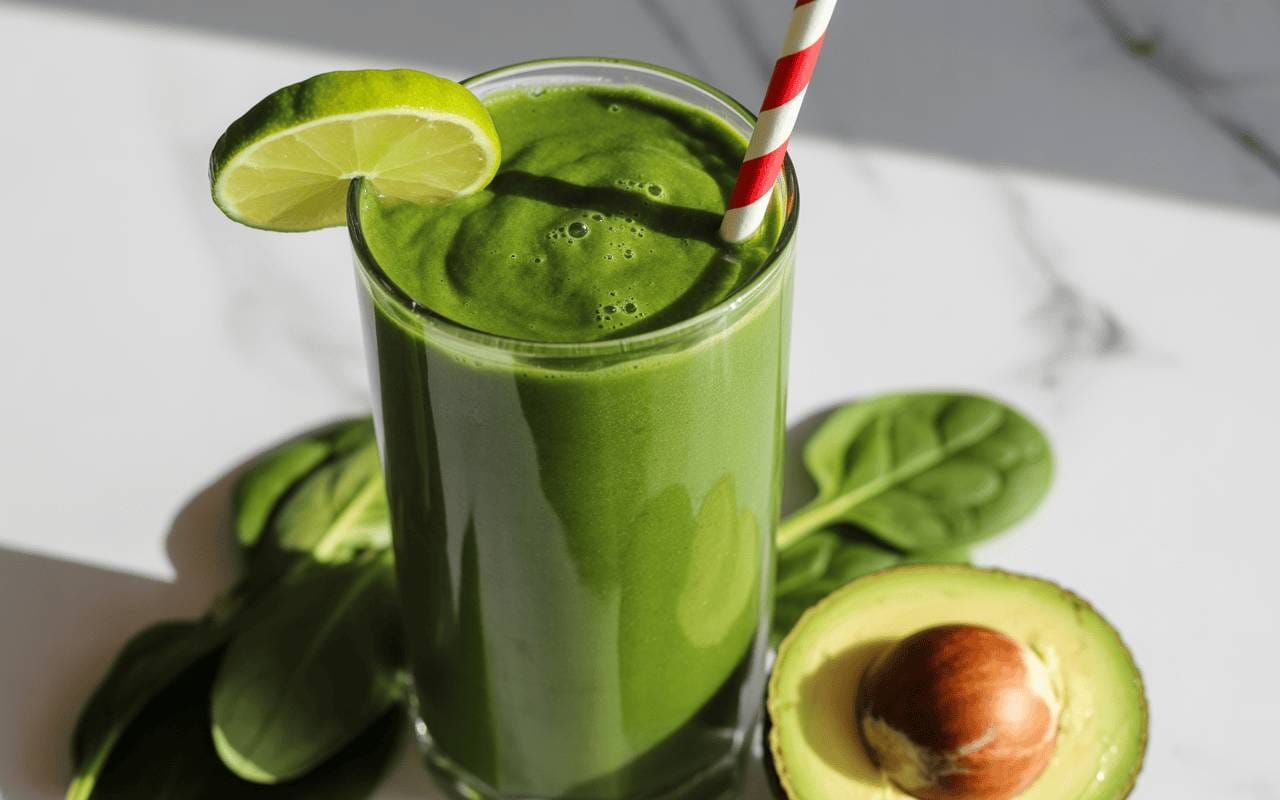
One of the most effective nutritional strategies for disease prevention combines two remarkable ingredients into a single, delicious beverage: the green smoothie with avocado and spinach. This nutrient-dense combination delivers an impressive array of vitamins, minerals, healthy fats, and antioxidants that work synergistically to support multiple body systems. The physicians at PromiseCare Medical Group, serving the Inland Empire’s largest Independent Physician Association network with over 60 primary care doctors and 400 specialists, recognize green smoothies as more than just a health trend—they represent a practical application of preventive nutrition that can reduce the risk of obesity, type 2 diabetes, hypertension, and cardiovascular disease.
The beauty of green smoothies lies in their accessibility. Unlike complex dietary interventions that require extensive meal planning and preparation, a green smoothie with avocado and spinach can be prepared in minutes yet delivers comparable nutritional benefits to multiple servings of fruits and vegetables. The creamy texture from avocado makes it palatable even for patients who typically resist eating leafy greens, while the mild flavor of spinach blends seamlessly with sweet fruits, making nutrition enjoyable rather than burdensome.
The Science Behind Avocado: More Than Just Healthy Fat
Monounsaturated Fat and Cardiovascular Health
Avocados contain approximately 15 grams of fat per half-fruit serving, with the majority being oleic acid—the same heart-healthy monounsaturated fatty acid found in olive oil. Research consistently demonstrates that monounsaturated fats help reduce LDL cholesterol (the “bad” cholesterol associated with atherosclerosis) while increasing HDL cholesterol (the “good” cholesterol that protects against cardiovascular disease). This favorable impact on cholesterol profiles makes avocados a cornerstone recommendation from Dr. Bridget Briggs, who practices family medicine at PromiseCare locations in Murrieta and Temecula.
Dr. Briggs often explains to her patients that monounsaturated fats don’t just improve cholesterol numbers on lab reports—they reduce inflammation throughout the cardiovascular system. Chronic inflammation accelerates the development of atherosclerotic plaques that narrow arteries and restrict blood flow to the heart and brain. The anti-inflammatory properties of oleic acid help protect blood vessel walls from damage, reducing the risk of both coronary heart disease and ischemic stroke.
A landmark study from Harvard’s T.H. Chan School of Public Health, which followed over 111,000 participants for 30 years, found that individuals who consumed the equivalent of one avocado per week experienced a 16% lower risk of cardiovascular disease and a 21% lower risk of coronary heart disease compared to non-avocado eaters. The protective effect was most pronounced when avocados replaced saturated fat sources like butter, margarine, processed meats, or full-fat dairy products.
Potassium: The Overlooked Electrolyte for Blood Pressure Control
One of the most impressive attributes of avocados is their potassium content. Half a large avocado provides approximately 487 milligrams of potassium—more than the 422 milligrams found in a medium banana. This matters significantly for blood pressure management, as potassium helps counteract the blood pressure-elevating effects of sodium while relaxing tension in blood vessel walls.
Dr. Edivina Gonzales, an internal medicine specialist with PromiseCare Medical Group, frequently addresses hypertension management with her patients. She emphasizes that most Americans consume far too much sodium and far too little potassium, creating an imbalance that drives blood pressure upward. The Dietary Guidelines for Americans recommend that adults consume 2,600 to 3,400 milligrams of potassium daily, yet fewer than 3% of Americans meet this goal. Incorporating avocado into a daily green smoothie represents one of the most efficient strategies for closing this potassium gap.
Adequate potassium intake supports more than just blood pressure regulation. This essential mineral plays critical roles in nerve signaling, muscle contraction, and proper heart rhythm. Low potassium levels can increase the risk of stroke, kidney stones, and type 2 diabetes, while optimal potassium intake through whole food sources like avocados supports metabolic health across multiple pathways.
Dietary Fiber for Digestive Health and Metabolic Benefits
Half an avocado contains approximately 7 grams of dietary fiber—both soluble and insoluble forms. Most adults need 25 to 35 grams of fiber daily depending on age and sex, meaning a single avocado contributes substantially toward meeting this requirement. Dr. Sylvia Gisi, a family practice physician with PromiseCare, regularly discusses the metabolic benefits of dietary fiber with patients working to manage their weight or control blood sugar levels.
Soluble fiber dissolves in water to form a gel-like substance in the digestive tract. This slows down digestion and the absorption of nutrients, which helps stabilize blood sugar levels and reduces insulin spikes after meals. For patients with metabolic syndrome or those at risk for type 2 diabetes, this blood sugar-moderating effect is particularly valuable. The soluble fiber in avocados also binds to cholesterol in the digestive system and facilitates its elimination, contributing to improved cholesterol profiles.
Insoluble fiber, meanwhile, adds bulk to stool and promotes regular bowel movements. This type of fiber helps prevent constipation and supports a healthy gut microbiome by providing substrate for beneficial bacteria. Research increasingly recognizes the gut microbiome as a critical factor in immune function, inflammation control, and even mental health. A 2020 study examining avocado consumption found that participants who ate avocado daily demonstrated improved gut bacteria diversity and increased production of short-chain fatty acids—metabolites that reduce intestinal inflammation and support overall health.
Comprehensive Micronutrient Profile
Beyond the well-publicized benefits of healthy fats, potassium, and fiber, avocados deliver an impressive array of vitamins and minerals essential for optimal health. A half-avocado provides:
- Folate (60 mg): Critical for DNA synthesis, cell division, and red blood cell formation. Folate is particularly important during pregnancy for preventing neural tube defects like spina bifida. Dr. Anita Jackson, who practices family medicine in Lake Elsinore through PromiseCare, emphasizes folate-rich foods for all women of childbearing age.
- Vitamin K1 (14 μg): Essential for blood clotting and bone metabolism. Vitamin K activates proteins that bind calcium in bones and teeth, supporting skeletal health throughout the lifespan.
- Vitamin E (1.3 mg): A fat-soluble antioxidant that protects cell membranes from oxidative damage. Vitamin E supports immune function and helps maintain healthy skin and hair.
- Vitamin B6 (0.2 mg): Plays crucial roles in protein metabolism, neurotransmitter synthesis, and homocysteine regulation. Elevated homocysteine levels are an independent risk factor for cardiovascular disease and cognitive decline.
- Magnesium (19.5 mg): Involved in over 300 enzymatic reactions in the body, including energy production, muscle and nerve function, and blood pressure regulation.
- Lutein and zeaxanthin (185 μg): Carotenoid antioxidants that accumulate in the retina and protect eyes from ultraviolet light damage. These compounds reduce the risk of age-related macular degeneration and cataracts.
Phytosterols and Additional Bioactive Compounds
Avocados contain approximately 57 milligrams of phytosterols per half-fruit serving. These plant compounds have a chemical structure similar to cholesterol but actually inhibit cholesterol absorption in the intestines. By competing with cholesterol for absorption sites, phytosterols help reduce total cholesterol and LDL cholesterol levels, providing an additional mechanism through which avocados support cardiovascular health.
The fruit also contains unique seven-carbon sugars called D-mannoheptulose and perseitol, which preliminary research suggests may support blood glucose control and weight management. These compounds don’t behave like conventional sugars and may actually help moderate blood sugar responses—a fascinating characteristic that sets avocados apart from most other fruits.
Spinach: The Leafy Green Nutritional Powerhouse
Vitamin K for Blood Clotting and Bone Health
Spinach stands out as one of the most concentrated sources of vitamin K in the entire food supply. A single cup of raw spinach (approximately 30 grams) provides 483 micrograms of vitamin K—an astounding 402% of the daily value. Dr. John Schoonmaker, who practices family medicine, geriatric medicine, and women’s health at PromiseCare’s Menifee location, often discusses vitamin K’s dual roles in blood clotting and bone metabolism with his patients.
Vitamin K activates proteins involved in blood coagulation, ensuring proper clot formation when blood vessels are injured. This makes vitamin K essential for wound healing and preventing excessive bleeding. However, patients taking blood-thinning medications like warfarin should maintain consistent vitamin K intake rather than suddenly increasing or decreasing their consumption of spinach and other leafy greens, as dramatic fluctuations can interfere with medication effectiveness.
Beyond blood clotting, vitamin K plays a crucial role in bone health by activating osteocalcin, a protein that binds calcium in the bone matrix. Research suggests that higher vitamin K intakes correlate with greater bone mineral density and reduced risk of hip fractures, particularly in older adults. As a geriatric medicine specialist, Dr. Schoonmaker emphasizes vitamin K-rich foods like spinach as part of osteoporosis prevention strategies for his aging patients.
Iron and Folate: Building Healthy Blood Cells
Spinach contains significant amounts of non-heme iron (the plant-based form of iron) along with folate, making it particularly valuable for preventing anemia. Dr. Jorge Martinez, an internal medicine physician with PromiseCare, regularly addresses iron-deficiency anemia with patients—a condition characterized by insufficient red blood cell production that leads to fatigue, weakness, and cognitive impairment.
Non-heme iron from plant sources is less readily absorbed than heme iron from animal products, but strategic food pairing dramatically enhances absorption. The vitamin C naturally present in spinach helps increase non-heme iron absorption, and combining spinach with vitamin C-rich fruits in a green smoothie—such as citrus fruits, strawberries, or pineapple—further optimizes iron uptake.
Folate (vitamin B9) works synergistically with iron to produce healthy red blood cells. One cup of raw spinach provides approximately 58 micrograms of folate, contributing to the 400 micrograms recommended daily for adults. Folate is particularly critical during pregnancy for fetal neural tube development, and women planning to become pregnant should consume adequate folate through whole food sources complemented by prenatal vitamins.
Folate also plays an important role in cardiovascular health beyond red blood cell formation. Along with vitamins B6 and B12, folate helps metabolize homocysteine—an amino acid that, when elevated, damages blood vessel walls and increases cardiovascular disease risk. By supporting proper homocysteine metabolism, spinach’s folate content provides another layer of heart protection.
Antioxidants for Cellular Protection and Eye Health
Spinach contains an impressive array of antioxidant compounds that protect cells from oxidative stress—the cellular damage caused by reactive oxygen species (free radicals). These antioxidants include:
- Lutein and zeaxanthin: These carotenoid pigments give spinach its characteristic green color and provide exceptional protection for eye health. These compounds accumulate specifically in the macula of the retina, where they filter harmful blue light and neutralize free radicals that would otherwise damage delicate retinal tissue. Research consistently shows that higher intake of lutein and zeaxanthin significantly reduces the risk of age-related macular degeneration and cataracts—the leading causes of vision loss in older adults.
- Beta-carotene: A vitamin A precursor that supports immune function, skin health, and vision. The body converts beta-carotene to vitamin A as needed, avoiding the toxicity risk associated with preformed vitamin A supplements.
- Chlorophyll: The green pigment in spinach that enables photosynthesis also functions as a powerful antioxidant in the human body. Chlorophyll may help reduce cancer risk by binding to potential carcinogens and facilitating their elimination.
- Quercetin and kaempferol: Flavonoid compounds with anti-inflammatory and anti-cancer properties. These plant compounds also support cardiovascular health by protecting blood vessel function and reducing oxidative stress.
Dr. Hemchand Kolli, who practices internal medicine with PromiseCare Medical Group, emphasizes to his patients that antioxidants work best when consumed through whole food sources rather than isolated supplements. The synergistic interaction between various antioxidants and other nutrients in spinach creates protective effects that can’t be replicated by single-nutrient supplements.
Supporting Brain Health and Cognitive Function
Emerging research demonstrates that spinach and other leafy greens may slow cognitive decline and reduce the risk of Alzheimer’s disease and dementia. A fascinating study published in Neurology found that consuming just one half-cup serving of cooked leafy greens daily was associated with cognitive abilities equivalent to being 11 years younger.
The neuroprotective effects of spinach likely stem from multiple mechanisms. The high levels of folate, vitamin K (phylloquinone), vitamin E, lutein, and beta-carotene all support brain health through complementary pathways. These nutrients help reduce inflammation in neural tissue, protect brain cells from oxidative damage, and prevent the accumulation of amyloid proteins associated with Alzheimer’s disease.
Dr. William Cherry, a family practice physician with PromiseCare, often discusses brain health strategies with patients concerned about cognitive decline. He emphasizes that what’s good for the heart is typically good for the brain—the same dietary patterns that prevent cardiovascular disease also protect against vascular dementia and cognitive impairment.
Comprehensive Vitamin and Mineral Content
Beyond the standout nutrients already discussed, spinach provides meaningful amounts of numerous other vitamins and minerals essential for optimal health:
- Vitamin A (483 μg as beta-carotene): Supports immune function, vision, and skin health
- Vitamin C (8.4 mg): Enhances iron absorption, supports immune function, and acts as an antioxidant
- Calcium (30 mg): Important for bone health, muscle contraction, and nerve signaling
- Magnesium (24 mg): Involved in energy production, muscle function, and blood pressure regulation
- Potassium (167 mg): Supports heart function and blood pressure control
- Manganese (0.3 mg): Essential for metabolism and bone development
It’s worth noting that cooking spinach affects its nutritional profile in complex ways. While cooking reduces some nutrients like vitamin C and folate, it also breaks down oxalic acid—a compound that can inhibit calcium and iron absorption. Additionally, cooking concentrates nutrients per volume, so one cup of cooked spinach contains more iron, calcium, and protein than one cup of raw spinach. In a green smoothie, using raw spinach preserves heat-sensitive vitamins while combining it with vitamin C-rich fruits enhances mineral absorption despite the presence of oxalates.
Synergistic Benefits: Why Avocado and Spinach Work Better Together
Enhanced Nutrient Absorption Through Healthy Fats
One of the most compelling reasons to combine avocado and spinach in a green smoothie relates to nutrient bioavailability—the proportion of nutrients that your body actually absorbs and utilizes. Many of spinach’s most valuable nutrients are fat-soluble, meaning they require dietary fat to be properly absorbed. These include vitamins A, E, and K, as well as the carotenoids lutein, zeaxanthin, and beta-carotene.
Research published in the American Journal of Clinical Nutrition demonstrated that adding avocado to a salad containing spinach and other vegetables increased the absorption of alpha-carotene by 7-fold, beta-carotene by 15-fold, and lutein by 5-fold compared to the same salad without avocado. This dramatic enhancement occurs because the monounsaturated fats in avocado facilitate the transport of fat-soluble nutrients across the intestinal wall and into the bloodstream.
Dr. Iglal El-Henawi, a general practice physician with PromiseCare, explains to patients that simply eating nutritious foods isn’t enough—the body must actually absorb and utilize those nutrients for health benefits to manifest. Pairing fat-soluble vitamins with healthy fats represents one of the most effective strategies for optimizing nutrition without supplements.
Complementary Cardiovascular Protection
Both avocado and spinach support cardiovascular health through complementary mechanisms. Avocado’s monounsaturated fats reduce LDL cholesterol and inflammation, while its potassium content helps regulate blood pressure. Spinach contributes additional potassium along with nitrates—compounds that the body converts to nitric oxide, a molecule that relaxes blood vessels and improves blood flow.
Research shows that dietary nitrates from leafy greens can lower blood pressure, reduce arterial stiffness, and enhance exercise performance by improving oxygen delivery to muscles. When combined with avocado’s anti-inflammatory fats, this creates a powerful cardioprotective effect that addresses multiple cardiovascular disease risk factors simultaneously.
The folate from both foods works together with vitamin B6 from avocado to metabolize homocysteine, preventing the vascular damage associated with elevated homocysteine levels. This B-vitamin synergy represents yet another pathway through which these foods collaborate to protect heart and brain health.
Weight Management and Metabolic Health
Despite their relatively high calorie content, both avocados and spinach support healthy weight management. The combination of healthy fats, dietary fiber, and protein in a green smoothie creates exceptional satiety—the feeling of fullness that prevents overeating. Research demonstrates that meals containing avocado increase feelings of satisfaction and reduce the desire to eat for several hours afterward.
Dr. David Stanford, who practices internal medicine with PromiseCare, discusses weight management extensively with patients at risk for metabolic syndrome and type 2 diabetes. He emphasizes that successful weight control depends more on satiety and nutrient density than on calorie restriction alone. A green smoothie with avocado and spinach delivers substantial nutrition in a relatively modest calorie package while keeping hunger at bay, making it easier for patients to maintain healthy eating patterns throughout the day.
The low glycemic impact of both avocado and spinach also supports metabolic health. Neither food causes rapid spikes in blood sugar or insulin levels, helping maintain stable energy and reducing the risk of insulin resistance—a precursor to type 2 diabetes. The fiber content slows carbohydrate absorption when other ingredients like fruit are added to the smoothie, moderating the overall glycemic response.
Anti-Inflammatory and Immune-Supporting Properties
Chronic low-grade inflammation underlies many chronic diseases, including cardiovascular disease, type 2 diabetes, arthritis, and certain cancers. Both avocado and spinach contain powerful anti-inflammatory compounds that help reduce systemic inflammation and support immune function.
Avocado’s monounsaturated fats and phytosterols directly reduce inflammatory markers, while spinach’s antioxidants neutralize free radicals that trigger inflammatory cascades. The vitamin E in both foods protects cell membranes from oxidative damage, and the vitamin C in spinach supports immune cell function and antibody production.
Dr. Gordon Skeoch, a family practice physician with PromiseCare, reminds patients that inflammation isn’t always visible or symptomatic—it can silently damage tissues for years before manifesting as diagnosable disease. Consuming anti-inflammatory foods daily represents one of the most effective preventive medicine strategies available.
Creating the Perfect Green Smoothie: Recipe and Variations
Basic Green Smoothie with Avocado & Spinach Recipe
Ingredients:
- 2 cups fresh baby spinach (loosely packed)
- 1/2 ripe avocado
- 1 cup frozen banana (approximately 1 medium banana, pre-sliced and frozen)
- 1/2 cup frozen mango or pineapple chunks
- 1 cup unsweetened almond milk (or milk of choice)
- 1/2 cup coconut water
- 1 tablespoon fresh lemon or lime juice
- Optional: 1-inch piece fresh ginger (peeled)
- Optional: 1 scoop unflavored protein powder
Instructions:
- Add spinach and liquids to a high-powered blender first. This prevents the leafy greens from getting stuck under the blades.
- Blend spinach and liquid on high speed for 30-45 seconds until completely smooth with no visible leaf particles.
- Add avocado, frozen fruit, lemon juice, and optional ingredients.
- Blend on high for 60-90 seconds until completely smooth and creamy.
- Check consistency and add more liquid if needed to reach desired thickness.
- Pour into a large glass and enjoy immediately for optimal nutrition and taste.
Nutritional Profile (approximate):
- Calories: 310-350
- Protein: 6-8 grams (more with protein powder)
- Fat: 16-18 grams (primarily monounsaturated)
- Carbohydrates: 40-45 grams
- Fiber: 10-12 grams
- Potassium: 800-900 mg
- Vitamin K: 400%+ of daily value
- Vitamin A: 100%+ of daily value
- Folate: 30-40% of daily value
Strategic Ingredient Selection for Maximum Nutrition
Dr. Abid Hussain, an internal medicine physician with PromiseCare, emphasizes the importance of ingredient quality and variety when making green smoothies. Here are his key recommendations:
Choosing the Right Avocado:
- Select Hass avocados (the smaller variety with dark, pebbly skin) for optimal flavor and nutrient density
- The avocado should yield slightly to gentle pressure but not feel mushy
- For smoothies, avocados that are fully ripe or even slightly overripe work perfectly
- Store unripe avocados at room temperature to speed ripening, or in the refrigerator to slow it down once ripe
Spinach Selection and Preparation:
- Baby spinach offers a milder flavor than mature spinach, making it ideal for smoothies
- Organic spinach is preferable when possible, as spinach consistently ranks high on pesticide residue lists
- Fresh spinach provides maximum nutrition, but frozen spinach works well and is often more affordable
- Wash fresh spinach thoroughly to remove any dirt or debris, even if labeled pre-washed
Fruit Choices for Flavor Balance:
- Frozen banana creates the creamy texture that makes smoothies appealing while adding natural sweetness
- Tropical fruits like mango and pineapple pair exceptionally well with the earthy notes of spinach and avocado
- Berries (strawberries, blueberries, raspberries) boost antioxidant content and add vitamin C
- Frozen fruit eliminates the need for ice, which can water down the smoothie
Liquid Base Options:
- Unsweetened almond milk provides creaminess with minimal calories
- Coconut water adds electrolytes and natural sweetness
- Regular milk (dairy or soy) increases protein content
- Plain water works but produces a less creamy texture
Protein-Boosted Variations for Enhanced Satiety
Many patients ask about adding protein to their green smoothies to make them more substantial breakfast options or post-workout recovery drinks. Dr. Anita Jackson recommends several high-quality protein sources that blend well without compromising texture:
Plant-Based Protein Options:
- Unflavored pea protein powder (20-25g protein per scoop)
- Hemp seeds (10g protein per 3 tablespoons)
- Chia seeds (5g protein per 2 tablespoons, plus omega-3 fatty acids)
- Ground flaxseed (3g protein per 2 tablespoons, plus lignans and fiber)
- Silken tofu (8g protein per 1/4 cup)
Animal-Based Protein Options:
- Unflavored whey protein isolate (25g protein per scoop)
- Greek yogurt (15g protein per 1/2 cup, plus probiotics)
- Cottage cheese (14g protein per 1/2 cup)
- Collagen peptides (10g protein per scoop, supports skin and joint health)
Adding 20-25 grams of protein transforms a green smoothie from a snack into a complete meal that can sustain energy and satiety for 4-5 hours. This is particularly valuable for patients working to lose weight or manage blood sugar levels, as protein significantly slows digestion and moderates blood glucose responses.
Flavor Variations to Maintain Interest
One of the challenges with any healthy dietary pattern is preventing flavor fatigue. These creative variations maintain the nutritional benefits of the basic recipe while providing exciting taste experiences:
Tropical Paradise:
- Add 1/4 cup fresh pineapple, 1/4 cup mango, 2 tablespoons coconut cream, and a squeeze of lime
Berry Antioxidant Blast:
- Include 1/2 cup mixed berries (strawberries, blueberries, raspberries), 1 tablespoon acai powder, and 1 teaspoon honey
Mint Chocolate Chip:
- Add 1/4 cup fresh mint leaves, 1 tablespoon cacao powder, a few drops of vanilla extract, and optional dark chocolate chips on top
Citrus Sunrise:
- Blend in 1/2 orange (peeled), 1/4 grapefruit (peeled), extra lemon zest, and 1 teaspoon fresh grated ginger
Peanut Butter Power:
- Include 2 tablespoons natural peanut butter, 1 tablespoon cacao nibs, 1/2 teaspoon cinnamon, and a touch of maple syrup
Green Tea Energizer:
- Add 1/2 cup brewed and cooled green tea (replace some liquid), 1/4 teaspoon matcha powder, and ginger
Timing and Frequency: Incorporating Green Smoothies Into Your Daily Routine
Optimal Times for Green Smoothie Consumption
Dr. Michael Curley and his colleagues at PromiseCare Medical Group recognize that sustainable dietary changes require practical integration into busy lives. They recommend several strategic times for incorporating green smoothies:
Breakfast Smoothie:
Starting the day with a nutrient-dense green smoothie provides sustained energy without the blood sugar crash associated with high-carbohydrate breakfasts. The combination of healthy fats, protein, and fiber creates stable blood glucose levels throughout the morning, supporting focus and productivity. For patients who typically skip breakfast due to time constraints, a smoothie can be prepared in under five minutes and consumed during the commute or at work.
Pre-Workout Fuel:
Consuming a green smoothie 60-90 minutes before exercise provides easily digestible energy without the heaviness of a full meal. The nitrates in spinach enhance blood flow and oxygen delivery to working muscles, potentially improving exercise performance. The natural sugars from fruit provide readily available energy while the healthy fats ensure sustained fuel availability during longer workouts.
Post-Workout Recovery:
Within 30-60 minutes after exercise, a protein-boosted green smoothie supports muscle recovery and replenishes glycogen stores. The antioxidants help reduce exercise-induced inflammation and oxidative stress, while the vitamin C in spinach supports collagen synthesis necessary for tissue repair. Adding a scoop of protein powder provides the amino acids essential for muscle protein synthesis.
Afternoon Energy Boost:
Many people experience an energy slump in mid-afternoon, often reaching for coffee or sugary snacks. A green smoothie provides natural, sustained energy without the caffeine crash or blood sugar roller coaster. The nutrient density helps combat afternoon fatigue while the fiber prevents hunger until dinner.
Light Dinner Replacement:
For patients working on weight management, Dr. Jorge Martinez sometimes recommends replacing dinner with a substantial green smoothie one or two nights per week. This creates a modest calorie deficit while ensuring adequate nutrition and is particularly effective when combined with a hearty lunch. The key is adding sufficient protein (20-25 grams) to maintain satiety through the evening.
Frequency Recommendations for Different Health Goals
General Health Maintenance:
For individuals in good health focused on disease prevention, consuming one green smoothie 3-5 times per week provides substantial nutritional benefits. This frequency ensures regular intake of the protective compounds in avocado and spinach without requiring major dietary overhauls.
Cardiovascular Disease Risk Reduction:
Patients with elevated cholesterol, high blood pressure, or family history of heart disease may benefit from daily green smoothie consumption. The consistent intake of monounsaturated fats, potassium, folate, and antioxidants creates cumulative cardiovascular protection. Dr. Bridget Briggs often recommends daily smoothies as part of a comprehensive cardiovascular risk reduction strategy that includes other dietary modifications, regular exercise, and stress management.
Blood Sugar Management:
Individuals with prediabetes, metabolic syndrome, or type 2 diabetes can benefit from incorporating green smoothies as meal replacements or substantial snacks. The low glycemic impact and high fiber content support stable blood sugar levels. However, Dr. Edivina Gonzales advises these patients to monitor their individual blood glucose responses and adjust fruit quantities as needed. Some patients with diabetes may need to limit high-sugar fruits and rely more on the natural sweetness of banana combined with the creamy texture of avocado.
Weight Management:
For weight loss goals, replacing one meal daily with a green smoothie can create a sustainable calorie deficit while maintaining excellent nutrition. Dr. David Stanford emphasizes that successful weight loss depends more on consistency than on aggressive calorie restriction. A well-constructed green smoothie provides 300-400 calories with exceptional nutrient density and satiety—far superior to typical meal replacement shakes or processed diet foods.
Active Lifestyle Support:
Athletes and highly active individuals may benefit from consuming green smoothies both pre- and post-workout, in addition to incorporating them into regular meals. The combination supports energy needs, enhances recovery, and addresses the increased nutritional demands of regular exercise. Dr. Gordon Skeoch notes that active patients often find smoothies particularly appealing because they’re easy to consume even when appetite is suppressed after intense workouts.
Addressing Common Concerns and Questions
Is It Possible to Consume Too Much Spinach?
Dr. Hemchand Kolli addresses this question frequently with patients who enthusiastically embrace green smoothies. While spinach is exceptionally nutritious, a few considerations warrant attention:
Oxalate Concerns:
Spinach contains significant amounts of oxalic acid (oxalates), which can bind to minerals like calcium and iron, reducing their absorption. For the general population, this isn’t problematic—the benefits of spinach far outweigh any minor reduction in mineral bioavailability, especially when combined with vitamin C-rich fruits that enhance iron absorption.
However, individuals with a history of calcium oxalate kidney stones may need to moderate their intake of high-oxalate foods including spinach. These patients should consult with their physician or a registered dietitian to determine appropriate serving sizes. Cooking spinach reduces oxalate content, so those with kidney stone concerns might prefer lightly steamed spinach in smoothies rather than raw leaves.
Vitamin K and Blood Thinners:
As discussed earlier, patients taking anticoagulant medications like warfarin must maintain consistent vitamin K intake rather than dramatically increasing or decreasing consumption. The key word is consistent—patients can absolutely include green smoothies in their diet, but should do so regularly and inform their physician so medication dosing can be properly adjusted and monitored.
Practical Moderation:
For most people without specific health conditions, consuming 1-2 cups of raw spinach daily (whether in smoothies or salads) provides outstanding nutrition without concerns. This amount delivers substantial benefits while maintaining dietary variety—an important principle of healthy eating.
Will Green Smoothies Cause Digestive Upset?
Some individuals experience bloating, gas, or digestive discomfort when first incorporating green smoothies into their diet. Dr. Sylvia Gisi explains that this typically relates to the dramatic increase in dietary fiber rather than any inherent problem with the smoothie itself. Several strategies can minimize digestive issues:
Gradual Introduction:
Start with smaller portions (half a serving) and gradually increase over 1-2 weeks as your digestive system adapts to the increased fiber intake. This allows beneficial gut bacteria to proliferate and your intestines to adjust to processing more plant material.
Proper Blending:
Ensure that your blender fully liquefies all ingredients, particularly leafy greens. Visible leaf particles indicate incomplete blending, which can cause digestive discomfort. High-powered blenders create smoother textures that are easier to digest.
Hydration:
Increase overall water intake when consuming high-fiber foods like green smoothies. Fiber absorbs water in the digestive tract, and inadequate hydration can actually contribute to constipation rather than relieving it.
Timing Considerations:
Some people tolerate green smoothies better earlier in the day rather than late in the evening. Experiment with timing to determine what works best for your digestive system.
If digestive issues persist despite these adjustments, consult with your physician. Occasionally, undiagnosed food sensitivities or digestive conditions may require more targeted dietary modifications.
Can Children Consume Green Smoothies Safely?
Dr. John Schoonmaker, who specializes in family medicine at PromiseCare’s Menifee location, regularly discusses childhood nutrition with parents. Green smoothies represent an excellent option for children, with a few age-appropriate modifications:
Toddlers and Preschoolers (Ages 2-5):
Start with milder-tasting smoothies that emphasize sweet fruit flavors with just a small handful of spinach. The goal is establishing positive associations with green smoothies rather than maximizing vegetable content. Use half an avocado and full banana for creamy, naturally sweet taste. Serve in fun cups with colorful straws to increase appeal.
Elementary School Age (Ages 6-12):
Gradually increase spinach content as children become accustomed to the taste. Involve children in the preparation process—letting them add ingredients, press blender buttons, and choose fruit variations increases their enthusiasm and willingness to drink the final product. This age group often enjoys “superhero” framing: “This smoothie has special ingredients that make your muscles strong and help you run fast!”
Teenagers:
Adolescents can consume adult-sized portions and benefit tremendously from the nutritional support during this period of rapid growth and development. Teen athletes particularly appreciate the performance benefits of pre- and post-workout smoothies. Emphasizing the skin health, energy, and athletic performance benefits often resonates more than abstract health messages.
Nutritional Considerations for Children:
Children have different nutritional needs than adults, generally requiring more calcium and iron relative to body weight. Ensure that green smoothies complement rather than replace other calcium-rich foods like dairy products or fortified plant milks. The iron in spinach, while beneficial, shouldn’t be the sole source of this mineral—children should also consume iron-fortified cereals, lean meats, or beans depending on dietary preferences.
How Do Green Smoothies Fit Into Special Diets?
Dr. William Cherry notes that one of the advantages of green smoothies is their remarkable versatility and compatibility with various dietary patterns:
Vegan and Vegetarian:
Green smoothies are naturally plant-based and easily adapted to vegan diets by using plant milk and plant-based protein powders. The combination of avocado, spinach, and protein sources like hemp seeds or pea protein provides complete nutrition without animal products.
Dairy-Free and Lactose-Intolerant:
Almond milk, coconut milk, oat milk, or cashew milk serve as excellent dairy alternatives. These plant milks blend beautifully and many are fortified with calcium and vitamin D to match the nutritional profile of dairy milk.
Gluten-Free:
Green smoothies are inherently gluten-free when using naturally gluten-free ingredients. Just verify that any protein powders or additives don’t contain gluten-based thickeners or stabilizers.
Low-Carb and Ketogenic:
While most green smoothies contain moderate to high carbohydrates from fruit, lower-carb versions can be created by reducing or eliminating fruit and emphasizing the avocado for creaminess. Add coconut cream or MCT oil for additional healthy fats, use unsweetened almond milk, and incorporate low-carb protein powder. A few berries provide antioxidants with minimal sugar impact.
DASH Diet (Dietary Approaches to Stop Hypertension):
Green smoothies align perfectly with DASH diet principles, which emphasize fruits, vegetables, whole grains, lean protein, and low-fat dairy while limiting sodium and saturated fat. The potassium-rich ingredients specifically address the DASH diet’s focus on blood pressure reduction.
Mediterranean Diet:
This evidence-based eating pattern emphasizes fruits, vegetables, whole grains, legumes, nuts, olive oil, and fish. Green smoothies with avocado and spinach fit seamlessly into Mediterranean diet principles, contributing healthy fats and plant foods central to this heart-protective dietary pattern.
The Physician’s Perspective: Green Smoothies as Preventive Medicine
Integrating Nutrition Into Primary Care
The physicians at PromiseCare Medical Group represent the largest Independent Physician Association in the Inland Empire, with over 60 primary care physicians and 400 specialists serving communities from Hemet to Temecula, Murrieta to Menifee, and throughout Riverside County. Their collective experience treating tens of thousands of patients has reinforced a fundamental truth: nutrition is not separate from medicine—it is medicine.
Dr. Michael Curley, with over 37 years of family medicine experience, has watched the chronic disease epidemic expand dramatically throughout his career. Type 2 diabetes, cardiovascular disease, hypertension, and obesity have become so common that they’re often considered inevitable consequences of aging. But Dr. Curley and his colleagues know better. These conditions are largely preventable through lifestyle modifications, with dietary choices playing the central role.
“When I graduated from medical school, we received minimal nutrition education,” Dr. Curley reflects. “The focus was on pharmaceuticals for treating disease rather than food for preventing it. But after decades of practice, I’ve learned that the most powerful interventions I can offer my patients often don’t come from a prescription pad—they come from practical dietary changes like incorporating green smoothies into daily routines.”
Clinical Evidence for Dietary Interventions
Dr. Edivina Gonzales, who specializes in internal medicine, emphasizes the robust scientific evidence supporting whole-food, plant-based nutrition for chronic disease prevention and management. Numerous large-scale, long-term studies demonstrate that dietary patterns rich in fruits, vegetables, healthy fats, and whole grains dramatically reduce the risk of:
- Cardiovascular disease by 25-40%
- Type 2 diabetes by 30-50%
- Hypertension by 20-30%
- Metabolic syndrome by 30-40%
- Certain cancers by 15-30%
- Cognitive decline and dementia by 30-40%
- All-cause mortality by 20-25%
The specific foods emphasized in a green smoothie with avocado and spinach—leafy greens, healthy monounsaturated fats, fiber, and antioxidants—consistently appear as protective factors in these studies. The cumulative effect of consuming these foods regularly creates a nutritional environment that actively prevents cellular damage, reduces inflammation, supports proper metabolic function, and maintains healthy cardiovascular and cognitive systems.
“We’re not talking about marginal benefits,” Dr. Gonzales explains to her patients. “These dietary interventions produce risk reductions comparable to major pharmaceutical treatments, but without side effects. In fact, the ‘side effects’ of a nutrient-dense diet are additional benefits—better energy, improved mood, healthier skin, stronger immune function. It’s the closest thing we have to a true panacea in medicine.”
Addressing Barriers to Healthy Eating
Despite the clear benefits, Dr. Bridget Briggs acknowledges that changing dietary habits remains challenging for many patients. Common barriers include:
Time Constraints:
Modern life leaves little time for elaborate meal preparation. Green smoothies address this perfectly—they can be prepared in under five minutes and consumed on-the-go. Dr. Briggs recommends a simple strategy: prepare smoothie ingredients the night before by portioning spinach, cutting banana slices, and storing them in containers in the freezer. In the morning, simply add pre-portioned ingredients to the blender with liquid and blend.
Cost Concerns:
Fresh, healthy food can be more expensive than processed alternatives, particularly for families on limited budgets. However, frozen spinach and frozen fruit are often more affordable than fresh while maintaining similar nutritional value. Buying avocados in bulk when on sale and freezing them (after removing the pit and skin) preserves quality while reducing cost. Dr. Briggs also reminds patients that healthcare costs associated with chronic diseases dwarf any incremental food expenses—investing in nutrition now prevents much larger medical expenses later.
Taste Preferences:
Many adults grew up in households where vegetables were overcooked or prepared in unappetizing ways, creating lasting taste aversions. Green smoothies circumvent this by creating inherently delicious flavor combinations where spinach’s earthiness blends seamlessly with sweet fruit and creamy avocado. The trick is balancing flavors so the smoothie tastes like a treat rather than a chore.
Knowledge Gaps:
Simply telling patients to “eat healthier” rarely works. People need concrete, actionable strategies with specific recipes and meal plans. The PromiseCare physicians recognize this and provide detailed nutritional guidance, often in collaboration with registered dietitians, to ensure patients have the practical knowledge necessary for success.
Monitoring Progress and Adjusting Recommendations
Dr. Jorge Martinez, who practices internal medicine with PromiseCare Medical Group, emphasizes the importance of objective measurements when implementing dietary interventions. He regularly monitors patients who adopt green smoothies and other nutritional changes through:
Blood Pressure Monitoring:
The potassium-rich nature of green smoothies often produces measurable blood pressure reductions within 4-8 weeks of consistent consumption. Patients may require medication adjustments as their blood pressure improves—a welcome “problem” that Dr. Martinez enthusiastically addresses.
Lipid Panel Testing:
Cholesterol levels typically improve within 8-12 weeks of increasing monounsaturated fat intake and reducing saturated fat. Dr. Martinez repeats lipid panels after this timeframe to document improvements in LDL cholesterol, HDL cholesterol, and triglycerides.
Hemoglobin A1C:
For patients with prediabetes or type 2 diabetes, the A1C test measures average blood glucose over the previous 3 months. Dietary improvements often produce measurable A1C reductions that allow medication reduction or even discontinuation in some cases.
Body Weight and Composition:
While weight isn’t the only important health marker, many patients find that incorporating green smoothies as meal replacements facilitates gradual, sustainable weight loss. Dr. Martinez monitors weight trends over time rather than focusing on rapid changes.
Subjective Improvements:
Beyond objective measurements, patients consistently report improved energy levels, better sleep quality, reduced digestive issues, clearer skin, and enhanced overall well-being. These subjective improvements matter tremendously for quality of life and often motivate continued dietary adherence.
Practical Implementation: Your 30-Day Green Smoothie Challenge
Week 1: Foundation and Habit Formation
Dr. Sylvia Gisi recommends starting any dietary change with a structured approach that builds sustainable habits. During the first week:
Goal: Consume one green smoothie 3-4 times during the week.
Focus on mastering the basic recipe and identifying the time of day that works best for your schedule. Don’t worry about perfection—the goal is establishing familiarity and routine. Many patients find that preparing ingredients the night before removes morning friction and makes smoothie preparation effortless.
Track your smoothie consumption, energy levels, and how you feel throughout the day. Notice whether the smoothie keeps you satisfied until your next meal or if adjustments are needed. Some people require more protein to maintain satiety, while others feel perfectly content with the basic recipe.
Week 2: Consistency and Variation
Goal: Consume one green smoothie 5-6 times during the week.
Increase frequency while experimenting with minor variations—try different fruits, add ginger or mint, experiment with protein additions. The goal is maintaining interest while increasing consistency. By the end of week two, the smoothie should feel like a natural part of your routine rather than a novel experiment.
Pay attention to how your body responds. Some people notice increased energy, improved digestion, or reduced afternoon cravings within the first two weeks. Document these changes to maintain motivation.
Week 3: Optimization and Refinement
Goal: Consume one green smoothie daily for 7 consecutive days.
By week three, you should have identified your preferred recipe variations, optimal timing, and ideal preparation strategies. Now it’s time to optimize. Fine-tune ingredient ratios, perfect your favorite combinations, and ensure you have a consistent supply of key ingredients.
This is also an appropriate time to assess whether you’re ready to implement green smoothies as meal replacements or if they work better as snacks complementing your existing eating pattern. Dr. David Stanford notes that there’s no single “correct” approach—the best strategy is the one you’ll consistently maintain.
Week 4: Integration and Long-Term Planning
Goal: Continue daily green smoothie consumption while planning for sustained adherence.
Develop systems that support long-term success. This might include:
- Establishing a grocery shopping list and routine for consistent ingredient availability
- Identifying backup options for days when you’re traveling or unable to prepare smoothies at home
- Planning for seasonal ingredient variations (some fruits are more expensive or unavailable certain times of year)
- Deciding which variations to rotate to maintain interest without becoming overwhelmed by choices
By the end of 30 days, the green smoothie habit should feel automatic—a natural part of your daily routine that you actually look forward to rather than something requiring willpower and discipline.
Beyond the Smoothie: Comprehensive Lifestyle Approaches to Prevention
The Role of Physical Activity
Dr. Gordon Skeoch, a family practice physician with PromiseCare, reminds patients that nutrition and exercise work synergistically to prevent chronic disease. Neither alone provides optimal protection—the combination amplifies benefits beyond what either intervention achieves independently.
Current guidelines recommend that adults engage in at least 150 minutes of moderate-intensity aerobic activity or 75 minutes of vigorous-intensity activity per week, plus muscle-strengthening activities on two or more days weekly. This might include:
- Brisk walking for 30 minutes, five days per week
- Swimming, cycling, or dancing
- Resistance training with weights or bodyweight exercises
- Yoga or Pilates for flexibility and balance
The physicians at PromiseCare recognize that finding time for exercise can be challenging, particularly for patients balancing work and family responsibilities. They emphasize that movement doesn’t require gym memberships or expensive equipment—simple activities like parking farther from building entrances, taking stairs instead of elevators, or walking during lunch breaks accumulate meaningful health benefits.
Interestingly, the nitrates in spinach may actually enhance exercise performance by improving oxygen delivery to working muscles. Some patients find that consuming their green smoothie 60-90 minutes before exercise provides ideal pre-workout fuel without causing digestive discomfort.
Stress Management and Sleep Optimization
Dr. Hemchand Kolli addresses the often-overlooked connections between stress, sleep, and metabolic health. Chronic psychological stress elevates cortisol levels, which promotes abdominal fat accumulation, raises blood pressure, impairs glucose metabolism, and increases inflammation—essentially undoing many of the benefits of healthy eating.
Similarly, inadequate or poor-quality sleep disrupts hormones that regulate appetite (ghrelin and leptin), impairs glucose tolerance, increases cravings for high-calorie foods, and reduces motivation for physical activity. Most adults need 7-9 hours of quality sleep nightly for optimal health.
The nutrients in green smoothies may actually support better stress resilience and sleep quality. Magnesium plays a crucial role in stress response and sleep regulation, and both avocado and spinach provide meaningful amounts. The B vitamins (especially folate and B6) support neurotransmitter production, potentially improving mood and cognitive function. While a green smoothie isn’t a substitute for addressing underlying stressors or sleep disorders, it contributes to the nutritional foundation that supports mental and emotional well-being.
Tobacco Cessation and Alcohol Moderation
Dr. William Cherry emphasizes that no dietary intervention—no matter how nutritious—can fully compensate for tobacco use. Smoking dramatically increases the risk of cardiovascular disease, numerous cancers, COPD, stroke, and premature death. While green smoothies provide antioxidants that help combat oxidative stress, they cannot overcome the approximately 7,000 chemicals introduced with each cigarette.
Similarly, while moderate alcohol consumption (up to one drink daily for women, two for men) may fit within a healthy lifestyle for some adults, excessive alcohol intake damages the liver, raises blood pressure, increases cancer risk, and contributes empty calories that sabotage weight management efforts. Patients working on improving their health should honestly assess their alcohol consumption and consider reducing intake if it exceeds moderate levels.
Regular Preventive Healthcare
Finally, the PromiseCare physicians emphasize that green smoothies and other dietary improvements complement but don’t replace regular medical care. All adults should establish care with a primary care physician and maintain appropriate preventive screening tests based on age, sex, and individual risk factors. This typically includes:
- Annual physical examinations with blood pressure, weight, and BMI assessment
- Lipid panel screening (cholesterol and triglycerides)
- Blood glucose or hemoglobin A1C testing for diabetes screening
- Age-appropriate cancer screenings (colonoscopy, mammography, cervical cancer screening)
- Bone density testing for older adults
- Cardiovascular risk assessment
Early detection of chronic diseases dramatically improves treatment outcomes. While prevention through nutrition remains the ideal goal, catching conditions like high cholesterol, prediabetes, or hypertension in their early stages allows intervention before irreversible damage occurs.
Conclusion: Small Changes, Profound Impact
The green smoothie with avocado and spinach represents more than just a trendy health food—it embodies the concept of food as medicine that physicians have recognized for millennia. The comprehensive nutritional profile addresses multiple chronic disease risk factors simultaneously through complementary mechanisms: monounsaturated fats reduce inflammation and improve cholesterol, potassium lowers blood pressure, dietary fiber supports metabolic health and weight management, and antioxidants protect against cellular damage and cognitive decline.
Dr. Michael Curley and the entire team of physicians at PromiseCare Medical Group, serving the Inland Empire’s largest Independent Physician Association network, have witnessed the transformative power of nutritional interventions in their patients’ lives. They’ve seen cholesterol levels normalize, blood pressure medications reduced or eliminated, prediabetes reversed, and chronic fatigue resolved—all through relatively simple dietary improvements centered on whole, nutrient-dense foods like those found in green smoothies.
The beauty of this approach lies in its simplicity and sustainability. Unlike restrictive diets that require elimination of entire food groups or complex calculations of macronutrients, adding one green smoothie daily requires minimal effort while delivering maximal benefit. It’s an addition rather than a restriction—a strategy that psychologically works far better for long-term adherence than deprivation-based approaches.
For residents of Hemet, Temecula, Murrieta, Menifee, Lake Elsinore, and surrounding Inland Empire communities, the physicians and specialists of PromiseCare Medical Group stand ready to support your journey toward better health through preventive nutrition. Whether you’re managing existing chronic conditions, working to prevent disease development, or simply optimizing your already-good health, incorporating green smoothies with avocado and spinach provides a practical, delicious, and scientifically-validated strategy for achieving your health goals.
Start your first week today. Purchase a high-quality blender if you don’t already own one, stock your kitchen with organic spinach, ripe avocados, frozen bananas and tropical fruit, and your preferred liquid base. Commit to trying one green smoothie 3-4 times during your first week. Notice how it makes you feel—the sustained energy, the satisfying fullness, the knowledge that you’re actively preventing chronic disease with every sip.
Your future health is being determined by the choices you make today. The physicians at PromiseCare Medical Group encourage you to choose the nutritional power of green smoothies with avocado and spinach—your heart, brain, immune system, and entire body will thank you for years to come.
Frequently Asked Questions About Green Smoothies
1. Will drinking green smoothies help me lose weight?
Green smoothies can support weight management when incorporated strategically into your overall dietary pattern. The combination of protein, healthy fats, and fiber creates exceptional satiety that reduces overall calorie intake by preventing overeating at subsequent meals. Dr. David Stanford recommends using green smoothies as meal replacements (ensuring adequate protein content of 20-25 grams) rather than as additions to meals if weight loss is the primary goal. The key is that green smoothies provide high nutritional density with moderate calories—typically 300-400 calories per serving—making them excellent alternatives to higher-calorie breakfast options or fast food lunches. However, adding green smoothies to an already excessive calorie intake won’t produce weight loss. They work best as part of a comprehensive approach that includes appropriate portion sizes, regular physical activity, and adequate sleep.
2. Can I make green smoothies in advance and store them?
While green smoothies taste best immediately after preparation, they can be stored for short periods if necessary. Dr. Sylvia Gisi notes that the biggest concern with pre-made smoothies is nutrient degradation and potential bacterial growth. For best results, store smoothies in an airtight container filled to the top (minimizing air exposure) and refrigerate immediately. Consume within 24 hours for optimal nutrition and safety. Some nutrient loss—particularly vitamin C—will occur during storage, and the smoothie may separate slightly (just shake or stir before drinking). Alternatively, prepare and portion all ingredients in individual containers the night before, then blend fresh each morning. This provides convenience without compromising quality. Never store green smoothies at room temperature for more than 2 hours due to bacterial growth concerns, particularly if they contain protein powder or dairy products.
3. Is it better to drink green smoothies in the morning or at another time of day?
The optimal timing depends on your individual goals and schedule. Dr. Bridget Briggs explains that morning consumption provides several advantages: the nutrient influx kickstarts metabolism, the natural sugars from fruit provide readily available energy for the day ahead, and the hydration helps compensate for the overnight fasting period. Many people also find that starting the day with a nutritious choice creates momentum for making healthy decisions throughout the day. However, green smoothies work beautifully at other times too. As a pre-workout fuel (60-90 minutes before exercise), they provide easily digestible energy without causing digestive discomfort. As a post-workout recovery drink (within 30-60 minutes after exercise), particularly when enhanced with protein, they support muscle recovery and glycogen replenishment. As an afternoon snack, they combat the mid-afternoon energy slump more effectively than caffeine or sugary snacks. And for those working on weight management, a substantial green smoothie can serve as a light dinner replacement one or two evenings weekly. Experiment with different timings to determine what works best for your body and lifestyle.
4. How do I know if my avocado is ripe enough for a smoothie?
Dr. John Schoonmaker shares a simple technique with his patients: gently squeeze the avocado in the palm of your hand (not with fingertips, which can bruise the fruit). A ripe avocado yields slightly to gentle pressure but doesn’t feel mushy. The skin color also provides clues—Hass avocados transition from green to dark purplish-black as they ripen. If the stem cap at the top of the fruit removes easily and the area underneath is green, the avocado is ripe; if it’s brown underneath, it may be overripe (though still fine for smoothies where appearance doesn’t matter). Interestingly, slightly overripe avocados that are too mushy for guacamole or slicing work perfectly in smoothies. If your avocados ripen faster than you can use them, simply remove the pit and skin, cut the flesh into chunks, and freeze in airtight containers or freezer bags. Frozen avocado works beautifully in smoothies and actually creates an even creamier texture similar to ice cream.
5. Can green smoothies replace my multivitamin supplement?
Dr. Edivina Gonzales emphasizes that while green smoothies provide exceptional nutritional density, they shouldn’t necessarily replace all supplements without medical guidance. Green smoothies excel at delivering vitamins A, C, E, K, folate, potassium, magnesium, and many antioxidants. However, they don’t provide vitamin B12 (found only in animal products and fortified foods), vitamin D (primarily from sun exposure and fortified foods), or omega-3 fatty acids EPA and DHA (from fatty fish or algae supplements). Additionally, while spinach contains iron, the non-heme form isn’t as readily absorbed as the heme iron from animal sources. Individuals following vegan or vegetarian diets, those with diagnosed nutrient deficiencies, pregnant women, and older adults may still require targeted supplementation alongside a healthy diet rich in foods like green smoothies. The best approach is discussing your specific situation with your primary care physician, who can evaluate your diet, order appropriate blood tests if indicated, and recommend supplements only where genuinely needed. This targeted approach ensures you’re neither deficient in essential nutrients nor wasting money on unnecessary supplements.
Contact PromiseCare Medical Group
For personalized nutritional guidance and comprehensive primary care services, contact PromiseCare Medical Group:
Corporate Office:
1545 W. Florida Avenue
Hemet, CA 92543
Phone: (951) 390-2840
Service Areas:
Hemet, Temecula, Murrieta, Menifee, Lake Elsinore, and throughout Riverside County
Physician Specialties:
- Family Medicine
- Internal Medicine
- Geriatric Medicine
- Women’s Health
- Preventive Care
PromiseCare Medical Group represents the Inland Empire’s longest-serving and largest Independent Physician Association, with over 60 primary care physicians and 400 specialists dedicated to providing excellent clinical outcomes, patient safety, and exceptional service focused on preventive medicine and chronic disease management.
Website: https://promisecare.com
Medical Disclaimer: This article is for informational and educational purposes only and should not replace professional medical advice, diagnosis, or treatment. Always seek the advice of your physician or other qualified healthcare provider regarding any medical condition or dietary changes. The information presented represents general nutritional guidance and may not be appropriate for all individuals, particularly those with specific medical conditions, food allergies, or those taking medications. The physicians mentioned in this article are real healthcare providers affiliated with PromiseCare Medical Group, but this article does not constitute a patient-physician relationship or medical consultation. Individual results may vary, and any dietary modifications should be made in consultation with your healthcare provider.
Article prepared by PromiseCare Medical Group for educational purposes. All nutritional and medical information is evidence-based and reflects current clinical guidelines for chronic disease prevention through dietary interventions.