

MEDICAL DISCLAIMER: This information is for educational purposes only and should not replace professional medical advice, diagnosis, or treatment. Always consult with a qualified healthcare provider about any medical concerns, symptoms, or conditions. If you are experiencing a medical emergency, call 911 or seek immediate medical attention.
Introduction
Have you ever wondered whether that persistent pain really warrants diagnostic imaging? Understanding when medical imaging becomes necessary can help you make informed decisions about your healthcare and ensure timely diagnoses. X-rays remain one of the most valuable tools in diagnostic radiology, providing physicians with critical insights into conditions ranging from bone fractures to respiratory infections.
“Radiography is often the first line of diagnostic imaging because it’s fast, accessible, and incredibly effective for visualizing skeletal structures and detecting many internal issues,” explains Dr. Michael Curley, a board-certified Family Medicine physician with over 37 years of experience at PromiseCare Medical Group serving the Hemet, Murrieta, and Temecula areas. “The key is knowing when X-ray imaging will provide the diagnostic information we need to make an accurate assessment and treatment plan.”
At PromiseCare Medical Group, the Department of Radiology employs cutting-edge diagnostic imaging techniques including X-rays, computed tomography (CT), magnetic resonance imaging (MRI), and ultrasound to identify and evaluate various medical conditions. This comprehensive guide will help you understand when X-rays are medically indicated, what they can reveal, and how they contribute to your overall healthcare through evidence-based diagnostic radiology.
Important Note: Only a qualified healthcare provider can determine whether you need an X-ray based on your specific symptoms, medical history, and clinical examination. This article provides general information and should not be used for self-diagnosis.
What Are X-rays and How Do They Work?
X-rays, also called radiographs, are a form of electromagnetic radiation that passes through your body to create images of internal structures. These invisible energy beams—technically ionizing radiation—interact differently with various tissues in your body, creating a detailed picture that helps physicians diagnose numerous conditions.
The Science Behind X-ray Imaging and Diagnostic Radiology
When ionizing radiation passes through your body, dense structures like bones absorb most of the energy and appear bright white on the resulting radiograph. Softer tissues such as organs, muscles, and fat allow more electromagnetic radiation to pass through, appearing in various shades of gray. Air-filled areas like the lungs show up as dark or black regions on chest X-rays.
“Modern X-ray equipment uses significantly less radiation exposure than equipment from previous decades while producing clearer, more detailed images,” notes Dr. Edivina Gonzales, an Internal Medicine specialist at PromiseCare Medical Group. “We can gather essential diagnostic information quickly and safely, which is particularly important in emergency medicine situations.”
The entire radiographic procedure typically takes just minutes. You’ll be positioned by a radiology technologist who will place the X-ray machine near the body part being examined. You may need to hold still or even hold your breath briefly to ensure clear, sharp images without motion artifacts.
When Do You Need an X-ray for Bone and Joint Injuries?
Bone and joint injuries represent the most common reason for X-ray examinations in emergency medicine and urgent care settings. However, not every injury requires medical imaging. Understanding the clinical signs that indicate a need for radiography can help you seek appropriate care.
Medical Consultation Required: Only a healthcare provider can determine whether your specific injury requires X-ray imaging. The following information is provided for educational purposes only.
Fractures and Broken Bones: Primary Indications for Bone X-rays
X-rays are the fastest and most reliable way to diagnose bone fractures through diagnostic radiology. According to radiological guidelines, you should seek medical evaluation if you experience:
Severe Pain After Injury
If you’re experiencing intense pain that doesn’t improve with rest and over-the-counter pain medications within 24-48 hours, consult a healthcare provider who can determine whether a radiograph is needed. Pain that worsens with movement or weight-bearing is particularly concerning and may indicate skeletal trauma.
Visible Deformity
Any obvious abnormality in the shape or angle of a bone, such as a bent wrist or misaligned ankle, requires immediate medical evaluation and typically indicates a fracture requiring X-ray imaging through diagnostic radiology.
Inability to Bear Weight or Move the Affected Area
If you cannot put weight on your leg or ankle, or if you cannot move your wrist or fingers after an injury, seek medical attention promptly. These are strong indicators of a potential fracture that may warrant radiographic imaging.
Persistent Swelling and Bruising
While swelling and bruising alone don’t always indicate a fracture, significant swelling that persists for several days may signal a hidden fracture. A healthcare provider can perform a physical examination and determine whether a bone X-ray is needed to reveal damage that isn’t immediately apparent.
Suspected Stress Fractures
Athletes and runners who experience persistent pain in weight-bearing bones like the tibia or foot bones should consult a healthcare provider to evaluate for possible stress fractures. These small cracks develop over time from repetitive impact and may not show up immediately on initial radiographs. Follow-up X-rays taken 10-14 days later often reveal stress fractures as bone healing makes them more visible through diagnostic imaging.
Common Fracture Sites That Require X-rays
Ankle and Foot Injuries
Twisting injuries to the ankle or foot can result in either sprains or fractures. If you cannot bear weight without intense pain, seek medical evaluation. Your healthcare provider will determine whether radiography is essential to distinguish between a severe sprain and a broken bone. Emergency medicine protocols often follow the Ottawa Ankle Rules to determine when X-rays are medically necessary.
Wrist and Hand Fractures
Falling on an outstretched hand commonly causes wrist fractures, particularly fractures of the scaphoid bone—a small bone in the wrist that can be difficult to detect without diagnostic imaging. If you experience pain, swelling, and difficulty moving fingers after a fall, consult a healthcare provider who can determine whether X-ray evaluation is needed.
Collarbone Breaks
The collarbone (clavicle) is one of the most frequently fractured bones, especially in falls and sports accidents. Visible deformity, inability to raise your arm, and severe pain over the collarbone area suggest a fracture requiring medical evaluation and radiographic confirmation.
Hip Fractures in Elderly Patients
Hip fractures are particularly serious, especially in older adults with osteoporosis. These fractures may be clearly visible on standard radiographs, though in some cases, additional medical imaging like CT scans may be necessary for complete evaluation of bone density issues.
Dr. Curley emphasizes the importance of timely diagnostic radiology: “When patients come in with suspected fractures, we conduct a thorough physical examination first. Based on specific clinical criteria—pain severity, inability to bear weight, visible swelling—we determine whether X-ray imaging is appropriate. This approach ensures we use diagnostic radiology judiciously while never missing serious skeletal injuries.”
Joint Conditions and Arthritis Detection
X-rays aren’t just for acute injuries. They also play a crucial role in diagnosing and monitoring chronic joint conditions through diagnostic radiology.
Osteoarthritis Imaging
Radiographs can reveal characteristic signs of osteoarthritis, including narrowed joint spaces, bone spurs (osteophytes), and changes in bone density. These medical imaging results help physicians assess the severity of arthritis and guide treatment decisions for degenerative joint disease.
Rheumatoid Arthritis Detection
Early detection of rheumatoid arthritis is critical for preventing joint damage. X-rays can show erosions in the bone and soft tissue swelling around joints, helping physicians diagnose this autoimmune condition through diagnostic radiology.
Joint Abnormalities and Dislocations
When a joint is dislocated—meaning the bones are out of their normal position—radiographs confirm the diagnosis and guide the reduction (repositioning) process. X-rays are also taken after reduction to ensure proper alignment through post-procedure imaging.
When Do You Need a Chest X-ray?
Chest X-rays are essential diagnostic tools in radiology for evaluating conditions affecting the heart, lungs, and structures within the thoracic cavity. These medical imaging studies can reveal a wide range of health issues that might otherwise go undetected.
Medical Evaluation Required: If you’re experiencing chest pain, difficulty breathing, persistent cough, or other respiratory symptoms, consult a healthcare provider who can determine whether chest X-ray imaging is appropriate for your specific situation.
Respiratory Conditions Requiring Chest X-rays
Pneumonia Diagnosis
Pneumonia causes inflammation and fluid buildup in the air sacs of the lungs. Chest X-rays are the standard method for diagnosing pneumonia through diagnostic radiology, showing characteristic patterns of consolidation (areas where the lungs appear white instead of dark) that indicate fluid or infection.
“When patients present with fever, productive cough, chest pain, and difficulty breathing, a chest X-ray helps us confirm pneumonia and assess its severity,” explains Dr. Gonzales. “The radiograph shows us exactly where the infection is located and how extensive it is, which guides our treatment approach with appropriate antibiotics.”
Chronic Obstructive Pulmonary Disease (COPD)
Chest X-rays help diagnose and monitor COPD, which includes chronic bronchitis and emphysema. Radiographic images may show hyperinflated lungs, flattened diaphragms, and increased air spaces characteristic of these respiratory conditions.
Tuberculosis (TB) Screening
Tuberculosis produces distinctive patterns on chest X-rays through diagnostic radiology, including upper lobe infiltrates and cavitary lesions. Radiographs are essential for diagnosing active TB and monitoring treatment response in infectious disease management.
Asthma Exacerbations
While asthma is typically diagnosed through pulmonary function tests, chest X-rays may be ordered during severe exacerbations to rule out complications like pneumonia or pneumothorax (collapsed lung) through emergency diagnostic imaging.
Chest Pain and Breathing Difficulties
If you’re experiencing chest pain that doesn’t go away, chronic coughing, or difficulty breathing, seek medical attention promptly. Your physician may order a chest X-ray through diagnostic radiology to investigate potential causes:
Heart Conditions and Cardiac Imaging
Chest X-rays can reveal an enlarged heart (cardiomegaly), which may indicate heart failure or other cardiac conditions. The radiographic images also show fluid buildup around the heart or in the lungs, which can occur with congestive heart failure.
Lung Masses and Tumor Detection
Chest X-rays can detect abnormal masses, nodules, or tumors in the lungs through diagnostic imaging. While not all masses are cancerous, any suspicious finding on a chest X-ray typically prompts further investigation with computed tomography (CT scans) or biopsies for definitive cancer diagnosis.
“It’s important to note that chest X-rays are screening tools rather than definitive diagnostic tests for lung cancer,” Dr. Curley points out. “If we see something concerning on a chest X-ray—such as a nodule or mass—we order more advanced medical imaging like a CT scan to get detailed information for accurate diagnosis.”
Important: A normal chest X-ray does not completely rule out all lung conditions. Some early-stage diseases may not be visible on radiographs. Follow your healthcare provider’s recommendations for appropriate screening and follow-up testing.
Rib Fractures and Skeletal Trauma
If you think you have a broken rib after chest injury, seek medical evaluation. A chest X-ray can confirm the fracture through diagnostic radiology. However, small or hairline rib fractures may not always be visible on initial radiographs.
Pneumonia vs. Lung Cancer: Why Follow-up Imaging Matters
Research shows that up to 4% of patients undergoing chest X-rays following a pneumonia episode may subsequently be diagnosed with lung cancer, with 27% of these cases presenting within 90 days of hospital discharge. This is why follow-up chest X-rays are often recommended through diagnostic radiology protocols.
“Some types of lung adenocarcinoma can present as consolidation on medical imaging and be misdiagnosed as pneumonia,” Dr. Gonzales explains. “When patients show clinical improvement with antibiotics but the X-ray findings don’t completely resolve, we schedule follow-up imaging to rule out underlying conditions like lung cancer.”
Generally, radiological resolution of pneumonia consolidation occurs in approximately 73% of patients within six weeks. For patients over 70 years of age, 83% of radiographic lesions resolve within 12 weeks. A follow-up X-ray through diagnostic radiology helps confirm that the pneumonia has cleared and rules out underlying issues requiring additional medical imaging.
Medical Follow-up Important: Always follow your healthcare provider’s recommendations for follow-up X-rays after pneumonia to ensure complete resolution and rule out underlying conditions.
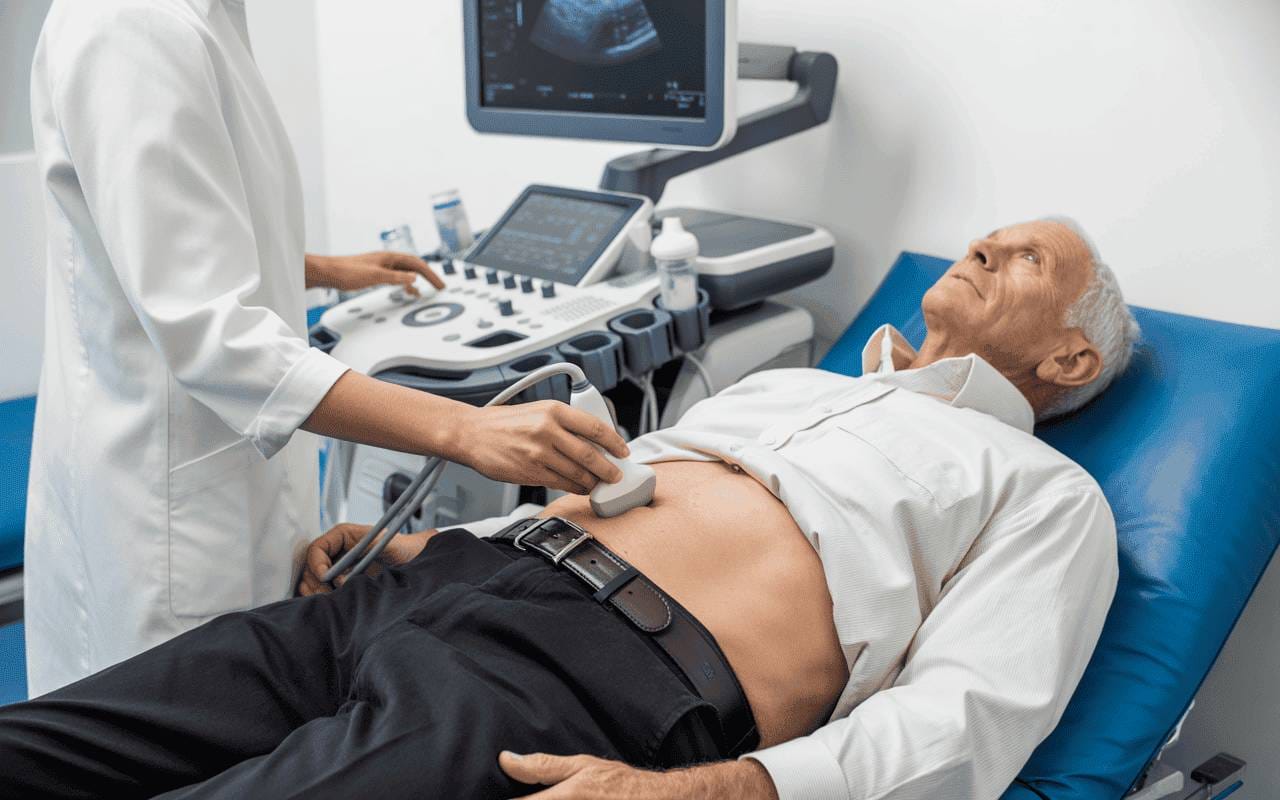
When Do You Need an Abdominal X-ray?
Abdominal X-rays, often called KUB (kidney-ureter-bladder) X-rays, evaluate the organs and structures in your abdomen through diagnostic radiology. While not as detailed as computed tomography (CT scans) or magnetic resonance imaging (MRI), abdominal X-rays provide valuable initial diagnostic information.
Seek Medical Evaluation: If you’re experiencing severe abdominal pain, blood in urine, or other concerning symptoms, consult a healthcare provider who can determine whether abdominal X-ray imaging is appropriate.
Kidney Stones and Urinary Tract Issues
Kidney stones affect approximately 1 in 10 people during their lifetime, according to the National Kidney Foundation. The prevalence has more than doubled in the past 30 years, making kidney stone diagnosis increasingly important through diagnostic imaging.
When X-rays Detect Kidney Stones
About 85% of kidney stones contain calcium and are visible on X-rays. These calcium-containing stones appear as bright white spots on abdominal radiographs, allowing physicians to assess their size and location through diagnostic radiology.
However, approximately 15% of kidney stones are radiolucent, meaning they don’t show up on standard X-rays. These include uric acid stones and some small calcium stones. “If a patient has classic kidney stone symptoms—severe flank pain, blood in the urine, nausea—but a normal X-ray, we typically order a CT scan, which detects nearly 100% of kidney stones regardless of their composition,” notes Dr. Gonzales through evidence-based diagnostic imaging protocols.
Bladder Stones Detection
Similar to kidney stones, bladder stones are solid buildups of minerals that can cause pain, blood in urine, and urinary frequency. Radiography can detect larger bladder stones, though smaller ones may require ultrasound or computed tomography imaging.
Bowel Obstructions and Gastrointestinal Issues
Intestinal Blockages
Abdominal X-rays can show bowel obstructions, which occur when something blocks your intestines. Radiographic images reveal abnormal gas patterns and distended loops of bowel that indicate blockage through diagnostic radiology.
Perforations
If your intestine develops a tear or perforation, air escapes into the abdominal cavity—a condition called pneumoperitoneum. This free air is visible on abdominal radiographs and indicates a surgical emergency requiring immediate intervention.
Constipation and Fecal Impaction
Severe constipation can sometimes be assessed with abdominal X-rays, which show stool buildup in the colon. However, physical examination and patient history are usually sufficient for diagnosing constipation without diagnostic imaging.
Abdominal Pain Evaluation Through Diagnostic Radiology
When patients present with unexplained abdominal pain, physicians may order abdominal X-rays to help identify the cause. These radiographic images can reveal:
- Masses or tumors
- Free air indicating perforation
- Abnormal calcifications
- Enlarged organs
- Foreign objects
“Abdominal X-rays are typically our first medical imaging step when evaluating acute abdominal pain,” Dr. Curley explains. “While they don’t show as much detail as CT scans, they’re quick, readily available, and often provide the diagnostic information we need to make initial treatment decisions through emergency radiology protocols.”
When Do You Need a Dental X-ray?
Dental X-rays are specialized diagnostic imaging techniques that help dentists diagnose oral health problems that aren’t visible during regular examinations. These radiographs use very low radiation doses and provide critical information about tooth and gum health.
Dental Professional Consultation: Only a dentist or dental professional can determine whether you need dental X-rays based on your oral health history, symptoms, and clinical examination.
Cavity Detection Through Dental Radiography
Dental X-rays can reveal cavities between teeth or beneath existing fillings—areas that dentists cannot see during visual examinations. Early cavity detection through diagnostic radiology allows for less invasive treatment before tooth decay becomes extensive.
Gum Disease and Bone Loss
Periodontal (gum) disease causes bone loss around teeth that isn’t visible above the gum line. Dental radiographs show the level of bone surrounding each tooth, helping dentists assess gum disease severity and monitor treatment progress through diagnostic imaging.
Tooth Root Problems
X-rays reveal problems with tooth roots, including infections (abscesses), cysts, and abnormal root shapes. These issues often cause pain and may require root canal treatment or extraction if severe, as detected through dental diagnostic radiology.
Impacted Teeth
When teeth don’t erupt properly—such as wisdom teeth that become impacted—dental X-rays show their position and help dentists plan appropriate treatment, whether monitoring, extraction, or other interventions through oral surgery imaging.
Jaw Problems
Dental X-rays can also detect issues with the jawbone, including tumors, cysts, and temporomandibular joint (TMJ) abnormalities that cause jaw pain and dysfunction through diagnostic imaging of skeletal structures.
Specialized X-ray Procedures in Diagnostic Radiology
Beyond standard radiographs, several specialized procedures use X-ray technology to diagnose specific conditions through advanced medical imaging.
Fluoroscopy
Fluoroscopy uses continuous X-ray beams to show real-time moving images of internal structures through dynamic diagnostic imaging. This technique is particularly useful for:
- Guiding catheter placement during cardiac procedures
- Evaluating swallowing function
- Examining gastrointestinal tract movement
- Positioning medical devices during interventional radiology procedures
Mammography for Breast Cancer Screening
Mammograms are specialized breast X-rays used to screen for and diagnose breast cancer through diagnostic radiology. These low-dose X-rays can detect tumors years before they can be felt manually, making them essential for early breast cancer detection and improving survival rates.
Important Screening Note: Follow the breast cancer screening recommendations provided by your healthcare provider based on your age, risk factors, and medical history.
Angiography for Vascular Imaging
This specialized X-ray procedure visualizes blood vessels after injecting contrast material. Angiography helps diagnose blood vessel blockages, aneurysms, and other vascular conditions through interventional radiology techniques.
Understanding X-ray Safety and Radiation Exposure
Many patients express concern about radiation exposure from X-rays. Understanding the actual risks helps put these concerns in perspective regarding ionizing radiation.
Radiation Safety Assurance: Modern diagnostic radiology follows strict safety protocols to minimize radiation exposure while obtaining high-quality diagnostic images. All medical imaging facilities are regulated to ensure patient safety.
Minimal Radiation Exposure in Modern Radiography
Modern X-ray equipment uses significantly less radiation exposure than older technology. The amount of ionizing radiation from most X-ray procedures is comparable to natural background radiation exposure over days or weeks of normal living.
For example, a dental X-ray exposes you to about the same amount of radiation dose you’d receive in one day of natural background radiation. A chest X-ray is equivalent to approximately 10 days of background radiation exposure.
“The radiation exposure from diagnostic X-rays is minimal, especially compared to the valuable diagnostic information they provide,” Dr. Gonzales reassures patients. “We always weigh the benefits of accurate diagnosis through medical imaging against any theoretical risks from ionizing radiation, and in the vast majority of cases, X-rays are not only safe but medically necessary.”
Special Precautions for Pregnant Women
IMPORTANT PREGNANCY WARNING: X-ray radiation can potentially harm a developing fetus, particularly during the first trimester when organs are forming. If you’re pregnant or suspect you might be pregnant, you MUST inform your healthcare provider before any radiographic procedure.
In many cases, your physician can delay non-urgent X-rays until after delivery or use alternative medical imaging methods like ultrasound that don’t involve ionizing radiation. When X-rays are medically necessary during pregnancy, radiology technologists take special precautions including lead shielding to minimize radiation exposure to the fetus.
Always inform the radiology staff if you:
- Are pregnant
- Think you might be pregnant
- Are trying to become pregnant
- Are breastfeeding
Cumulative Radiation Considerations
While individual X-ray procedures involve minimal radiation dose, frequent or repeated medical imaging over time can result in cumulative exposure. Your healthcare team considers your radiation history when ordering diagnostic tests, weighing the diagnostic benefits against cumulative ionizing radiation exposure risks according to ALARA (As Low As Reasonably Achievable) principles.
How to Prepare for Your X-ray
Most X-ray procedures require minimal preparation, making them convenient and accessible diagnostic tools in radiology departments.
What to Wear for Radiographic Imaging
Wear loose, comfortable clothing without metal components like zippers, snaps, or underwire bras. You may be asked to change into a hospital gown depending on the body area being examined for diagnostic imaging.
Remove jewelry, watches, and any other metal objects that might interfere with the radiographic images. For abdominal X-rays, you’ll need to remove belts and any objects in your pockets.
Medications and Contrast Agents
For standard X-rays, you can usually continue taking all regular medications. However, for certain specialized procedures involving contrast material, you may receive specific instructions about medication timing from your radiology department.
If your abdominal X-ray requires contrast agent, avoid taking bismuth-containing medications (like Pepto-Bismol) for at least four days before the procedure, as these can interfere with diagnostic imaging.
Allergy Alert: If you have known allergies to iodine, contrast materials, or seafood, inform your healthcare provider and the radiology staff before any procedure involving contrast agents.
Fasting Requirements
Most X-ray procedures don’t require fasting. However, some abdominal medical imaging studies may request that you avoid eating for several hours before the procedure. Your healthcare provider will give you specific instructions if fasting is necessary for your particular radiographic examination.
What Happens After Your X-ray?
Getting Your Diagnostic Radiology Results
X-ray results timing depends on the urgency of your situation. In emergency medicine settings, radiologists often review X-rays immediately, allowing your physician to make rapid treatment decisions based on diagnostic imaging.
For non-urgent X-rays, a radiologist—a physician specially trained in interpreting medical imaging—examines your radiographs and prepares a detailed report. This report is sent to your ordering physician, typically within one to two days.
“We prioritize rapid results for X-rays that might indicate serious conditions requiring immediate treatment,” Dr. Curley notes. “For example, if we suspect a fracture in our urgent care setting, we can usually provide patients with diagnostic radiology results before they leave the facility.”
Understanding Abnormal Results from Diagnostic Imaging
If your X-ray shows abnormalities, your physician will explain the radiographic findings and discuss appropriate next steps. These might include:
- Additional medical imaging tests (computed tomography, magnetic resonance imaging, or ultrasound) for more detailed information
- Treatment for diagnosed conditions
- Referral to specialists for further evaluation
- Follow-up X-rays to monitor changes over time through diagnostic radiology
Important: Do not attempt to interpret your own X-ray images. Only qualified healthcare providers have the training and expertise to accurately interpret radiographic images and provide appropriate medical recommendations.
Follow-up Imaging in Radiology Practice
Some conditions require serial X-rays to monitor healing or disease progression through diagnostic imaging. For example:
- Bone fractures are often re-imaged after several weeks to ensure proper healing
- Pneumonia may require follow-up chest X-rays to confirm resolution
- Kidney stones may be monitored with periodic radiographs during treatment
Always follow your healthcare provider’s recommendations for follow-up imaging to ensure optimal treatment outcomes.
When X-rays Aren’t Enough: Additional Imaging Options
While X-rays are invaluable diagnostic tools, some situations require more advanced medical imaging techniques.
CT Scans (Computed Tomography)
CT scans use X-ray beams from multiple angles to create detailed three-dimensional images. They provide much more diagnostic information than standard radiographs and are particularly useful for:
- Detecting small fractures that don’t show on regular X-rays
- Identifying kidney stones of any composition
- Diagnosing complex bone injuries
- Detecting soft tissue injuries and internal bleeding
- Detailed lung cancer evaluation through advanced diagnostic imaging
MRI (Magnetic Resonance Imaging)
Magnetic resonance imaging uses powerful magnets and radio waves instead of ionizing radiation to create detailed images. MRIs excel at showing soft tissues and are particularly useful for:
- Ligament and tendon tears
- Spinal cord injuries
- Brain imaging
- Detailed joint evaluation
- Soft tissue masses
Ultrasound Imaging
Ultrasound uses sound waves to create images and involves no radiation exposure. It’s particularly useful for:
- Evaluating abdominal organs
- Kidney and bladder assessment
- Pregnancy monitoring
- Blood vessel evaluation
- Guiding needle biopsies
The Role of PromiseCare Medical Group’s Radiology Department
At PromiseCare Medical Group, the Department of Radiology partners with California Imaging & Diagnostics to provide comprehensive diagnostic imaging services throughout the Inland Empire. With locations in Murrieta, Menifee, and Hemet, patients have convenient access to state-of-the-art X-ray technology and expert radiological interpretation.
“Our radiology services ensure that patients receive timely, accurate diagnoses through diagnostic imaging that enable our clinicians to devise tailored treatment options,” Dr. Curley explains. “The integration of our primary care physicians, specialists, and medical imaging services creates a seamless healthcare experience for our patients.”
The Department of Radiology at PromiseCare Medical Group employs cutting-edge diagnostic imaging techniques to identify and evaluate various medical conditions. By utilizing advanced X-ray technology and providing timely, precise diagnoses, the radiology team enables physicians to create personalized treatment plans that prioritize patient safety and optimal outcomes through evidence-based diagnostic radiology.
Conclusion
Understanding when you need an X-ray empowers you to seek appropriate medical care at the right time. Whether evaluating a suspected bone fracture, diagnosing pneumonia, detecting kidney stones, or monitoring chronic conditions, X-rays provide critical diagnostic information quickly and safely through diagnostic radiology.
“The key is open communication between patients and their healthcare providers,” emphasizes Dr. Gonzales. “If you’re experiencing symptoms that concern you—severe pain, difficulty breathing, persistent swelling—don’t hesitate to seek evaluation. We’ll determine whether X-ray imaging is appropriate based on your specific clinical situation and medical imaging needs.”
At PromiseCare Medical Group, the integrated network of primary care physicians, specialists, diagnostic radiology centers, and hospitals works collaboratively to ensure every patient receives comprehensive, coordinated care. With over 60 primary care physicians and 400+ specialists serving the Inland Empire, PromiseCare provides stability and consistency in delivering excellent clinical outcomes and exceptional service through state-of-the-art medical imaging.
For Medical Evaluation: If you’re experiencing symptoms that may require X-ray evaluation, contact PromiseCare Medical Group at (951) 390-2840 to schedule an appointment with one of our experienced physicians. Whether you need same-day urgent care or ongoing primary care management, our dedicated teams are here to provide the high-quality healthcare and diagnostic radiology services you deserve.
Remember: This article is for informational purposes only. Always consult with a qualified healthcare provider for medical advice, diagnosis, and treatment recommendations specific to your individual health needs.

Frequently Asked Questions About X-rays and Diagnostic Radiology
How much radiation exposure do you get from an X-ray?
The radiation dose from a standard X-ray is very small. A chest X-ray exposes you to about 0.1 millisieverts (mSv), equivalent to 10 days of natural background radiation. Dental X-rays use even less ionizing radiation, comparable to one day of natural exposure. Modern radiographic equipment minimizes radiation exposure while producing high-quality diagnostic images according to ALARA principles (As Low As Reasonably Achievable).
Can X-rays detect all types of fractures?
X-rays detect approximately 90% of bone fractures. However, some fractures—particularly stress fractures, hip fractures in elderly patients, and certain wrist fractures—may not be immediately visible on initial radiographs. Follow-up X-rays or more advanced medical imaging like CT scans or MRI may be needed for definitive diagnosis through diagnostic radiology. Only a healthcare provider can determine whether additional imaging is necessary based on your clinical presentation.
Are X-rays safe for children?
Yes, X-rays are safe for children when medically necessary. Radiology technologists use the lowest possible radiation dose to obtain diagnostic-quality images following pediatric protocols. The benefits of accurate diagnosis through medical imaging far outweigh the minimal risks from ionizing radiation exposure in pediatric patients. Parents should discuss any concerns about radiation exposure with their child’s healthcare provider.
How long does it take to get X-ray results?
In emergency medicine settings, X-ray results are often available within minutes to hours. For non-urgent radiographs, a radiologist typically reviews the images and sends a detailed report to your physician within 24-48 hours. Your doctor will then discuss the diagnostic imaging results and treatment recommendations with you. Result timing may vary depending on the facility and clinical urgency.
What’s the difference between an X-ray and a CT scan?
Both use ionizing radiation, but CT scans (computed tomography) take multiple X-ray images from different angles and use computer processing to create detailed three-dimensional images. CT scans provide much more detailed diagnostic information than standard radiographs but involve higher radiation exposure. CT scans are typically used when more detailed medical imaging is needed beyond what standard X-rays can provide. Your healthcare provider will determine which imaging modality is appropriate for your specific situation.
Do I need to fast before an X-ray?
Most X-ray procedures don’t require fasting. However, some abdominal imaging studies may request that you avoid eating for several hours before the procedure. Your healthcare provider will give you specific instructions if fasting is necessary for your particular radiographic examination. Always follow the preparation instructions provided by your radiology facility.
Can you have an X-ray while pregnant?
IMPORTANT: X-rays should generally be avoided during pregnancy when possible, especially during the first trimester, due to potential risks from ionizing radiation to the developing fetus. However, if an X-ray is medically necessary, radiology technologists can take special precautions including lead shielding to minimize radiation exposure. Always inform your healthcare provider and radiology staff if you’re pregnant, think you might be pregnant, or are breastfeeding before any diagnostic imaging procedure.
What is contrast material and why is it used in some X-rays?
Contrast agents are substances (usually containing iodine or barium) that make certain organs or tissues more visible on radiographic images. Since soft tissues like the digestive tract or blood vessels don’t show up well on standard X-rays, contrast material helps highlight these structures for better diagnostic imaging. Examples include barium swallows for gastrointestinal studies and iodinated contrast for kidney evaluation through diagnostic radiology. If you have known allergies to iodine, contrast materials, or seafood, inform your healthcare provider before any procedure involving contrast agents.
How do X-rays help diagnose pneumonia?
Chest X-rays show pneumonia as areas of consolidation where the lungs appear white instead of dark. The infection causes fluid and inflammatory cells to fill the air sacs (alveoli), which absorb more X-ray radiation and appear white on the radiograph. The location, size, and pattern of consolidation help physicians diagnose pneumonia type and severity through diagnostic imaging. However, only a healthcare provider can accurately interpret chest X-rays and diagnose pneumonia based on clinical presentation, physical examination, and radiographic findings.
Can kidney stones be seen on an X-ray?
About 85% of kidney stones contain calcium and are visible on abdominal X-rays. However, 15% of stones are radiolucent (invisible on X-rays), including uric acid stones. If your symptoms suggest kidney stones but the X-ray is normal, your physician will likely order a CT scan, which detects nearly all kidney stones regardless of composition through more advanced diagnostic imaging. Only a healthcare provider can determine the appropriate imaging studies needed based on your specific symptoms and clinical presentation.
FINAL MEDICAL DISCLAIMER: The information provided in this article is for educational purposes only and is not intended to be a substitute for professional medical advice, diagnosis, or treatment. Always seek the advice of your physician or other qualified health provider with any questions you may have regarding a medical condition. Never disregard professional medical advice or delay in seeking it because of something you have read in this article. If you think you may have a medical emergency, call 911 or your doctor immediately.
PromiseCare Medical Group provides this information as an educational resource. For medical evaluation, diagnosis, or treatment, please contact PromiseCare Medical Group at (951) 390-2840 to schedule an appointment with one of our experienced physicians.