

Your blood pressure reading consists of two numbers: systolic pressure measures the force in your arteries when your heart contracts, while diastolic pressure measures that force when your heart relaxes. The ideal target for all ages is below 120/80 mm Hg, though average readings naturally increase with age due to vessel stiffening. Readings between 120-129/under 80 signal elevated blood pressure, while 130/80 or higher indicates hypertension requiring lifestyle changes or medication. Understanding these thresholds helps you take preventive action before serious cardiovascular complications develop.
Main Points
- Blood pressure is measured as systolic (heart contraction) over diastolic (heart relaxation), with 120/80 mm Hg as the ideal benchmark.
- Elevated blood pressure (120-129/<80 mm Hg) signals increased risk for developing hypertension without lifestyle intervention.
- Stage 1 hypertension (130-139/80-89 mm Hg) requires lifestyle modifications, while Stage 2 (≥140/90 mm Hg) needs medication and monitoring.
- Hypertensive crisis occurs above 180/120 mm Hg and requires immediate medical attention to prevent organ damage.
- Age affects readings naturally; younger adults average 115/75 mm Hg while those over 60 reach 125-139/80 mm Hg.
What Your Blood Pressure Numbers Mean: Systolic vs Diastolic
Every time your heart beats, it creates two distinct pressure measurements that tell a story about your cardiovascular health.
The top number, systolic pressure, measures the force against your artery walls when your heart contracts and pushes blood throughout your body. The bottom number, diastolic pressure, captures the pressure when your heart relaxes and refills with blood.
Your blood pressure readings reveal two critical moments in your heart’s rhythm: the powerful contraction and the essential relaxation between beats.
Understanding the systolic significance becomes vital after age 50, as this number serves as a stronger predictor of heart attack and stroke risk.
The diastolic implications shouldn’t be overlooked either—elevated readings indicate your heart isn’t relaxing properly, potentially leading to muscle stiffening. For adults aged 40-89, every 10 mmHg increase in diastolic pressure doubles cardiovascular disease risk. For individuals under 50, diastolic pressure carries more significance in assessing cardiovascular health risks.
Your healthcare provider evaluates both numbers together to assess your overall heart health.
Normal Blood Pressure by Age: Ideal Ranges for Adults
Your ideal blood pressure isn’t one-size-fits-all—it changes as you age.
While 120/80 mm Hg remains the universal benchmark for adults, average readings naturally climb through each decade of life.
Understanding what’s normal for your age group helps you set realistic health targets and recognize when your numbers signal a problem.
Regular monitoring provides insight into heart health and helps identify when your readings fall outside expected ranges for your age.
Average Ranges by Decade
Blood pressure naturally changes as you move through different stages of life, with distinct patterns emerging across age groups. Understanding these blood pressure variations helps you recognize what’s typical for your age.
In your 18-39 years, you’ll average around 115/75 mm Hg, with women typically at 110/68 and men at 119/70.
Moving into your 40-59 years, expect readings around 120/80 mm Hg, as both genders converge near 122-124/74-77.
Once you reach 60+, decade differences become more pronounced. Your average rises to 125/80 mm Hg, with women’s systolic climbing to 139 and men’s reaching 133.
Despite these increasing averages, the target remains below 120/80 mm Hg across all ages, ensuring ideal cardiovascular health regardless of your decade. If you have diabetes or heart conditions, your healthcare provider may recommend different individual targets based on your overall health.
How Age Affects Readings
Age plays a significant role in determining what constitutes a healthy blood pressure reading for you. Your blood vessels naturally stiffen over time, causing readings to rise even when you’re maintaining heart-healthy habits.
Blood pressure trends show clear patterns across decades: young adults (18-39) typically maintain lower readings around 110-119/68-70 mm Hg, while middle-aged adults (40-59) see increases to approximately 122-124/74-77 mm Hg.
By age 60, readings often climb to 133-139/68-69 mm Hg.
These age related factors don’t mean you can’t maintain ideal levels. While the standard 120/80 mm Hg target remains ideal, you’ll need individualized goals established with your healthcare provider, especially if you’re managing chronic conditions that affect your cardiovascular health. Regular monitoring can help you track changes and identify deviations from normal ranges that may require medical attention.
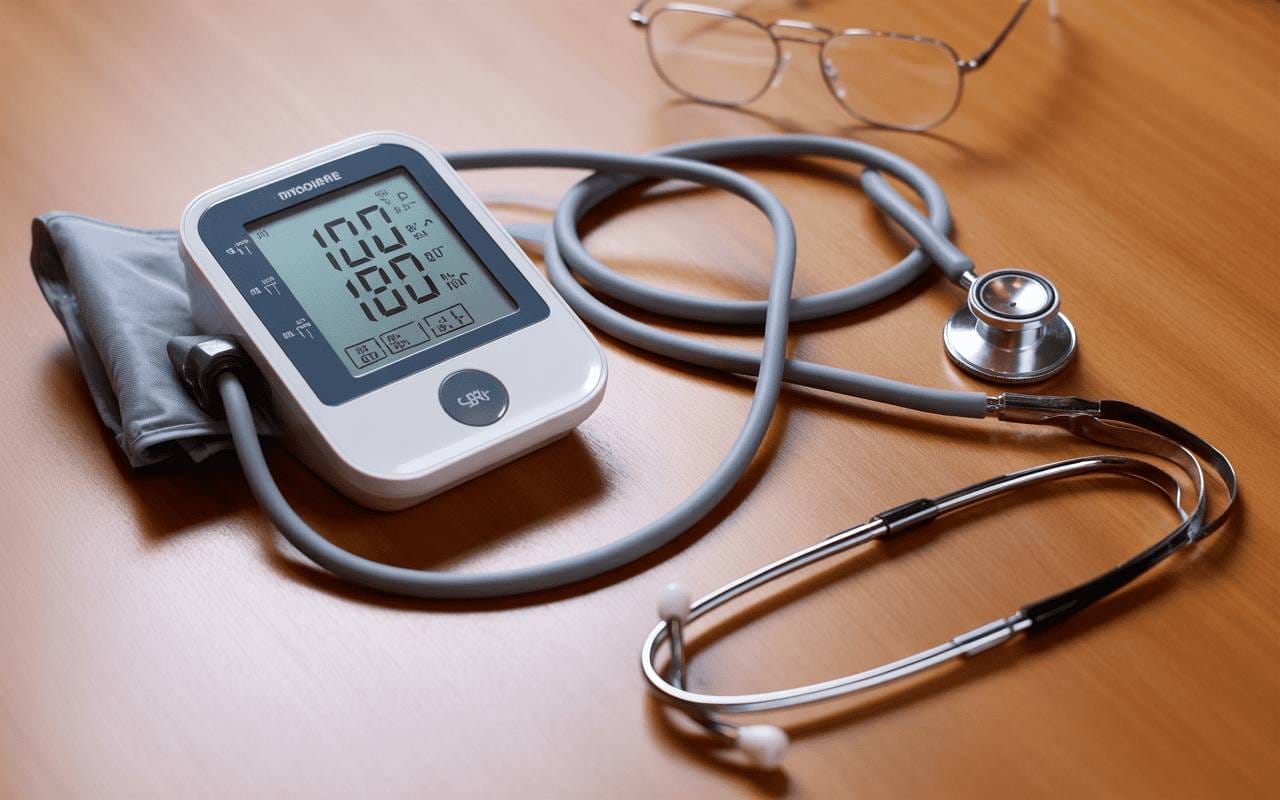
Elevated Blood Pressure: Your Risk for Future Hypertension
If your blood pressure reads between 120/80 and 129/80 mm Hg, you’ve entered the elevated category—a warning zone that signals you’re at risk for developing stage 1 hypertension or higher.
This condition means the force against your artery walls exceeds normal levels without quite reaching the hypertension threshold yet.
Left unaddressed, elevated blood pressure typically progresses to chronic high blood pressure, but you’ll discover how specific lifestyle changes can reverse this trajectory before it becomes a more serious health concern. Regular physical activity encourages blood flow and helps blood vessels relax, making it one of the most effective strategies for preventing this progression.
Defining Elevated Blood Pressure
Your heart generates pressure with every beat, and when those readings consistently land between 120-129 mm Hg systolic while your diastolic remains under 80 mm Hg, you’ve entered what doctors call elevated blood pressure.
This range sits above normal (less than 120/80 mm Hg) but below stage 1 hypertension (130/80 mm Hg or higher). These pre hypertensive indicators signal you’re at increased risk for developing full hypertension without intervention.
Understanding the distinction matters because elevated readings aren’t yet hypertension, but they demand attention. Your systolic pressure measures the force during heart contraction, while diastolic reflects resting pressure between beats. Diagnosis requires two or more readings on separate occasions that meet hypertension criteria.
When these numbers consistently elevate, the cardiovascular implications become significant—you’re facing higher lifetime risk of heart disease and stroke without lifestyle modifications.
Progression to Hypertension Risk
Recognizing elevated blood pressure as a warning sign becomes even more important when you consider the statistics: two-thirds of people with untreated prehypertension will develop full hypertension within just four years.
Your progression risk depends on your current BP category—if you’re at 130-139/85-89 mm Hg, you face a 37.3% chance of developing hypertension within four years. At 120-129/80-84 mm Hg, that risk drops to 17.6%. For those with optimum blood pressure below 120/80 mm Hg, only 5.3% develop hypertension over the same period.
Age amplifies these numbers considerably, with older adults experiencing nearly double the progression rates. Regular blood pressure monitoring enables early detection, while hypertension prevention strategies like weight management prove critical—just a 5% weight gain increases your odds by 20-30%.
Reducing your BP below 120/80 mm Hg can prevent up to 25% of hypertension cases.
Lifestyle Changes That Help
The change from elevated blood pressure to full hypertension isn’t inevitable—you can greatly reduce your risk through targeted lifestyle modifications that address the underlying factors driving your numbers upward.
Dietary modifications form your foundation: adopt the DASH eating plan emphasizing vegetables, fruits, whole grains, and lean proteins while reducing sodium to 1,500 mg daily.
Combined with exercise routines of 150 minutes weekly, you’ll lower BP by 5-8 mm Hg. Weight loss of at least 5% body weight reduces heart workload considerably.
Stress reduction through meditation, yoga, or breathing exercises supports these changes. Healthy lifestyle behaviors are critical for preventing high blood pressure from progressing to more serious stages. Smoking cessation and alcohol limitations prevent additional BP elevation.
Home monitoring lets you track progress, while healthcare collaboration ensures your integrated plan addresses your specific needs effectively.
Stage 1 Hypertension: The 130/80 Threshold and What It Means
When doctors diagnose stage 1 hypertension, they’re identifying blood pressure readings that fall between 130-139 mm Hg systolic or 80-89 mm Hg diastolic.
This stage 1 diagnosis represents a critical threshold where you’re at increased risk for heart disease, stroke, and kidney problems, though your immediate 10-year cardiovascular risk typically remains below 10%.
Your doctor won’t rely on a single reading. They’ll reassess your blood pressure every 1-4 weeks to confirm the elevation. Multiple office measurements and out-of-office BP monitoring are essential before confirming your hypertension diagnosis.
Management strategies begin with lifestyle modifications for 3-6 months. If these changes don’t lower your readings below 130/80 mm Hg, you’ll likely need medication.
Your target is reaching blood pressure under 140/90 mm Hg within three months of starting treatment, then ultimately achieving readings below 130/80 mm Hg.
Stage 2 Hypertension: When Numbers Reach 140/90 or Higher
Stage 2 hypertension marks a critical escalation in your cardiovascular health, demanding immediate medical intervention rather than a wait-and-see approach.
When your readings consistently hit 140/90 mm Hg or higher, you’re facing substantially increased risks of heart attack, stroke, kidney damage, and vision loss.
Hypertension symptoms at this stage can include severe headaches, chest pain, irregular heartbeat, and difficulty breathing.
You might experience fatigue, blurred vision, or pounding sensations in your chest and neck.
Treatment options require combining prescription medications with lifestyle modifications.
Your doctor will monitor you regularly to prevent complications like heart failure or aneurysms.
If you’ve got secondary hypertension, addressing underlying conditions like kidney disease or sleep apnea becomes essential for managing your blood pressure effectively.
Ambulatory blood pressure monitoring tracks your readings for 24 hours during your normal daily activities to provide a comprehensive assessment.
Hypertensive Crisis: Blood Pressure Over 180/120 Requires Emergency Care
A hypertensive crisis occurs when your blood pressure soars above 180/120 mm Hg, creating a medical situation that’s fundamentally different from standard high blood pressure.
You’re facing two possible scenarios: hypertensive urgency without organ damage or hypertensive emergency with organ damage threatening your life.
A hypertensive crisis splits into two critical paths: urgency without organ damage or emergency with life-threatening complications.
Watch for these hypertensive symptoms: chest pain, shortness of breath, severe headache, blurred vision, numbness, weakness, difficulty speaking, confusion, or seizures.
These indicate your organs are suffering damage.
Crisis management depends on severity. If you’re experiencing alarming symptoms with readings above 180/120, call 911 immediately.
Without symptoms, wait one minute, recheck your reading, and contact your healthcare professional if it remains elevated.
Emergency treatment involves IV medications in hospital settings, while urgency cases typically receive oral medications. Regular monitoring of blood pressure is essential for preventing future hypertensive crises and maintaining proper management of your condition.
Low Blood Pressure: When Readings Drop Below 90/60
Low blood pressure exists when your readings consistently fall below 90/60 mmHg, signaling that blood isn’t flowing through your arteries with adequate force.
This means your essential organs aren’t receiving adequate oxygen and nutrients.
You’ll likely experience dizziness when standing, persistent fatigue, blurred vision, and cold, clammy skin. Your heart may race as it compensates for insufficient circulation.
Dehydration, blood loss, severe infections, and heart conditions commonly trigger these drops. Autonomic nervous system dysfunction can also cause sudden drops in blood pressure.
An impact assessment reveals that older adults face particular risk—over 30% past age 70 develop orthostatic hypotension.
A sudden 20 mmHg systolic drop can cause fainting, while extreme cases progress to shock.
Treatment options depend on severity.
You’ll need to address underlying causes, increase fluid intake, adjust medications, and wear compression stockings to improve circulation.
How Blood Pressure Measurements Work: The One-Minute Cuff Test
Your blood pressure reading takes just 60 seconds, yet this brief test delivers critical information about your cardiovascular health through a carefully orchestrated sequence of inflation, deflation, and sound detection.
Proper cuff placement begins one inch above your elbow on bare skin, positioned directly over the brachial artery. The cuff must be snug enough that only two fingertips fit underneath while staying level with your heart.
After you’ve rested quietly for three to five minutes, the cuff inflates rapidly to compress your artery completely, then deflates slowly at 2-3 mmHg per second. The gauge should be held in your open palm for clear visibility during the measurement process.
The first sound heard indicates your systolic pressure; when sounds disappear, that’s your diastolic reading. Measurement accuracy depends on correct sizing, positioning, and following standardized protocols precisely.
Blood Pressure Changes With Age: Why Readings Rise After 40
While your blood vessels remain flexible and elastic during your younger years, they gradually stiffen as you cross the threshold of 40, causing your systolic blood pressure to climb steadily upward. This age-related shift explains why hypertension prevalence jumps dramatically from 22.4% in adults 18–39 to 54.5% in those 40–59, and reaches 74.5% after 60.
Understanding these age factors helps you recognize when monitoring becomes critical. Your diastolic pressure follows a different pattern, peaking between 40–60 before declining.
The health implications of elevated readings before 40 are serious—doubling to tripling your cardiovascular event risk over the following decades. Each 20 mm Hg systolic increase doubles stroke death rates, making early detection and lifestyle modifications essential protective measures. Research indicates that maintaining a healthy lifestyle—including regular physical activity, healthy weight, and a low-sodium diet—can help prevent blood pressure elevation rather than trying to reverse it after it becomes established.

Frequently Asked Questions
Can Stress or Anxiety Temporarily Raise My Blood Pressure Readings?
Yes, stress and anxiety can temporarily raise your blood pressure by 20-30 mmHg or more.
When you’re anxious, your body releases adrenaline and cortisol, triggering your fight-or-flight response. This increases your heart rate and narrows blood vessels, spiking your readings.
The anxiety impact is temporary—your pressure returns to normal once you’ve calmed down.
However, effective stress management is essential since frequent spikes can damage your cardiovascular system over time.
How Often Should I Check My Blood Pressure at Home?
The ideal monitoring frequency depends on your situation.
If you’re newly diagnosed or adjusting medications, you’ll need measurements twice daily for 5-7 days.
Once your blood pressure’s well-controlled, checking twice daily for one week monthly works well.
Think of home measurement techniques like checking the weather—regular patterns matter more than single readings.
Always take two readings one minute apart, morning and evening, then share all results with your doctor.
What Foods or Drinks Should I Avoid Before Measuring Blood Pressure?
Before measuring your blood pressure, you’ll want to avoid caffeine consumption for at least 30 minutes, as coffee, tea, and energy drinks temporarily elevate readings.
You should also limit sodium intake by steering clear of salty snacks, processed foods, and fast food for 24-72 hours prior.
Additionally, skip alcohol for at least 24 hours and avoid sugary drinks that can affect your metabolic state and distort measurements.
Can Medications Cause My Blood Pressure to Become Too Low?
Yes, medication effects can definitely cause low blood pressure.
Beta-blockers, diuretics like furosemide, ACE inhibitors such as lisinopril, and calcium channel blockers like amlodipine commonly lower blood pressure too much.
Antidepressants, alpha-blockers, and Parkinson’s medications also increase your risk.
If you’re taking multiple medications, you’re at higher risk for dangerously low blood pressure.
You should monitor your blood pressure regularly and report dizziness or lightheadedness to your doctor immediately.
Does Blood Pressure Differ Between My Left and Right Arms?
Yes, you’ll typically find slight blood pressure differences between your arms.
Your right arm’s systolic pressure is usually 2-3 mm Hg higher than your left. These arm discrepancies are normal and don’t indicate problems.
However, if the difference exceeds 10 mm Hg consistently, you should consult your doctor, as this may signal vascular issues.
For measurement accuracy, always check both arms initially, then use the arm with higher readings for future monitoring.
Final Thoughts
Understanding your blood pressure numbers isn’t just about memorizing ranges—it’s about taking control of your health. Whether you’re monitoring readings at home or during doctor’s visits, you now know what those systolic and diastolic numbers reveal about your cardiovascular health. So what’s your next step? Use this knowledge to make informed decisions, track changes over time, and work with your healthcare provider to keep your numbers in a healthy range.