
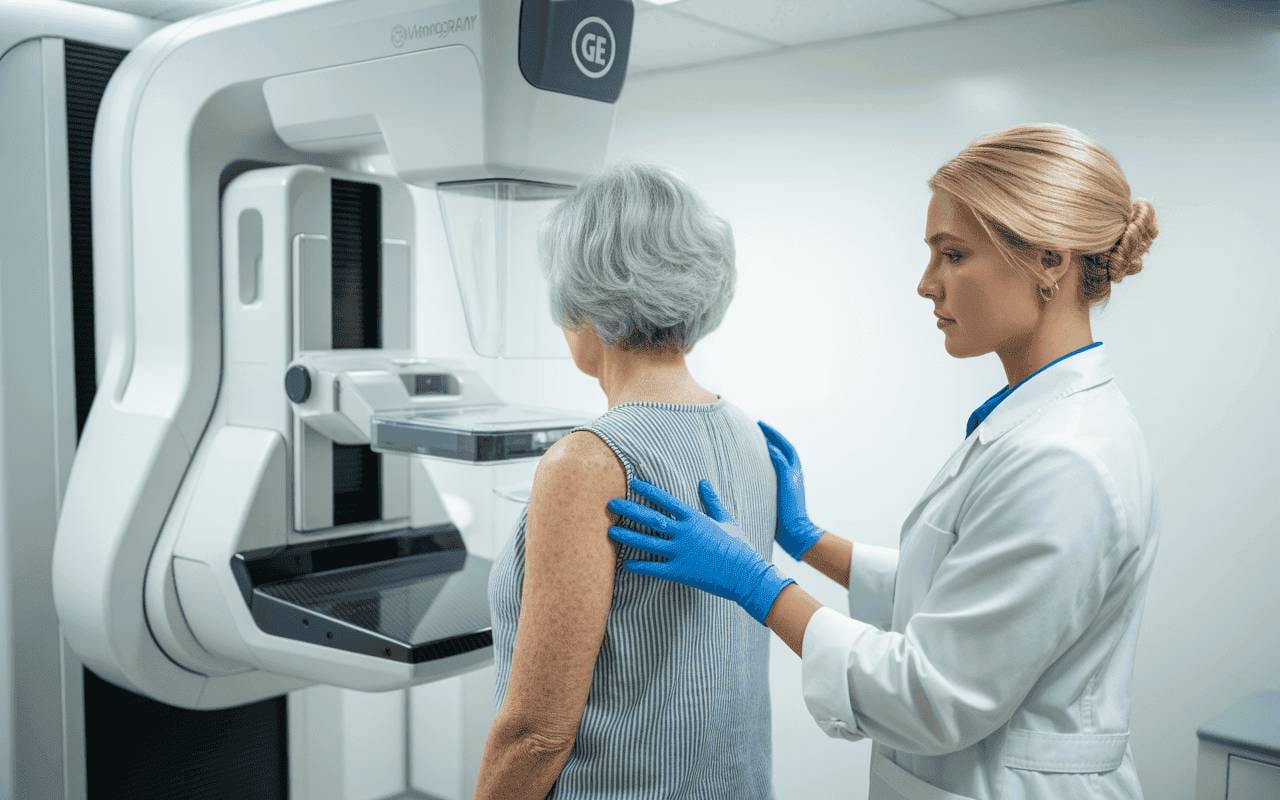
If you’ve been told it’s time for your first mammogram, you might feel a mix of emotions—perhaps some anxiety about the unknown, maybe worry about what it might find, or confusion about why you need one at all. These feelings are completely normal. At PromiseCare Medical Group, we believe that understanding what to expect can turn anxiety into empowerment. This comprehensive guide will walk you through everything you need to know about mammography screenings, from why they matter to what happens during your appointment.
Understanding Mammography: Your First Line of Defense
Mammography is a specialized X-ray examination of breast tissue designed to detect changes that could indicate breast cancer. Think of it as a detailed snapshot that allows radiologists to see inside your breast tissue, often finding abnormalities years before you or your doctor could feel them during a physical exam.
The beauty of screening mammography lies in its ability to catch cancer through early detection. When breast cancer is detected in its earliest stages—before it has spread beyond the breast—the five-year survival rate is 99%. This remarkable statistic isn’t just a number; it represents lives saved, families kept whole, and futures preserved.
At PromiseCare Medical Group, our physicians in Riverside County understand that mammograms are more than just a screening tool—they’re part of a preventive medicine strategy that has saved countless lives throughout the Inland Empire.
Why Mammography Matters
Breast cancer doesn’t discriminate. It’s the second most common cancer among women in the United States, affecting 1 in 8 women during their lifetime. But here’s the encouraging news: mortality rates from breast cancer have been declining since 1989, largely due to earlier detection through breast cancer screening and improved treatment options.
Mammograms can detect tumors that are too small to be felt during self-examination or clinical breast exams. In fact, breast imaging can identify changes in breast tissue up to two years before a lump becomes palpable. This early detection window is crucial because:
- Treatment options are more varied and less invasive when cancer is caught early
- Smaller tumors are easier to remove completely through lumpectomy
- Early-stage cancers are less likely to have spread to lymph nodes or other parts of the body
- Survival rates improve dramatically with early intervention
For our patients in Hemet, Temecula, Murrieta, Menifee, Lake Elsinore, San Jacinto, and throughout Riverside County, PromiseCare Medical Group emphasizes preventive screenings as a cornerstone of comprehensive healthcare.
When Should You Start Getting Mammograms?
The question of when to begin mammogram screenings has generated considerable discussion in the medical community. Recent updates to national guidelines reflect new research and a growing understanding of breast cancer risks across different populations.
Current Screening Guidelines
Most major medical organizations now recommend that women at average risk for breast cancer begin annual mammography screening at age 40. This recommendation represents a shift from previous guidance and aligns with several leading medical societies, including:
- The American College of Radiology
- The Society of Breast Imaging
- The American College of Obstetricians and Gynecologists
- The National Comprehensive Cancer Network
- The U.S. Preventive Services Task Force (USPSTF, updated in 2024)
Ages 40-44: Women in this age group should have the option to begin annual screening mammograms. Discuss with your PromiseCare physician whether starting screenings during these years makes sense for your individual situation.
Ages 45-54: Annual mammograms are strongly recommended by the American Cancer Society for all women in this age range.
Ages 55 and older: Women can choose between annual mammograms or switching to screening every two years, depending on their health status and risk factors.
Beyond 74: Continue regular screening as long as you’re in good health and expected to live at least 10 more years.
Who Needs Earlier or More Frequent Screening?
Some women face higher-than-average breast cancer risk and may need to begin screening earlier or undergo more frequent examinations. You might be considered high-risk if you have:
- A family history of breast cancer (especially in first-degree relatives like mother or sister)
- Known genetic mutations such as BRCA1 or BRCA2 genes
- Previous radiation therapy to the chest before age 30
- A personal history of breast cancer
- Dense breast tissue identified on mammography
- Certain inherited conditions like Li-Fraumeni syndrome or Cowden syndrome
If any of these risk factors apply to you, your PromiseCare physician may recommend beginning screening in your 30s and may suggest additional imaging such as breast MRI alongside your mammogram.
Addressing Health Disparities
Recent guideline updates acknowledge important health disparities in breast cancer outcomes. Black women, despite having slightly lower overall breast cancer incidence rates than white women, are 40% more likely to die from the disease. They’re also more likely to be diagnosed with aggressive triple-negative breast cancer at younger ages—a subtype that doesn’t respond to hormonal treatments.
Hispanic, Asian, American Indian, and Alaska Native women also face inequities in screening access, follow-up care, diagnosis timing, and treatment. The updated recommendation for all women to begin screening at age 40 aims to reduce these health disparities and ensure equitable access to life-saving early detection.
At PromiseCare Medical Group, we’re committed to serving the diverse communities of Riverside County with culturally competent care and accessible screening services.
Preparing for Your Mammogram
Preparation can make your mammography experience smoother and more comfortable. Here’s how to get ready:
Scheduling Considerations
Timing matters: Try to schedule your mammogram for when your breasts are least likely to be tender. Avoid the week before your period if possible. The first week after your period often works well.
Choose the right facility: If you can, select a facility that specializes in mammography and performs many mammograms daily. PromiseCare Medical Group can refer you to trusted imaging centers throughout Riverside County.
Maintain consistency: Try to use the same facility each time. This allows radiologists to compare your current mammogram with previous ones, making it easier to spot changes over time.
Gather your records: If this isn’t your first mammogram or if you’re visiting a new facility, bring a list of where and when you’ve had previous mammograms, biopsies, or other breast procedures. Better yet, have those previous images sent to the new facility beforehand.
What to Wear and Avoid
Dress smart: Wear a two-piece outfit so you only need to remove your top. The facility will provide a gown or wrap.
Skip the products: Don’t apply deodorant, antiperspirant, powder, lotion, cream, or perfume to your breasts or underarms on the day of your mammogram. Many of these products contain substances that can appear as white spots on the mammogram, potentially obscuring important details or being mistaken for calcifications.
Leave jewelry at home: You’ll need to remove necklaces before your mammogram, so it’s easier not to wear any.
Know your body: Be prepared to discuss any breast symptoms or changes you’ve noticed, medications you’re taking, previous breast surgeries, and whether you have breast implants.
What Happens During Your Mammography Examination
Understanding the procedure step-by-step can help ease anxiety about the unknown.
Arrival and Check-In
When you arrive at the imaging facility, expect to spend about 30-45 minutes total, though the actual mammography takes only about 10-15 minutes. You’ll check in at the front desk, where you’ll be asked to complete paperwork about your medical history if you haven’t done so already.
Before the Exam
You’ll be asked to change into a gown that covers you from the waist up. A mammography technologist—a healthcare professional specifically trained in breast imaging—will review your medical history with you. Be honest about any breast concerns, symptoms, previous surgeries, family history, or other relevant health information.
The Imaging Process
The mammography technologist will position you in front of the mammography machine. Here’s what happens:
- Positioning: You’ll stand facing the machine. The technologist will position one breast at a time on a flat surface (the bottom plate).
- Compression: A plastic compression paddle will be lowered onto your breast, applying pressure to flatten the breast tissue. This compression serves several important purposes:
- Spreads out the tissue so overlapping structures don’t hide abnormalities
- Allows for lower radiation exposure using ionizing radiation safely
- Reduces motion blur
- Provides clearer, more detailed images
- Imaging: You’ll be asked to hold your breath and stand very still for a few seconds while the X-ray imaging is captured. The compression lasts only about 10-15 seconds per image.
- Multiple views: For a screening mammography, two views of each breast are typically taken—one from top to bottom and one from side to side. This means four images total for most women.
- Additional images: If you have breast implants, larger breasts, or other considerations, more images may be needed.
3D Mammography (Digital Breast Tomosynthesis)
Many facilities now offer 3D mammography, also called digital breast tomosynthesis or DBT. This advanced technology works similarly to traditional 2D mammography but creates three-dimensional images of your breast tissue.
During digital breast tomosynthesis, the machine moves in a small arc either over or alongside your breast, taking multiple images from different angles. A computer then assembles these images into a 3D picture that allows radiologists to examine your breast tissue one layer at a time, like flipping through pages of a book.
Benefits of 3D mammography include:
- Better detection of breast cancer, especially in women with dense breast tissue
- Fewer callbacks for additional imaging
- More accurate identification of the size and location of tumors
- Reduced false-positive results
The procedure feels exactly the same as traditional 2D mammography, but the machine may take slightly longer to capture the images.
Managing Discomfort
Let’s address the elephant in the room: Will it hurt? The honest answer is that experiences vary widely. Some women feel only mild discomfort, while others find compression more painful. Several factors influence your experience:
- Breast size and density: Smaller, denser breasts may require more compression
- Menstrual cycle timing: Breasts are often more tender before menstruation
- Technologist skill: An experienced technologist knows how to position you for optimal images with appropriate compression
- Your ability to relax: Tensing up can make compression feel worse
Tips for Minimizing Discomfort:
- Time it right: Schedule your mammogram for when your breasts are least tender (avoid the week before your period)
- Consider pain relief: Some women find taking an over-the-counter pain reliever like ibuprofen or acetaminophen 30-60 minutes before their appointment helpful
- Communicate: Tell the technologist if you’re experiencing significant pain. They can sometimes adjust the compression or suggest positioning changes
- Breathe and relax: Try to relax your muscles. Tensing up fights against the compression and can make it more uncomfortable
- Remember it’s brief: Each compression lasts only 10-15 seconds
If you experience intense pain or feel faint during the procedure, speak up immediately. The technologist can pause the exam.

After Your Mammogram: Understanding Results
Once your mammogram images are captured, the real work begins. A radiologist—a physician specially trained in interpreting medical images—will carefully review your mammogram and prepare a report.
Timeline for Results
At most facilities, you can expect to receive your results within two weeks, either by mail or through your electronic medical record. Your primary care physician or the doctor who ordered the mammogram will also receive a copy of the report.
If you haven’t heard anything within two weeks, don’t assume everything is fine. Contact your healthcare provider or the imaging facility to follow up. At PromiseCare Medical Group, we ensure our patients receive timely communication about all screening results.
BI-RADS Categories
Your mammogram report will include a BI-RADS (Breast Imaging Reporting and Data System) category. This standardized system, developed by the American College of Radiology, helps doctors communicate findings clearly:
Category 0 – Incomplete: Additional imaging is needed. This doesn’t mean cancer was found; it means the radiologist wants to look at something more closely with additional views, breast ultrasound, or comparison with previous mammograms.
Category 1 – Negative: No significant abnormalities detected. Continue regular screening according to guidelines.
Category 2 – Benign finding: Non-cancerous findings like cysts or calcifications are noted but nothing that raises concern for cancer. Continue regular screening.
Category 3 – Probably benign: A finding that is almost certainly not cancer but warrants a short-interval follow-up mammogram (usually in 6 months) to ensure it’s not changing.
Category 4 – Suspicious: An abnormality that doesn’t look like typical cancer but has enough concern to warrant a biopsy. This category is subdivided into 4A, 4B, and 4C based on increasing levels of concern.
Category 5 – Highly suggestive of malignancy: A finding that has a very high probability (95% or greater) of being cancer. A biopsy is necessary.
Category 6: Known, biopsy-proven cancer. This category is used for imaging performed after a cancer diagnosis but before treatment.
Common Findings
Dense breast tissue: About 40% of women have dense breast tissue, which appears white on mammograms. This can make it harder to spot abnormalities (which also appear white) and slightly increases breast cancer risk. If you have dense breasts as determined through the BI-RADS density classification, your doctor may recommend additional screening with breast ultrasound or MRI.
Calcifications: Small calcium deposits in breast tissue appear as white spots on mammograms. There are two types:
- Macrocalcifications: Larger calcium deposits that are almost always benign and often result from aging, old injuries, or inflammation
- Microcalcifications: Tiny specks that warrant closer evaluation through diagnostic mammography, as they can sometimes indicate early cancer
Cysts: Fluid-filled sacs that are not cancerous and don’t increase cancer risk.
Masses: Any three-dimensional structure in fibroglandular tissue. Not all masses are cancer; many are benign tumors called fibroadenomas.
Being Called Back: Managing Anxiety
Here’s important information to keep in your pocket: If you’re called back for additional imaging, try not to panic. Being called back doesn’t mean you have cancer.
About 10% of women who have a screening mammogram will be called back for additional images or tests. Of those, only about 1 in 10—or 10% of callbacks—result in a cancer diagnosis through biopsy. That means roughly 90% of women called back for additional testing don’t have cancer—they receive a false-positive result.
Reasons you might be called back include:
- The radiologist wants to compare your current images with older ones but can’t access them
- Something on the initial images needs a closer look with different angles or magnification
- You have dense breast tissue requiring breast ultrasound evaluation
- An unclear image that needs to be retaken
If you’re called back, you’ll typically undergo diagnostic imaging, which includes:
- Additional mammogram views focused on the area of concern
- Magnification views to examine calcifications more closely
- Breast ultrasound to determine if a finding is solid or fluid-filled
- In some cases, breast MRI for further evaluation
A radiologist will review these images while you’re there and discuss findings with you immediately.
Mammograms and Safety
Mammograms do expose you to a small amount of radiation. However, the radiation exposure is very low—comparable to about two months’ worth of natural background radiation from the environment. The benefit of potentially catching cancer early through early detection far outweighs any theoretical risk from this minimal ionizing radiation exposure.
Modern mammography equipment uses the lowest possible radiation dose to create high-quality images. If you have concerns about radiation exposure, discuss them with your PromiseCare physician or the imaging facility.
Special Considerations
Pregnancy: Screening mammograms are generally postponed during pregnancy since breast tissue changes significantly. However, if you have concerning symptoms, diagnostic mammography can be performed with abdominal shielding to protect your baby.
Breastfeeding: Mammograms can be performed while breastfeeding, though the procedure may be uncomfortable if your breasts are engorged. Consider nursing or pumping before your appointment.
Breast implants: Women with breast implants should absolutely continue getting mammograms. Inform the facility when scheduling so they can ensure a technologist experienced in imaging implants performs your exam. Special techniques can “push back” the implant to better visualize breast tissue.
Beyond Mammograms: Complementary Screening
While mammography is the gold standard for breast cancer screening, it’s not the only tool available, especially for women at high risk or with dense breasts.
Breast Self-Awareness
Though formal breast self-exams are no longer recommended as a standalone screening method, being familiar with how your breasts normally look and feel remains important. Most breast cancers are found by women themselves during normal daily activities like bathing or getting dressed.
Report any changes to your healthcare provider immediately:
- New lumps or thickening in the breast or underarm
- Dimpling, puckering, or changes in breast skin texture
- Changes in breast size or shape
- Nipple discharge (especially bloody discharge) occurring by itself
- Nipple inversion or changes in nipple appearance
- Redness, warmth, or swelling
- Persistent pain in one area
Breast MRI
Women at very high risk for breast cancer (over 20% lifetime risk through risk assessment) should have annual breast MRI in addition to mammography, typically starting at age 30. MRI is recommended for women who:
- Have BRCA1 or BRCA2 gene mutations detected through genetic testing
- Have first-degree relatives with BRCA mutations but haven’t undergone genetic testing themselves
- Had radiation therapy to the chest between ages 10 and 30
- Have Li-Fraumeni, Cowden, or Bannayan-Riley-Ruvalcaba syndromes
- Have very dense breast tissue on mammograms
Breast Ultrasound
Breast ultrasound uses sound waves instead of X-rays to create images of breast tissue. It’s particularly useful for:
- Evaluating abnormalities found on mammograms
- Examining dense breast tissue
- Distinguishing fluid-filled cysts from solid masses
- Guiding biopsies
Taking Action: Your Next Steps
Knowledge is power, but action saves lives. Here’s what to do next:
- Talk to your doctor: If you’re approaching age 40 or have risk factors for breast cancer, discuss a screening plan with your PromiseCare physician.
- Schedule your mammogram: Don’t put it off. Call your preferred imaging facility or ask your PromiseCare provider for a referral.
- Mark your calendar: Once you’ve had your first mammogram, schedule next year’s appointment right away. Annual screenings work best when they’re truly annual.
- Keep records: Maintain a file of all your mammogram results and reports. Note where and when each was performed.
- Stay informed: Breast cancer screening guidelines evolve as new research emerges. Stay current by discussing your screening plan at your annual wellness visit.
- Share information: Encourage the women in your life—daughters, sisters, mothers, friends—to prioritize their breast health.
PromiseCare Medical Group: Your Partner in Preventive Care
At PromiseCare Medical Group, we’re more than a network of physicians—we’re your partners in health. Serving Riverside County with locations throughout Hemet, Temecula, Murrieta, Menifee, Lake Elsinore, and San Jacinto, we focus on preventive medicine that keeps you healthy and active.
Our comprehensive approach to healthcare includes:
- Regular wellness screenings tailored to your age and risk factors
- Care coordination with trusted imaging facilities throughout the Inland Empire
- Education and support to help you make informed decisions about your health
- Follow-up care if additional testing or treatment is needed
We know that navigating healthcare can feel overwhelming. That’s why every PromiseCare physician takes time to answer your questions, address your concerns, and create a screening plan that makes sense for your unique situation.

Frequently Asked Questions
Q: Will mammography prevent breast cancer?
A: No, mammograms don’t prevent breast cancer. They detect it early through early detection, when treatment is most effective and survival rates are highest.
Q: How long does a mammography appointment take?
A: Plan for 30-45 minutes total, though the actual imaging takes only 10-15 minutes.
Q: Can I have a mammogram during my period?
A: Yes, but your breasts may be more tender. Try to schedule for the week after your period ends.
Q: Does mammography detect all breast cancers?
A: No screening test is 100% accurate. Mammograms miss about 1 in 8 cancers, particularly in dense breast tissue—this is known as a false-negative result. This is why regular screening, breast self-awareness, and reporting changes promptly are all important.
Q: What if I have breast implants?
A: Women with implants should continue getting mammograms. Special techniques are used to image breast tissue around implants.
Q: Are 3D mammograms better than 2D?
A: 3D mammograms (digital breast tomosynthesis) can detect more cancers and result in fewer false positives, especially in women with dense breast tissue. However, 2D mammograms remain an effective screening tool.
Q: How much does a mammogram cost?
A: Most insurance plans, including Medicare, cover annual screening mammography at no cost to you. Check with your insurance provider for specifics about your coverage.
Q: What happens if my mammogram finds something suspicious?
A: You’ll be called back for additional imaging. Most callbacks result in benign findings. If a biopsy is needed, your doctor will coordinate the procedure and discuss next steps.
Q: Should I continue mammograms after age 74?
A: If you’re in good health and would want treatment if cancer were found, continuing regular mammograms makes sense. Discuss with your PromiseCare physician.
Q: Can men get mammograms?
A: Yes. Men can develop breast cancer, though it’s rare. Men with symptoms like lumps, nipple discharge, or skin changes should have diagnostic mammography.
Q: What if my mammogram shows I have dense breast tissue?
A: Dense breast tissue is common and may slightly increase breast cancer risk. Your physician may recommend additional screening with ultrasound or MRI to improve early detection.
Q: Do BRCA1 or BRCA2 mutations mean I’ll definitely get breast cancer?
A: No, but genetic mutations in BRCA1 or BRCA2 significantly increase risk. Women with BRCA mutations have a 55-72% chance of developing breast cancer by age 70-80. Genetic counseling can help you understand your risk and screening options.
Q: What is triple-negative breast cancer?
A: Triple-negative breast cancer is an aggressive form that doesn’t respond to hormonal treatments. It’s more common in younger women and those with BRCA1 mutations. Early detection through regular mammography is especially important for high-risk individuals.
Conclusion: Your Health, Your Future
A mammogram is a brief appointment that could save your life. Those 15 minutes of temporary discomfort provide invaluable information about your breast health and catch cancer when it’s most treatable.
Yes, it’s normal to feel anxious before your first mammogram—or even your tenth. But armed with knowledge about what to expect, why it matters, and how to prepare, you can approach your screening with confidence rather than fear.
Your health is worth protecting. Your life is worth saving. And your loved ones deserve to have you around for years to come.
Don’t wait for symptoms. Don’t put it off another year. Schedule your mammography today. Your future self will thank you.
Medical Disclaimer: This information is for educational purposes only and should not replace professional medical advice from your healthcare provider. Screening mammography recommendations may vary based on individual risk factors. Always consult with your PromiseCare physician to determine the most appropriate breast cancer screening plan for your specific situation.
PromiseCare Medical Group provides comprehensive primary care services throughout Riverside County, California, with a focus on preventive medicine and wellness. Our network of experienced physicians in Hemet, Temecula, Murrieta, Menifee, Lake Elsinore, San Jacinto, and surrounding communities is dedicated to keeping you healthy. Contact your PromiseCare physician today to schedule your annual wellness exam and discuss your breast cancer screening plan.