

Introduction: Navigating Medicare Coverage for Diagnostic Imaging Services
When it comes to maintaining your health as a Medicare beneficiary, understanding your coverage for diagnostic imaging services is essential. X-rays and other diagnostic imaging procedures play a crucial role in detecting, diagnosing, and monitoring various health conditions—from bone fractures and cardiovascular disease to cancer screening and lung disease.
At PromiseCare Medical Group, the Inland Empire’s largest Independent Physician Association, our experienced physicians work closely with Medicare patients to ensure they receive necessary diagnostic imaging services while understanding their coverage and out-of-pocket costs. With over 60 primary care doctors and 400+ specialists serving communities throughout Riverside and San Bernardino counties, our network provides comprehensive healthcare services including coordinating diagnostic imaging when medically necessary.
“Understanding Medicare coverage for diagnostic imaging can seem overwhelming, but it’s fundamental to receiving timely, appropriate care,” explains Dr. Michael Curley, a board-certified Family Medicine physician with over 37 years of experience serving PromiseCare patients in Hemet, Murrieta, and Temecula. “Patients should know what imaging services Medicare covers, when coverage applies, and what their financial responsibility will be.”
This comprehensive guide explores Medicare coverage for X-rays and diagnostic imaging, including the types of imaging modalities covered, coverage requirements, costs and deductibles, and how to maximize your Medicare benefits when diagnostic testing is recommended.
What Diagnostic Imaging Services Does Medicare Cover?
Medicare Part B (Medical Insurance) provides extensive coverage for diagnostic non-laboratory tests when they’re medically necessary and ordered by a qualified healthcare provider. The Centers for Medicare and Medicaid Services (CMS) recognizes diagnostic imaging as essential for proper diagnosis, treatment planning, and ongoing monitoring of health conditions.
Covered Diagnostic Imaging Modalities
Medicare Part B covers a comprehensive range of diagnostic imaging services, including:
X-ray Imaging – Traditional radiography uses electromagnetic radiation to create images of bones, joints, chest, abdomen, and other body structures. Medicare covers diagnostic X-rays when ordered by a physician to evaluate injuries, infections, or suspected medical conditions.
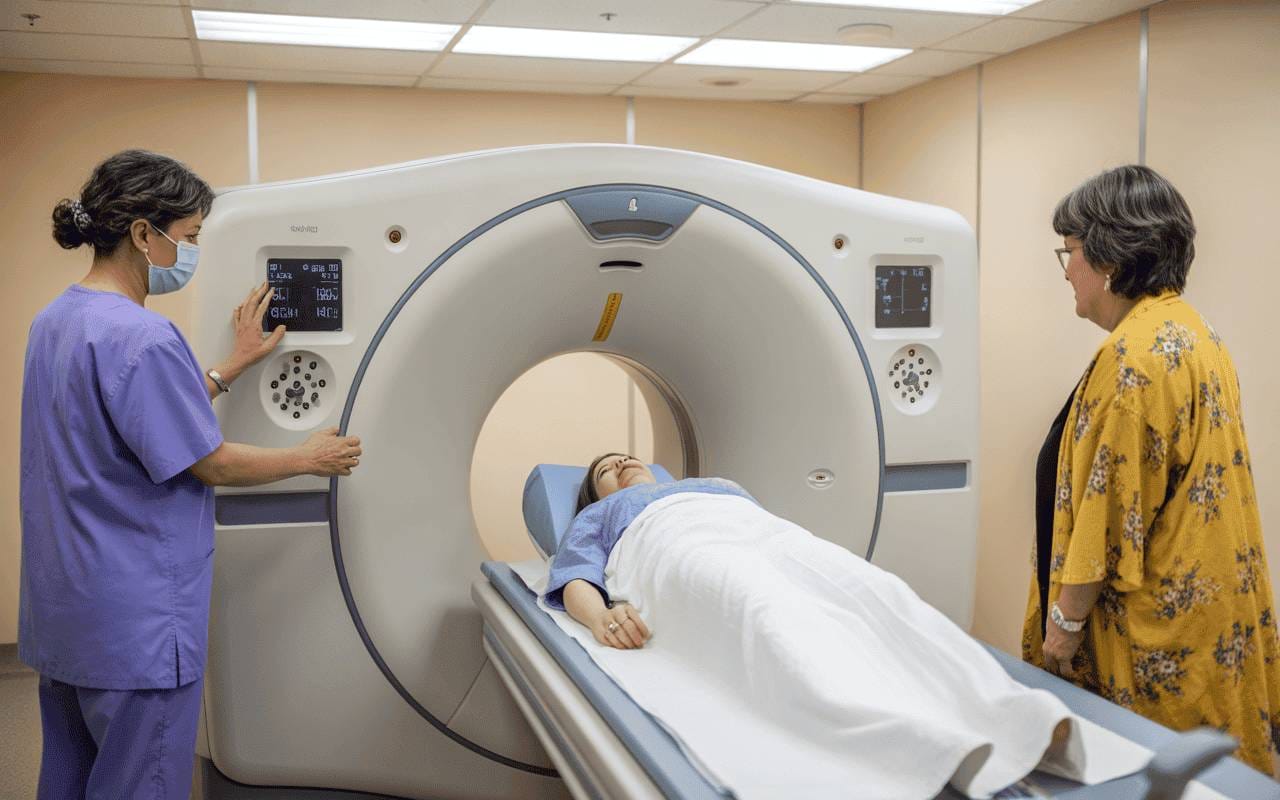
Computed Tomography (CT Scans) – CT imaging combines multiple X-ray images taken from different angles to create detailed cross-sectional views of bones, blood vessels, and soft tissues. Medicare covers medically necessary CT scans for diagnostic purposes, including CT angiography (CTA) and CT-guided procedures.
Magnetic Resonance Imaging (MRI) – MRI uses powerful magnetic fields and radio waves to produce detailed images of organs, soft tissues, muscles, ligaments, and the spinal cord. Medicare Part B covers MRI scans, including MR angiography (MRA) and MRI-guided procedures, when deemed medically necessary by your physician.
Ultrasound Imaging – Diagnostic ultrasound uses high-frequency sound waves to create real-time images of internal organs, blood vessels, and developing fetuses. Medicare covers diagnostic ultrasound procedures, including vascular Doppler imaging and ultrasound-guided procedures.
Nuclear Medicine and PET Scans – These advanced imaging techniques use small amounts of radioactive substances (radionuclides) to evaluate organ function and detect diseases. Medicare covers Positron Emission Tomography (PET) scans for certain conditions, particularly cancer detection and cardiovascular assessment.
Mammography – Medicare provides coverage for both screening mammography (preventive breast cancer screening) and diagnostic mammography (follow-up imaging for abnormalities). Screening mammography is covered annually for women age 40 and older without requiring a physician referral.
Fluoroscopy – This real-time X-ray imaging technique allows physicians to observe moving body structures. Medicare covers fluoroscopy procedures when medically necessary.
Bone Density Scans (DEXA) – Medicare covers bone density measurements every two years for beneficiaries at risk of osteoporosis, helping prevent bone fractures through early detection and treatment.
Dr. Edivina Gonzales, an Internal Medicine physician with PromiseCare Medical Group in Temecula, emphasizes the importance of appropriate diagnostic imaging: “Each imaging modality has specific diagnostic strengths. As your primary care physician, I work to ensure you receive the most appropriate imaging test for your condition while maximizing your Medicare coverage and minimizing unnecessary radiation exposure.”
Understanding Medicare Part B Coverage for Outpatient Diagnostic Imaging
The majority of diagnostic imaging services fall under Medicare Part B coverage when performed in outpatient settings. Understanding how Part B coverage works helps you anticipate costs and navigate the healthcare system more effectively.
Medical Necessity Requirements
For Medicare to cover diagnostic imaging services, the test must be:
Medically Necessary – A qualified healthcare provider must determine that the imaging service is required to diagnose, monitor, or treat a specific medical condition. Medicare does not cover imaging performed solely for screening purposes (except specific preventive services like mammography and lung cancer screening) or imaging ordered without clear medical justification.
Ordered by an Authorized Provider – The imaging must be ordered by a physician, nurse practitioner, clinical nurse specialist, or physician assistant who is enrolled in Medicare and authorized to order diagnostic tests.
Performed at an Accredited Facility – For certain advanced imaging services (CT, MRI, nuclear medicine, PET scans), Medicare only pays if the imaging is performed at a facility accredited by an approved accrediting organization. Facilities must meet quality and safety standards set by CMS.
Supervised by Qualified Professionals – Medicare covers imaging services performed or supervised by physicians certified or eligible for certification by the American Board of Radiology, or authorized by applicable state law and scope of practice regulations.
Dr. Ratan Tiwari, a board-certified Cardiologist with PromiseCare in Hemet, frequently orders cardiac imaging for his patients: “When I order a cardiac CT angiography or nuclear medicine stress test for a Medicare patient, I ensure the imaging center is Medicare-approved and that the test meets medical necessity criteria. This protects my patients from unexpected bills and ensures they receive quality diagnostic services.”
Appropriate Use Criteria (AUC) for Advanced Imaging
Under the Protecting Access to Medicare Act (PAMA), ordering providers must consult Appropriate Use Criteria when ordering certain advanced diagnostic imaging services for Medicare Part B beneficiaries. This program applies to:
- Computed Tomography (CT) scans
- Magnetic Resonance Imaging (MRI)
- Nuclear medicine imaging
- Positron Emission Tomography (PET) scans
Ordering physicians must use a qualified Clinical Decision Support Mechanism (CDSM) to determine whether the imaging order adheres to established clinical guidelines. The CDSM provides an appropriateness score indicating whether the ordered imaging is consistent with evidence-based medical practice.
“The Appropriate Use Criteria program ensures Medicare beneficiaries receive the most appropriate imaging tests for their specific clinical situation,” notes Dr. David Stanford, an Internal Medicine physician with PromiseCare. “It helps reduce unnecessary imaging while ensuring patients get the diagnostic information needed for optimal care.”
Medicare Part B Costs: Deductibles, Coinsurance, and Out-of-Pocket Expenses
Understanding your financial responsibility for diagnostic imaging services under Medicare Part B helps you plan for healthcare expenses and avoid surprise bills.
2025 Medicare Part B Cost Structure
Annual Part B Deductible – For 2025, the Medicare Part B deductible is $257. You must pay this amount for covered Part B services before Medicare begins paying its share. Once you meet the deductible, Medicare typically covers 80% of the Medicare-approved amount for covered services.
20% Coinsurance – After meeting your deductible, you pay 20% of the Medicare-approved amount for diagnostic imaging services, while Medicare covers the remaining 80%. The Medicare-approved amount is the fee Medicare has determined is reasonable for a specific service in your geographic area.
No Annual Out-of-Pocket Maximum – Unlike some insurance plans, Original Medicare (Parts A and B) does not have an annual out-of-pocket maximum, meaning your 20% coinsurance payments continue throughout the year for all covered services.
Facility-Specific Cost Considerations
Where you receive diagnostic imaging can significantly impact your out-of-pocket costs:
Hospital Outpatient Department – If you receive imaging services at a hospital outpatient facility, you’ll typically pay both the 20% coinsurance for the physician services AND a separate facility copayment to the hospital. This facility copayment may exceed 20% of the Medicare-approved amount but generally cannot exceed the Part A hospital deductible ($1,676 in 2025).
Independent Imaging Center – Diagnostic imaging performed at a freestanding imaging center or ambulatory surgical center often results in lower out-of-pocket costs compared to hospital outpatient departments because there’s no separate facility fee.
Physician’s Office – When imaging can be performed in your physician’s office, you typically pay only the 20% coinsurance on the Medicare-approved amount without additional facility fees.
Dr. Gordon Skeoch, a Family Practice physician with PromiseCare, advises patients to consider imaging facility options: “When I order an X-ray or ultrasound for a Medicare patient, I discuss where they can have the test performed. Often, an independent imaging center provides the same quality service at a lower out-of-pocket cost than a hospital outpatient department.”
Medicare Assignment and Your Costs
Your out-of-pocket costs also depend on whether your healthcare providers accept Medicare assignment:
Providers Who Accept Assignment – These providers agree to accept the Medicare-approved amount as full payment for services. You’re responsible only for your deductible and 20% coinsurance. Most imaging facilities and radiologists accept Medicare assignment.
Providers Who Don’t Accept Assignment – These providers can charge up to 15% above the Medicare-approved amount (known as the “limiting charge”). Your out-of-pocket costs will be higher when using non-participating providers.
PromiseCare Medical Group physicians work within an extensive network of Medicare-participating imaging facilities throughout the Inland Empire, ensuring patients have access to quality diagnostic services with predictable costs.
Medicare Part A Coverage for Inpatient Diagnostic Imaging
While most diagnostic imaging falls under Part B outpatient coverage, Medicare Part A (Hospital Insurance) covers imaging services you receive during an inpatient hospital stay.
Part A Inpatient Coverage
When you’re admitted to the hospital as an inpatient, all medically necessary diagnostic imaging services—including X-rays, CT scans, MRI, ultrasound, and nuclear medicine procedures—are included in the overall hospital charges covered by Part A. You won’t receive separate bills for individual imaging tests performed during your hospitalization.
Part A Cost Structure
Part A Deductible – For 2025, the Part A deductible is $1,676 per benefit period. A benefit period begins when you’re admitted to the hospital and ends when you’ve been out of the hospital or skilled nursing facility for 60 consecutive days.
Coverage Duration – After paying the Part A deductible, Medicare covers 100% of covered hospital services, including all diagnostic imaging, for the first 60 days of your hospital stay. Extended stays beyond 60 days involve additional coinsurance payments.
Emergency Room Imaging
Diagnostic imaging performed in the emergency room presents special coverage considerations:
If Admitted to Hospital – When emergency room imaging leads to hospital admission, the imaging is typically covered under Part A as part of your inpatient services.
If Treated and Released – When you’re treated and released from the emergency room without being admitted, the imaging falls under Part B outpatient coverage, and you’ll be responsible for the Part B deductible and 20% coinsurance.
Dr. John Schoonmaker, who practices Family Medicine and Geriatric Medicine with PromiseCare in Menifee, explains: “Emergency situations require immediate diagnostic imaging. Whether you’re ultimately admitted or treated and released, Medicare provides coverage, though your cost-sharing responsibility differs based on admission status.”
Medicare Advantage (Part C) Coverage for Diagnostic Imaging
Medicare Advantage plans, offered by private insurance companies approved by Medicare, must provide at least the same coverage for diagnostic imaging as Original Medicare Parts A and B. However, these plans often have different cost structures and additional requirements.
Medicare Advantage Plan Features
Network Requirements – Most Medicare Advantage plans use provider networks. To minimize out-of-pocket costs, you typically need to use in-network imaging facilities. Some plans cover out-of-network services in emergencies or at higher cost-sharing levels.
Fixed Copayments Instead of Coinsurance – Rather than paying 20% coinsurance, Medicare Advantage plans often charge fixed copayments for imaging services (for example, $50 for an X-ray, $200 for a CT scan). These copayments vary by plan.
Prior Authorization Requirements – Many Medicare Advantage plans require prior authorization before certain imaging services, particularly advanced imaging like MRI, CT, and PET scans. Your physician must obtain approval from the plan before scheduling the imaging to ensure coverage.
Annual Out-of-Pocket Maximum – Unlike Original Medicare, Medicare Advantage plans include an annual out-of-pocket maximum. Once you reach this limit through deductibles, copayments, and coinsurance, the plan covers 100% of covered services for the remainder of the year.
Additional Benefits – Some Medicare Advantage plans offer benefits beyond Original Medicare, which might include coverage for services like routine vision or dental X-rays not covered by Original Medicare.
PromiseCare Medical Group works with numerous Medicare Advantage plans throughout the Inland Empire. “We understand the specific requirements of different Medicare Advantage plans our patients have,” says Dr. Anita Jackson, who practices Family Medicine and Women’s Health in Lake Elsinore. “We help patients navigate prior authorization processes and ensure they use in-network facilities when possible to maximize their benefits.”
Specialized Diagnostic Imaging Services and Medicare Coverage
Certain diagnostic imaging services have specific coverage rules and limitations under Medicare.
Mammography: Screening vs. Diagnostic
Medicare distinguishes between screening and diagnostic mammography with different coverage rules:
Screening Mammography – Medicare Part B covers annual screening mammography for women age 40 and older to detect breast cancer early. Screening mammography requires no physician referral, has no Part B deductible, and includes no coinsurance—meaning it’s provided at no cost when performed at an FDA-certified mammography facility.
Diagnostic Mammography – When a screening mammogram reveals an abnormality, or when a patient has breast symptoms requiring evaluation, diagnostic mammography may be ordered. Diagnostic mammography is subject to the Part B deductible and 20% coinsurance. However, when performed on the same day as a screening mammogram that revealed the abnormality, both services may be billed.
All mammography facilities must be certified by the Food and Drug Administration (FDA) under the Mammography Quality Standards Act. Medicare only reimburses FDA-certified mammography centers.
Lung Cancer Screening with Low-Dose CT
Medicare Part B covers annual lung cancer screening using low-dose computed tomography for beneficiaries who meet specific criteria:
- Age 50-77 years
- Current smoker or quit within the past 15 years
- Tobacco smoking history of at least 20 pack-years (one pack daily for 20 years)
- No signs or symptoms of lung cancer
- Receive counseling and a written order from a physician or qualified non-physician practitioner
When all criteria are met and the screening is performed at an approved facility, Medicare covers the low-dose CT scan with no deductible or coinsurance.
Dr. Hemchand Kolli, who practices Internal Medicine with PromiseCare, emphasizes the importance of appropriate screening: “For eligible patients with significant smoking history, annual low-dose CT screening for lung cancer can detect disease at earlier, more treatable stages. Medicare’s coverage of this preventive service helps save lives.”
Cardiac Imaging
Medicare covers various cardiac imaging procedures when medically necessary:
Cardiac CT and CT Angiography – Used to evaluate coronary arteries, heart structure, and cardiovascular disease.
Cardiac MRI and MR Angiography – Provides detailed imaging of heart muscle, blood flow, and cardiac function.
Nuclear Medicine Stress Testing – Combines exercise or pharmacologic stress with nuclear imaging to assess blood flow to the heart muscle.
Echocardiography (Cardiac Ultrasound) – Evaluates heart structure, function, and blood flow using sound waves.
Coverage for cardiac imaging depends on medical necessity, with specific Local Coverage Determinations and National Coverage Determinations establishing when these services are appropriate for various cardiac conditions.
Bone Density Testing
Medicare Part B covers bone density measurements (DEXA scans) for beneficiaries at risk of osteoporosis:
Frequency – Once every 24 months (or more frequently if medically necessary)
Covered Populations – Women age 65 and older, individuals with conditions associated with bone loss, people taking medications that cause bone loss, and those with vertebral abnormalities
Cost – After meeting the Part B deductible, beneficiaries pay 20% coinsurance for bone density testing
Early detection of low bone density allows for interventions to prevent bone fractures and maintain mobility as you age.
Portable X-ray Services
Medicare covers portable X-ray services when medically necessary for homebound beneficiaries or skilled nursing facility residents. The portable X-ray supplier must comply with federal, state, and local health and safety regulations and be enrolled in Medicare.
What Diagnostic Imaging Services Medicare Does NOT Cover
Understanding Medicare’s coverage limitations helps you avoid unexpected expenses and plan for out-of-pocket costs.
Services Not Covered by Medicare
X-rays Ordered Solely by Chiropractors – While Medicare Part B covers chiropractic treatment for subluxation of the spine, it generally does not cover X-rays ordered solely by chiropractors for diagnostic purposes. If your chiropractor recommends X-rays, you may need a referral to a medical doctor who can order covered imaging.
Dental X-rays – Original Medicare typically does not cover dental X-rays or other dental services except in rare cases where they’re necessary for covered medical treatments, such as jaw surgery or oral cancer treatment requiring radiation therapy.
Routine Screening Beyond Specified Services – Medicare doesn’t cover diagnostic imaging performed solely for screening purposes unless it’s a specifically covered preventive service (like screening mammography or lung cancer screening meeting criteria).
Services Performed at Non-Accredited Facilities – For advanced imaging services requiring accreditation, Medicare won’t pay if the facility isn’t properly accredited. The facility cannot bill you for these non-covered services.
Services Ordered Too Frequently – Medicare may deny coverage for imaging performed more frequently than medical necessity guidelines support. Your physician should document the medical reason for repeat imaging within short timeframes.
Dr. Bridget Briggs, a Family Practice physician with PromiseCare in Wildomar, advises: “Before having diagnostic imaging, confirm that the service is covered by Medicare, that the facility accepts Medicare patients, and that the frequency is appropriate based on your medical condition. This avoids unexpected bills for non-covered services.”
Reducing Out-of-Pocket Costs for Diagnostic Imaging
Several strategies can help Medicare beneficiaries minimize expenses for diagnostic imaging services.
Medicare Supplement Insurance (Medigap)
Medigap policies, sold by private insurance companies, help cover Original Medicare’s out-of-pocket costs:
Coverage of Part B Coinsurance – Most Medigap plans cover the 20% coinsurance for Part B services, including diagnostic imaging, significantly reducing your costs after meeting the Part B deductible.
Coverage of Part B Deductible – Some Medigap plans (Plans C, F, and G for those eligible to purchase them) cover the Part B deductible, though Plan G requires you to pay the deductible before the plan coverage begins.
No Network Restrictions – Medigap plans work with any provider who accepts Medicare, giving you flexibility in choosing imaging facilities.
Monthly Premiums – Medigap policies require monthly premium payments in addition to your Part B premium, but the predictable costs and comprehensive coverage often provide valuable financial protection.
Choosing Cost-Effective Imaging Facilities
The facility where you receive diagnostic imaging significantly impacts your out-of-pocket expenses:
Compare Facility Costs – Medicare’s Procedure Price Lookup tool (available at Medicare.gov) allows you to compare average costs for specific imaging procedures at different facility types in your area.
Consider Independent Imaging Centers – Freestanding imaging centers often charge lower Medicare-approved amounts than hospital outpatient departments, resulting in lower 20% coinsurance payments.
Ask About Facility Fees – Hospital outpatient departments charge facility fees in addition to professional fees, increasing your total cost. Independent centers typically don’t charge separate facility fees.
Ensuring Medical Necessity
Work with your physician to ensure diagnostic imaging is medically necessary and appropriately timed:
Discuss Clinical Justification – Understanding why imaging is recommended helps ensure it meets medical necessity criteria for Medicare coverage.
Consider Alternative Diagnostic Approaches – In some cases, less expensive diagnostic tests may provide adequate information before proceeding to advanced imaging.
Optimize Imaging Frequency – Follow evidence-based guidelines for repeat imaging intervals to avoid denied claims for services ordered too frequently.
PromiseCare Medical Group physicians prioritize high-value care that maximizes diagnostic benefit while minimizing unnecessary costs. “We order diagnostic imaging when it will meaningfully impact patient care and treatment decisions,” explains Dr. Jorge Martinez, an Internal Medicine specialist with PromiseCare. “This approach ensures Medicare beneficiaries receive necessary services while avoiding waste and unnecessary out-of-pocket expenses.”
The Diagnostic Imaging Process: What Medicare Beneficiaries Should Know
Understanding the diagnostic imaging process helps Medicare patients navigate the system effectively and avoid coverage issues.
Step 1: Physician Assessment and Imaging Order
Your primary care physician or specialist evaluates your symptoms, performs a physical examination, and determines whether diagnostic imaging is medically necessary. The physician documents the clinical indication for imaging in your medical record.
For advanced imaging services subject to Appropriate Use Criteria requirements, the ordering physician consults a Clinical Decision Support Mechanism to verify that the imaging order adheres to evidence-based guidelines.
Step 2: Facility Selection and Scheduling
Working with your physician’s office or directly with the imaging facility, you schedule your appointment. Consider these factors:
Medicare Participation – Confirm the facility accepts Medicare assignment to avoid unexpected charges above the Medicare-approved amount.
Accreditation Status – For advanced imaging, verify the facility meets Medicare’s accreditation requirements.
Cost Transparency – Ask about your expected out-of-pocket costs based on the Medicare-approved amount and your deductible status.
Step 3: Pre-Imaging Preparation
Depending on the imaging type, you may need to:
- Fast before the procedure (for some abdominal imaging)
- Avoid certain medications
- Remove jewelry and metal objects
- Change into a hospital gown
- Complete safety screening questionnaires (particularly for MRI)
The imaging facility will provide specific instructions when you schedule your appointment.
Step 4: The Imaging Procedure
Imaging procedures vary by modality:
X-rays – Typically take just a few minutes. You’ll be positioned by a radiologic technologist, and images are captured while you remain still.
CT Scans – Usually take 10-30 minutes. You’ll lie on a table that slides through a donut-shaped scanner. Some CT scans require intravenous contrast material to enhance image detail.
MRI Scans – Take 30-60 minutes or longer. You’ll lie in a tube-shaped scanner that uses strong magnetic fields and radio waves. The machine makes loud noises, and you must remain very still. Some MRI scans use gadolinium-based contrast agents.
Ultrasound – Takes 15-45 minutes. A technologist applies gel to your skin and moves a transducer across the area being examined.
Step 5: Image Interpretation and Results
A radiologist—a physician specialized in interpreting medical images—reviews your imaging studies and prepares a detailed report. This professional component of the service includes:
- Analyzing the images for abnormalities
- Comparing current images to previous studies when available
- Documenting findings in a structured report
- Communicating urgent or critical findings directly to your ordering physician
Your primary care physician or specialist receives the radiology report and discusses the results with you, explaining what the findings mean for your diagnosis and treatment plan.
Step 6: Follow-Up Care
Based on imaging results, your physician may:
- Confirm a diagnosis and begin treatment
- Order additional tests for further evaluation
- Schedule follow-up imaging to monitor changes over time
- Refer you to specialists for specific conditions
- Provide reassurance if imaging is normal
Dr. Sylvia Gisi, a Family Practice physician with PromiseCare in Temecula, emphasizes the importance of follow-through: “Getting the imaging is just one step. Patients must follow up to discuss results and next steps, ensuring the diagnostic information translates into appropriate care.”

Understanding Professional and Technical Components of Imaging Services
Medicare billing for diagnostic imaging includes two components, each with specific coverage rules.
Professional Component (PC)
The professional component represents the physician’s work interpreting the images and preparing the diagnostic report. This includes:
- Reviewing and analyzing the diagnostic images
- Comparing current studies to prior imaging
- Identifying and describing abnormalities
- Formulating diagnostic impressions
- Communicating findings to ordering physicians
The radiologist’s interpretation fee represents the professional component, billed with CPT code modifier 26.
Technical Component (TC)
The technical component includes:
- Operating the imaging equipment
- Employing radiologic technologists and support staff
- Maintaining and calibrating imaging systems
- Providing medical supplies and contrast materials
- Managing facility overhead costs
The imaging facility bills for the technical component, using the CPT code with modifier TC.
Global Billing
Some imaging services are billed globally, combining both professional and technical components in a single charge. This commonly occurs when the same entity (such as a physician practice with imaging equipment) provides both components of the service.
Anti-Markup Payment Limitation
Medicare’s anti-markup rule limits what ordering physicians can charge when they purchase imaging services from other providers who don’t share their practice. The ordering physician may not mark up the charge beyond the acquisition cost, protecting Medicare beneficiaries from excessive billing.
Radiation Safety Considerations in Diagnostic Imaging
While diagnostic imaging provides invaluable medical information, some modalities use ionizing radiation. Understanding radiation exposure helps you make informed decisions about imaging studies.
Imaging Modalities Using Radiation
X-rays – Use low doses of ionizing radiation. A chest X-ray exposes you to approximately the same amount of radiation you’d receive from natural background sources over 10 days.
CT Scans – Use higher radiation doses than standard X-rays because they capture multiple images from different angles. A chest CT delivers radiation equivalent to about 2-3 years of natural background radiation.
Fluoroscopy – Involves continuous X-ray imaging, resulting in higher radiation exposure than static X-rays. The radiation dose depends on the procedure length and complexity.
Nuclear Medicine and PET Scans – Use radioactive tracers that emit gamma rays. The radiation exposure is comparable to CT scans but delivers radiation from inside the body as the tracer circulates.
Imaging Modalities Without Radiation
MRI – Uses magnetic fields and radio waves—no ionizing radiation. MRI is preferred for certain types of imaging, particularly soft tissue evaluation, when radiation exposure should be minimized.
Ultrasound – Uses high-frequency sound waves—no ionizing radiation. Ultrasound is particularly valuable for evaluating blood vessels, abdominal organs, and during pregnancy.
Balancing Benefits and Risks
The radiation from medically necessary diagnostic imaging carries very low risk compared to the benefit of accurate diagnosis. However, principles of radiation protection include:
Justification – Imaging should only be performed when medically necessary and likely to affect clinical management.
Optimization – Using the lowest radiation dose necessary to obtain diagnostic-quality images (ALARA principle: As Low As Reasonably Achievable).
Alternative Modalities – Choosing non-radiation imaging (ultrasound, MRI) when it provides adequate diagnostic information.
Your physician at PromiseCare Medical Group considers radiation exposure when ordering imaging studies, especially for patients requiring repeated imaging or multiple studies. Dr. Iglal El-Henawi, who practices General Medicine with PromiseCare in Hemet, notes: “We carefully weigh the diagnostic benefit against radiation exposure, particularly for younger patients and those requiring multiple imaging studies over time.”
Medicare Coverage for Advanced Cardiac Imaging
Cardiovascular disease remains a leading cause of morbidity and mortality among Medicare beneficiaries, making cardiac imaging particularly important for this population.
Types of Cardiac Imaging Covered by Medicare
Echocardiography (Cardiac Ultrasound) – Evaluates heart structure, valve function, and pumping capacity. Medicare covers transthoracic echocardiography, stress echocardiography, and transesophageal echocardiography when medically necessary.
Cardiac CT and CT Angiography – Provides detailed images of coronary arteries and cardiac structures. Medicare coverage depends on clinical indications, with specific guidelines for coronary calcium scoring and CT angiography.
Cardiac MRI – Offers superior soft tissue contrast for evaluating heart muscle, detecting cardiac masses, and assessing complex congenital heart disease. Medicare covers cardiac MRI when medical necessity is established.
Nuclear Cardiology – Includes myocardial perfusion imaging (stress tests with nuclear tracers) to assess blood flow to heart muscle and identify areas of ischemia or infarction. Medicare covers nuclear stress tests for diagnosing and managing coronary artery disease.
Cardiac Catheterization and Angiography – While more invasive, cardiac catheterization provides the gold standard for evaluating coronary artery disease. Medicare covers diagnostic cardiac catheterization when non-invasive testing suggests significant coronary disease or when symptoms indicate high-risk conditions.
Clinical Scenarios for Cardiac Imaging
Medicare typically covers cardiac imaging for:
- Evaluation of chest pain or angina symptoms
- Assessment after acute myocardial infarction
- Evaluation of heart failure
- Pre-operative assessment for non-cardiac surgery in high-risk patients
- Monitoring of known cardiac conditions
- Evaluation of valvular heart disease
- Assessment of arrhythmias and palpitations
Dr. Tiwari, the Cardiologist at PromiseCare, explains: “Medicare’s coverage of comprehensive cardiac imaging allows us to accurately diagnose cardiovascular conditions, risk-stratify patients, and guide treatment decisions. From stress echocardiography to cardiac CT angiography, these tools are essential for managing heart disease in our aging population.”
Medicare Coverage for Neurological Imaging
Diagnostic imaging plays a crucial role in evaluating neurological symptoms and conditions affecting Medicare beneficiaries.
Brain and Spinal Imaging
Brain MRI and MRA – Provides detailed images of brain tissue, blood vessels, and cranial nerves. Medicare covers brain imaging for evaluating:
- Stroke and transient ischemic attacks
- Headaches with concerning features
- Cognitive decline and memory problems
- Suspected brain tumors or masses
- Multiple sclerosis and demyelinating diseases
- Movement disorders
- Seizures
Brain CT Scan – Offers rapid imaging for emergency situations, including acute stroke evaluation, head trauma, and sudden severe headaches suggesting hemorrhage. Medicare covers emergency brain CT scans when clinically indicated.
Spinal MRI – Essential for evaluating back pain with neurological symptoms, spinal cord compression, disc herniation, and spinal stenosis. Medicare covers spinal MRI when conservative management fails or when neurological deficits are present.
CT Angiography of Brain and Neck – Evaluates blood vessels supplying the brain to detect aneurysms, stenosis, and vascular malformations. Medicare covers CTA for appropriate clinical indications.
Coverage Considerations
Medicare coverage for neurological imaging depends on:
- Clinical symptoms and examination findings
- Duration and severity of symptoms
- Presence of neurological deficits
- Failure of conservative treatment
- Risk factors for serious neurological conditions
PromiseCare physicians work with neurologists and neurosurgeons throughout the Inland Empire to coordinate appropriate neurological imaging for Medicare patients. Dr. Kaleem Uddin, a neurologist associated with PromiseCare, collaborates with primary care physicians to ensure timely, appropriate neuroimaging when patients present with concerning symptoms.
Medicare Coverage for Musculoskeletal Imaging
Medicare beneficiaries frequently require imaging for musculoskeletal conditions, from traumatic injuries to degenerative joint disease.
Common Musculoskeletal Imaging Studies
Plain X-rays (Radiographs) – The first-line imaging for most musculoskeletal complaints, X-rays effectively evaluate:
- Bone fractures and dislocations
- Arthritis and joint degeneration
- Bone alignment and positioning
- Surgical hardware placement
- Bone density and quality
CT Scans for Musculoskeletal Conditions – Provides detailed bone imaging for:
- Complex fractures requiring surgical planning
- Evaluation of bone healing
- Detection of subtle fractures not visible on X-rays
- Assessment of spine anatomy
- Evaluation of tumors involving bone
MRI for Soft Tissue and Joint Evaluation – Superior for evaluating:
- Rotator cuff tears and shoulder pathology
- Knee meniscus and ligament injuries
- Spinal disc herniation and nerve compression
- Muscle tears and tendon injuries
- Joint inflammation and infection
- Bone marrow abnormalities
Ultrasound for Musculoskeletal Conditions – Increasingly used for:
- Evaluation of superficial soft tissue masses
- Assessment of tendons and ligaments
- Guided joint injections
- Evaluation of muscle tears
Medicare Coverage Guidelines
Medicare covers musculoskeletal imaging when:
- Symptoms persist despite conservative treatment
- Traumatic injury requires evaluation
- Surgical planning necessitates detailed anatomy
- Infection or tumor is suspected
- Neurological symptoms accompany musculoskeletal complaints
“Many older adults experience musculoskeletal issues, from osteoarthritis to rotator cuff tears,” observes Dr. Schoonmaker. “Appropriate imaging helps us differentiate conditions requiring surgical intervention from those manageable with conservative treatment, physical therapy, and medication.”
Medicare Coverage for Abdominal and Pelvic Imaging
Diagnostic imaging of the abdomen and pelvis helps evaluate gastrointestinal, genitourinary, and gynecologic conditions common among Medicare beneficiaries.
Abdominal Imaging Modalities
Abdominal X-rays – While less commonly ordered than cross-sectional imaging, plain abdominal radiographs help evaluate:
- Bowel obstruction
- Free air suggesting perforation
- Constipation patterns
- Kidney stones (some types visible on X-ray)
- Foreign body ingestion
Abdominal and Pelvic CT Scans – The workhorse of abdominal imaging, CT scans evaluate:
- Acute abdominal pain
- Appendicitis and diverticulitis
- Kidney stones
- Abdominal aortic aneurysms
- Suspected cancer
- Infection or abscess
- Bowel obstruction causes
Abdominal and Pelvic Ultrasound – Non-invasive imaging for:
- Gallbladder disease and gallstones
- Kidney disease and renal masses
- Liver abnormalities
- Abdominal aortic aneurysm screening
- Pelvic masses in women
- Bladder evaluation
Abdominal and Pelvic MRI – Advanced imaging for:
- Liver tumor characterization
- Pancreatic disease evaluation
- Complex pelvic masses
- Detailed evaluation of inflammatory bowel disease
- Soft tissue tumor assessment
Medicare Coverage for Specific Conditions
Abdominal Aortic Aneurysm Screening – Medicare covers one-time ultrasound screening for abdominal aortic aneurysm in men aged 65-75 with a smoking history.
Colonography (Virtual Colonoscopy) – While Medicare covers CT colonography for diagnostic purposes, it does not currently cover CT colonography for colorectal cancer screening in average-risk individuals.
Evaluation of Gastrointestinal Symptoms – Medicare covers abdominal imaging for appropriate clinical indications including abdominal pain, gastrointestinal bleeding, unexplained weight loss, and suspected malignancy.
Dr. Martinez, who sees many patients with abdominal complaints, explains: “Medicare’s coverage of comprehensive abdominal imaging allows rapid evaluation of potentially serious conditions like appendicitis, diverticulitis, and bowel obstruction, while also facilitating early cancer detection when imaging reveals unexpected abnormalities.”
The Role of PromiseCare Medical Group in Coordinating Diagnostic Imaging
As the Inland Empire’s largest Independent Physician Association, PromiseCare Medical Group plays a crucial role in coordinating diagnostic imaging services for Medicare beneficiaries throughout Riverside and San Bernardino counties.
Comprehensive Primary Care Coordination
PromiseCare’s network of over 60 primary care physicians serves as the medical home for thousands of Medicare patients, providing:
Centralized Care Management – Your PromiseCare primary care physician coordinates all aspects of your healthcare, including diagnostic imaging. When imaging is needed, your physician:
- Evaluates your symptoms and determines medical necessity
- Orders appropriate imaging studies
- Refers you to Medicare-approved imaging facilities
- Reviews imaging results with you
- Develops treatment plans based on findings
- Coordinates with specialists when needed
Access to Specialized Expertise – Through PromiseCare’s network of 400+ specialists, including radiologists, cardiologists, orthopedic surgeons, gastroenterologists, and neurologists, you have seamless access to specialized care when imaging reveals conditions requiring expert management.
Quality and Safety Focus – PromiseCare physicians prioritize high-value imaging that provides diagnostic information likely to change clinical management, while avoiding unnecessary tests and radiation exposure.
Understanding Medicare Requirements
PromiseCare physicians maintain current knowledge of Medicare coverage policies, ensuring:
- Imaging orders meet medical necessity criteria
- Documentation supports the need for diagnostic services
- Appropriate Use Criteria are consulted for advanced imaging
- Patients are referred to accredited, Medicare-participating facilities
- Frequency of repeat imaging aligns with Medicare coverage guidelines
Patient Education and Support
The PromiseCare team helps Medicare patients understand:
- Which imaging tests Medicare covers
- Expected out-of-pocket costs
- How to maximize Medicare benefits
- When Medigap or Medicare Advantage might reduce costs
- What to expect during imaging procedures
- How to access and understand imaging results
“Our goal is to make diagnostic imaging accessible and affordable for Medicare patients while ensuring they receive appropriate, high-quality testing,” states Dr. Curley. “By working within PromiseCare’s comprehensive network, patients benefit from coordinated care that considers both their clinical needs and their insurance coverage.”
Common Questions Medicare Beneficiaries Ask About Diagnostic Imaging Coverage
How do I know if my imaging will be covered by Medicare?
Medicare Part B covers diagnostic imaging when it’s medically necessary and ordered by a qualified healthcare provider to diagnose, monitor, or treat a medical condition. Your physician determines medical necessity based on your symptoms, physical examination, and medical history. For coverage, ensure:
- Your doctor orders the imaging
- The facility accepts Medicare
- The imaging is performed at an accredited facility (for advanced imaging)
- The test meets medical necessity criteria
What is the difference between diagnostic and screening imaging?
Diagnostic imaging is performed to evaluate specific symptoms, injuries, or medical conditions. Medicare Part B covers diagnostic imaging with the standard deductible and coinsurance. Screening imaging aims to detect disease before symptoms appear. Medicare covers specific screening services like mammography and lung cancer screening under preventive care benefits, often with no cost-sharing for eligible beneficiaries.
Can I choose where I have my imaging done?
Yes, you typically have a choice of where to receive diagnostic imaging services, as long as the facility accepts Medicare and meets accreditation requirements. Discuss options with your physician, considering:
- Facility quality and reputation
- Convenience and location
- Out-of-pocket costs
- Whether the facility accepts Medicare assignment
With Medicare Advantage plans, using in-network facilities usually results in lower costs.
What if Medicare denies coverage for my imaging?
If Medicare denies a claim for diagnostic imaging, you have the right to appeal. The denial notice will explain the reason (such as lack of medical necessity or too-frequent testing) and provide appeal instructions. Your physician can provide additional documentation supporting the medical necessity of the imaging. In some cases, Medicare may reconsider the decision upon appeal.
Do I need a referral for diagnostic imaging?
For Original Medicare, you don’t need a referral—only a physician’s order for medically necessary imaging. However, Medicare Advantage plans may require referrals from your primary care physician before you can see specialists or obtain certain imaging services. Check your specific plan requirements.
How much will my imaging cost?
Your out-of-pocket cost depends on several factors:
- Whether you’ve met your Part B deductible ($257 in 2025)
- The Medicare-approved amount for the specific imaging service
- The facility type (independent imaging center vs. hospital outpatient department)
- Whether the provider accepts Medicare assignment
- If you have Medigap or Medicare Advantage coverage
Generally, expect to pay 20% of the Medicare-approved amount after meeting your deductible, plus any facility fees for hospital outpatient services. Use Medicare’s Procedure Price Lookup tool to estimate costs at facilities in your area.
Are all imaging facilities covered by Medicare?
No. For advanced imaging services (CT, MRI, PET, nuclear medicine), Medicare only covers imaging performed at accredited facilities. Accreditation comes from organizations like The Joint Commission, the American College of Radiology, or the Intersocietal Accreditation Commission. Additionally, mammography facilities must be FDA-certified. Always verify facility accreditation and Medicare participation before scheduling imaging.
Can my chiropractor order X-rays covered by Medicare?
Generally, no. Medicare Part B does not cover X-rays ordered solely by chiropractors. While Medicare covers certain chiropractic services (manual manipulation of the spine for subluxation), it doesn’t extend to diagnostic imaging ordered by chiropractors. If your chiropractor recommends X-rays, you’ll need a referral to a medical doctor who can order Medicare-covered imaging.
What happens if I need contrast material for my imaging?
Some imaging studies require contrast material (dye) to enhance visualization of blood vessels, organs, or tissues. Medicare covers medically necessary contrast materials as part of the imaging service. However, if you have kidney disease or allergies, inform the imaging facility, as contrast materials carry risks for certain patients. Your physician will evaluate whether contrast-enhanced imaging is appropriate for your situation.
Will Medicare cover repeat imaging if my condition hasn’t improved?
Medicare may cover repeat imaging when medically necessary to:
- Evaluate progression or resolution of a condition
- Monitor response to treatment
- Investigate new or worsening symptoms
- Guide surgical or interventional procedures
However, imaging ordered too frequently may face coverage denial. Your physician documents the medical necessity for repeat imaging to support Medicare coverage. Generally, adequate time should pass between imaging studies to allow for treatment effects unless rapid disease progression is suspected.
Conclusion: Maximizing Your Medicare Benefits for Diagnostic Imaging
Understanding Medicare coverage for X-rays and diagnostic imaging empowers you to make informed healthcare decisions, anticipate out-of-pocket costs, and access the diagnostic services you need when medical conditions arise.
Key Takeaways
Medicare Part B provides comprehensive coverage for medically necessary diagnostic imaging services, including X-rays, CT scans, MRI, ultrasound, PET scans, and specialized imaging studies when ordered by qualified healthcare providers.
Your out-of-pocket costs typically include the annual Part B deductible ($257 in 2025) followed by 20% coinsurance on the Medicare-approved amount, though costs vary based on facility type and whether providers accept Medicare assignment.
Medical necessity is essential for Medicare coverage. Your physician must document that imaging is required to diagnose, monitor, or treat a specific medical condition, not merely for general screening purposes outside of specifically covered preventive services.
Facility accreditation matters for advanced imaging. Medicare only covers CT, MRI, PET, and nuclear medicine imaging performed at accredited facilities that meet quality and safety standards.
Medicare Advantage plans offer an alternative to Original Medicare with different cost structures, network requirements, and potential prior authorization needs for imaging services.
Medigap plans can significantly reduce out-of-pocket costs for diagnostic imaging by covering the 20% coinsurance and, in some plans, the Part B deductible.
Partner with PromiseCare Medical Group for Your Diagnostic Imaging Needs
As a Medicare beneficiary in the Inland Empire, partnering with PromiseCare Medical Group ensures you receive coordinated, high-quality care that includes appropriate diagnostic imaging when needed. Our experienced primary care physicians and extensive specialist network work together to:
- Order medically necessary imaging that meets Medicare coverage criteria
- Refer you to accredited, Medicare-participating imaging facilities
- Help you understand your coverage and out-of-pocket costs
- Interpret imaging results and develop comprehensive treatment plans
- Coordinate follow-up care and specialist consultations when indicated
From Dr. Curley’s family medicine practice in Hemet to Dr. Gonzales’ internal medicine clinic in Temecula, PromiseCare physicians throughout Riverside and San Bernardino counties are committed to providing Medicare patients with accessible, affordable diagnostic services that support optimal health outcomes.
Take Action for Your Health
If you’re experiencing symptoms that may require diagnostic imaging, or if you have questions about Medicare coverage for imaging services, contact your PromiseCare Medical Group physician. Our team is here to guide you through the diagnostic process, ensure appropriate testing, and provide the coordinated care you deserve as a Medicare beneficiary.
Don’t let confusion about coverage prevent you from obtaining necessary diagnostic services. With proper understanding of Medicare benefits and a trusted healthcare partner like PromiseCare Medical Group, you can access the diagnostic imaging you need to maintain your health and wellbeing.
Frequently Asked Questions About Medicare Coverage for X-rays and Diagnostic Imaging
Q: Does Medicare Part B cover all types of X-rays?
A: Medicare Part B covers medically necessary diagnostic X-rays when ordered by a qualified healthcare provider. This includes standard X-rays of bones, joints, chest, abdomen, and other body structures. However, Medicare does not cover X-rays ordered solely by chiropractors or dental X-rays (except in rare circumstances related to covered medical procedures like jaw surgery). The X-ray must be performed at a facility that accepts Medicare and meets applicable quality standards.
Q: What is the difference between Medicare Part A and Part B coverage for diagnostic imaging?
A: Medicare Part A covers diagnostic imaging you receive during an inpatient hospital stay as part of your overall hospital care. These imaging costs are included in the hospital charges, and you pay the Part A deductible ($1,676 in 2025) per benefit period. Medicare Part B covers diagnostic imaging in outpatient settings—at your doctor’s office, imaging centers, or hospital outpatient departments. With Part B, you pay the annual deductible ($257 in 2025) plus 20% coinsurance on the Medicare-approved amount for imaging services.
Q: How much does a CT scan cost with Medicare?
A: The cost of a CT scan with Medicare Part B varies based on the specific type of scan, the body area being imaged, and where you have the scan performed. After meeting your Part B deductible, you typically pay 20% of the Medicare-approved amount. For example, if the Medicare-approved amount for a CT scan is $500, you would pay $100 (20%). If you receive the scan at a hospital outpatient department, you may also pay a facility copayment. Using Medicare’s Procedure Price Lookup tool at Medicare.gov, you can estimate costs at facilities in your area. Medigap plans can help cover these out-of-pocket costs.
Q: Does Medicare cover MRI scans?
A: Yes, Medicare Part B covers medically necessary MRI scans when ordered by a qualified healthcare provider. MRI coverage includes standard MRI, MR angiography (MRA), and MRI-guided procedures. The imaging must be performed at an accredited facility that accepts Medicare. After meeting your Part B deductible, you pay 20% of the Medicare-approved amount. For Medicare Advantage plans, MRI coverage follows the same medical necessity requirements, though prior authorization may be needed and costs may differ based on your specific plan.
Q: Are there any diagnostic imaging services that don’t require me to pay the Part B deductible?
A: Yes, screening mammography is covered by Medicare Part B with no deductible and no coinsurance for women age 40 and older when performed at an FDA-certified mammography facility. Additionally, lung cancer screening with low-dose CT for eligible beneficiaries (age 50-77 with significant smoking history) is covered with no cost-sharing as a preventive service. Other preventive screenings that may include imaging components, such as bone density testing for at-risk individuals, are subject to the Part B deductible and coinsurance unless specifically designated as fully covered preventive services.
Q: What should I do if I can’t afford the out-of-pocket costs for necessary diagnostic imaging?
A: If you’re concerned about the costs of diagnostic imaging, discuss your situation with your physician. Options may include:
- Enrolling in a Medigap plan to cover your Part B coinsurance and potentially your deductible
- Checking eligibility for Medicare Savings Programs that help pay Medicare premiums, deductibles, and coinsurance
- Exploring whether switching to a Medicare Advantage plan with lower copayments would reduce your costs
- Asking your physician whether a less expensive imaging modality would provide adequate diagnostic information
- Choosing an independent imaging center rather than a hospital outpatient department to reduce facility fees
- Discussing payment plans with the imaging facility
Don’t delay medically necessary imaging due to cost concerns—speak with your healthcare team and explore available financial assistance options.
Q: Can I get a copy of my imaging studies?
A: Yes, under HIPAA regulations, you have the right to access your medical imaging studies. You can request copies of your X-rays, CT scans, MRI, and other imaging from the facility where the studies were performed. Facilities may provide images on CD/DVD or through secure online portals. Some facilities charge reasonable fees for copying imaging studies. Having copies of your imaging is valuable when seeing new physicians, seeking second opinions, or if you move to a different area, as it avoids unnecessary repeat imaging.
Q: Do I need prior authorization from Medicare before getting diagnostic imaging?
A: Original Medicare (Parts A and B) does not require prior authorization for diagnostic imaging services. However, Medicare Advantage plans (Part C) often do require prior authorization, particularly for expensive advanced imaging like CT, MRI, and PET scans. Your physician’s office typically handles the prior authorization process by submitting clinical information to your Medicare Advantage plan. It’s important to verify whether prior authorization is needed before scheduling imaging to ensure coverage. If your plan requires prior authorization and it’s not obtained, you may be responsible for the full cost of the imaging.
Q: What is the Appropriate Use Criteria program, and how does it affect my imaging coverage?
A: The Appropriate Use Criteria (AUC) program, established by the Protecting Access to Medicare Act (PAMA), aims to ensure advanced diagnostic imaging services (CT, MRI, PET, nuclear medicine) are ordered appropriately for Medicare Part B beneficiaries. Before ordering these imaging services, your physician must consult a qualified Clinical Decision Support Mechanism (CDSM)—an electronic tool that evaluates whether the imaging request aligns with evidence-based clinical guidelines. The CDSM provides an appropriateness score. This program doesn’t deny coverage based on AUC alone but promotes quality and cost-effective imaging utilization. Patients typically aren’t involved in this process—it occurs between the ordering physician and the CDSM system.
Q: If I have both Original Medicare and a Medicare Advantage plan, which one covers my diagnostic imaging?
A: You cannot have both Original Medicare and Medicare Advantage simultaneously. When you enroll in a Medicare Advantage plan (Part C), you’re still enrolled in Medicare, but your Medicare Advantage plan provides your Part A and Part B benefits instead of Original Medicare. Your diagnostic imaging would be covered through your Medicare Advantage plan according to that plan’s rules, network requirements, and cost-sharing structure. If you later disenroll from Medicare Advantage during a valid enrollment period, your coverage would revert to Original Medicare Parts A and B.
Q: Are portable X-rays covered by Medicare if I’m homebound?
A: Yes, Medicare Part B covers portable X-ray services when medically necessary for homebound beneficiaries or skilled nursing facility residents. The portable X-ray supplier must be enrolled in Medicare and comply with federal, state, and local health and safety regulations. After meeting your Part B deductible, you pay 20% of the Medicare-approved amount for portable X-ray services. Your physician must order the portable X-ray service, and it must be medically necessary—generally when your condition makes travel to an imaging facility unsafe or impractical.
This information about Medicare coverage for X-rays and diagnostic imaging is provided for educational purposes by PromiseCare Medical Group, the Inland Empire’s largest Independent Physician Association. For specific questions about your Medicare coverage, costs, or imaging services, please consult with your PromiseCare physician or contact Medicare directly at 1-800-MEDICARE (1-800-633-4227). Coverage policies and costs are subject to change; the information presented reflects 2025 Medicare guidelines.