
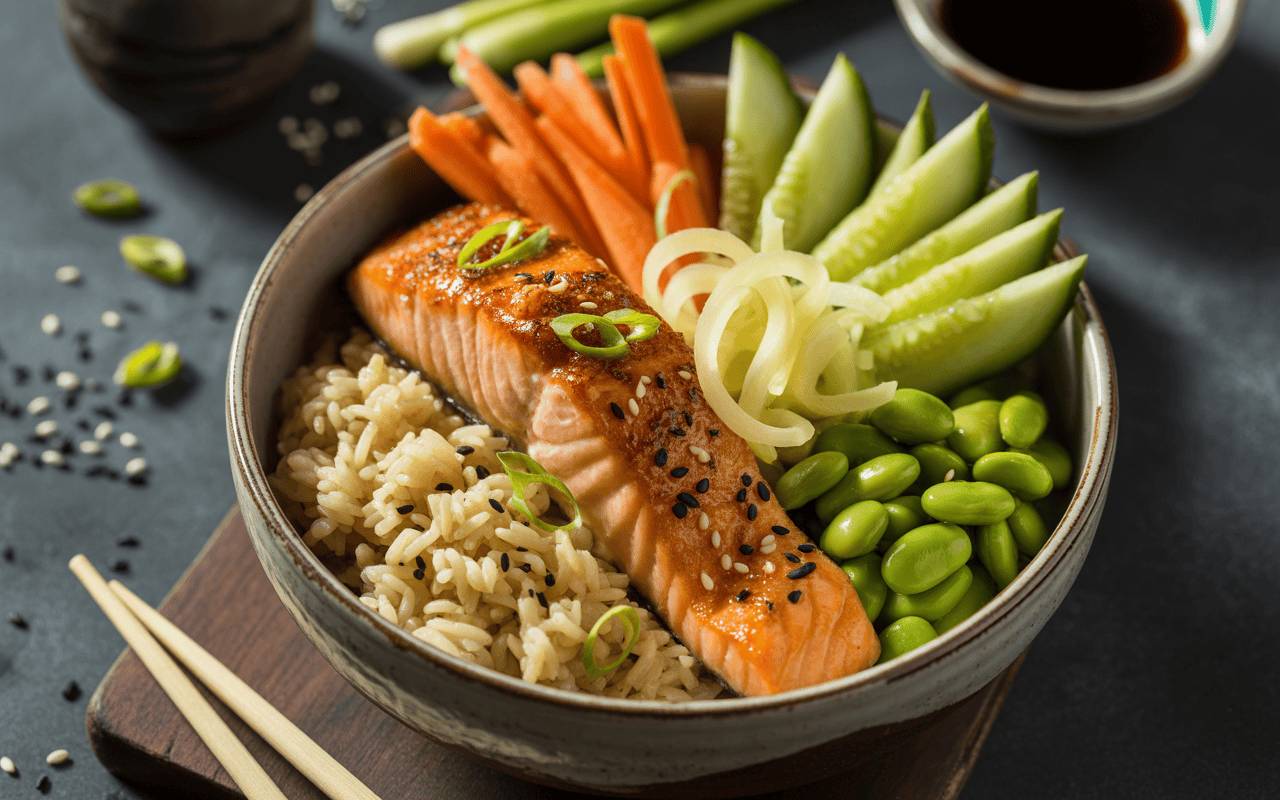
Managing your health through nutrition doesn’t have to be complicated or bland. At PromiseCare Medical Group, our physicians understand that preventing chronic disease starts with the foods you choose every day. One dish that perfectly combines delicious Asian flavors with powerful health benefits is the Asian ginger salmon bowl—a meal that supports heart health, helps manage blood sugar, and provides the nutritional foundation your body needs to thrive.
Why PromiseCare Physicians Recommend Salmon for Heart Health
PromiseCare Medical Group has served the Inland Empire for decades with a network of over 60 primary care doctors and 400+ specialists dedicated to preventive medicine and chronic disease management. Our physicians regularly counsel patients about nutrition strategies that can reduce cardiovascular risk and support overall wellness.
Salmon stands out as one of the most powerful foods for heart health. As our primary care physicians explain to patients managing conditions like hypertension, high cholesterol, or Type 2 diabetes, incorporating omega-3-rich fish like salmon into your diet can make a measurable difference in your health outcomes.
The Omega-3 Advantage
Salmon is exceptionally rich in omega-3 fatty acids—specifically EPA (eicosapentaenoic acid) and DHA (docosahexaenoic acid). These essential fats cannot be produced by your body, meaning you must obtain them through diet. According to the American Heart Association, consuming fatty fish like salmon at least twice weekly can significantly reduce your risk of cardiovascular disease.
The omega-3 fatty acids in salmon provide multiple cardiovascular benefits:
Triglyceride Reduction: Omega-3s effectively lower blood triglyceride levels, reducing your risk of atherosclerosis and heart disease. For patients managing metabolic syndrome or diabetes, this benefit is particularly important.
Blood Pressure Support: Regular consumption of omega-3-rich fish can help lower blood pressure, a key factor in preventing heart attacks and strokes. This is especially relevant for our patients in Hemet and throughout the Inland Empire who face increased cardiovascular risk.
Anti-Inflammatory Effects: Chronic inflammation contributes to the development of cardiovascular disease. The omega-3s in salmon help reduce inflammation throughout your cardiovascular system, protecting blood vessel health and function.
HDL Cholesterol Improvement: While lowering harmful LDL cholesterol, omega-3s can raise your beneficial HDL cholesterol, improving your overall lipid profile.
Complete Protein for Metabolic Health
Beyond omega-3s, salmon provides high-quality complete protein containing all essential amino acids your body needs. A typical 3.5-ounce serving delivers approximately 35-40 grams of protein, supporting muscle maintenance, metabolic function, and blood sugar stability—all crucial considerations for patients managing Type 2 diabetes or prediabetes.
Ginger: Ancient Medicine Meets Modern Science
The second star ingredient in an Asian ginger salmon bowl—ginger—has been used in traditional medicine for thousands of years. Today, modern research validates what traditional healers have long known: ginger possesses remarkable anti-inflammatory, antioxidant, and metabolic benefits.
Ginger’s Role in Diabetes Management
For patients working with PromiseCare physicians to manage Type 2 diabetes, ginger offers multiple benefits backed by clinical research. Studies published in peer-reviewed journals demonstrate that regular ginger consumption can:
Lower Fasting Blood Sugar: Research shows ginger can significantly reduce fasting blood glucose levels in patients with Type 2 diabetes, potentially reducing the need for medication adjustments over time.
Improve Insulin Sensitivity: Ginger helps combat insulin resistance, one of the primary underlying factors in Type 2 diabetes development and progression.
Reduce HbA1c Levels: Clinical trials demonstrate that ginger supplementation over 12 weeks can improve HbA1c (glycated hemoglobin), the key marker physicians use to assess long-term blood sugar control.
Protect Against Diabetic Complications: The antioxidant properties in ginger help protect against diabetes-related damage to the eyes, kidneys, nerves, and cardiovascular system.
Cardiovascular Protection from Gingerol
Gingerol, the primary bioactive compound in fresh ginger, provides powerful cardiovascular protection through multiple mechanisms:
Anti-Inflammatory Action: Ginger reduces inflammation in blood vessels, one of the primary drivers of atherosclerosis and heart disease. This anti-inflammatory effect complements the benefits of omega-3s from salmon.
Blood Pressure Support: Ginger acts as a natural calcium channel blocker, helping to relax blood vessels and support healthy blood pressure levels.
Cholesterol Management: Studies show ginger consumption can reduce LDL (bad) cholesterol and total cholesterol while potentially increasing HDL (good) cholesterol.
Anti-Clotting Properties: Ginger has mild antiplatelet effects, reducing the risk of dangerous blood clots that can lead to heart attacks and strokes.
Building the Perfect Asian Ginger Salmon Bowl
Creating a nutritionally complete Asian ginger salmon bowl means combining salmon and ginger with complementary ingredients that provide fiber, vitamins, minerals, and phytonutrients.
The Base: Choosing Your Grain
Brown Rice: Provides fiber, B vitamins, and minerals like magnesium and selenium. The fiber content helps slow digestion and supports stable blood sugar levels—particularly important for patients managing diabetes.
Quinoa: A complete protein containing all essential amino acids, quinoa adds extra protein to your bowl while providing iron, magnesium, and additional fiber.
Sushi Rice (White Rice): While lower in fiber than brown rice or quinoa, sushi rice provides easily digestible carbohydrates and creates an authentic Asian flavor profile. For better blood sugar control, consider using a smaller portion or mixing with cauliflower rice.
Cauliflower Rice: For patients following low-carbohydrate diets or managing diabetes with carbohydrate restriction, cauliflower rice provides volume and nutrients with minimal impact on blood sugar.
Vegetable Additions for Maximum Nutrition
The vegetables you add to your Asian ginger salmon bowl contribute fiber, vitamins, minerals, and protective phytonutrients:
Cucumber: Provides hydration, vitamin K, and antioxidants with minimal calories. Cucumber adds satisfying crunch and freshness to balance the rich salmon.
Shredded Cabbage: Both red and green cabbage offer vitamin C, vitamin K, and beneficial plant compounds. Quick-pickled cabbage adds probiotic benefits and tangy flavor.
Julienned Carrots: Rich in beta-carotene, carrots provide vitamin A for eye health and immune function. The natural sweetness complements the savory ginger-soy glaze on salmon.
Edamame: Young soybeans provide plant-based protein, fiber, and isoflavones that support heart health and hormone balance.
Avocado: Contributes heart-healthy monounsaturated fats, fiber, potassium, and folate. The creamy texture provides satisfying richness.
Leafy Greens: Add baby spinach, kale, or mixed greens for iron, calcium, folate, and protective antioxidants.
The Ginger-Soy Marinade
The marinade that flavors your salmon creates the signature taste of an Asian ginger salmon bowl while delivering health benefits:
Fresh Ginger: Grate or finely mince fresh ginger for maximum gingerol content and anti-inflammatory benefits.
Low-Sodium Soy Sauce or Tamari: Provides umami flavor and fermented food benefits. Choose low-sodium versions to control salt intake.
Honey or Maple Syrup: A touch of natural sweetness balances the marinade while helping create a caramelized glaze on the salmon.
Toasted Sesame Oil: Adds nutty depth and provides vitamin E and beneficial plant compounds.
Fresh Garlic: Contributes additional anti-inflammatory and cardiovascular benefits.
Rice Vinegar: Provides acidity to balance flavors and aid in nutrient absorption.
Optional Enhancements
Toasted Sesame Seeds: Add crunch, healthy fats, and minerals like calcium and iron.
Sliced Green Onions (Scallions): Provide fresh flavor and beneficial sulfur compounds similar to garlic.
Nori (Seaweed Sheets): Contribute iodine for thyroid health and add authentic Japanese flavor.
Spicy Mayo or Sriracha: For those who enjoy heat, these condiments add flavor complexity (use sparingly if watching calories or fat intake).
Pickled Ginger: Beyond flavor, pickled ginger provides probiotic benefits and aids digestion.
Recipe: Asian Ginger Salmon Bowl
Ingredients (Serves 4)
For the Salmon:
- 4 salmon fillets (approximately 5 ounces each), skin-on or skinless
- 3 tablespoons low-sodium soy sauce or tamari
- 2 tablespoons fresh ginger, grated or finely minced
- 2 cloves garlic, minced
- 2 tablespoons honey or maple syrup
- 1 tablespoon toasted sesame oil
- 1 tablespoon rice vinegar
- 1/4 teaspoon black pepper
For the Bowls:
- 2 cups cooked brown rice, quinoa, or sushi rice (about 3/4 cup per bowl)
- 2 cups cucumber, sliced or julienned
- 1 cup carrots, julienned or shredded
- 1 cup purple or green cabbage, shredded
- 1 cup edamame, shelled
- 1 large avocado, sliced
- 2 cups mixed greens or baby spinach (optional)
For Garnish:
- 2 tablespoons toasted sesame seeds
- 1/4 cup sliced green onions
- Lime wedges
- Optional: nori sheets (torn or cut), pickled ginger, spicy mayo
Instructions
1. Prepare the Marinade:
In a small bowl, whisk together soy sauce, grated fresh ginger, minced garlic, honey, sesame oil, rice vinegar, and black pepper until well combined.
2. Marinate the Salmon:
Place salmon fillets in a shallow dish and pour half of the marinade over them, turning to coat all sides. Reserve the remaining marinade. Let salmon marinate for 20-30 minutes at room temperature, or cover and refrigerate for up to 2 hours for more intense flavor.
3. Prepare the Sauce:
Pour the reserved marinade into a small saucepan and bring to a boil over medium-high heat. Reduce heat and simmer for 5 minutes until slightly thickened. For a thicker glaze, whisk together 1 teaspoon cornstarch with 1 tablespoon water, add to the simmering sauce, and cook for 1-2 minutes until thickened. Set aside.
4. Cook the Salmon:
Stovetop Method: Heat a large skillet over medium-high heat. Add a small amount of oil if using a non-stick pan. Place salmon skin-side down (if using skin-on) and cook for 4-5 minutes until the skin is crispy and releases easily. Flip carefully and cook for an additional 3-4 minutes until the salmon flakes easily with a fork and reaches an internal temperature of 145°F.
Oven Method: Preheat oven to 400°F. Place marinated salmon on a parchment-lined baking sheet. Bake for 12-15 minutes until salmon flakes easily and reaches 145°F internal temperature.
Air Fryer Method: Preheat air fryer to 400°F. Place salmon in the basket and cook for 8-10 minutes until cooked through.
5. Prepare Bowl Components:
While salmon cooks, prepare your grain base and chop all vegetables. Quick-pickle cabbage if desired by tossing with rice vinegar and a pinch of salt.
6. Assemble the Bowls:
Divide cooked grains among four bowls. Arrange cucumber, carrots, cabbage, edamame, avocado, and greens in sections around each bowl. Place cooked salmon on top of the grains. Drizzle with the reduced ginger-soy sauce. Garnish with toasted sesame seeds, sliced green onions, and lime wedges.
7. Serve:
Serve immediately while salmon is warm. Provide additional sauce, lime wedges, and optional toppings on the side.
Meal Prep Tips from PromiseCare Nutrition Counseling
Our physicians recognize that busy schedules can make healthy eating challenging. Here are strategies to make Asian ginger salmon bowls part of your weekly routine:
Batch Cook Components: Prepare large batches of rice or quinoa at the beginning of the week. Store in airtight containers in the refrigerator for up to 5 days.
Pre-Prep Vegetables: Wash, chop, and store vegetables in separate containers. Most vegetables stay fresh for 3-4 days when properly stored.
Marinate in Advance: Prepare salmon fillets in marinade up to 24 hours ahead. The extended marinating time intensifies flavor.
Assembly Line Approach: Once components are prepped, assemble individual bowls in meal prep containers. Keep salmon, grains, and vegetables in separate compartments if possible to maintain optimal texture.
Leftover Versatility: Leftover salmon can be flaked and used in salads, grain bowls with different vegetables, or Asian-style tacos throughout the week.
Nutritional Profile: What Your Body Receives
A typical Asian ginger salmon bowl provides approximately:
Calories: 550-650 per serving (varies based on grain choice and portion sizes)
Protein: 35-45 grams from salmon, edamame, and grains—supporting muscle maintenance and blood sugar stability
Healthy Fats: 20-30 grams, primarily from salmon omega-3s, avocado, and sesame oil—providing cardiovascular protection and satiety
Carbohydrates: 45-60 grams from grains and vegetables—offering sustained energy and fiber
Fiber: 8-12 grams from vegetables, grains, and edamame—supporting digestive health and blood sugar control
Omega-3 Fatty Acids: 2,000-2,500 mg EPA and DHA—exceeding the American Heart Association’s recommended weekly intake in just one meal
Vitamins and Minerals: Excellent source of vitamin D, B vitamins, selenium, potassium, magnesium, vitamin A, vitamin C, vitamin K, and iron
Special Considerations for Different Health Conditions
For Patients Managing Type 2 Diabetes
If you’re working with PromiseCare physicians to manage diabetes, consider these modifications:
Choose Lower Glycemic Index Grains: Opt for brown rice, quinoa, or cauliflower rice instead of white sushi rice to minimize blood sugar spikes.
Watch Portion Sizes: Keep grain portions to 1/2 to 3/4 cup cooked per serving, and increase vegetables to maintain satisfaction.
Minimize Added Sugars: Reduce or eliminate honey in the marinade, relying on the natural sweetness of carrots and the savory-umami flavor of soy sauce and ginger.
Monitor Post-Meal Blood Sugar: Check your blood sugar 1-2 hours after eating to understand how this meal affects your individual glucose response.
For Patients Managing Hypertension
If you’re managing high blood pressure:
Choose Low-Sodium Soy Sauce: Select reduced-sodium or low-sodium soy sauce or tamari to control sodium intake.
Increase Potassium-Rich Foods: Add extra avocado, edamame, and leafy greens—all excellent sources of potassium that helps counterbalance sodium’s effects on blood pressure.
Emphasize Omega-3s: The omega-3 fatty acids in salmon provide blood pressure benefits, so keep this as a regular part of your meal rotation.
Add More Ginger: Research shows ginger consumption may support healthy blood pressure levels, so don’t be shy with fresh ginger in your marinade.
For Patients Managing High Cholesterol
If you’re working to improve your cholesterol profile:
Maximize Omega-3 Intake: The EPA and DHA in salmon can lower triglycerides and improve your overall lipid profile.
Include Fiber-Rich Components: Choose brown rice or quinoa, and load up on vegetables and edamame to increase soluble fiber intake.
Add Nuts: Top your bowl with chopped almonds or cashews for additional heart-healthy fats and fiber.
Emphasize Plant Sterols: The plant compounds in vegetables, especially leafy greens and edamame, can help reduce cholesterol absorption.
For Patients Following Heart-Healthy Diets
If you’re following dietary patterns recommended for cardiovascular health:
Mediterranean Influence: This Asian ginger salmon bowl aligns well with Mediterranean diet principles, emphasizing fish, vegetables, whole grains, and healthy fats.
Anti-Inflammatory Focus: Both salmon and ginger provide powerful anti-inflammatory compounds that protect cardiovascular health.
Antioxidant Rich: The combination of vegetables, ginger, garlic, and sesame provides a spectrum of antioxidants that protect against oxidative stress.
When to Consult with Your PromiseCare Physician
While nutrition plays a crucial role in managing and preventing chronic disease, it works best as part of comprehensive medical care. Schedule an appointment with your PromiseCare primary care physician if you:
- Need guidance creating a nutrition plan that addresses your specific health conditions
- Want to discuss how dietary changes might affect your medication needs
- Have questions about appropriate portion sizes for your individual health goals
- Experience unusual symptoms after consuming fish or specific ingredients
- Need referral to a registered dietitian for specialized nutrition counseling
- Want to discuss how lifestyle modifications can complement your treatment plan
PromiseCare Medical Group’s network of primary care physicians, including specialists in internal medicine and geriatric medicine, provides comprehensive care that addresses nutrition, chronic disease management, and preventive medicine. Our physicians understand that sustainable health improvements come from a combination of appropriate medical treatment, lifestyle modifications, and patient education.
The Science of Food as Medicine
The Asian ginger salmon bowl represents a perfect example of how delicious food can serve as powerful medicine. This isn’t about restrictive eating or eliminating food groups—it’s about choosing nutrient-dense foods that support your body’s optimal function.
The omega-3 fatty acids in salmon, the gingerol in fresh ginger, the fiber in brown rice and vegetables, and the phytonutrients throughout the bowl all work synergistically to:
- Reduce chronic inflammation, a root cause of many chronic diseases
- Support healthy blood sugar regulation
- Protect cardiovascular function
- Provide sustained energy without blood sugar crashes
- Supply essential nutrients often lacking in Western diets
- Support healthy aging and cognitive function
Making It Your Own: Variations and Substitutions
One of the best aspects of bowl meals is their flexibility. Feel free to adapt this recipe based on your preferences, what’s available seasonally, or your specific health goals:
Protein Alternatives: If salmon isn’t available or affordable, try other fatty fish like mackerel, sardines, or trout. Tofu or tempeh can substitute for vegetarian versions.
Grain Swaps: Try farro, wild rice, black rice, or even Asian rice noodles for variety.
Seasonal Vegetables: Rotate vegetables based on what’s fresh and in season—roasted sweet potatoes, steamed broccoli, snap peas, bell peppers, or roasted eggplant all work beautifully.
Sauce Variations: Try miso-ginger dressing, peanut sauce, or tahini-based dressings for different flavor profiles while maintaining nutritional benefits.
Spice Adjustments: Add chili-garlic sauce, sriracha, or red pepper flakes for heat, or keep it mild by focusing on the ginger-soy-sesame flavor base.
Beyond the Bowl: Lifestyle Medicine at PromiseCare
While nutrition forms a cornerstone of health, PromiseCare Medical Group physicians emphasize a holistic approach to wellness that includes:
Regular Physical Activity: Combining this nutritious diet with regular movement amplifies cardiovascular benefits and blood sugar control.
Stress Management: Chronic stress contributes to inflammation and disease progression. Our physicians can help you develop stress reduction strategies.
Adequate Sleep: Quality sleep supports metabolic health, immune function, and cardiovascular health.
Social Connection: Regular social engagement contributes to longevity and better health outcomes.
Preventive Care: Annual wellness visits, appropriate screenings, and proactive health management help catch problems early.
Medication Management: When needed, appropriate medications work alongside lifestyle modifications to optimize health outcomes.
Your Path to Better Health Through Nutrition
Creating an Asian ginger salmon bowl represents more than just preparing dinner—it’s an investment in your long-term health. This meal combines evidence-based nutritional science with delicious flavors that make healthy eating sustainable and enjoyable.
At PromiseCare Medical Group, our physicians see daily how dietary changes can transform health outcomes for patients managing diabetes, cardiovascular disease, and other chronic conditions. The anti-inflammatory omega-3s in salmon, the metabolic benefits of ginger, and the fiber and nutrients from vegetables and whole grains work together to support the health goals you’re working toward with your medical team.
Whether you’re just beginning your health journey or you’re looking for new ways to maintain the progress you’ve achieved, incorporating meals like the Asian ginger salmon bowl into your regular routine provides delicious, practical nutrition that supports your body’s optimal function.
Schedule Your Wellness Visit
If you’re a PromiseCare member or thinking about joining our network, schedule your annual wellness visit to discuss how nutrition can support your individual health goals. Our primary care physicians throughout the Inland Empire are ready to partner with you in creating a comprehensive health plan that includes nutrition, preventive care, and evidence-based medical treatment.
Contact PromiseCare Medical Group at 951-390-2840 to schedule your appointment or visit promisecare.com to find a primary care physician near you in Hemet, Murrieta, Temecula, Menifee, or surrounding communities.
Frequently Asked Questions
Q: How often should I eat salmon for optimal heart health benefits?
The American Heart Association recommends eating fatty fish like salmon at least twice per week, with each serving approximately 3.5 ounces. This provides adequate omega-3 fatty acids for cardiovascular protection. If you’re managing specific cardiac conditions, consult with your PromiseCare physician about whether you might benefit from more frequent fish consumption or omega-3 supplementation.
Q: Can I use frozen salmon instead of fresh for this recipe?
Absolutely. Frozen salmon can be just as nutritious as fresh salmon, and it’s often more affordable and convenient. Look for wild-caught Alaskan salmon or sustainably farmed salmon. Thaw frozen salmon in the refrigerator overnight before marinating and cooking. The omega-3 content remains stable during proper freezing and thawing.
Q: I’m on blood-thinning medication. Should I be concerned about eating ginger with fish?
Both ginger and omega-3 fatty acids have mild blood-thinning properties. If you’re taking anticoagulant medications like warfarin or antiplatelet drugs like aspirin, discuss your diet with your PromiseCare physician. Typical amounts of ginger used in cooking are generally safe, but large supplemental doses should be avoided without medical guidance.
Q: How can I tell if my salmon is cooked properly?
Properly cooked salmon should reach an internal temperature of 145°F when measured with a food thermometer. Visually, the salmon will change from translucent to opaque, and it should flake easily when tested with a fork. Slight translucency in the very center is acceptable if you prefer slightly less done salmon. Overcooking will cause white albumin proteins to appear on the surface and result in dry texture.
Q: What are the best vegetables to include for maximum health benefits?
Focus on variety and color. Different colored vegetables provide different beneficial compounds. Dark leafy greens offer iron and folate, orange/red vegetables provide beta-carotene, purple cabbage contains anthocyanins, and cruciferous vegetables like cabbage support detoxification. Including 4-5 different vegetables in your bowl ensures a broad spectrum of nutrients.
Q: Can I make this recipe if I don’t like spicy food?
Yes. The base ginger-soy marinade isn’t spicy—ginger provides aromatic warmth but not heat. Omit any chili-garlic sauce, sriracha, or hot peppers. You’ll still get all the anti-inflammatory and metabolic benefits of ginger without any spiciness. If even fresh ginger feels too strong, reduce the amount slightly.
Q: Is this meal appropriate for weight management?
Yes. Asian ginger salmon bowls provide balanced nutrition with protein, healthy fats, and fiber that promote satiety and stable blood sugar. This helps control appetite and prevent overeating. Adjust portion sizes to match your calorie needs—focus on the protein and vegetables, and modify grain portions based on your individual goals. Consult with your PromiseCare physician or a registered dietitian for personalized portion guidance.
Q: How long do leftovers last, and how should I store them?
Store components separately in airtight containers in the refrigerator for best quality. Cooked salmon stays fresh for 3-4 days, cooked grains for 4-5 days, and chopped vegetables for 3-4 days. Assemble bowls fresh when ready to eat. Leftover salmon can be served cold over salads or reheated gently. Don’t add avocado until serving time as it browns quickly.
Q: Can diabetic patients eat this with the honey in the marinade?
The amount of honey per serving is relatively small (approximately 1-2 teaspoons), especially when shared across 4 servings. However, if you’re being very strict with sugar intake, you can reduce or eliminate the honey. The marinade will still taste good, though slightly less sweet and glossy. Monitor your blood sugar response individually, as the protein, healthy fats, and fiber in the meal help moderate the impact of the small amount of honey.
Q: What’s the difference between wild-caught and farmed salmon in terms of nutrition?
Both types provide excellent omega-3 fatty acids. Wild-caught salmon tends to be leaner with slightly fewer total omega-3s but lower overall fat. Farmed salmon is fattier, resulting in higher absolute omega-3 content, though also higher in total fat and calories. Both offer significant cardiovascular benefits. Choose based on availability, budget, and personal preference. Look for sustainably sourced options regardless of type.
MEDICAL DISCLAIMER: This information is for educational purposes only and should not replace professional medical advice. Always consult with your PromiseCare physician before making significant dietary changes, especially if you have existing health conditions or take medications. Individual nutritional needs vary based on age, health status, medications, and other factors. The content provided does not constitute medical advice, diagnosis, or treatment.