
A PromiseCare Medical Group Guide to Seasonal Eating and Plant-Based Nutrition
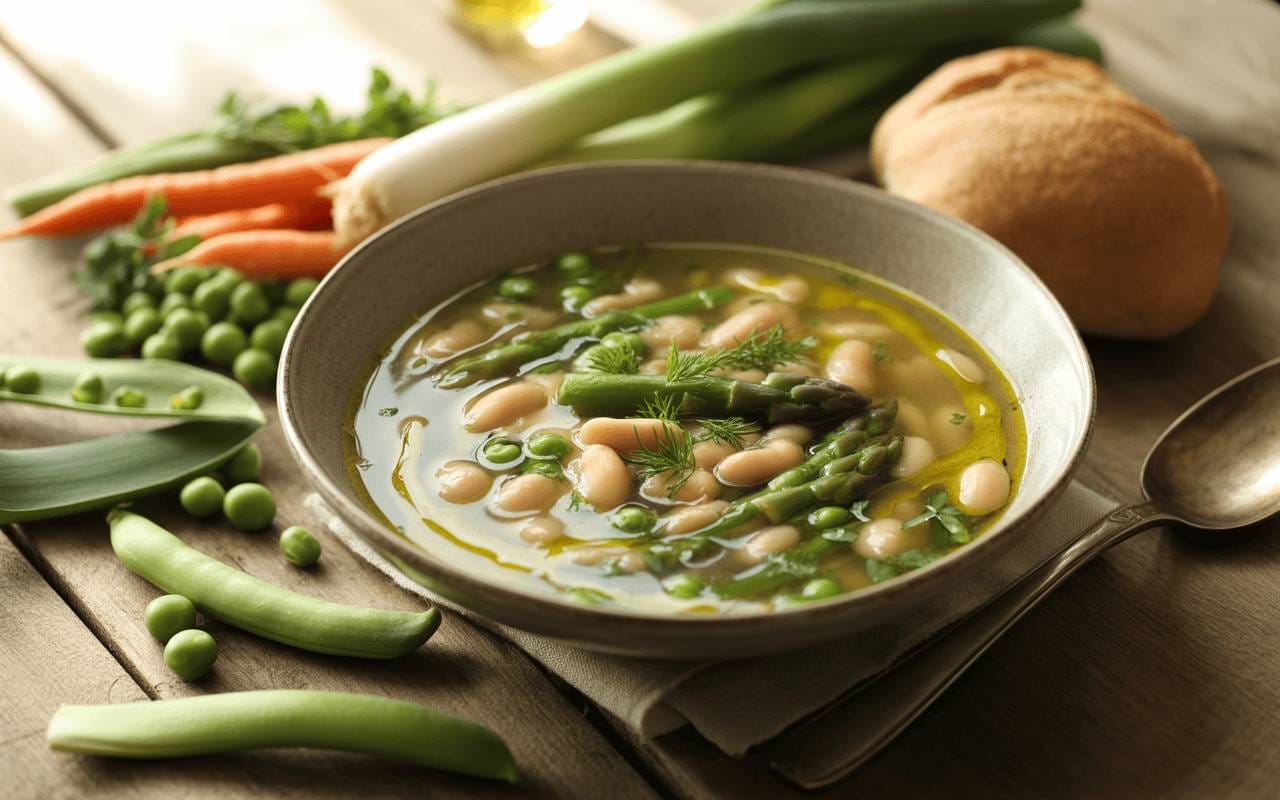
Introduction: Embracing Seasonal Nutrition with Spring Vegetable & White Bean Soup
As spring unfolds across Southern California’s Inland Empire, the season brings an abundance of fresh vegetables that offer peak nutritional value and vibrant flavors. At PromiseCare Medical Group, our primary care physicians consistently recommend incorporating seasonal produce into your diet as part of a comprehensive approach to preventive medicine and chronic disease management.
Spring vegetable and white bean soup represents the perfect marriage of seasonal eating and heart-healthy Mediterranean diet principles. This nutrient-dense dish combines fiber-rich cannellini beans with fresh spring vegetables like asparagus, peas, carrots, and leafy greens to create a meal that supports cardiovascular health, blood sugar management, and weight control.
According to Dr. Herman Mathias, board-certified Internal Medicine physician and geriatric specialist at PromiseCare Medical Group, “Plant-based meals featuring legumes and seasonal vegetables provide exceptional nutritional benefits for patients managing chronic conditions. The combination of dietary fiber, plant-based protein, and antioxidants in white bean soup offers protection against heart disease, diabetes, and inflammation.”
This comprehensive guide explores the health benefits of spring vegetable white bean soup, provides expert insights from PromiseCare physicians, and offers practical recipe variations to help you embrace seasonal, nutritious eating.
The Nutritional Power of White Beans: A Heart-Healthy Protein Source
Understanding Cannellini Beans and White Bean Varieties
White beans encompass several varieties, including cannellini beans (white kidney beans), navy beans, and Great Northern beans. Each variety offers slightly different textures and flavors, but all provide exceptional nutritional density. Cannellini beans, most popular in Mediterranean cuisine, deliver a creamy texture and mild, nutty flavor that complements spring vegetables perfectly.
One cup of cooked cannellini beans provides:
- 17 grams of plant-based protein – supporting muscle mass and satiety
- 13-14 grams of dietary fiber – promoting digestive health and cholesterol management
- 36% daily value of iron – essential for oxygen transport and energy production
- 97% daily value of folate – crucial for DNA synthesis and cell division
- 38% daily value of potassium – supporting healthy blood pressure and heart function
- Significant amounts of magnesium, zinc, and copper – vital for metabolic function
Cardiovascular Health Benefits of White Beans
Dr. Hana Saleh, board-certified Internal Medicine physician specializing in Women’s Health and Geriatric Health at PromiseCare Medical Group, emphasizes the cardiovascular benefits of white beans: “The soluble fiber in cannellini beans forms a gel-like substance in the digestive tract that binds to cholesterol particles, preventing their absorption into the bloodstream. This mechanism helps lower LDL cholesterol levels, which is particularly beneficial for patients with elevated cardiovascular risk.”
Research from Harvard Health confirms that navy beans, the highest-fiber white bean variety, provide 10 grams of fiber per half-cup serving. This exceptional fiber content helps lower harmful LDL cholesterol and reduces heart disease risk. The combination of fiber, potassium, and magnesium in white beans creates a powerful trio for cardiovascular protection.
Blood Sugar Management and Diabetes Prevention
White beans rank low on the glycemic index, making them an excellent food choice for blood sugar management and diabetes prevention. The fiber and protein content in cannellini beans slow glucose absorption, preventing the blood sugar spikes associated with high-glycemic foods.
Dr. Paula Henderson, board-certified Family Medicine physician with over 30 years of experience at PromiseCare Medical Group, explains: “For patients with diabetes or pre-diabetes, incorporating legumes like white beans into their meal plan helps stabilize blood sugar levels throughout the day. The resistant starch in beans acts as an alpha-amylase inhibitor, blocking enzymes responsible for rapid carbohydrate digestion.”
Studies demonstrate that white bean extracts effectively reduce blood sugar levels and regulate elevated disaccharidase levels, enzymes that break down sugars. This dual action supports both immediate blood glucose control and long-term diabetes management.
Weight Management Through Plant-Based Protein
The high protein and fiber content in white beans promotes satiety and helps control appetite, making them valuable for weight management. Protein-rich foods reduce levels of ghrelin, the hunger hormone, naturally leading to decreased calorie intake over time.
Long-term research shows that people who regularly consume beans have a 22% lower risk of obesity and 23% less excess abdominal fat compared to those who avoid legumes. The combination of nutrients in white beans helps maintain a healthy body weight while providing essential vitamins and minerals.
Spring Vegetables: Peak Nutrition and Seasonal Benefits
The Science Behind Seasonal Eating
Eating vegetables during their natural growing season offers multiple advantages beyond superior flavor. Seasonal produce reaches your table at peak ripeness, containing maximum concentrations of vitamins, minerals, and phytonutrients. Research indicates that vegetables begin losing nutrients within 5-10 days of harvest, making locally grown, seasonal produce significantly more nutritious than out-of-season options shipped long distances.
As explained in PromiseCare Medical Group’s own nutritional guidance on seasonal eating: “Spring produce consumed shortly after harvest offers peak flavor and nutrients. Diets high in fiber and vegetables are linked to lower rates of heart disease, high blood pressure, type 2 diabetes, and obesity, making seasonal eating a nutritious and tasty solution.”
Asparagus: The Spring Superfood
Asparagus represents one of spring’s most celebrated vegetables, and for good reason. These tender green stalks contain virtually no fat while providing exceptional nutritional benefits:
- High in vitamins A, C, E, and K – supporting vision, immune function, skin health, and blood clotting
- Excellent source of folate – crucial for DNA synthesis and fetal development
- Rich in fiber and potassium – promoting digestive and cardiovascular health
- Contains glutathione – a powerful antioxidant with anti-inflammatory properties
- Natural diuretic properties – supporting detoxification and kidney function
The phytochemicals giving asparagus its vibrant green color, including chlorophyll and lutein, support healthy vision and may reduce the risk of certain cancers. When selecting asparagus, choose firm stalks that would snap when bent, indicating freshness.
Peas: Protein-Packed Spring Legumes
Fresh green peas are quintessential spring vegetables, offering sweet flavor and impressive nutritional density. One cup of peas contains almost 9 grams of plant-based protein, making them one of the highest-protein vegetables available.
Peas provide:
- Vitamins A, C, and K – supporting immune function, skin health, and bone health
- 8 grams of fiber per cup – promoting digestive health and satiety
- Magnesium, potassium, and iron – essential for metabolic function and energy production
- Antioxidants including lutein and zeaxanthin – protecting eye health
Snow peas and sugar snap peas can be eaten raw or cooked, offering versatility in meal preparation. The vitamin C and zinc in peas strengthen immune system function, while antioxidants like coumestrol help reduce inflammation and lower risk of diabetes, heart disease, and arthritis.
Carrots: Year-Round Nutrition with Spring Freshness
While available throughout the year, spring carrots offer exceptional sweetness and tender texture. These root vegetables love cool weather and reach peak quality during spring months.
Carrots provide:
- Exceptional amounts of beta-carotene – converted to vitamin A for vision and immune health
- Calcium and vitamin K – supporting bone health and blood clotting
- Fiber for blood sugar control – helping regulate glucose levels
- Antioxidants including lycopene and anthocyanins – protecting against cellular damage
Research indicates that the beta-carotene in carrots may protect against age-related macular degeneration, supporting long-term vision health. The fiber in carrots helps stabilize blood sugar levels, making them particularly beneficial for diabetes management.
Leafy Greens: Nutrient-Dense Spring Stars
Spring brings an abundance of tender leafy greens, including spinach, kale, arugula, and Swiss chard. These nutritional powerhouses provide exceptional concentrations of vitamins, minerals, and antioxidants.
Spinach, in particular, offers:
- Exceptional amounts of iron and calcium – valuable for plant-based diets
- Vitamins A, C, and K – supporting multiple body systems
- Antioxidants including lutein and zeaxanthin – protecting eye health
- Folate and magnesium – supporting cardiovascular and metabolic health
Kale provides similar benefits with additional vitamin C content. The bitter, peppery flavor of arugula adds complexity to soups while providing vitamins A, C, and K. Swiss chard offers beautiful color along with magnesium, potassium, and iron.
Recipe: Spring Vegetable & White Bean Soup
Ingredients
For the Soup Base:
- 2 tablespoons extra virgin olive oil
- 1 large yellow onion, diced
- 4 cloves garlic, minced
- 2 medium carrots, diced
- 2 celery stalks, diced
- 1 medium leek, white and light green parts only, sliced
Main Vegetables:
- 1 pound asparagus, trimmed and cut into 1-inch pieces
- 2 cups fresh or frozen peas
- 2 cups fresh spinach or kale, roughly chopped
- 1 medium zucchini, diced
Beans and Broth:
- 3 cans (15 oz each) cannellini beans, drained and rinsed (or 4.5 cups cooked dried beans)
- 6 cups low-sodium vegetable broth or homemade chicken stock
- 1 can (14 oz) diced tomatoes (optional)
Herbs and Seasonings:
- 2 teaspoons fresh thyme (or 1 teaspoon dried)
- 2 teaspoons fresh rosemary, chopped (or 1 teaspoon dried)
- 2 bay leaves
- 1 teaspoon sea salt (or to taste)
- ½ teaspoon black pepper
- ¼ teaspoon red pepper flakes (optional)
- 2 tablespoons fresh lemon juice
- ¼ cup fresh parsley or basil, chopped
For Serving:
- Grated Parmesan cheese or nutritional yeast (for vegan option)
- Extra virgin olive oil for drizzling
- Crusty whole grain bread
Instructions
Step 1: Prepare the Soffritto
Heat olive oil in a large Dutch oven or soup pot over medium heat. Add diced onion, carrots, celery, and sliced leek. Cook, stirring often, until vegetables soften and onion becomes translucent, approximately 8-10 minutes. This aromatic base, called soffritto in Italian cuisine, creates a flavorful foundation for the soup.
Add minced garlic and cook for another minute, stirring constantly to prevent burning. The garlic should become fragrant but not brown.
Step 2: Build the Soup Base
Add drained cannellini beans, vegetable broth, thyme, rosemary, and bay leaves to the pot. If using diced tomatoes, add them now. Increase heat to medium-high and bring the mixture to a boil.
Once boiling, reduce heat to low, cover partially, and simmer for 15 minutes. This allows the flavors to meld while the vegetables soften completely.
Step 3: Add Spring Vegetables
Add asparagus pieces and diced zucchini to the simmering soup. Continue cooking for 5 minutes until asparagus becomes tender-crisp. Asparagus cooks quickly and retains more nutrients when not overcooked.
Stir in peas and continue cooking for 2-3 minutes. Fresh peas require minimal cooking time, while frozen peas need just enough time to heat through.
Step 4: Incorporate Leafy Greens
Add chopped spinach or kale to the soup, stirring until the greens wilt into the liquid. Spinach wilts in about 2 minutes, while kale may require 3-4 minutes to become tender.
Step 5: Season and Finish
Remove bay leaves from the soup. Taste and adjust seasoning with salt and black pepper as needed. Stir in fresh lemon juice, which brightens the flavors and enhances nutrient absorption.
Add fresh chopped parsley or basil just before serving for a burst of color and fresh flavor.
Step 6: Serve
Ladle soup into bowls and drizzle with high-quality extra virgin olive oil. Top with grated Parmesan cheese or nutritional yeast. Serve with warm, crusty whole grain bread for a complete, satisfying meal.
Nutritional Information (Per Serving)
Based on 6 servings:
- Calories: 310-350
- Protein: 18-20g
- Carbohydrates: 52-57g
- Dietary Fiber: 13-14g
- Fat: 6-7g (primarily from olive oil)
- Sodium: 160-450mg (depending on broth selection)
- Potassium: 1,200-1,600mg
- Vitamins: Exceptional amounts of vitamins A, C, K, and B-complex
- Minerals: Significant iron, magnesium, calcium, and zinc
Health Benefits: Why PromiseCare Physicians Recommend This Soup
Comprehensive Cardiovascular Support
Dr. Herman Mathias explains: “This soup provides multiple mechanisms for cardiovascular protection. The soluble fiber from white beans lowers LDL cholesterol, the potassium helps regulate blood pressure, and the antioxidants from spring vegetables reduce oxidative stress and inflammation in blood vessels.”
The combination of nutrients creates synergistic effects:
- Fiber reduces cholesterol absorption and promotes bile acid excretion
- Potassium balances sodium levels and supports healthy blood pressure
- Magnesium regulates heart rhythm and reduces hypertension risk
- Folate lowers homocysteine levels, reducing cardiovascular disease risk
- Antioxidants protect blood vessel walls from oxidative damage
Blood Sugar Stabilization
For patients managing diabetes or pre-diabetes, this soup offers excellent blood sugar control. The low glycemic index of white beans combined with the fiber content of spring vegetables slows glucose absorption, preventing post-meal blood sugar spikes.
Dr. Paula Henderson notes: “The resistant starch in cannellini beans acts as a prebiotic, feeding beneficial gut bacteria while simultaneously inhibiting the enzymes that break down carbohydrates into sugar. This dual action provides both immediate and long-term benefits for blood glucose management.”
Weight Management and Satiety
The high protein content (18-20 grams per serving) and exceptional fiber content (13-14 grams per serving) create powerful satiety, helping you feel full for hours after eating. This natural appetite control supports weight management without requiring calorie restriction or hunger.
Dr. Hana Saleh emphasizes: “For patients working to achieve a healthy weight, increasing consumption of fiber-rich, plant-based meals like this soup naturally reduces overall calorie intake. The nutrients satisfy your body’s needs, reducing cravings and supporting sustainable weight loss.”
Immune System Enhancement
The vitamin C from peas, asparagus, and leafy greens supports immune cell production and function. Vitamin A from carrots maintains the integrity of mucous membranes, your body’s first line of defense against pathogens. Zinc and iron from white beans support immune cell development and antibody production.
The antioxidants throughout this soup—including polyphenols, flavonoids, and carotenoids—neutralize free radicals that can damage cells and weaken immune function. This comprehensive nutritional support helps your body resist infections and recover more quickly from illness.
Digestive Health and Gut Microbiome Support
The combination of soluble and insoluble fiber in this soup supports digestive health through multiple mechanisms. Soluble fiber creates a gel-like substance that slows digestion and improves nutrient absorption. Insoluble fiber adds bulk to stool, promoting regular bowel movements and preventing constipation.
The resistant starch in white beans acts as a prebiotic, feeding beneficial gut bacteria. A healthy gut microbiome contributes to immune function, mental health, and protection against various diseases. The diverse vegetables in this soup provide different types of fiber and prebiotic compounds, supporting a diverse and resilient gut microbiome.
Anti-Inflammatory Benefits
Chronic inflammation contributes to numerous health conditions, including heart disease, diabetes, arthritis, and autoimmune disorders. This soup provides multiple anti-inflammatory compounds:
- Omega-3 fatty acids from leafy greens
- Polyphenols from white beans
- Flavonoids including quercetin from onions and leeks
- Antioxidant vitamins C and E from spring vegetables
- Magnesium which helps regulate inflammatory responses
Dr. Herman Mathias notes: “For patients with inflammatory conditions like arthritis or autoimmune diseases, consuming anti-inflammatory foods regularly can help manage symptoms and reduce disease progression. This soup provides a concentrated dose of anti-inflammatory compounds in an easily digestible form.”
PromiseCare Medical Group’s Approach to Nutrition and Preventive Medicine
Personalized Nutritional Counseling
At PromiseCare Medical Group, primary care physicians recognize that nutrition plays a fundamental role in preventing and managing chronic diseases. With 77 primary care doctors serving the Inland Empire, PromiseCare offers comprehensive nutritional counseling as part of routine primary care visits.
As explained on PromiseCare’s website: “We are committed to your well-being as your primary care provider. We utilize the latest medical research and technology, drawing upon the combined experience of our team members and your personal feedback to provide you with a truly unique healthcare experience. We collaborate with you to develop a personalized plan that fits your lifestyle and helps you reach your goals.”
Chronic Disease Management Through Dietary Intervention
PromiseCare physicians integrate nutritional counseling into chronic disease management programs for conditions including:
- Type 2 diabetes – emphasizing low-glycemic foods and balanced macronutrients
- Hypertension – focusing on potassium-rich foods and sodium reduction
- Cardiovascular disease – prioritizing Mediterranean diet principles
- Obesity – supporting sustainable weight loss through nutrient-dense foods
- Digestive disorders – addressing individual food sensitivities and promoting gut health
Dr. Paula Henderson explains: “Rather than simply prescribing medications, we work with patients to understand how dietary choices impact their health conditions. For many patients, improving nutrition leads to reduced medication needs and better disease control.”
Medicare Wellness Visits and Nutritional Assessment
PromiseCare offers no-cost annual wellness visits for Medicare members, which include comprehensive nutritional assessments. During these visits, physicians evaluate:
- Current dietary patterns and eating habits
- Nutritional deficiencies or concerns
- Weight management needs
- Chronic disease risk factors related to nutrition
- Barriers to healthy eating
Based on this assessment, physicians develop personalized nutrition plans that consider individual health goals, cultural preferences, and practical constraints.
Supporting Healthy Aging Through Nutrition
With specialized expertise in geriatric medicine, PromiseCare physicians understand the unique nutritional needs of older adults. Dr. Herman Mathias, a geriatric specialist with over 30 years of experience in Hemet Valley, emphasizes: “As we age, our nutritional needs change. Adequate protein becomes crucial for maintaining muscle mass, while fiber and calcium support bone health and digestive function. Meals like spring vegetable white bean soup provide concentrated nutrition that’s easy to prepare and digest.”
Geriatric nutritional concerns addressed by PromiseCare physicians include:
- Protein deficiency and muscle loss (sarcopenia)
- Calcium and vitamin D for bone health
- Fiber for digestive regularity
- B vitamins for cognitive function
- Hydration and fluid intake
Recipe Variations and Adaptations
Mediterranean White Bean Soup with Herbs
Transform the base recipe into a Mediterranean-inspired version by adding:
- 1 tablespoon tomato paste for depth
- ½ cup sun-dried tomatoes, chopped
- ½ cup Kalamata olives, pitted and halved
- 1 teaspoon dried oregano
- Fresh oregano and basil for garnish
- Crumbled feta cheese for serving
This variation increases antioxidant content while adding Mediterranean flavor profiles associated with cardiovascular health benefits.
Italian Minestrone with Spring Vegetables
Create a heartier Italian-style soup by adding:
- 1 cup small pasta (ditalini, elbow macaroni, or orzo)
- Parmesan rind simmered with the soup for rich, umami flavor
- Fresh basil pesto swirled into each bowl before serving
- Grated Parmesan cheese and crusty Italian bread
The addition of whole grain pasta provides complex carbohydrates for sustained energy while maintaining the soup’s nutritional profile.
Lemon-Herb Spring Vegetable Soup
Brighten the flavors with additional citrus and fresh herbs:
- Zest of 1 lemon added with the broth
- ¼ cup fresh lemon juice stirred in at the end
- ½ cup fresh dill, chopped
- ¼ cup fresh mint, chopped
- Increase fresh parsley to ½ cup
This variation enhances vitamin C content and provides a refreshing, light flavor perfect for warm spring days.
Coconut Curry White Bean Soup
Give the soup Asian-inspired flavors by modifying the recipe:
- Replace olive oil with coconut oil
- Add 2 tablespoons red or yellow curry paste
- Use 2 cups coconut milk in place of 2 cups broth
- Add 1 tablespoon fresh ginger, minced
- Garnish with fresh cilantro and lime wedges
- Serve with brown rice on the side
This variation introduces anti-inflammatory compounds from turmeric and ginger while providing healthy medium-chain triglycerides from coconut milk.
Slow Cooker Spring Vegetable White Bean Soup
Adapt the recipe for convenient slow cooker preparation:
- Sauté onion, carrots, celery, leek, and garlic in a skillet, then transfer to slow cooker
- Add beans, broth, seasonings, and bay leaves
- Cook on low for 6-8 hours or high for 3-4 hours
- During the last 30 minutes of cooking, add asparagus and zucchini
- During the last 10 minutes, add peas and leafy greens
- Finish with lemon juice and fresh herbs before serving
This method develops deeper flavors through extended cooking while requiring minimal active preparation time.
Vegan and Dairy-Free Adaptations
The base recipe is naturally vegan when using vegetable broth. Enhance the vegan version:
- Use nutritional yeast instead of Parmesan for a cheesy flavor
- Add 1 tablespoon tahini for creaminess
- Increase olive oil slightly for richness
- Include hemp seeds for additional protein and omega-3 fatty acids
Low-Sodium Version for Heart Patients
For patients requiring sodium restriction:
- Use low-sodium or no-salt-added vegetable broth
- Rinse canned beans thoroughly to remove excess sodium
- Enhance flavor with additional herbs, spices, and lemon juice
- Use salt-free seasoning blends
- Add a small amount of seaweed (kombu) for natural umami flavor without sodium
Meal Prep and Storage: Making Healthy Eating Convenient
Batch Cooking for Weekly Meals
This soup recipe makes 6-8 servings, perfect for meal prep. PromiseCare physicians recommend batch cooking as a strategy for maintaining healthy eating habits despite busy schedules.
Meal Prep Tips:
- Prepare a double batch on Sunday for convenient weekday lunches
- Portion into individual containers (2-cup servings)
- Refrigerate for up to 5 days
- Freeze portions for up to 3 months
Storage Guidelines
Refrigeration:
- Store in airtight containers
- Consume within 5-6 days
- The soup’s flavors develop and improve after 1-2 days in the refrigerator
Freezing:
- Cool soup completely before freezing
- Use freezer-safe containers, leaving 1-inch headspace for expansion
- Label with date and contents
- Freeze for up to 3 months
- Thaw overnight in refrigerator
- Reheat gently on stovetop or in microwave
Reheating Instructions:
- Stovetop: Heat over medium-low heat, stirring occasionally, until heated through
- Microwave: Heat in microwave-safe bowl in 1-minute intervals, stirring between intervals
- Add a splash of broth or water if soup has thickened during storage
- Refresh with additional lemon juice and fresh herbs before serving
Vegetables Best Added Fresh
For optimal texture and nutrition when reheating frozen soup:
- Add fresh spinach or kale when reheating
- Stir in fresh peas during the last few minutes of reheating
- Top with freshly chopped herbs and a squeeze of lemon
This approach ensures vegetables remain vibrant and retain maximum nutritional value.
Complementary Protein: Maximizing Nutritional Value
Understanding Complete Protein
While white beans provide exceptional protein content, they don’t contain all nine essential amino acids your body needs, making them an “incomplete” protein source. However, combining legumes with grains creates complementary proteins that provide all essential amino acids.
Dr. Hana Saleh explains: “For vegetarian and vegan patients, understanding complementary proteins ensures adequate intake of all essential amino acids. You don’t need to combine them in the same meal—consuming both legumes and grains throughout the day provides complete protein nutrition.”
Whole Grain Pairings
Serve spring vegetable white bean soup with these whole grain options for complete protein:
Whole Grain Bread:
- Whole wheat sourdough
- Multigrain bread with seeds
- Rye bread
- Quinoa bread
Grain Side Dishes:
- Brown rice or wild rice
- Quinoa (technically a seed but provides complete protein on its own)
- Farro or barley
- Whole wheat pasta
Crackers and Crispbreads:
- Whole grain crackers
- Rye crispbread
- Seed crackers
Other Protein-Enhancing Additions
Boost the soup’s protein content with these additions:
- Hemp seeds (3g protein per tablespoon) – sprinkle on top before serving
- Nutritional yeast (2g protein per tablespoon) – adds cheesy flavor
- Tahini (2.5g protein per tablespoon) – swirl into soup for creaminess
- Pumpkin seeds (7g protein per ¼ cup) – toast and use as garnish
Seasonal Eating: A Year-Round Approach to Health
Spring Season (March-May)
Focus on tender spring vegetables:
- Asparagus
- Peas (snap peas, snow peas, English peas)
- Spring onions and leeks
- Baby carrots
- Radishes
- Spinach and arugula
- Artichokes
- Fava beans
Summer Adaptation (June-August)
Modify the soup for summer vegetables:
- Replace asparagus with green beans
- Use fresh tomatoes instead of canned
- Add summer squash and zucchini
- Include fresh corn kernels
- Increase fresh herbs (basil, oregano, parsley)
- Serve at room temperature or slightly chilled
Fall Version (September-November)
Transform the soup with autumn vegetables:
- Replace spring vegetables with butternut squash
- Add kale or Swiss chard
- Include diced potatoes or sweet potatoes
- Use sage and thyme as primary herbs
- Add a touch of warming spices (cumin, coriander)
Winter Adaptation (December-February)
Create a hearty winter version:
- Use root vegetables (parsnips, turnips, rutabaga)
- Add cabbage or Brussels sprouts
- Include white potatoes or celery root
- Use more robust herbs (rosemary, sage)
- Increase garlic for immune support
Dr. Paula Henderson emphasizes: “Eating seasonally throughout the year ensures you receive diverse nutrients from different vegetables. Each season offers unique phytonutrients and antioxidants that support various aspects of health.”
Frequently Asked Questions
Can I use dried white beans instead of canned?
Yes, dried cannellini beans provide excellent nutrition and superior texture. To prepare:
- Soak 1.5 cups dried beans overnight in cold water
- Drain and rinse beans in the morning
- Cover with fresh water and bring to a boil
- Reduce heat and simmer for 1-1.5 hours until tender
- Drain and use in recipe as directed
Dried beans contain no added sodium and cost significantly less than canned varieties. However, they require advance planning and longer cooking time.
Is this soup suitable for diabetic patients?
According to PromiseCare physicians, this soup is excellent for diabetes management. The low glycemic index of white beans, combined with the fiber content from vegetables, helps stabilize blood sugar levels. The resistant starch in beans slows carbohydrate digestion, preventing post-meal glucose spikes.
Patients should monitor portion sizes (1.5-2 cups per serving) and pair the soup with whole grain bread for balanced nutrition. Those taking diabetes medications should work with their physician to adjust medication as dietary improvements may reduce insulin requirements.
How can I reduce the sodium content further?
For patients requiring strict sodium restriction:
- Use homemade vegetable broth or no-salt-added commercial broth
- Rinse canned beans thoroughly under running water
- Avoid adding table salt; use only a small amount of sea salt if needed
- Enhance flavor with fresh herbs, lemon juice, and spices
- Add a small piece of kombu (dried seaweed) for umami flavor without sodium
Can I make this soup in an Instant Pot or pressure cooker?
Yes, pressure cooker preparation saves time:
- Use the sauté function to cook onions, carrots, celery, leek, and garlic
- Add beans, broth, seasonings, and bay leaves
- Secure lid and cook on high pressure for 8 minutes
- Natural release for 10 minutes, then quick release remaining pressure
- Remove lid, switch to sauté mode
- Add asparagus and cook for 3 minutes
- Add peas and leafy greens, cook until wilted
- Finish with lemon juice and fresh herbs
Is this soup safe for children and pregnant women?
Yes, this soup provides excellent nutrition for children and pregnant women. The folate in white beans is particularly important during pregnancy for fetal neural tube development. The iron content supports increased blood volume during pregnancy.
For children, this soup provides protein, fiber, and essential vitamins supporting growth and development. You may need to blend a portion of the soup for very young children or those with texture sensitivities.
Pregnant women should ensure beans are cooked thoroughly and practice proper food safety with storage and reheating.
Can I freeze leftover soup?
Yes, this soup freezes excellently for up to 3 months. For best results:
- Cool soup completely before freezing
- Use freezer-safe containers with 1-inch headspace
- Label with date and contents
- Freeze individual portions for convenient future meals
- Thaw overnight in refrigerator
- Reheat gently on stovetop or in microwave
- Add fresh greens when reheating for optimal texture and nutrition
What if I can’t find fresh spring vegetables?
Frozen vegetables provide comparable nutrition to fresh options. Quality frozen vegetables are harvested at peak ripeness and frozen quickly, preserving nutrients. Use frozen asparagus, peas, and spinach in this recipe with excellent results. Add frozen vegetables directly to the soup without thawing; they’ll heat through quickly.
How can I make this soup more filling for active individuals?
For athletes or very active individuals requiring higher calorie intake:
- Add 1-2 cups cooked whole grain pasta or quinoa
- Increase the olive oil drizzle to 1-2 tablespoons per serving
- Serve with larger portions of whole grain bread
- Add diced potatoes or sweet potatoes for additional complex carbohydrates
- Include hemp seeds or avocado as toppings for healthy fats
Is this soup appropriate for weight loss?
Yes, this soup supports healthy weight loss through multiple mechanisms. At 310-350 calories per generous serving, it provides substantial nutrition and satiety while remaining moderate in calories. The 18-20 grams of protein and 13-14 grams of fiber promote fullness for hours after eating, naturally reducing overall calorie intake.
Dr. Hana Saleh notes: “For patients focused on weight management, I recommend having a bowl of this soup before their main meal. The fiber and protein create satiety, leading to reduced portions of higher-calorie foods during the meal.”
Can people with irritable bowel syndrome (IBS) eat this soup?
Some individuals with IBS may be sensitive to FODMAPs (fermentable carbohydrates) found in certain vegetables in this recipe, including asparagus, onions, and garlic. For IBS patients following a low-FODMAP diet:
- Omit or reduce onions and garlic (use garlic-infused olive oil instead)
- Replace asparagus with green beans or zucchini
- Use canned white beans (rinsed), as canning reduces FODMAP content
- Start with small portions to assess tolerance
- Work with a registered dietitian specializing in IBS
Dr. Paula Henderson advises: “Patients with IBS should introduce high-fiber foods gradually. Start with a small bowl of this soup and monitor symptoms before increasing portion sizes.”
Conclusion: Embracing Plant-Based Nutrition for Long-Term Health
Spring vegetable and white bean soup represents more than just a delicious meal—it embodies the principles of preventive medicine and nutritional wellness that PromiseCare Medical Group physicians advocate for their patients. This Mediterranean-inspired dish delivers concentrated nutrition supporting cardiovascular health, blood sugar management, weight control, immune function, and digestive wellness.
The combination of cannellini beans and fresh spring vegetables provides exceptional nutritional density while remaining accessible, affordable, and simple to prepare. Whether you’re managing chronic conditions like diabetes or hypertension, working toward a healthy weight, or simply seeking to improve your overall nutrition, this soup offers practical, sustainable support for your health goals.
As Dr. Herman Mathias emphasizes: “The best nutrition plan is one you can maintain long-term. Meals like spring vegetable white bean soup offer so much nutritional value that patients naturally feel better, have more energy, and experience improved health outcomes. When healthy eating tastes this good, it becomes a lasting lifestyle rather than a temporary diet.”
At PromiseCare Medical Group, with 77 primary care physicians serving the Inland Empire, comprehensive nutritional counseling forms an integral part of primary care services. Whether you need support managing a chronic condition, guidance on healthy eating, or preventive care to maintain wellness, PromiseCare’s team of board-certified physicians stands ready to partner with you in achieving your health goals.
To schedule a primary care appointment or annual wellness visit with a PromiseCare physician in Hemet, Menifee, Perris, or surrounding areas, call (951) 390-2840 or visit promisecare.com.
About PromiseCare Medical Group
PromiseCare Partners represents the Inland Empire’s longest continually serving and largest Independent Physician Association network, including 60+ primary care physicians, 400+ specialists, and 18 urgent care centers throughout Riverside County. PromiseCare focuses on excellent clinical outcomes, patient safety, and exceptional service, placing patient needs first in all aspects of care. From preventive medicine to chronic disease management, PromiseCare physicians provide comprehensive, personalized healthcare for patients throughout Southern California’s Inland Empire.
Corporate Office: 1545 W. Florida Ave, Hemet, CA 92543 | Phone: (951) 791-1111
This article is for educational purposes only and does not replace professional medical advice. Individuals with specific health conditions should consult their primary care physician or registered dietitian before making significant dietary changes.