
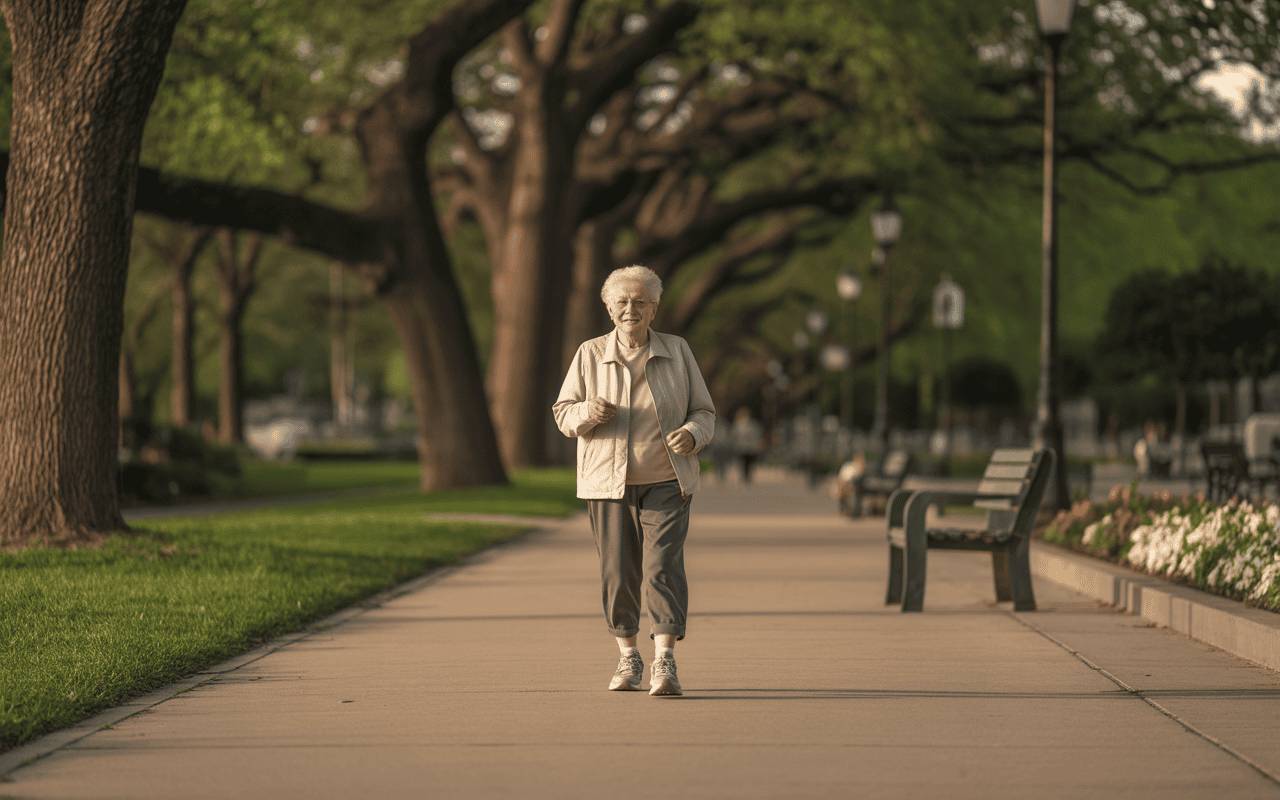
Before you start outdoor exercise, get medical clearance if you’re inactive with chronic conditions like heart disease or diabetes. Always carry ID, a charged phone with GPS, and 16-32 ounces of water. Choose well-lit routes with smooth sidewalks, and wear moisture-wicking, reflective clothing appropriate for the weather. Watch for heat stroke symptoms like confusion and rapid pulse, especially if you’re over 65. Aim for 150 minutes of moderate activity weekly, starting with 15-minute walks and gradually increasing duration. The guide ahead covers everything you’ll need to exercise safely and effectively.
Main Points
- Inactive seniors with chronic conditions like heart disease or diabetes should consult a doctor before starting an exercise program.
- Carry identification, a charged phone with GPS, water, and wear bright reflective clothing for safety during outdoor walks.
- Scout walking routes beforehand to check for smooth sidewalks, functional streetlights, and safe crosswalks during intended exercise times.
- Seniors over 65 are vulnerable to heat stroke; watch for confusion and rapid pulse, and call 911 immediately if symptoms appear.
- Aim for 150 minutes of moderate activity weekly, such as 30-minute walks five days per week with rest days.
How to Get Medical Clearance Before You Start Exercising
Before you lace up those walking shoes or head to the park, you’ll want to determine whether you need medical clearance for your new exercise routine.
Current ACSM guidelines classify individuals based on their activity over the past three months, disease history, and symptoms. If you’ve been inactive and have chronic conditions like heart disease, diabetes, or arthritis, you’ll need a doctor’s consultation before starting.
However, if you’re asymptomatic without disease history, you can begin light-to-moderate exercise without clearance.
Healthy adults without symptoms or chronic conditions can safely start light-to-moderate physical activity without requiring prior medical clearance.
Your medical evaluation should occur during your annual physical or through an online consultation.
Your healthcare provider will conduct a thorough assessment, discuss appropriate activities, and identify any necessary modifications. They’ll review your medications and help determine safe exercise intensities for your specific health status. Seeking medical clearance is crucial for seniors with medical conditions or prolonged inactivity.
What to Carry: ID, Phone, Water, and Emergency Contacts
When you head outdoors for exercise, you’ll need to carry four essential items: identification, a charged phone, water, and emergency contact information.
Your ID should include your name, address, medical conditions, and emergency contacts. Consider wearing a medical ID bracelet for quick access.
Keep your phone charged with GPS enabled for location sharing, but avoid talking during walks to exercise mindfulness of your surroundings. Inform others of your location and expected return time to ensure someone knows your whereabouts.
Bring 16-32 ounces of water in an insulated bottle, sipping frequently to prevent dehydration.
Emergency preparedness means storing contacts under “ICE” in your phone and carrying a laminated contact card listing your doctor’s information.
Wear bright, reflective clothing for visibility.
Pack sunscreen, a hat, and insect repellent.
Keep a small amount of cash for unexpected needs.
How to Choose Safe, Well-Lit Walking Routes Near You
Finding the right walking route starts with scouting local paths during the time you’ll actually be exercising—what looks safe at noon might be poorly lit at 6 a.m.
You’ll want to check that sidewalks are smooth and continuous, with functional streetlights spaced evenly along the entire route.
Before committing to any path, walk it once to assess lighting quality, crosswalk availability, and traffic patterns at intersections.
If sidewalks aren’t available in certain areas, choose routes where you can walk on the shoulder facing traffic for better visibility and safety.
Identify Well-Maintained Local Paths
The quality of your walking surface matters just as much as where you walk. When scouting local routes, examine path quality carefully—look for stable, even surfaces without cracks, dips, or bumps that could cause trips. Smooth pavement supports your balance, especially if you use a cane or walker.
Key accessibility features to seek out include:
- Minimum width of 3-4 feet to accommodate mobility aids and allow caregivers to walk beside you
- Gentle slopes with handrails instead of steep inclines or steps
- Slip-resistant surfaces that maintain traction during wet conditions
Check that paths connect to meaningful destinations like parks or community spaces. Well-maintained routes with clear signage help you navigate confidently and encourage regular outdoor exercise. Verify that trails include shaded rest areas where you can pause comfortably during longer walks.
Evaluate Lighting and Safety Features
A smooth, well-maintained path means little if you can’t see where you’re stepping or if drivers can’t spot you from a distance. Evaluate lighting conditions by choosing routes with adequate streetlights or park fixtures, especially if you exercise during early morning or evening hours.
Daylight hours remain ideal—aim for walks before 10 A.M. or after peak sun exposure while avoiding post-3 P.M. summer sessions when visibility diminishes.
Assess safety features along your route, prioritizing sidewalks and designated paths that separate you from vehicle traffic.
Select populated areas where others can assist during emergencies. When crossing streets, use marked crosswalks and never assume drivers will yield.
Walk facing oncoming traffic so you’ll spot approaching vehicles rather than being surprised from behind. Wear light or brightly colored clothing to increase your visibility to drivers, particularly during dawn, dusk, or overcast conditions.
What to Wear in Hot Weather, Cold Weather, and Rain
Choosing appropriate clothing for outdoor exercise can make the difference between an enjoyable workout and an uncomfortable—or even unsafe—experience. Your outdoor clothing should adapt to weather variations to protect your health and enhance performance.
Hot Weather Essentials:
- Wear moisture-wicking tops with UPF 50+ protection to block harmful UV rays.
- Choose breathable, quick-drying polyester blends that prevent sweat accumulation.
- Add wide-brim hats and sunglasses to shield your face and eyes.
- Wearing bright or reflective clothing during early morning or evening walks ensures you remain visible to vehicles and cyclists.
Cold Weather Layers:
- Start with thermal base layers that wick moisture while retaining heat.
- Add fleece jackets for lightweight warmth and wind-resistant outer shells.
Rainy Conditions:
- Select water-repellent jackets with reflective accents for visibility.
- Wear quick-dry nylon fabrics with stretch to prevent chafing.
How to Recognize and Prevent Heat Stroke and Hypothermia
When exercising outdoors, you’ll face two opposing temperature threats that demand equal attention: heat stroke in summer and hypothermia in winter.
Heat Stroke Recognition
Your body’s core temperature can rise faster than natural cooling mechanisms can lower it, creating a medical emergency within 10–15 minutes.
Watch for confusion, rapid pulse, difficulty breathing, and temperature regulation failure. If you’re over 65, you’re particularly vulnerable due to decreased sweating capacity.
Call 911 immediately upon recognizing symptoms.
Prevention Strategies
Exercise before 9 a.m. or after 7 p.m. when temperatures exceed 90 degrees.
Set hydration reminders, as you may lose thirst awareness with age.
Heavy sweating, dizziness, and muscle cramps signal heat exhaustion—move to air-conditioning immediately.
For hypothermia prevention, layer clothing appropriately and monitor for shivering or confusion during cold-weather activities.
Share your exercise routine with a trusted friend or neighbor who can check on you if needed.
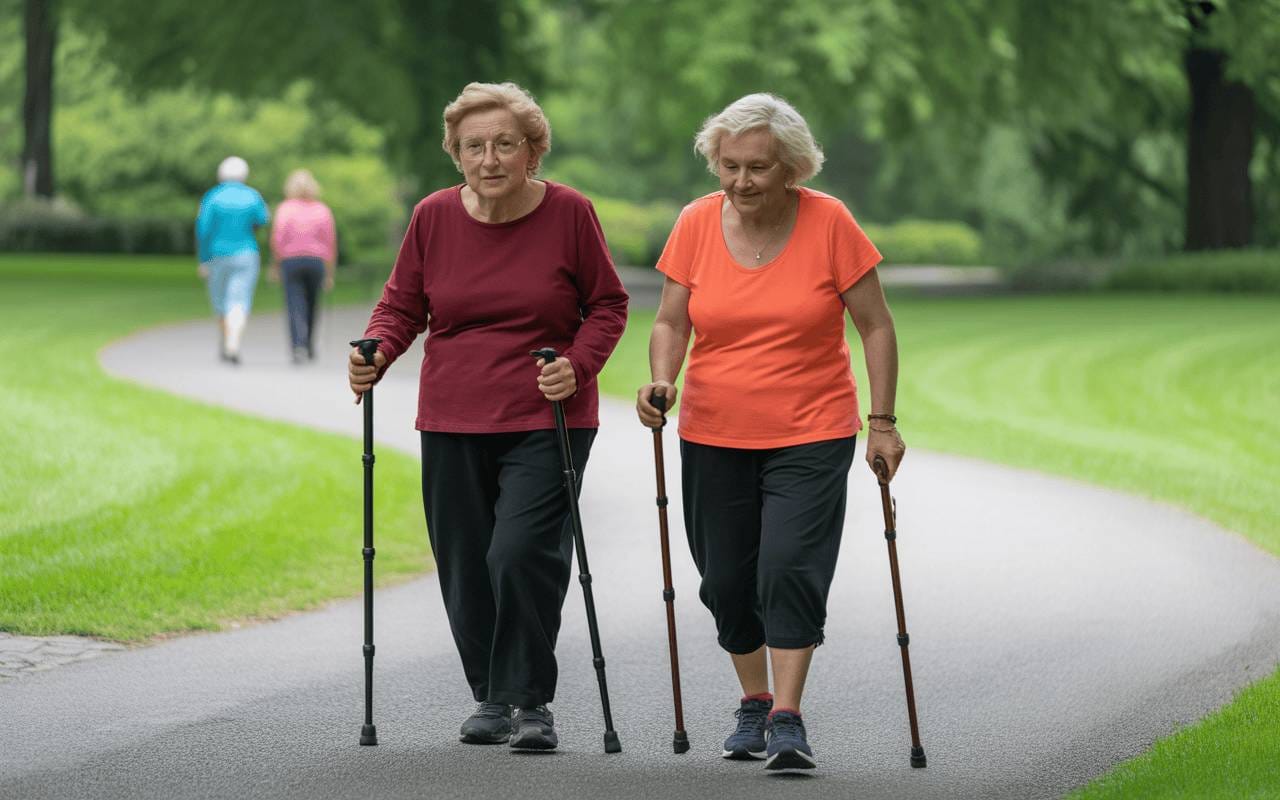
How to Stay Visible and Alert During Outdoor Workouts
Your safety during outdoor exercise depends heavily on whether others can see you and whether you’re paying attention to your surroundings.
Wearing reflective, brightly colored clothing guarantees drivers and cyclists spot you in time to react, especially during dawn, dusk, or overcast conditions.
Equally important is minimizing distractions like loud music or phone use so you’ll notice potential hazards, hear approaching vehicles, and maintain awareness of your environment.
Select routes that are well-lit and populated with convenient resting places to enhance your safety during outdoor workouts.
Wear Reflective Bright Clothing
Visibility can mean the difference between a safe morning walk and a dangerous encounter with a distracted driver. Reflective benefits extend beyond traffic safety—bright clothing helps you navigate shaded park paths and enhances your confidence during early morning or evening workouts.
Choose fluorescent yellow, orange, or lime green with 360-degree reflective strips visible up to 1,000 feet in headlights.
Your visibility strategies should include:
- Lightweight vests or bands that layer easily over exercise attire
- Retro-reflective elements on jackets, pants, and shoes for full-body coverage
- LED armbands or headlamps paired with reflective gear for multi-angle detection
Test your gear under streetlights before heading out.
Breathable, moisture-wicking fabrics keep you comfortable while ensuring drivers and fellow park-goers spot you instantly.
Minimize Distractions While Exercising
Bright clothing loses its protective power if you’re too distracted to notice hazards around you.
Turn down your music volume so you can hear approaching cyclists, car horns, and warning bells. Better yet, practice mindful breathing instead of using headphones—it’ll help you stay present while exercising.
Keep your eyes scanning 15-20 feet ahead to spot cracks, roots, and uneven surfaces before they become tripping hazards.
Face oncoming traffic while walking so you’ll see vehicles approaching. These focus techniques keep you alert to your surroundings.
Cross only at designated crosswalks with pedestrian signals, and maintain continuous awareness of your path.
Save phone calls and texts for after your workout. When you’re fully present, you’ll react faster to unexpected obstacles and maintain better balance throughout your exercise session. Drink water regularly during your walk to stay properly hydrated, especially on warm days when dehydration risk increases.
Hydration Tips: When and How Much to Drink While Walking
When it comes to walking safely and comfortably, proper hydration isn’t just important—it’s vital, especially for older adults. Your body’s thirst sensation diminishes with age, making it essential to drink intentionally rather than waiting until you’re thirsty.
Follow this hydration schedule to maximize fluid intake and hydration benefits:
- Pre-walk: Drink a glass of water 30–60 minutes before exercising.
- During walk: Sip water every 20 minutes, carrying a refillable bottle with you.
- Post-walk: Rehydrate immediately afterward; for walks over 60 minutes, add an electrolyte supplement or banana.
Aim for one-third of your body weight in ounces daily. Include high-water foods like watermelon and cucumbers throughout the day, and avoid alcohol’s dehydrating effects. Staying properly hydrated helps prevent urinary tract infections and supports overall health during your walking routine.
Simple Warm-Up and Cool-Down Routines to Prevent Injuries
Proper warm-up and cool-down routines are your best defense against injuries during outdoor walks and exercise sessions.
You’ll reduce your risk of muscle strains, joint pain, and cardiovascular stress by preparing your body before activity and gradually returning it to rest afterward.
Cold weather can make your muscles stiffer and increase injury risk, making these routines even more critical during winter months.
Let’s explore the essential exercises that’ll keep you safe and moving comfortably throughout your senior fitness journey.
Essential Warm-Up Exercises
Before you step outside for your daily walk or gardening session, spending just 5-10 minutes on warm-up exercises can dramatically reduce your risk of injury.
Dynamic stretching prepares your muscles and joints for physical activity by increasing blood flow and improving flexibility.
Try these effective movements to experience key warm up benefits:
- Shifting side lunge: Stand with feet wide, shift your weight to one side while bending that knee, then alternate sides
- High knee jog: Perform 2-4 repetitions to gently elevate your heart rate and activate leg muscles
- Calf stretch: Stand arm’s length from a wall and stretch one calf at a time
If weather conditions are extreme, warm up indoors first.
These simple exercises enhance joint mobility and prepare your cardiovascular system for safe outdoor activity.
After completing your outdoor exercise, dedicate five to ten minutes for a cool-down period to allow your heart rate to return to normal.
Effective Cool-Down Techniques
Just as warming up prepares your body for activity, cooling down properly helps it recover and prevents injury.
After your outdoor workout, reduce your walking speed for 5–10 minutes to allow your heart rate to slow gradually. Never stop suddenly, as this can cause dizziness or fainting.
Cool down benefits include preventing heart complications, normalizing body temperature, and reducing muscle stiffness.
Incorporate deep breathing exercises to enhance circulation and promote cooling. Hold stretches for 10–30 seconds without bouncing while your muscles remain warm.
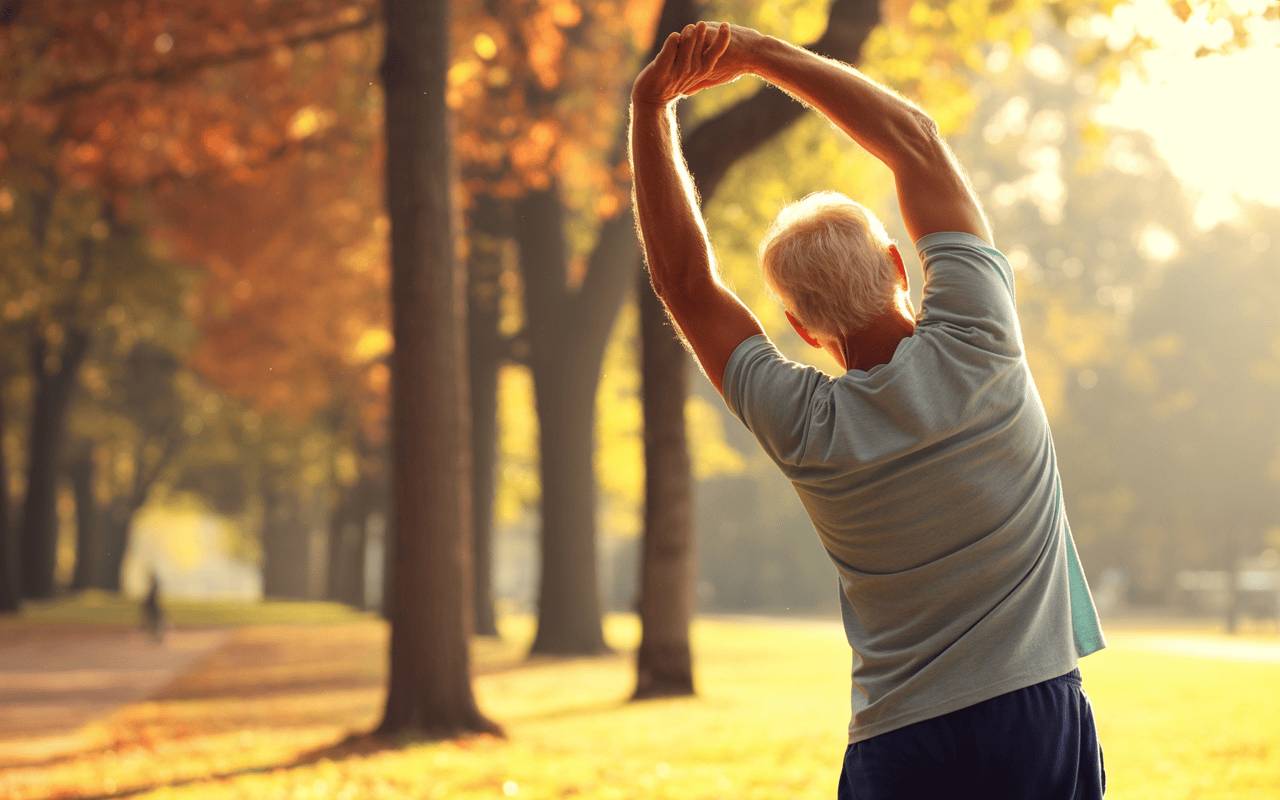
Try gentle cat-cow stretches, seated hamstring stretches, and overhead arm reaches.
End your session lying down, focusing on slow, deep breaths. This gradual shift decreases cramping risk and supports joint health. Since older adults need longer adjustment periods to regulate temperature changes, extend your cool-down time beyond the standard recommendations to ensure your body fully recovers.
Why Outdoor Exercise Improves Senior Health and Longevity
While most seniors understand that exercise matters, stepping outside to stay active offers dramatically more powerful benefits than indoor workouts alone.
Nature access provides unique health benefits that complement physical activity, creating a synergistic effect on longevity.
When you exercise outdoors regularly, you’ll experience:
- Cardiovascular protection through reduced blood pressure, lower inflammation levels, and decreased risks of heart disease and stroke
- Enhanced mental clarity with better cognitive function, improved sleep quality, and reduced depression rates
- Cellular rejuvenation that slows aging processes while boosting vitamin D levels essential for bone and emotional health
Whether you’re walking trails, practicing tai chi in the park, or swimming at outdoor pools, combining movement with nature exposure delivers measurable improvements in both lifespan and quality of life.
Physical activity enhances not only your physical capabilities but also your emotional and cognitive functioning, creating comprehensive benefits that extend across all aspects of daily life.
Creating Your 150-Minute Weekly Walking Schedule
Since the national guidelines recommend 150 minutes of moderate-to-vigorous physical activity each week, you’ll want to structure a realistic schedule that fits your lifestyle and energy patterns.
A practical approach involves walking 30 minutes across five days—perhaps Monday, Tuesday, Thursday, Friday, and Saturday, with rest days on Wednesday and Sunday. This distribution provides schedule flexibility while ensuring you capture the walking benefits associated with consistent moderate activity.
Start with 15-minute sessions if you’re new to exercise, gradually increasing by 2 minutes weekly. You can split these into shorter bouts: two 15-minute walks daily count toward your total. Even when you cannot meet the full 150 minutes, being active to your abilities still provides meaningful health benefits.
Always include a 5-minute warm-up and cool-down at a slower pace. Track your progress with a journal or fitness tracker, aiming for brisk walking at roughly 100 steps per minute to achieve moderate intensity.
Frequently Asked Questions
Can I Exercise Outdoors if I Have Arthritis or Joint Pain?
Yes, you can exercise outdoors with arthritis or joint pain. Focus on arthritis friendly activities like walking, cycling, and stretching that strengthen supporting muscles without stressing your joints.
Start with 10–15 minutes and gradually increase duration. Use joint pain modifications such as choosing even surfaces, wearing supportive shoes, and breaking sessions into shorter intervals.
Warm up properly and consult professionals for personalized adjustments that’ll help you stay active safely.
What Are the Best Walking Shoes for Seniors With Flat Feet?
Walking with flat feet shouldn’t feel like you’re traversing on broken glass.
You’ll want shoes that combine comfortable cushioning with solid arch support—the Brooks Adrenaline GTS 24 tops the list for overall performance, while the Hoka Gaviota 5 excels if you’ve got wide feet.
For budget-conscious seniors, Skechers Arch Fit 2.0 delivers quality support at just $90, proving you don’t need to break the bank.
Should I Walk Alone or Join a Senior Walking Group?
Joining a senior walking group offers significant advantages over walking alone.
You’ll experience enhanced social benefits through friendships and community connections that combat loneliness and depression. Groups provide superior motivation, with 75% completion rates and better health outcomes than solo walking.
However, if you have specific safety concerns about your pace or health conditions, consult your doctor first.
Consider starting with once-weekly group sessions while maintaining your independent walks for flexibility.
How Do I Safely Use Walking Poles or a Cane Outdoors?
Studies show proper assistive device use reduces fall risk by 30%.
For walking pole techniques, bend your elbows at 90 degrees and plant poles slightly behind your feet to propel yourself forward.
Essential cane safety tips include positioning it opposite your weaker leg, moving it simultaneously with that leg, and regularly checking the rubber tip for wear.
Always adjust height so handles align with your wrists when arms hang relaxed.
What Indoor Alternatives Work When Weather Prevents Outdoor Exercise?
You can try chair exercises like seated marching, leg lifts, and sit-to-stand movements to maintain strength and balance.
Walking in place, mall walking, or using a treadmill provides cardiovascular benefits without weather concerns.
Low impact workouts such as chair yoga, gentle stretching, and Tai Chi improve flexibility while protecting your joints.
Resistance bands offer safe strength training, and even household chores like vacuuming count as functional exercise indoors.
Final Thoughts
You’ve got everything you need to start exercising safely outdoors. Take Margaret from Portland—at 72, she started with just 10-minute walks around her block. Within six months, she’d built up to 30-minute daily walks and lowered her blood pressure by 15 points. Don’t wait for the “perfect” moment. Grab your water bottle, lace up your shoes, and take that first step today. Your healthier future starts now.